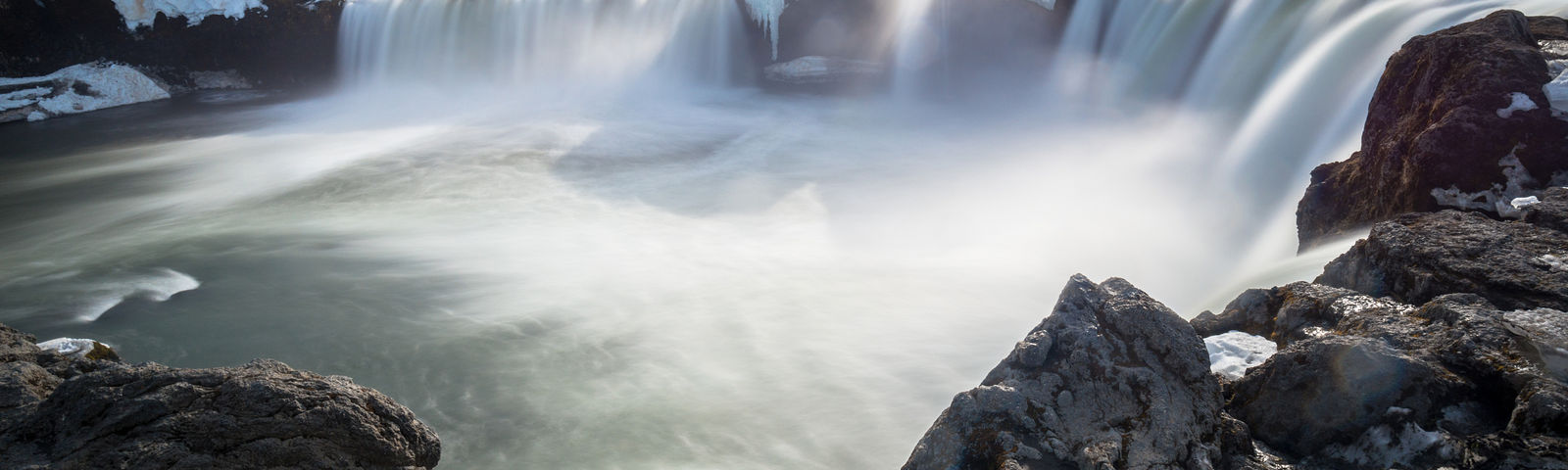
Top picks for Akureyri
Search attractions or local attractions & tours
Attractions & Tours category
Top Picks
Book now for today
Book now for tomorrow
2379 results for Akureyri
Sort by
Recommended
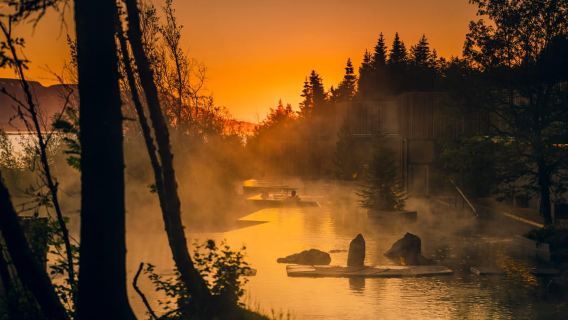 4.9/5Excellent· 7 reviews5% offLimited-time saleFromS$ 246.21S$ 259.17
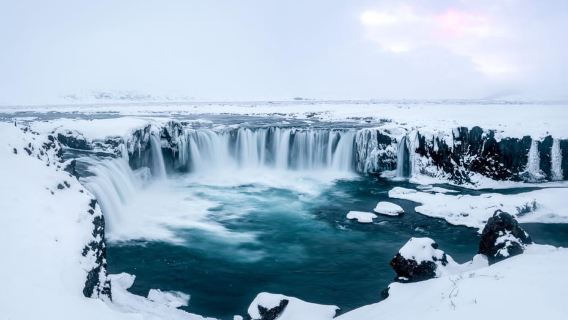 5.0/5Excellent· 6 reviews5% offLimited-time saleFromS$ 142.31S$ 149.81
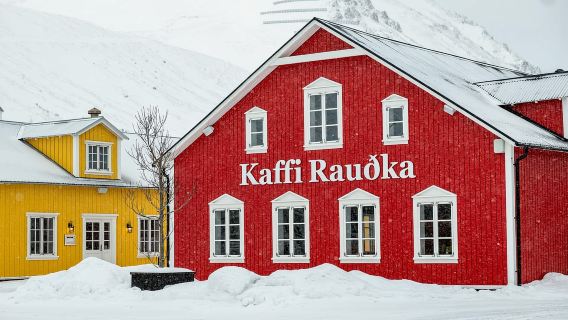 5.0/5Excellent· 2 reviews5% offLimited-time saleFromS$ 291.75S$ 307.11
 4.4/5Good· 8 reviews5% offLimited-time saleFromS$ 170.78S$ 179.77
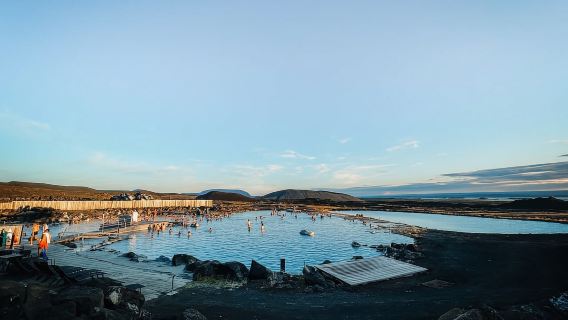 5.0/5Excellent· 43 reviews5% offLimited-time saleFromS$ 263.28S$ 277.14
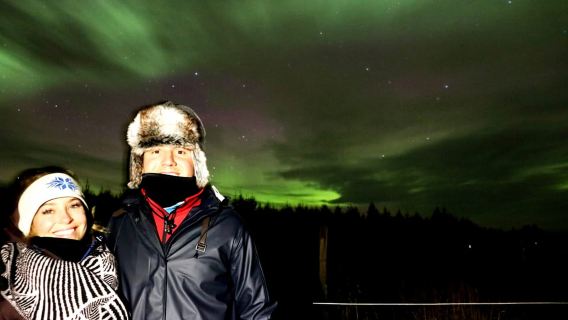 5% offLimited-time saleFromS$ 166.30S$ 175.06
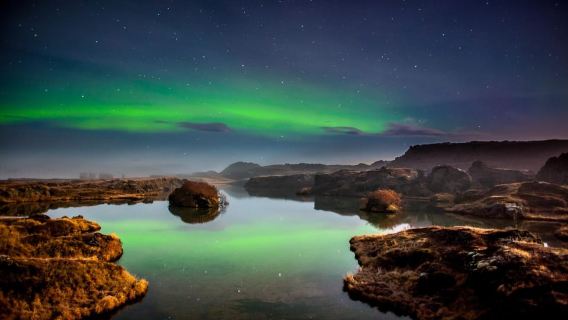 5.0/5Excellent· 1 review5% offLimited-time saleFromS$ 286.73S$ 301.83
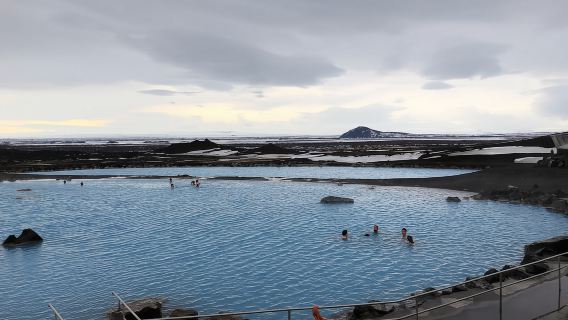 4.5/5Satisfied· 4 reviews5% offLimited-time saleFromS$ 272.40S$ 286.74
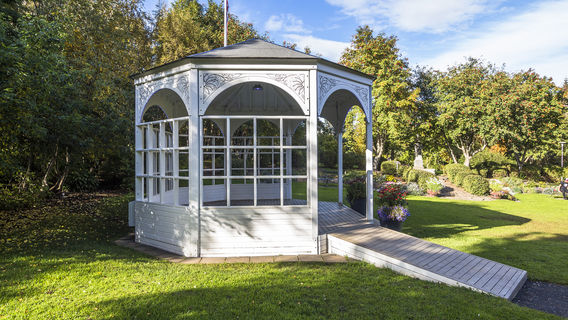 4.3/5· 13 reviews
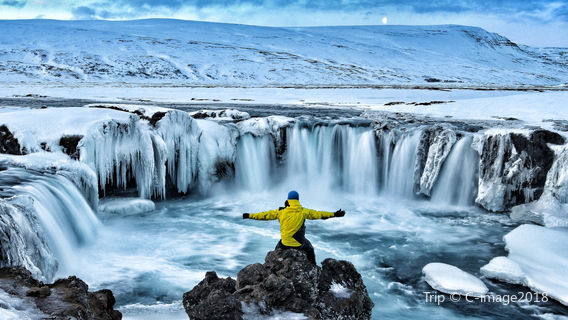 No. 1 of Best Things to Do in Northeastern Region
 Natural scenery4.5/5· 33 reviews
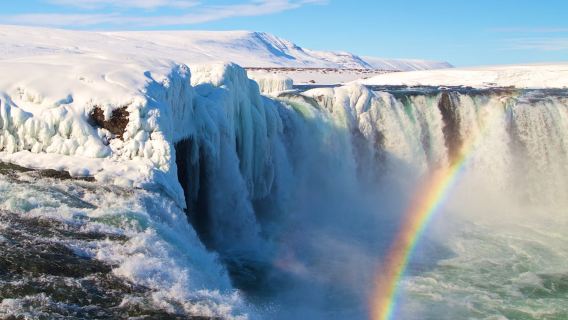
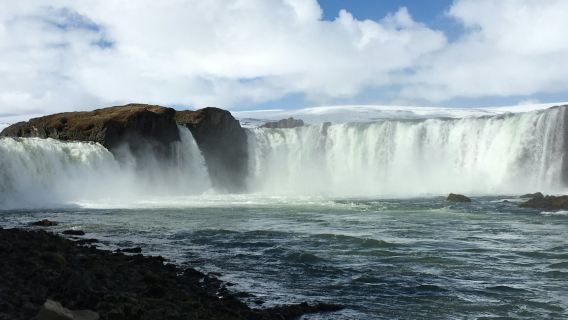


1
2
3
4
5
6
119
Explore top experiences
See what other travellers love, based on ratings and bookings
Frequently asked questions about Akureyri
How many are available in Akureyri on Trip.com?
What are the best in Akureyri?
What are the top-rated in Akureyri?
What are the recommended itineraries in Akureyri?
How can I contact Trip.com customer support?
Can I change or cancel my booking?
How can I get discounted prices?
Reviews/Trip Moments
★
★
★
★
★
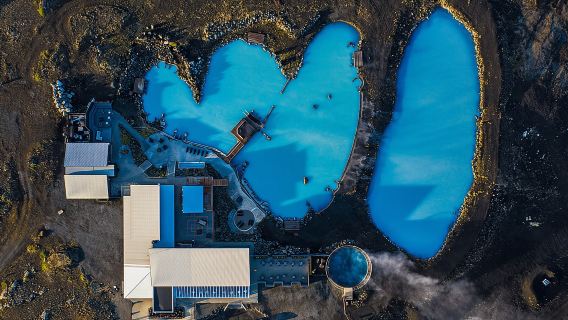
Reviews: Akureyri Port: Goðafoss and the Forest Lagoon Tour
Guest User2025-09-14
our guide Sieggy, was great! a native of Akureyri and gave us lots of local info. the Forest Lagoon was so relaxing and we had plenty of time to spend there. we also got the option of being taken back to the ship or let off in town to explore. we explored and walked back to the ship (about 10 mins). Beautiful area, really enjoyed it.★
★
★
★
★
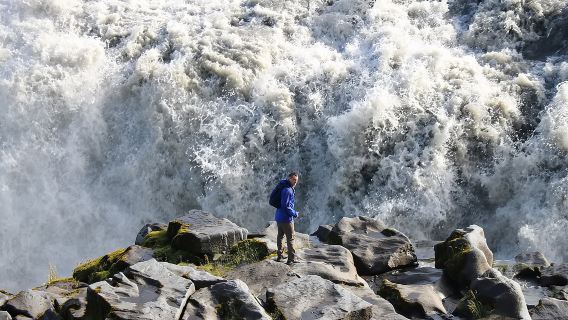
Reviews: From Akureyri: Goðafoss Waterfall Winter Tour
Guest User2025-12-27
We were upgraded to the Lake Myvatn tour due to numbers. Asa was very communicative, knowledgable and engaging. Highly recommend. We thoroughly enjoyed the adventure and recommend Asa! Thank you for sharing your part of the world with us.Trip.com Picks
Popular Products
Popular Activities
Popular Things to Do
Serbia City PassBangladesh Shopping DiscountsFujian Spa & MassagePeru SkydivingHo Chi Minh City Travel EssentialsMiyazu Connectivity SolutionsKinmen Walking ToursWater Activities in HoustonAzerbaijan Restaurant DiscountsIstanbul Boat Tickets
Huizhou Xunliao Bay + Mozishi + Hidden Gems: Boutique Full-Day Wine, Farm & Lunch TourAthens: Acropolis & up to 5 Archaeological Sites Combo PassConstanta: Full Day Tour from Bucharest to the Black SeaPattaya Discovery Tour with Floating Market, View Points & LunchGhosts and Crimes of Rome Night Walk Jaipur Sightseeing By Car, Driver and GuidePrivate Guided Heritage and Cultural Tour in Khajuraho From Prague: Bohemian & Saxon Switzerland Small-Group HikeDubai Attraction: ParasailingThings to do in Hong KongThings to do in KintaThings to do in Costa RicaThings to do in Mount Cook VillageThings to do in ViennaThings to do in GuilinThings to do in YangshuoThings to do in YamanashiThings to do in MelbourneThings to do in ItoThings to do in Mexico CityThings to do in Cape TownThings to do in ShaanxiThings to do in Brunei DarussalamThings to do in Naples


About
Payment methods


Our partners




Best Contact Center 2024 - Bronze
Copyright © 2025 Trip.com Travel Singapore Pte. Ltd. All rights reserved
Site Operator: Trip.com Travel Singapore Pte. Ltd. Travel License No. 02943
Site Operator: Trip.com Travel Singapore Pte. Ltd. Travel License No. 02943