2026 Yulin Travel Guide: must-see attractions, popular food, hotels, transport & travel experiences (updated in March)
Essential Travel Information for Yulin
Yulin situated in the far north of Shaanxi province, China on the edge of the Loess Plateau and Mu Us Desert. The area contains a large number of historical sites, including an ancient city wall and temples. There are also several Neolithic remains from the Yangshao and Longshan eras. Yulin is home to Lake Hongjiannao, China's largest desert freshwater lake. The city has many examples of Ming and Qing dynasty architecture, including government offices, temples, mansions and shops.
Yulin Today's weather
Overcast -5-9℃
Popular Attraction in Yulin
The Wave Valley Scenic Area
(188)Hong Shi Xia
(50)Yulin Old Street
(32)Zhen Bei Tai
(30)Erlang Mountain
(18)Baiyun Mountain
(6)Tongwancheng Archaeological Site Park
(6)All Trip Moments about Yulin | Travel Experiences
Exploring Shaanxi's Hidden Wonderland with Kids! Danxia Canyon + Popular Photo Spots Are Amazing
Who would have thought that in Yulin, Shaanxi, there’s a place that rivals Antelope Canyon! The red sandstone layers rise and fall, forming wave-like flowing lines. Vast Danxia landforms create a unique landscape. Bringing kids here, you can’t help but marvel at the wonders of nature~ National Geographic didn’t lie! It’s truly breathtaking. ⛰️|Shaanxi Wave Valley Scenic Area 📍|Longzhou Town, Jingbian County, Yulin City, Shaanxi Province ⏰|8:00 AM - 5:30 PM (For kids, it’s best to arrive before 9 AM to avoid crowds) 🎫|90 RMB/person (Children under 1.2 meters free, 1.2-1.4 meters half price) 【About Family Transportation】 🚄High-speed train: Arrive at Jingbian Station, 3h from Yan’an|5h from Xi’an|8.5h from Beijing. After exiting, you can take a taxi or carpool to the scenic area. For kids, it’s recommended to book a ride in advance to avoid waiting. 🚗Self-driving: 2h from Yulin|4.5h from Xi’an, with rest areas along the way for kids to rest and eat. ✈️Flight: 1.5h from Beijing (to Yulin Airport), then taxi to the scenic area, about 1.5 hours by car. 🚶♂️【Family-friendly Routes】 1️⃣ Short Loop (Best for families) Entrance ➠ Glass Viewing Bridge ➠ Flame Danxia ➠ Flowing Wave Platform ➠ Music Trail ➠ Viewing Platform ➠ West Staircase of Viewing Platform ➠ Return to Entrance 🕐 Duration: 1 hour (Elder and child friendly, suitable for younger kids, not too tiring) 2️⃣ Long Loop (For kids with more stamina) Entrance ➠ Glass Viewing Bridge ➠ Flame Danxia ➠ Viewing Platform ➠ Red Cliff Danxia ➠ Time Tunnel ➠ One-line Sky ➠ Core Danxia ➠ Kilometer Gallery ➠ Rainbow Ladder ➠ Looking Back Bridge ➠ Sacred Tree Bridge ➠ Dragon Heart Bridge ➠ Exit 🕐 Duration: 2.5-3.5 hours (More spectacular views, families can slow down and enjoy along the way) 📷【Must-visit Family Photo Spots】 ✅ Glass Walkway Overlooks the entire Red Cliff Danxia, giving a feeling of walking in the clouds. When taking photos with kids on the walkway, watch them carefully and keep them away from edges to enjoy the high-altitude views safely. ✅ Flame Danxia The undulating earth patterns look like waves. The Flame Danxia under sunset is stunning. You can rent a spacesuit for kids to take photos, creating a Mars-like vibe that kids will love. ✅ Red Cliff Danxia One side is the Danxia cliff, the other the Loess Plateau. Walking through with kids, marvel at nature’s craftsmanship and teach them about Danxia landform formation—learning while playing. ✅ Core Danxia The best photo spot here is "One-line Sky," a narrow canyon only wide enough for one person, comparable to the American Antelope Canyon. Take family photos here for an unforgettable atmosphere. ✅ Kilometer Gallery Comparable to the Colorado Grand Canyon, it lets kids experience the trace of millions of years. Encourage them to observe rock textures and colors to spark their curiosity. ⚠️ Family Travel Tips: 1. Parking is convenient, right opposite the visitor center. After getting kids out of the car, you can enter the park directly without extra walking. 2. Accommodation options include Jingbian County or nearby Longzhou Town. Jingbian hotels have better facilities, suitable for families, so book in advance. 3. The long loop takes about 3 hours, with more magnificent scenery. The entire route is wooden plank paths and stone steps, not difficult, suitable for all ages, perfect for family outings. 4. Dress kids in comfortable, non-slip shoes for easy walking and to prevent falls. 5. The UV rays in the scenic area are strong; prepare sun protection for kids—sun-protective clothing, hats, sunglasses, and sunscreen are essential. 6. Bring enough drinking water and snacks for kids to replenish energy. There are vendors inside but prices are higher. 7. Keep an eye on kids to avoid getting lost. The scenic area can be crowded, so consider using anti-lost wristbands for children.RoamingVagabond263The Red Ocean Carved by Time|Yulin Fengwei Rock Water Danxia
At the junction of the Loess Plateau and the Mu Us Sandy Land, Yulin in northern Shaanxi hides a geological wonder that even the Wave Valley in the United States pales in comparison to—Fengwei Rock Water Danxia. This place is not only the original filming location for "Ghost Blows Out the Light," but also the only water Danxia landscape in China. When the morning light shines on the ochre sandstone ripples and the emerald waters wind through them, you feel as if you have stepped into the earth’s veins, touching the time frozen in Jurassic sand dunes from 150 million years ago. 🗺️ One-Day In-Depth Itinerary Morning (7:30 AM - 12:00 PM)|Explore the Core Area of Wave Valley Drive 1.5 hours from Yulin city to Longzhou Town, Jingbian (recommended departure at 6:30 AM to catch the sunrise) Route A Flame Danxia: Hike through the red sandstone canyon, photograph the "One Line Sky" and "Thousand-Meter Wave Corridor" Route B Water Danxia: Take the eco-friendly shuttle (ticket included) to Fengwei Rock Pier, see the ochre rock walls reflected in the jade lake Secret Spot: Arrive before 9 AM at the "Time Tunnel" viewing platform, where the Danxia looks like a burning ocean in the morning mist Noon (12:00 PM - 1:30 PM) Taste Jingbian specialties: lamb chopped buckwheat noodles (28 RMB), yellow rice cake with honey, recommended restaurant outside the scenic area "Longzhou Old Bowl" Afternoon (1:30 PM - 5:00 PM)|Stroll through the Geological Gallery Route C Earth Core Danxia: Explore the ancient fortress ruins of "Yanjiazhai," overlook Ming Dynasty stone caves surrounded by Danxia Golden Photography Hour: After 3 PM, the slanting light makes the wave textures show a three-dimensional metallic sheen Experience Activities: Rock painting rubbing (30 RMB), camel riding tour of Danxia Valley (50 RMB/20 minutes) 💰 Budget Details (Approx. 1280 RMB per person) Transportation Round-trip carpool from Yulin 120 RMB Charter/self-drive rental 400 RMB Tickets Scenic area package 168 RMB (includes eco shuttle) VIP in-depth tour 268 RMB (includes guide) Food & Drink Lunch and dinner 100 RMB + snacks 30 RMB Specialty banquet 150 RMB + afternoon tea 50 RMB Experiences Basic photography 30 RMB Camel riding + rubbing 80 RMB Accommodation Business hotel in Jingbian County 180 RMB Special cave dwelling near Danxia 380 RMB Total Approx. 598 RMB Approx. 1288 RMB ⚠️ Pre-Trip Notes Best Season: May-June (wildflowers everywhere) and September-October (lake water is deep blue), avoid July-August rainy season Protection Notice: The Danxia surface is fragile; stepping on undeveloped areas is strictly prohibited, violators fined up to 5000 RMB Photography Gear: Wide-angle lens essential, polarizer to eliminate water surface reflections, drones must be reported in advance Hidden Play: The morning after rain offers the rare "Danxia mirror reflection" spectacle 🌅 Travel Thoughts When the sunset dyes Fengwei Rock molten gold, you will understand why National Geographic calls this place the "Fingerprint of Time." It is recommended to wait for dusk at the "Sunset Viewing Platform" and watch the light and shadow flow through waves spanning hundreds of millions of years. On your way back, don’t forget to bring a jar of Danxia red sand (official souvenir) so that this land kissed by time becomes your forever vibrant red romance in memory.Ethan Foster 345~5A Family Guide to Exploring the Mars-like Shaanxi Wave Valley with Kids, Full of Fun!
Looking to take your kids on a unique family trip? Shaanxi Wave Valley is definitely the top choice! Formed over 96 million years, this Danxia landform features graceful curves and enchanting light and shadow effects. Let your kids immerse themselves in the wonders of nature and capture amazing family photos~ 🌈 Shaanxi Wave Valley Scenic Area 📍 Address: Wave Valley Scenic Area, Longzhou Town, Jingbian County, Yulin City, Shaanxi Province 🎫 Tickets: 💰90 RMB (Children under 1.2 meters free, children 1.2-1.4 meters half price, student discounts with valid ID) 🕙 Hours: 8:00 AM – 5:30 PM. Plan your time wisely with kids to avoid prolonged sun exposure. ✈️ How to Get There ✅ From Xi’an: Take the high-speed train to Jingbian Station, then taxi directly to the scenic area, about 40 minutes. The train is comfortable, so kids won’t get tired easily. ✅ For out-of-town visitors: Fly to Yulin Airport, rent a car and drive. The route offers beautiful scenery with plenty of spots to stop and let kids enjoy the views. ✅ From Beijing: Take the direct train to Jingbian Station, departing in the evening and arriving in the morning, so you won’t lose daytime for sightseeing. Traveling with kids is more convenient this way. 🚶 Family Tour Routes ✅ For toddlers (1.5 hours) Entrance ➟ Glass Viewing Bridge (scenic overlook) ➟ Flame Danxia (photo spot) ➟ Liubo Terrace ➟ Musical Steps (kids can step to make music) ➟ Scenic Viewing Platform ➟ Return to entrance ✅ For school-age children (3–4 hours) Entrance ➟ Glass Viewing Bridge/Walking Trail ➟ Flame Danxia ➟ Scenic Viewing Platform ➟ Red Cliff Danxia ➟ Time Tunnel (exploration fun) ➟ Core Danxia ➟ Yanjia Village ➟ One Line Sky ➟ Kilometer Gallery ➟ Looking Back Bridge ➟ Sacred Tree Bridge ➟ Dragon Heart Rock ➟ Exit (Bring sun hats, sunscreen, mosquito repellent, and wear comfortable sneakers for easy walking) 📷 Must-Visit Family Spots 1️⃣ Glass Viewing Bridge: A high-altitude glass bridge with magnificent Danxia views beneath your feet. Experience the thrill with kids while enjoying panoramic views and taking stunning photos. 2️⃣ Flame Danxia: Mars-like landform with red rocks that look like flames under the sun. Teach kids about Danxia formation and dress them in astronaut suits for an atmospheric photo shoot. 3️⃣ One Line Sky: A narrow canyon with interlaced light and shadow. Walk through with your kids to feel nature’s amazing sculpting and spark their interest in geography. 4️⃣ Kilometer Gallery: Scenic views at every step, with steep red cliffs on one side and vast loess plains on the other. Walk and observe different landforms with your kids. 5️⃣ Danxia Rose: Red rocks shaped like roses. Help your kids find the “most beautiful rose” for memorable photos and add fun to your trip. ⚠️ Family Tips ✅ Parking: 5 RMB for all-day parking, plenty of spaces, stress-free for self-driving families. ✅ Accommodation: Jingbian County hotels have complete facilities; Longzhou Town homestays offer more character. Choose based on your needs. ✅ Drones: No flight restrictions, great for capturing panoramic family videos and preserving wonderful moments. ✅ Weather: Check in advance. Sunny days are best for visiting; be cautious on slippery roads when it rains. ✅ Food: Local specialties like lamb offal soup, clear stewed lamb, and yellow rice cakes. Farmhouse meals can be adjusted to kids’ tastes, nutritious and delicious. 🏨 Accommodation Recommendations: Jingbian Jintai Hotel, Wave Valley Cave Dwelling Homestay_1997_Mattie_243Yulin Treasure Hotel: Affordable Luxury with Free Parking
Found a gem in Yulin! The newly opened Yunhai Jingyue Hotel has truly redefined my understanding of "cost performance"‼️ Super convenient location Right on Fukang East Road, Yuyang District Easy to get anywhere Red Stone Gorge and Zhenbeitai are just a short drive away Perfect for self-driving tours! 🏨 The luxury experience is top-notch I was amazed as soon as I entered the lobby Modern light luxury design Every snapshot looks like a masterpiece Enjoy a four-star experience for the price of an ordinary hotel 🚗 Free underground parking + charging stations Self-driving friends, take note! Huge underground parking lot with free parking Equipped with charging stations Super convenient for new energy vehicles to charge This service is really thoughtful 🛏️ Room details are perfect 55 sqm rooms are very spacious Panoramic floor-to-ceiling windows with amazing views Serta mattresses + Yalan linens You won’t want to get up once you lie down Whole-house smart voice control Just say "Xiaodu" to control all devices 🍴 Food available 24/7 The "Yunhaixuan" restaurant on the second floor really understands food lovers Open all day from breakfast to late-night snacks Afternoon tea only 38 RMB per person E-sports rooms even come with free dinner 💫 Comprehensive facilities Gym, self-service laundry Children’s playground, business center Even the lobby bar offers English afternoon tea No need to leave the hotel at all For those visiting Yulin You can confidently choose this hotel All facilities are brand new Service is especially attentive And the price is just irresistible!雲海景悅酒店3Yulin City Three Days Two Nights Luxury Guide
Suitable for: Travelers seeking high-quality travel experiences who enjoy history, culture, natural wonders, and local cuisine. Best season: May to October (pleasant climate, ideal for outdoor activities) 📅 Itinerary Day 1: Yulin City Cultural Exploration + High-end Accommodation Experience Morning: Arrive in Yulin Recommended to take an early flight or high-speed train to Yulin Yuyang Airport/Yulin Station, with private transfer to the hotel (car rental or charter recommended, about 500 RMB/day). Accommodation recommendation: Yulin People's Hotel (five-star) or Yulin Wanda Realm Hotel (about 800-1200 RMB/night) for premium service. Noon: Shaanbei Specialty Food Feast Recommended restaurants: Yulin old brand "Lamb Noodles" or high-end Shaanbei restaurant "Saishang Restaurant" (150-200 RMB per person). Must-try dishes: Yulin lamb, mixed three delicacies, yellow steamed bread, donkey intestine sausage. Afternoon: Zhenbeitai + Red Stone Gorge Zhenbeitai (ticket 30 RMB): The first tower of the Great Wall, experience the frontier majesty (guide recommended, about 100 RMB). Red Stone Gorge (ticket 30 RMB): One of Yulin’s eight scenic spots, admire cliff inscriptions and canyon views (excellent photography spot). Evening: Stroll in Yulin Ancient City Highlights: Yulin Old Street: Ming and Qing architectural style, dazzling night lights. Lingxiao Tower: Climb the tower for a panoramic view of Yulin (free). Dinner: High-end Shaanbei flavor restaurant "Taste of Yulin" (200-300 RMB per person), enjoy a modernized version of Shaanbei cuisine. Night: SPA or Bar Relaxation Recommended experience: High-end SPA in the hotel (about 500 RMB/person) or a drink at a Yulin CBD bar. Day 2: Jingbian Wave Valley + High-end Off-road Experience Morning: Jingbian Wave Valley (round-trip charter about 1000 RMB) Ticket: 100 RMB (includes glass walkway) Highlights: China’s version of the “American Wave Valley,” stunning red sandstone landforms. Recommended to hire a local guide (about 200 RMB) to explore unopened areas for photography. Lunch: Specialty restaurant in Jingbian County (80-100 RMB per person). Afternoon: Off-road driving through the Mu Us Desert High-end experience: Rent a professional off-road vehicle (about 1500 RMB/vehicle, including driver), venture deep into the desert to experience sand dune surfing and sliding. Photo spot: Desert sunset, the golden dunes contrasting beautifully with the blue sky. Evening: Desert Starry Sky Camping (optional) Luxury camping: Book the “Desert Starry Sky Tent Hotel” (about 2000 RMB/night), including dinner and bonfire party. Or return to Yulin city and stay at a high-end hotel. Day 3: Gaojiapu Ancient City + Return Morning: Gaojiapu Ancient City (filming location of "Ordinary World") Charter transfer (about 500 RMB round trip), experience Shaanbei folk customs and film culture. Highlights: Ancient city walls, old streets, Shaanbei cave dwellings homestays. Try Shaanbei paper-cutting or clay sculpture workshops (about 100 RMB/person). Noon: Shaanbei Farmhouse Feast Recommended: Local farmhouse in Gaojiapu (100 RMB per person), try freshly slaughtered lamb and handmade cold noodles. Afternoon: Free time before departure Options: Yulin Museum (free, learn about Shaanbei history). Shopping: Buy Shaanbei red dates, millet, handmade textiles, and other specialties (budget 500-1000 RMB). Return transportation: Private transfer to airport/station. ⚠️ Notes Desert off-road safety: Choose a reputable team, avoid driving alone. Weather: Large temperature difference between day and night in Yulin, bring windproof jacket and sunglasses. Cultural experience: Some areas of Gaojiapu Ancient City are residential, please respect local life.Adrian012_Bailey6A 3-Day Travel Guide to Yulin - An Underrated Border City Gem
Yulin - a hidden gem of a border city that's both off the beaten path and incredibly fun to explore! This city is like a forgotten pearl, harboring unique frontier culture and breathtaking scenery. With fewer tourists and beautiful attractions, it's truly an up-and-coming travel destination! Here's a 3-day, 2-night itinerary that will immerse you in the unique atmosphere of Northern Shaanxi. Let's dive right into the guide! 📍 Attraction Locations: - Yulin Old Street: Located in Yuyang District, stretching from Zhenyuan Gate along South Street. - Red Rock Gorge Ecological Park: Beiyue Temple Village, Yuyang Town, Yuyang District, Yulin City. - Zhenbei Tower: Zhenbei Tower Scenic Area, Yuyang District, Yulin City, close to Red Rock Gorge Park. - Mahuangliang Geological Park: Mahuangliang Town, Yuyang District, Yulin City. 🚗 Transportation: - Getting There: You can fly into Yulin Yuyang Airport, which has many direct flights from various cities. For a more budget-friendly option, take a train to either Yulin Station or Yulin South Station, though the journey will take longer. - Getting Around: Yulin's city center is relatively compact with reasonable taxi fares. It takes about 20 minutes and costs 20-30 yuan to reach attractions like Yulin Old Street, Red Rock Gorge Park, and Zhenbei Tower by taxi. For groups, renting a car is a good option, especially for reaching slightly more distant places like Mahuangliang Geological Park, offering more freedom to stop and enjoy the scenery along the way. 👍️ Must-Visit Attractions: - Yulin Old Street: This area is full of local life. Start your tour at Zhenyuan Gate, where you'll be greeted by towering city walls - perfect for watching the sunset! Walking along South Street, you'll see Xingming Tower and the Bell Tower. The ancient-style streets are incredibly relaxing to stroll through. The street is lined with local delicacies - stop at any restaurant for a bowl of lamb offal soup or Minjie noodles - absolutely delicious! - Red Rock Gorge Ecological Park: Famous as a filming location for "Ashes of Time," the atmosphere here is incredible! Standing at the edge of the canyon, you'll see cliff faces covered in calligraphy carvings and various-sized grottoes. Every stroke tells a historical story - the grandeur is something you have to experience in person. The touring route is simple: enter at the main gate and follow the path from the east bank to the west bank in a small loop. - Zhenbei Tower: Located near Red Rock Gorge Park, this "First Tower of the Great Wall" is truly majestic. Climb to the top for panoramic views that transport you back to ancient battlefields - it's amazing! - Mahuangliang Geological Park: A filming location for "Ghost Blows Out the Light: The Lost Caverns," this park will amaze you with its unique landscape of Loess Plateau, rolling hills, and emerald lakes! The route from Dianfang Reservoir to Haochuan Island offers different views at every turn - every photo could be a wallpaper! 🎟️ Admission Fees: - Yulin Old Street: Free admission! Explore and eat to your heart's content. - Red Rock Gorge Ecological Park: 30 yuan - great value for such impressive views. - Zhenbei Tower: 30 yuan - worth every penny for the visual impact and historical experience. - Mahuangliang Geological Park: Free admission - enjoy the beautiful scenery at no cost. 💗 Additional Tips: - Food Recommendations: Yulin's cuisine is diverse! Besides the lamb offal soup and Minjie noodles, try Pin Sanxian (a soup with sea cucumber, squid, and crispy pork skin) and Youxuan (crispy pastry) - a carb lover's paradise! Don't miss the local yogurt, which has a unique rich texture and helps digest heavy foods. - Photography Outfit Tips: Wear vintage-style clothes for Yulin Old Street; cool, edgy outfits for Red Rock Gorge and Zhenbei Tower; and bright colors for Mahuangliang Geological Park to contrast with the yellow earth and lakes. - Weather and Sun Protection: UV rays are strong in Yulin. Bring sunscreen, a hat, and sunglasses regardless of season. Pack warm clothes for winter visits - Northern Shaanxi gets quite cold. - Itinerary Planning: Day 1 - Explore Yulin Old Street, try local food, and catch sunset at Red Rock Gorge Park. Day 2 - Visit Zhenbei Tower in the morning and spend the afternoon taking photos at Mahuangliang Geological Park. Day 3 - Sleep in, shop for local specialties like Northern Shaanxi dates and handmade paper cuttings before heading home. Yulin is truly a hidden travel gem - off the beaten path yet incredibly rewarding. Plan your 3-day, 2-night trip now to experience this unique border city's charm! Trust me, you won't regret it, and you'll thank me for the recommendation!Simmons_~Nathan46-Day Tour of Xi'an, Yan'an, and Yulin: Discover the Beauty of History and Nature
Explore the historical charm of Xi'an, Yan'an, and Yulin in the warm winter sun! This 6-day tour will take you on a journey through time. Start your historical adventure now! -------------------- 🚗 Itinerary: DAY 1: Shanghai → Yulin → Jingbian Depart from Shanghai, fly to Yulin, and then head to Jingbian to start your exciting journey in northern Shaanxi! DAY 2: Wave Valley → Hukou Waterfall on the Yellow River Visit the mysterious Wave Valley and marvel at the wonders of nature. Then, head to the magnificent Hukou Waterfall on the Yellow River and experience the grandeur of the Yellow River. DAY 3: Daci'en Temple → Xi'an City Wall → Bell and Drum Tower Square → Muslim Street In the ancient city of Xi'an, first visit Daci'en Temple to experience Buddhist culture. Then, climb the Xi'an City Wall and enjoy the beautiful city views. In the evening, stroll around Bell and Drum Tower Square to experience the charm of the ancient city, and finally, head to Muslim Street to taste authentic snacks. DAY 4: Emperor Qinshihuang's Mausoleum Site Museum (Terracotta Warriors) → Huaqing Palace → North Square of the Giant Wild Goose Pagoda → Tang Paradise Visit the UNESCO World Heritage Site of the Terracotta Warriors and learn about thousands of years of history. Then, head to Huaqing Palace to experience the charm of the royal garden. In the evening, head to the North Square of the Giant Wild Goose Pagoda to enjoy the beautiful fountain show, and then stroll around Tang Paradise to experience the grandeur of the Tang Dynasty. DAY 5: Ganquan Grand Canyon Enter the magnificent Ganquan Grand Canyon and experience the grandeur and mystery of nature, as if you were in a natural painting. DAY 6: Yulin Old Street Stroll around Yulin Old Street and experience the ancient charm of the city, ending your pleasant journey in northern Shaanxi. 🎉 -------------------- Travel Essentials: 🎒 👚 Clothing: The temperature difference in Xi'an in January is large, so bring a down jacket and sweater. Yulin and Yan'an are colder, so a warm coat is a must. Don't forget comfortable sneakers. 📸 Accessories: Charger, headphones, camera, selfie stick, sunglasses for sun protection and style, and an umbrella for light rain. 🆔 Documents: ID card, student ID, and bank card. Some attractions offer half-price tickets for students. Bring some cash just in case. Also, bring common medications, such as cold medicine, painkillers, and band-aids, in case of emergencies. -------------------- The history of Xi'an, the revolutionary spirit of Yan'an, and the natural scenery of Yulin await you on your journey north!Wyatt.Roberts^3811The Zhenbei Terrace
North of Yulin city, Shaanxi province is a historical masterpiece well worth visiting. Located on the summit of the Red Mountain, Zhenbeitai Terrace is the historical testimony of the favorable peripheral environment between Mongolian people and Han people during the Ming Dynasty (1368 – 1644). Zhenbei Terrace is just what the name implies: holding the north in awe. It is the largest watch tower of the Ming Great Wall, from which you can see the beacon fires and the partly hidden and partly visible earthen ruins of the Wall. #zhenbei #yulin #shaanxiGraeme (高天乐Photographer)7Yulin Borderland Scenery Family Trip
Finally took the kids to unlock Northern Shaanxi's Yulin! Borderland scenery + ancient city vibes + Danxia wonders, slow pace, good road conditions, lots of delicious food, kids have fun and I’m not tired. Family trips in Northern Shaanxi are truly underrated💕 🌟Top 3 Advantages of Taking Kids to Yulin - Attractions are concentrated without detours, easy check-ins in the city and nearby suburbs, no hassle for kids - Both cultural and natural experiences, learning history and geography while playing - Affordable prices, light and mild food, perfect for kids 📅4 days 3 nights worry-free itinerary (no rush, no fatigue) Day 1 Arrive in Yulin → Yulin Ancient City → Confucius Temple Pedestrian Street Stroll through Ming and Qing dynasty old streets, see ancient city walls, try local snacks. Lanterns light up in the evening creating a great atmosphere, free and healing for kids to roam Day 2 Zhenbeitai + Red Stone Gorge | Great Wall + Danxia double wonders Zhenbeitai: The first watchtower of the Great Wall, elevator available so no leg strain, take kids up to enjoy desert views Red Stone Gorge: Red sandstone canyon with gentle trails, kids can play in the water and collect stones, perfect for photos Day 3 Jingbian Wave Valley | China’s Danxia secret spot Billion-year-old wind-eroded wave patterns, family-friendly trails, kids can immerse in geological wonders, stunning photos on sunny days (About 2 hours from the city, self-driving or chartered car recommended for ease) Day 4 Northern Shaanxi Folk Museum + Folk Song Museum → Return trip Free museums packed with content! See folk exhibitions, listen to live folk songs, kids get close to Northern Shaanxi culture, educational and fun 🏨Top accommodation picks for moms - City/Ancient city area: convenient transportation, many supermarkets and restaurants, easy to supply for kids - Priority: hotels/guesthouses with breakfast, elevators, and ample parking - Budget-friendly with great value 🍱Must-try kid-friendly foods (light and not spicy) - Mixed Three Delicacies Soup: rich broth and ingredients, Northern Shaanxi’s version of “Buddha Jumps Over the Wall,” kids love it - Yulin Tofu: white and delicate, various preparations, healthy and tasty - Yellow Rice Jelly Cake: soft, glutinous, and sweet, kids’ favorite dessert - Lamb Noodles / Helu Noodles: light and warming, reliable staple food 🎒Mom’s essential packing list - Sun protection trio: hat, sunglasses, high SPF sunscreen (strong UV rays) - Comfortable sneakers: lots of walking in ancient city and Danxia, comfort is key - Thermos, wet wipes, snacks, common medicines - Light jacket: big temperature difference between day and night, keep warm in mornings and evenings ❤️Mom’s sincere tips 1. Taxis in the city are cheap and convenient, prioritize taxis or self-driving with kids 2. Most attractions have gentle trails, stroller-friendly 3. Wear bright colors in Wave Valley for better photos 4. Respect local customs, be a civilized visitor 5. Keep the itinerary relaxed, kids’ happiness is more important than ticking off spots No need to go far, Yulin on the frontier offers a trip full of scenery, culture, and food for your kids🌿 Bring your kids here to feel the gentle and magnificent Loess Plateau~HannesLaineAncient City Walking Tour Highlights
First time in Yulin? Don’t scroll away! Just follow this one-day itinerary exactly🔥 Yulin, a city existing since the Spring and Autumn and Warring States periods, is known as the "Pearl on the Frontier." Today, we’ve put together a super practical one-day tour covering 8 attractions, no backtracking, and a thorough experience! 🗺️ See the route map in image 2, just follow along! 🌅【Morning: Journey Through a Thousand Years of History】 🥟Stop 1: Hou Market (Yulin Zhongying Cultural Square) A local breakfast paradise! Zizhou fruit filling, lamb offal soup, mixed three delicacies, oil spirals, potato shreds... Want authentic Yulin flavors? This is the place! Around 20 RMB per person to eat until full! 🏯Stop 2: Hongshixia Gorge (Entrance fee 30 RMB) "Frontier Stele Forest," "The First Scenic Spot of the Great Wall," a treasure trove of Song and Yuan dynasty grotto art. In summer, you can cool off playing in the Yuxi River! Want great photos? Come in the afternoon; the sunset over "Red Mountain Evening Glow" is stunning! ⚠️Note: Some areas are under renovation but the core views are unaffected. 🗼Stop 3: Zhenbeitai (Entrance fee 30 RMB) "The First Tower of the Great Wall," one of the three great wonders along with Jiayuguan and Shanhaiguan! Climb to the top for a breathtaking view of the Great Wall winding into the clouds! 🚌Transport: Take bus 3 or 5 from downtown to "Zhenbeitai" stop 🍜Lunch: There are restaurants near the bus stop for a quick meal ☀️【Afternoon: Culture and Old Streets】 🎵Stop 4: Shaanbei Folk Song Museum The only music museum in the country! Be sure to listen to the guided tour! Hearing the teacher sing "Shandan Flowers Bloom Bright Red" live gave me goosebumps! It will give you a whole new appreciation of Shaanbei folk songs! 🏘️Stop 5: Confucius Temple Cultural Tourism Pedestrian Street Free to visit the "Six Museums and One Center" during the day: 🔸Shaanbei Folk Customs Museum (learn about local life) 🔸Ancient Stele Art Museum (a must-see for calligraphy lovers) 🔸Ancient Silk Road Mold Art Museum (niche but stunning) 🔸Shaanbei Red Collection Exhibition Hall (red memories) 🔸China Abacus Museum (a perfect photo spot!) 🔸Exhibition Hall of Yulin People Who Left Their Hometown (famous stories) 🔹Yuyang District Cultural and Art Center (occasional exhibitions) Want to dive deeper? Ask for a guide at the visitor center! 🏛️Stop 6: Yulin Old Street "Six Towers and Famous Streets!" Check in from north to south: Drum Tower → Yulin Folk Customs Museum → Kaige Tower → Hu Xingyuan Memorial Hall → Bell Tower → Xingming Tower → Wanfo Tower → Wenchang Pavilion The Bell Tower, Xingming Tower, and Wanfo Tower are authentic ancient sites worth savoring! ⏱️Total length 1.8 km, about 1 hour walking and photo stops 🍜Must eat: Old Ye gluten, Wang Erzi fruit filling 🏰Stop 7: Zhenyuan Gate The south gate of the ancient city, climb the city wall to watch the sunset, absolutely beautiful! The ancient city under the sunset is a perfect photo backdrop! 🌙【Evening: Taste of Yulin】 🍖Stop 8: Confucius Temple Food Street A carb lover’s paradise! Lamb hooves, stuffed tripe are must-tries! Andy Lau, Aaron Kwok, Jacky Cheung, Jackie Chan have all checked in here! Pig liver bowl, black sticky rice, rolled noodles... everything is delicious and affordable! ✨Tips: 1. Want night market food? Confucius Temple Food Street stays open late 2. If you have energy, stroll the old street’s night scene after eating for a different vibe 3. Check opening hours in advance; some museums close on Mondays 4. Wear comfortable shoes, you’ll be walking a lot this dayAiden Scott Aiden51Celebrating the New Year in Yulin, Northern Shaanxi: The Most Authentic Chinese New Year on the Loess Plateau
When the biting north wind sweeps across the Loess Plateau, the festive spirit of Yulin quietly rises amid the sound of gongs and drums. "Celebrating the New Year in Yulin, Northern Shaanxi" has long been a nationally renowned folk brand. Here, the New Year is free from the superficial glamour of the city, embodying the purest enthusiasm of the Loess Plateau people, the profound inheritance of intangible cultural heritage, and the liveliest festive atmosphere—a quintessential Chinese New Year hidden in the passage of time. The New Year in Yulin is a folk feast filled with the clamor of gongs and drums. The Shaanbei Yangge dance is the soul of the celebration. Dressed in colorful costumes, the Yangge troupe marches to the resounding drumbeats, winding through the ancient city’s streets and alleys. With umbrella leaders, fluttering colorful fans, and performers dancing lions and dragons, the performance is both bold and lively, vividly showcasing the boldness and passion of the Shaanbei people. From the Little New Year on the 23rd day of the twelfth lunar month to the Lantern Festival on the 15th day of the first lunar month, the ancient city’s six-story streets host Yangge performances, the King Whip show, and Shaanbei storytelling in rotation. Veteran artists play the sanxian lute and sing tales old and new, with every local dialect phrase telling the stories of the Loess Plateau. Intangible cultural heritage crafts like paper-cutting, clay sculpture, and dough figurines are displayed throughout the streets, with skillful hands bringing the New Year’s flavor to life in a tangible way. The New Year in Yulin is a dazzling spectacle of lights and life. Five lantern festivals light up the ancient frontier city, where traditional palace lanterns, zodiac lantern groups, and modern light shows blend harmoniously. The old streets and alleys are outlined with a charming ancient aura by the glowing lights. As night falls, drone formations streak across the sky, and fireworks burst brilliantly on the horizon, illuminating the smiling faces of visitors. The Lantern Festival night’s lights elevate the festive atmosphere to its peak, with a dazzling display of fire trees and silver flowers creating a sleepless night unique to Yulin’s romance. The city gate ceremony, folk parades, and special Qin opera performances allow every visitor to immerse themselves in the New Year’s charm of this frontier ancient city. The New Year in Yulin is the delicious taste of festive food. The cuisine of the Loess Plateau holds the simplest happiness. Golden, soft, and glutinous millet cakes symbolize rising fortunes year after year; the rich and savory “Three Fresh Combo” is the soul of Yulin’s New Year’s Eve dinner; crispy on the outside and tender inside oil twists, warming lamb offal soup, silky and refreshing Yulin tofu, as well as specialty fried soy milk and bowl cakes—each bite is a taste of Shaanbei flavor. At the New Year’s market, Shaanbei red dates, millet, and assorted grains fill the stalls, while the aroma from snack vendors fills the air. The lively scent of everyday life is the most comforting to the heart. The New Year in Yulin is also a joyous carnival spanning the entire region. From the main venue in the ancient city to branch venues in various counties and districts, ice and snow carnivals, folk experiences, and rural New Year activities bloom everywhere. The icy fun at Bilin Bay, pig slaughter feasts in the countryside, and reunion dinners in cave dwellings spread the New Year’s flavor across the Loess Plateau. Here, there is no artificial polish—only the most authentic folk customs, the warmest people, and the richest festive spirit. Celebrating the New Year in Yulin, Northern Shaanxi, is a cultural carnival of the Loess Plateau and a vibrant inheritance of Chinese New Year traditions. Here, listening to a Shaanbei storytelling, watching a lively Yangge dance, and tasting authentic local cuisine will let you understand the boldness and warmth of the Shaanbei people and encounter the most genuine, profound, and unforgettable Chinese New Year.Mitchell_16 Daniel[Yumei Hotel | Yulin's New Choice for Light Luxury]
📍Location: In the heart of the High-tech Zone, within walking distance to Wanda Plaza and the City Museum, super convenient for travel. 🛏️Room: Modern light luxury style, panoramic floor-to-ceiling windows capture the city street view and distant mountains, excellent natural lighting during the day; large landscape mural above the bed adds great style, bedding is soft and skin-friendly for a good night's sleep. 🚿Bathroom: Marble countertop + large window design, dry and wet separation, fully equipped amenities, you can enjoy the view while washing up, creating a great atmosphere. 💡Details: The golden desk lamp, aroma diffuser, and leather chair in the desk area all exude sophistication; quick service response, front desk is warm and attentive. ✅Summary: A quality choice for business trips or travel in Yulin, combining design and comfort perfectly. Will choose here again next time!TwilightCelest7Perfect for short trips!! Zero complaints and low cost!! Two hidden gem cities
Wenling|Trip.com Bestsellers Copy (Title + Body + Guide + Tags + Pitfalls) Bestseller Title Wenling can't be hidden anymore! Macaron Fairy Tale Village + Mountain and Sea Secret Realm, seafood freedom is super healing Body Zhejiang Wenling is truly a delightful surprise! The colorful Xiao Ruo Village looks like a spilled palette, the Ring Viewing Platform overlooks the entire blue sea, Changyu Dongtian amazes with its millennium history, and Shitang Fishing Village is full of lively local atmosphere. No need to go abroad, every snap looks like an Instagram masterpiece, seafood is fresh and affordable, a 2-day 1-night weekend trip is just right, less crowded and off the beaten path, the vacation vibe is fully on! Complete Guide - Transportation: High-speed train directly to Wenling Station, transfer by bus/taxi to Shitang, self-driving recommended for convenience - Must-visit: Take photos at Xiao Ruo Village, enjoy panoramic views at the Ring Viewing Platform, explore caves at Changyu Dongtian, wade in the waves at Dongxia Beach - Food: Seafood stalls, stir-fried rice cakes with wild garlic, eel soup, steamed swimming crab, fresh and affordable - Accommodation: Shitang stone house homestay, fall asleep to the sound of waves, super cozy Popular Tags Pitfall Guide 1. The Millennium Dawn Park occasionally closes, check opening status before departure to avoid wasted trips 2. Dongxia Beach has undercurrents, only swim in designated safe areas, do not enter water alone 3. Be cautious of seafood stalls soliciting customers by the sea, only buy from clearly priced vendors 4. The Ring Viewing Platform has many steps, wear comfortable shoes, arrive early on holidays to avoid crowds Yulin Yulin truly deserves the title "Pearl of the Northern Frontier"! Zhenbeitai offers magnificent views of the Great Wall, Red Stone Gorge features stunning cliff carvings, Wave Valley’s Danxia landforms are a natural wonder, Mahuangliang is perfect for wild landscape shots, and Yulin Ancient City has a long-lasting lively atmosphere. Enjoy lamb noodles, bowl cakes, mixed fresh dishes, listen to Shaanbei folk songs, visit cave dwellings and ancient villages, where rich history meets breathtaking scenery. Off the beaten path and hardcore, perfect for amazing photos! Complete Guide - Transportation: Fly or take high-speed train directly to Yulin, attractions are scattered so renting a car or chartering a vehicle is recommended - Must-visit: Zhenbeitai, Red Stone Gorge, Yulin Ancient City, Wave Valley, Mahuangliang Geological Park - Food: Lamb noodles, bowl cakes, mixed fresh dishes, fried soy milk, yellow steamed buns, authentic Shaanbei flavors - Itinerary: 2 days in the city + 1 day around, easily explore the frontier scenery Pitfall Guide 1. "Free rubbings and free explanations" at Red Stone Gorge are often traps, participate cautiously 2. Ask clearly about pricing before horseback riding or taking photos in scenic areas to avoid per-photo charges 3. The loess area is windy and sandy, bring sunscreen, masks, and wear non-slip shoes 4. Choose millet with tight grains and golden color, avoid old riceAdams Jackson49JacksonYulin Spring Travelogue|Three Days in the Ancient Frontier City, Moved by the Tenderness of the Loess Plateau…
Yulin Spring Travelogue✨|Three Days in the Ancient Frontier City, Moved by the Tenderness of the Loess Plateau… Stop treating Yulin as just a transit stop! This "Pearl of the Frontier" in spring blends the vastness of the borderlands with the liveliness of Jiangnan A short three-day stay completely overturned my imagination Some genuine feelings I must share with you🏮 📍 Core Itinerary · Four Hidden Gem Spots 🏜️ Hongshixia (Red Stone Gorge) | A gorge divided into north and south, an epic carved in stone Yuxi River runs through the red rock gorge, with clear water and red mountains creating an extreme visual contrast Stone caves and cliff inscriptions are scattered on both east and west banks, from Song and Yuan to Ming and Qing dynasties, a treasure trove of open-air calligraphy art In spring, the river is full, strolling along the plank road, watching the sunlight dye the cliff golden red, time seems to freeze here ⛰️ Zhenbeitai (Northern Command Platform) | Climb the first platform of the Great Wall, awe-inspiring Majestically standing on the vast loess, climbing the platform offers a panoramic view of the frontier scenery, broadening the mind Echoing with Shanhaiguan Pass, known as the "Number One Platform Under Heaven," standing quietly before it you can feel the grandeur of history’s pulse Spring breeze brushes the platform, no longer the ancient beacon fires, only magnificent tranquility remains, perfect for shooting dramatic silhouette portraits 🏮 Yulin Old Street (Liulou Qijie) | Travel through six centuries of prosperous old dreams** "South Tower, North Platform ancient city, Liulou Qijie world-famous." From Drum Tower, Victory Tower to Bell Tower, a series of ancient towers form the backbone of the old city Ming and Qing architecture lines the streets, shop flags flutter, walking on bluestone roads, the strong commercial atmosphere of the frontier hits you immediately Be sure to come at dusk, when the lights come on and the ancient towers light up, instantly transporting you back to the Ming and Qing camel city, the atmosphere is fully immersive 🌊 Hongjiannao (Red Alkali Lake) | The sapphire tear in the desert China’s largest desert freshwater lake, a true miracle. The deep blue water intertwined with golden sand dunes creates a magical scene Spring is an important stopover for migratory birds; if lucky, you can see flocks of rare birds like the black-headed gull, full of vitality Walk on the sandy shore by the lake, feel the unique tenderness of the "Jiangnan beyond the frontier," water and sky blend into one, incredibly healing ✨ Travel TIPS & Honest Advice About climate: In spring, Yulin still has large temperature differences between day and night, and there may be strong winds and sand. Be sure to prepare windproof jackets, sunglasses, masks, and moisturizing skincare products. About pace: Attractions are relatively spread out, so plan your route reasonably. Old Street is perfect for slow, detailed exploration; Hongshixia and Zhenbeitai are great for appreciating history; Hongjiannao is ideal for relaxation and clearing your mind. About food: Must-try Yulin tofu feast (white, tender, and fragrant), mixed three delicacies, lamb dishes (such as stewed lamb and lamb offal stew), and yellow millet cake. Strong local flavors, solid taste, fully showcasing frontier style. Real feelings: Yulin is a city of strong contrasts. It has the bold desolation of the Loess Plateau and the delicate liveliness of lakes and old streets. Deep historical heritage, affordable consumption, and simple people. Coming here, you need eyes to discover and a heart to feel history. Yulin’s spring, Is the long wind beneath the beacon tower, the gentle waves by the Danxia waters. It is rough, it is gentle, it quietly stands in time. If you also want to find a different kind of vastness and depth, Then, Yulin is waiting for you.🪁Diaz Stephanie StephWinter Yulin New Year Vibes Check-in
In Yulin Old Street, Yulin, Shaanxi, the nighttime atmosphere is especially rich. During the Spring Festival, the entire old street is decorated with colorful lanterns and various large red lanterns, creating a festive mood. Walking down the street feels like traveling back to ancient times. Yulin Ancient City was built during the Chenghua period of the Ming Dynasty and was once one of the nine key border towns of the Ming Dynasty. The ancient city still preserves a large number of Ming and Qing dynasty buildings and residences, including the Drum Tower, City God Temple, and Wenchang Pavilion. These ancient buildings have been well preserved and serve as historical witnesses of Yulin. Evening strolls in Yulin Ancient City are the most suitable. At the northern end of the ancient city is the Drum Tower. To the west of the Drum Tower is the South Street of the ancient city, also known as Yulin Old Street. The section of the old street from the Drum Tower in the north to the Wenchang Pavilion in the south is considered the essence of the ancient city. During traditional festivals like the Spring Festival, the entire old street is decorated with lanterns and filled with a strong New Year atmosphere. On both sides of Yulin Old Street are traditional buildings with blue bricks and gray tiles, giving a particularly rustic feel. Such old streets are rare in northern China, which further highlights its preciousness. Walking on the street feels like traveling back to ancient times. Besides admiring these buildings, you must not miss the local food on Yulin Old Street. There are many specialty snack shops on the old street, such as lamb paomo (bread soaked in mutton soup), liangfen (cold jelly noodles), and spicy porridge. These foods are authentic northern Shaanxi flavors and worth tasting. In addition, you can also see some traditional performances on the old street, such as shadow puppetry and paper-cutting. These performances are free and can be watched live. In short, Yulin Old Street is a must-visit attraction in Yulin Ancient City. If you come to Yulin for travel, be sure to take time to visit here. You will surely be attracted by its historical culture and folk customs!18Cooper_~SamuelYulin Mahuangliang Loess Geological Park Travel Guide
Located about 35 kilometers east of Yulin city center, Mahuangliang Loess Geological Park is a national AAAA-level scenic area and the filming location for "Ghost Blows Out the Light: Longling Maze." This park combines loess peak forests, high gorge flat lakes, and blood-colored hills, featuring a very unique landscape. Here is a practical travel guide for you, starting with an overview: · 💰Tickets and Transportation: Free admission; sightseeing bus costs 28 RMB per person; self-driving is the most convenient (about 1 hour), and shuttle buses are also available. · ⏳Best Time to Visit: May to October is ideal (for summer cooling and autumn colors); after 4 PM, the lighting is best for photography. · ❤️Core Experiences: Dianfang Lake (high gorge flat lake), Blood-colored Hills (filming location of "Longling Maze"), Geological Museum. 🏞️ Highlights at a Glance The sightseeing bus stops at these key spots in sequence, covering all the highlights: · Dianfang Lake and Baishuitai: The first stop is where the emerald lake meets the crimson hills, offering a wide view and the best spot to capture the panoramic "high gorge flat lake." · Blood-colored Romance (Crocodile Bay): One of the most photogenic areas. The soil near the water is blood red, and opposite is "Crocodile Bay," resembling a crocodile dipping into the water. Fans of the show will recognize this classic scene from "Longling Maze." · Tiger Plateau: A vast highland scattered with more than ten giant tiger sculptures, contrasting strikingly with the loess gullies, creating a powerful visual impact. · Loess Geological Museum: The last stop on the route, where you can systematically learn about the million-year evolution of the Loess Plateau, perfect for educational purposes. 🗺️ Suggested Itinerary · Half-day Highlights Tour (about 3-4 hours): Visitor Center → Sightseeing Bus → Baishuitai (Dianfang Lake) → Blood-colored Romance (Crocodile Bay) → Tiger Plateau → Geological Museum → Return. · Full-day Deep Tour: Follow the above route in the morning; in the afternoon, choose to hike within the park or drive to explore ancient Great Wall ruins. · Photography Tips: Side lighting after 4 PM and the soft light at sunset enhance the texture and colors of the loess landscape. 🚗 Transportation and Driving Tips · Self-driving: From Yulin city, take Yuma Road or National Highway 210 for about 35 kilometers; the road conditions are good. Self-driving is allowed inside the park but requires ID registration at the entrance. · Shuttle Bus: Buses run from Yulin Bus Station to Mahuangliang Town, about a 1-hour ride. · Parking: There is a parking lot at the park entrance, charging about 5 RMB per visit. 🏡 Accommodation and Food · Stay Nearby (Immersive Experience): · Shanshui Residence: The only container-style guesthouse inside the park, adjacent to the museum. Fully smart-equipped, with terrace views of Dianfang Lake’s sunset, very popular. · Alternatives: Farm stays in Mahuangliang Town around the park or return to Yulin city for more options. · Eat Well (Shaanbei Flavors): · Inside the park: The museum restaurant offers lamb soup with bread and buckwheat noodles; Shanshui Residence serves Western-style light meals. · Nearby Recommendations: Try farmhouses in town (like Lao Shaanbei Restaurant) for authentic iron pot stewed lamb, cold mixed sand chives, and fried bread. 📝 Pre-trip Tips 1. Sun and Wind Protection: The Loess Plateau has strong UV rays and dry climate; hats, sunglasses, lip balm, and plenty of water are essential. 2. Safety First: Some areas are steep; always stay in safe zones when taking photos and do not climb on unopened loess formations. 3. Respect the Environment: Do not litter or drive over vegetation or damage geological relics. Are you planning a day trip or an overnight stay? Tell me your itinerary, and I can help you plan a more detailed schedule.noeltravelA 3-day, 2-night guide to exploring Yulin during the Spring Festival: Shaanxi's festive atmosphere and culinary delights.
🌟 Wow! I never imagined Yulin in northern Shaanxi could be so fun! Coming here for Chinese New Year allows you to experience the festive atmosphere and indulge in authentic local cuisine – it couldn't be better! Check out this comprehensive 3-day, 2-night itinerary! 💖 💥 Day 1: A Culinary Frenzy Through Time 🏯 Morning: Yulin Ancient City Stroll along the cobblestone streets, red lanterns hanging high 🏮 Every corner of the ancient architecture is a masterpiece 📸 📍Navigate to "Yulin Ancient City," bus routes 1/2/3 all go there. 🍜 Noon: Old Yulin Lamb Noodles OMG! This bowl of noodles is so delicious! 🐑 The broth is incredibly flavorful, and the noodles are perfectly chewy and bouncy. You can easily find it just by walking around the ancient city. 🌅 Afternoon: Zhenbeitai Climb to the "First Tower of the Great Wall" – the view is absolutely breathtaking! The winter scenery has a more rugged feel. P.S. Definitely wear a down jacket, it's incredibly windy! 🌃 Evening: Yulin Night Market Spicy lamb trotters, mixed seafood...a foodie paradise! The night market also has tons of traditional New Year's food stalls. I recommend coming on an empty stomach 🍢 🔥 Day 2: A double whammy of nature and culture ⛰️ Morning: Hongshixia Gorge The bright red gorge is spectacular! Fewer people during Chinese New Year, no need to queue for photos 📷 Remember to bring a power bank! Unstoppable photo-taking! 🍲 Lunch: "Three Delicacies Soup" A divine soup made with three kinds of meat Every sip is a blissful experience 💕 Highly recommend the "Old Brand Three Delicacies Soup" shop! 🏛️ Afternoon: Folk Museum See Shaanxi women's paper-cutting, listen to folk songs, and enjoy authentic New Year's customs demonstrations. Absolutely perfect for photos! ✨ 🛖 Evening: Cave Dwelling Hotel My first time staying in a cave dwelling was so interesting! Warm, cozy, and super comfortable. "Yulin Cave Dwelling Hotel" is amazing! 🌟 Day 3: New Year's Climbing for Blessings ⛰️ Morning: Baiyun Mountain Climbing the mountain for New Year's blessings begins! The incense is burning brightly, and everything you ask for comes true. Remember to make a wish! 🍜 Lunch: Yulin Cold Noodles Sour and spicy, super refreshing! Smooth and delicious, one bite after another! "Old Yulin Cold Noodles Shop" is amazing! 💕 Tips: 1. It's cold during Chinese New Year, a down jacket is a must! ❄️ 2. Average cost per person is 800-1000 RMB, super cost-effective! 3. Some store opening hours may be adjusted. Come and get the same style! Remember to like and save this post~ Leave a comment if you have any questions! ❤️marcellathornfield85Loess Plateau Geological Theme Yangko
Earth Art: Dancers' footprints generate real-time geological profile projections Material Revolution: Costumes use Yulin's unique mineral dye photosensitive color change 📡 Join the Yangko Metaverse 🎮 Home Access Solutions Simple Version: Mobile App "Yulin Yangko Mirror" Captures movements via camera for scoring Generates a personal dance gene report Professional Version: Home motion capture kit rental Connect to the main stage daily from 19:00 to 21:00 Outstanding motion capture data can be minted into dance NFTs 🏟️ On-site Enhanced Experience AR Glasses Rental (available at four entrances of the ancient city): View dancers' historical lineage trees Real-time translation of Yangko lyrics into multiple languages Highlight upcoming classic moves Brainwave Interaction Zone (special setup at South Gate Wengcheng): Control dancers' costume glow intensity with concentration level Group meditation can change background projection content 🧬 Yangko Gene Preservation Project 🔬 Digital Collection Skeletal motion library: 2.1TB of motion data from 87 veteran artists collected Vocal timbre library: AI separates ambient noise to extract pure vocals Costume pattern library: High-precision scans of 13,000 traditional opera costumes 🚀 Innovation Experiments Astronaut Training Version: Zero-gravity Yangko adapted for space station Deep-sea Exploration Version: For underwater archaeology team’s body coordination training Alien Planet Preset: Yangko variant simulating Mars gravity environment 🎁 Yangko Derivative Universe 🛍️ Wearable Technology Smart Leg Bindings: Record daily gait and transform it into Yangko style Voice-controlled Waist Bells: Automatically compose music based on vocal emotions Holographic Handkerchief: Projects a personal annual dance memory highlight reel 📚 Educational Integration Primary and Secondary School Exercise Version: Simplified moves with video game sound effects Senior Rehabilitation Version: Slow Yangko combined with traditional Chinese medicine meridian theory Yulin Yangko Troupe: A "Living Epic" on the Loess Plateau Yulin Yangko is the most vibrant folk art on the Shaanbei Loess Plateau during the Spring Festival. It is more than just a dance; it is a local cultural gene library written with the body, blending border defense culture, nomadic civilization, and agricultural sacrificial traditions. 🔥 Core Features “Martial Yangko” Lineage Movements are bold and fierce, retaining traces of ancient military formations, with dance steps showing a fusion of frontier beacon fire culture and Mongolian wrestling genes. Umbrella Leader’s Poetic Brain Duel The leader “Umbrella Head” improvises New Year blessing verses, testing quick wit and literary skills, like a street poetry arena. Thousand-Person Nine-Curve Dance On Lantern Festival night, lantern formations are set on the Yellow River beach, with the Yangko troupe leading people through blessings like a dragon and snake dance, creating a breathtaking spectacle. 📍 Must-See Style Map Region Style Keywords Best Viewing Spots Suide Ancient and majestic, living reenactment of Han dynasty stone reliefs County central square, Yihe Town Mizhi Lively and graceful, incorporating elements of the Diao Chan legend In front of Li Zicheng’s temporary palace, Yangjiagou Shenmu Bold and magnificent, with prairie long-tune rhythms Erlang Mountain temple fair, Gaojiapu ancient town Jingbian Desolate and mysterious, with Hunnu sacrificial dance heritage Tongwan City ruins, Zhenjing ancient town 📅 Spring Festival Event Calendar After the 23rd day of the twelfth lunar month: Villages begin “field rehearsals” for Yangko, allowing deep access to authentic practice. From the 2nd to 6th day of the first lunar month: Urban and rural parades start, with performances at the county square daily at 2 PM. From the 13th to 15th day of the first lunar month: Peak period! Nighttime “Lantern Yangko” with fireworks, traditional Yangko competitions in Suide and Mizhi. 16th day of the first lunar month: The ultimate feast “Nine-Curve Tour” in Yulin Ancient City, with tens of thousands participating. 🎭 In-Depth Experience Suggestions Learn Three Moves Phoenix Single Wing Spread: Arms like wings, feet grounded, embodying the resilience of the Loess people. Horse-Riding Squat Stance: Low and steady, derived from border soldier battle steps. Cross Twist Step: Waist and hips draw figure-eight, with nomadic dance rhythm. Understand the Umbrella Leader’s Lyrics Focus on the improvised “four-six phrases,” which include traditional blessings like “bountiful harvest” and witty social commentary full of folk wisdom. Photography Tips Shoot from a low angle looking up to emphasize the grandeur of airborne moments. Close-ups of dancers’ expressions, especially the exaggerated looks of “Man Po” and “Clown” characters. Use slow shutter at night to capture flowing light trails, expressing the ritual feel of the “Nine-Curve Dance.” 🍜 Yangko Surrounding Experiences Before the show: Eat a steaming bowl of lamb offal soup to fend off the cold. After the show: Join the “Yangko Feast” to taste traditional New Year flavors like yellow millet cake and mixed three delicacies. Souvenirs: Customize Yangko paper-cuttings at the Suide Intangible Cultural Heritage Museum or buy handcrafted Yangko mask pendants. 💡 Travel Tips Keep Warm: Shaanbei winter nights can reach -20°C; wear thick cold-weather gear. Accommodation: Lodging is tight during the first lunar month; book ancient city homestays at least two weeks in advance. Transportation: Roads are temporarily restricted during village parades; chartering a car is recommended.Lucas Thomas EthanShaanxi Lantern Festival Feast, Baoji Shehuo Intangible Cultural Heritage Celebration
During the 2026 Lantern Festival, Baoji, Yulin, and Shangluo in Shaanxi will jointly launch multiple immersive folk festivals. Featuring diverse forms such as Shehuo performances, lantern displays, Yangge dance, iron flower shows, fire lions, drones, and fireworks, these events vividly present the authentic Qin region’s New Year customs and the living heritage of intangible cultural traditions. The activities are concentrated from February 25 to March 3, covering ancient city streets, cultural tourism districts, and historic town scenic areas. The program includes grand performances and interactive experiences, perfect for family outings, cultural check-ins, and exploring the festive atmosphere. [Baoji City “Dragon Soars and Lions Leap to Celebrate the New Spring · Drum Rhythms at Weibin Showcase Grand Plans” Shehuo Parade] On March 1, Baoji city will hold its largest annual Shehuo parade, featuring seven distinctive formations. Premium Shehuo troupes from Long County and Chencang will perform together, with a special invitation to Foshan lion dancers. Intangible cultural heritage artisans will perform along the route, with resonant gongs and drums and colorful costumes turning the streets into a stage filled with festive spirit. [Long County (Longzhou) Shehuo Art Week] From February 25 to March 1, selected Shehuo troupes from across the county will perform in rotation, showcasing traditional forms such as donkey Shehuo, horse Shehuo, foot Shehuo, and stage Shehuo. These authentic performances recreate the New Year rhythms of the Loess Plateau, making Long County the core practice site for “See Baoji Shehuo in China, See Long County Shehuo in Baoji.” [Xifu Old Street 8th Lantern Festival Lantern Parade] On March 3, handcrafted lanterns will be linked into a flowing starry river, accompanied by lantern riddle guessing activities. The riddles cover literature, history, folklore, and fun brain teasers, combining education and entertainment to awaken the deep-seated ritual sense of the Lantern Festival. [Baoji Exhibition Hall Lantern Riddle Guessing Activity] On March 3, the hall will hang interesting lantern riddles, blending cultural knowledge and New Year wishes in each riddle and answer, allowing visitors to feel a unique festive warmth in the tranquil exhibition space. [2026 “Northern Shaanxi Yulin Celebrates the New Year” Yangge Dance Performance] From March 2 to 3, 20 Yangge dance teams will compete daily in Yulin Ancient City. The bold rhythms of the Loess Plateau and the vibrant red silk movements showcase the most vigorous vitality of spring in the frontier region. [Yulin City Lantern Festival Night Drone and Fireworks Show] At 7:30 PM on March 3, drone formations will perform at the North of Bashi Community and Sunshine Plaza in the High-tech Zone of Yuyang District. Simultaneously, fireworks will be launched at the South Plaza of the Innovation City Sports Center, blending technological light shows with traditional fireworks to illuminate Yulin’s Lantern Festival night sky. [Shenmu Gaojiapu Ancient City Lantern Festival Folk Performance] With ancient architecture as the backdrop and intangible cultural heritage as the soul, a series of spectacular shows light up the night. Paper cutting, clay sculpture, Northern Shaanxi storytelling, and other unique skills are interwoven to create an immersive New Year folk custom space that can be heard, seen, and touched. [Danfeng Dihua Ancient Town Intangible Cultural Heritage Lantern Festival Shehuo Parade] High platforms stand tall, dragon and lion dances display strong momentum, and Yangge dance teams keep a joyful rhythm. Children dressed as classical characters hang from tall poles, showcasing the skillful heritage of the Qinling heartland in thrilling and ingenious ways. [Music Town “Lantern Festival Sleepless Night” Special Event] On March 3, the millennium-old intangible cultural heritage iron flower and traditional fire pot skills will make a stunning appearance, accompanied by visual spectacles like the celestial maiden scattering flowers and fireworks waterfalls. Combined with singing, dancing performances, and seasonal interactive games, this event offers a one-stop experience full of excitement, romance, and awe. [Manchuan Ancient Town “Celebrate Lantern Festival with Fire Lions Dance” Large-scale Folk Event] Under the night sky, glowing fire dragons and fire lions leap and weave through the bluestone streets, with thunderous gongs and drums and rising flames symbolizing prosperity and warding off evil. This is the most dynamic Lantern Festival expression in the cultural intersection of Qin and Chu. Come to Shaanxi for a steaming hot Lantern Festival rendezvous, feel the heartbeat of living heritage New Year customs, and start your journey of reunion and surprises!Trip.PulseChina's Only! Explore Mahuangliang Geological Park Where Loess and Desert Coexist
📍 Geographic Coordinates: Mahuangliang Geological Park is located in Mahuangliang Town, Yuyang District, Yulin City, Shaanxi Province! Only 35 kilometers from the city center🚗, it is a miracle formed by the collision of the Mu Us Desert and the Loess Plateau of northern Shaanxi✨ The only geological park in the country featuring both desert and loess landscapes! 🌟 4A-Level Scenic Area: Total area of 37 square kilometers🏜️ Geological relic protection zone covers 6.8 square kilometers Every inch is a masterpiece of nature! 💡 Must-Know for Visitors: ✓ Free admission! Sightseeing bus 28 RMB (a must-buy! The park is huge) ✓ Self-driving or chartered car is most convenient🚘 Just 1 hour from the city ✓ The name "Mahuangliang" comes from the ancient abundance of Ephedra plants🌿 🔥【6 Must-Visit Attractions · Spring Edition】🔥 1️⃣ Hutoumao & Baishuitai 🐯 Natural loess peak forest shaped like a fierce tiger 💦 In March, the lake surface is crystal clear and blue like a mirror, reflecting the stunning earthen cliffs on both sides! 📸 Best viewed in the soft light of early morning 2️⃣ Bloody Romance ❤️🔥 The romantic blend of red sandstone and loess ☀️ Colors are most vivid under direct March sunlight ‼️ No vegetation cover, textures are ultra-clear 3️⃣ Shout Boat Island (Filming location of Dragon Ridge Maze) 🎬 Classic film and TV check-in spot 🏝️ Light winds and no obstructions in March, perfect for aerial shots 👀 Climb to the top for panoramic views of the canyon and reservoir 4️⃣ Quaternary Stratigraphic Section 🗿 2 million years of geological history! 🎓 Clear layers of Wucheng, Lishi, and Malan loess 🔍 A paradise for geology enthusiasts 5️⃣ Loess Geological Museum 🏛️ Architecture integrates local landform features 🦴 Rich collection of paleontological fossils and evolution models 🚫 Closed on Mondays, don’t miss out! 6️⃣ Shuangshanbao Ruins 🏯 Ancient Ming Dynasty border fortress ruins 🌅 The rammed earth walls are incredibly photogenic at sunset in March 📷 Perfect for capturing a sense of solitude 🌸【March Exclusive Tips】🌸 ☑️ Dress: Windproof jacket is essential! Big temperature difference between morning and night❄️ ☑️ Scenery: Fresh green sand willows + early blooming apricot flowers create stunning color contrasts ☑️ Photography: Best lighting before 9 AM and after 5 PM ☑️ Recommendation: Half-day core tour of 3-4 hours / full-day in-depth hiking 💯 Helpful Tips: • Wear non-slip shoes! Wet soil slopes can be slippery👟 • Sunscreen + sunglasses + hydration essentials☀️ • Recommended route: Entrance → Museum → Baishuitai → Hutoumao → Bloody Romance → Shout Boat Island → Shuangshanbaoelowen_nightingale_96Living epic on the Loess Plateau, dancing the millennium-old intangible cultural heritage in cyberspace
🌄 Yangko Geography Chronicles 📍 Core Style Map: Suide Old Yangko: A gene pool of Han, Mongol, Hui, and other ethnicities, dance steps hiding border war codes Mizhi Tieshuihua: Fusion of Diao Chan legend and rebel king war drums, 70% female dancers Shenmu Coal Sea Yangko: Steampunk mix of miner helmets and sheepskin coats Jingbian Tongwan City Yangko: Time-space overlay of Xiongnu shaman rituals and Qin-Han military formations 🕰️ Annual Yangko Universe Timeline 🧨 Twelfth Lunar Month · Yangko Gene Awakening ▪️ Laba Festival (January 18) | Yangko Skeleton Reassembly Villages draw this year’s dance gene sequence from the cloud-based “Yangko Gene Pool” AI generates custom dance steps based on that year’s climate data: drought years add “rain-praying spins,” bountiful years enhance “harvest trembles” ▪️ Little New Year (January 23) | Mask Forging Ceremony 3D-printed smart masks: built-in micro motors change expressions Special process: last year’s harvested grains ground into pigment base 🏮 First Lunar Month · Multidimensional Yangko Explosion ▪️ Day 1 to 5 | Quantum Entanglement Parade Morning (06:30) Big Dipper Formation: 7 teams dance synchronously according to star positions Noon (12:00) Data Stream Wishes: movement amplitude converted into virtual Yellow River flow speed Evening (18:00) Light and Shadow Symbiosis: drone swarms project dancers’ movement trajectories in real time ▪️ Day 7 to 15 | Metaverse Arena Competition Spatial folding stage: simultaneously presents 7 historical periods of Yulin street scenes AI judging system: Motion capture accuracy to 0.1 millimeter Emotional computing module analyzes dance narrative tension Audience brainwaves participate in scoring (simple headbands required) ▪️ Lantern Festival (February 12) | Ultimate Fusion Gala Midnight (23:00) Grand Yangko for Thousands: Physical space: synchronous dance inside and outside Yulin ancient city walls Digital space: global Yulin netizens remotely join via motion capture devices Cosmic space: International Space Station astronauts perform zero-gravity adapted version 👥 Digital Evolution of Yangko Roles 🤖 Core Role Intelligent Upgrades Traditional roles Cyber equipment Special skills Umbrella Head (Lead Dancer) Laser umbrella: flexible screen on umbrella surface generates poetry in real time Voice control changes entire lighting matrix Barbarian Woman and Man Temperature-controlled clothing: emits different scents as per storyline Releases emotion particles affecting audience dopamine levels Wenwu Body Electromyography suit: captures subtle muscle tremors Motion data generates pipa/suona melodies in real time Peddler Holographic carrying pole: projects Silk Road product list Scan code to redeem real Yulin specialty digital coupons 🎭 Mask Operating System Basic version: expressions follow dancer’s heart rate changes Professional version: AR overlays historical figures (e.g., Diao Chan/Li Zicheng) Flagship version: brain-computer interface directly maps dance imagery 💃 Seven Must-See Yangko Segments 1. North Wind Carving Origin: Shenmu Shimao Site themed Yangko Signature move: dancers stop and start like wind carving sandstone Tech support: motion capture data aids archaeologists studying ancient body language 2. Coal Sea Waves Origin: Yuyang mining area Yangko team Visual spectacle: black costumes with built-in LEDs simulate coal layer sheen Data art: energy expenditure per performance converted to equivalent power generation displayed 3. Tongwan City Soul Origin: Jingbian Xiongnu themed Yangko Time-space folding: dance steps trigger holographic Xiongnu cavalry vs Qin-Han Great Wall guards standoff Acoustic marvel: uses restored Xiongnu Hunbusi instrument digital sound source 4. Wuding River Mourning Origin: Suide tragic Yangko Liquid choreography: dancers’ sleeves contain smart fluid devices simulating river water shapes Environmental narrative: fluid changes color at dance end showing pollution control data charts 5. Hongjian Nao Feather Origin: Shenmu endangered gull protection themed Yangko Biomimicry: flexible exoskeleton mimics migratory bird wing mechanics Ecological connection: dance rhythm syncs with real-time bird population fluctuations in reserve 6. Zhenbeitai Beacon Origin: Yulin Great Wall themed martial Yangko Holographic duel: dancers interact with Ming dynasty soldier projections in attack-defense dialogue Tactile feedback: audience seats warm during “beacon fire” moments 7. Mahuangliang Pattern Origin: Loess geological themed abstract Yangko Earth art: dancers’ footprints generate real-time geological profile projections Material revolution: costumes use Yulin-specific mineral dye photochromic color change 📡 Join the Yangko Metaverse 🎮 Home Access Solutions Simple version: mobile app “Yulin Yangko Mirror” Captures movements via camera for scoring Generates personal dance gene report Professional version: home motion capture kit rental Connects to main stage daily 19:00-21:00 Outstanding motion capture data can be minted into dance NFTs 🏟️ On-site Enhanced Experience AR glasses rental (available at four ancient city entrances): View dancers’ historical lineage trees Real-time translation of Yangko lyrics into multiple languages Highlight upcoming classic moves Brainwave interaction zone (special setup at South Gate Wengcheng): Control dancers’ costume lighting intensity with focus level Group meditation changes background projection content 🧬 Yangko Gene Preservation Plan 🔬 Digital Collection Skeleton motion library: 2.1TB motion data from 87 veteran artists collected Vocal timbre library: AI separates ambient noise to extract pure vocals Costume pattern library: high-precision scans of 13,000 traditional opera costumes 🚀 Innovation Experiments Astronaut training version: zero-gravity Yangko adapted for space station Deep-sea exploration version: for underwater archaeology team body coordination training Alien planet preset: Yangko variant simulating Mars gravity environment 🎁 Yangko Derivative Universe 🛍️ Wearable Technology Smart leg bindings: record daily gait and transform into Yangko style Voice-controlled waist bells: auto-compose music based on vocal emotion Holographic handkerchief: projects personal annual dance memoriesEthan_Smith2Shaanbei Yulin Celebrates the New Year|The Camel City on the Frontier Seals the New Year’s Atmosphere, A 3-Day 2-Night Pitfall-Free Complete Guide
Who understands! Yulin’s New Year is the real Chinese New Year! Red lanterns hang all along Liulouqi Street, yangge waist drums thunder loudly, intangible cultural heritage fireworks warm the heart, and the ancient frontier city locks the New Year’s flavor deep into the Loess Plateau🏮 When celebrating the New Year in Yulin, these must-dos are locked in: ✅ Yulin Ancient City: The main venue is super lively with yangge parades, intangible cultural heritage markets, and lantern night tours all in one place. Wearing a red scarf for photos is a huge hit📸 ✅ Hongshixia + Zhenbeitai: The majestic Great Wall passes with winter snow scenes, fully immersing you in the frontier atmosphere ✅ New Year Experience: Watch Shaanbei storytelling, paper-cut window decorations, and the Nine-Turn dance, immersing yourself as a Shaanbei local ✅ Foodie Feast: Lamb offal soup, oil twists, mixed three delicacies, lamb noodles, warming you to the bone Lazy 3-day 2-night itinerary (no detours) Day 1: Yulin Ancient City → Intangible Cultural Heritage Market → Lantern Night Tour Day 2: Zhenbeitai → Hongshixia → Shaanbei Folk Song Museum Day 3: Mahuangliang → Return trip, relaxed pace throughout Pitfall Tips Honestly 1. Ignore touts and guides around the ancient city; free visits are more than enough 2. For snacks, choose shops with locals lining up—affordable and authentic 3. It’s cold morning and night, down jackets + warm packs are essential 4. Arrive early to secure seats for yangge performances; every show in the first lunar month is packed Transportation & Accommodation & Food 🚗 Transportation: Take the high-speed train to Yulin Station, then taxi/bus directly to the ancient city; everything in the city is close by 🏨 Accommodation: Stay near the ancient city in a guesthouse, super convenient for walking and eating, great value for money 🍜 Food: Breakfast with lamb offal soup and oil twists, main meals with mixed three delicacies and lamb noodles, about 30 RMB per person to eat until full Yulin’s New Year has history, fireworks, passion, and warmth. No crowds, just the most authentic Shaanbei Chinese New Year. Come to Yulin and bring the New Year’s flavor home~BlissfuladiantsCentury Glacier invites you to enjoy the winter wonderland together—Have you ever seen a billion-year-old
📍Yuntai Mountain in Wang Wei's poetry—Three top selected spots: Xiaozhaigou, Hongshixia, Zhuyufeng Itinerary: Stay overnight at a guesthouse in the riverside service area the night before (the landladies are very friendly). There is a large snack street nearby, very convenient, and close to the entrance of Yuntai Mountain Scenic Area. The whole trip takes one and a half days. On the first morning, visit Xiaozhaigou Scenic Area. Take the shuttle bus to the entrance of Xiaozhaigou, where there are NPCs for photo ops, many small shows, and food stalls. A short walk leads to the famous Spring Waterfall Gorge, where the front is covered with ice waterfalls—especially beautiful and photogenic. The steps are mostly stone stairs, so walking is not very tiring. At the hour, little penguins also appear. In the afternoon, take the shuttle bus to Hongshixia Scenic Area. The water is especially green, with red rock layer landscapes and beautiful scenery. Walking is completely effortless, with wooden plank paths that are very smooth. On the second morning, take the shuttle bus to the Zhuyufeng cableway entrance. The shuttle bus ride is long, passing many sharp turns and tunnels. After taking the cable car up, walk for an hour to Phoenix Ridge. Some sections of the path are very steep with many steps, which is quite tiring. Then take the downhill cable car from Phoenix Ridge. On this day, the wind was very strong, so the cable car was closed, and we had to walk down. Absolutely 🙅 do not listen to the staff who say you must go down via the glass plank road. We each paid 20 yuan to walk 400 meters on the glass plank road only to return to the cable car starting point. Actually, there is a path beside it that goes straight down; they just want to trick us into paying! Walking for an hour and a half was very tiring. Then take the shuttle bus back to the riverside service area, ending the trip.KYRA ROSS📍A trip to Yuntai Mountain: Breathtakingly beautiful.
This trip was incredibly beautiful and totally worth it! Just a relaxing 4km walk! This time, we focused on exploring Red Stone Gorge (红石峡), the highlight of Yuntai Mountain (云台山), in a full day. Let me tell you, it was breathtakingly beautiful ❤️ 🔥 Trip Highlights ✔️ 3-day Yuntai Mountain Pass — Super worth it! ✔️ The Red Stone Gorge walk is about 4km and takes only 1.5 hours. It's a leisurely stroll, suitable for all ages. ✔️ The scenery along the way is amazing: waterfalls, tall red rock walls, and crystal-clear green water reflecting the light. ✔️ Great photo spots: The Bridge in front of the mountain Black Dragon Cave (黑龙洞) Jade-Faced Buddha (玉面佛) ✔️ There's an elevator on the way back (20 RMB), then just a 10-minute walk to the exit. So easy! 🌦️ I want to say about this trip: Today was a light drizzle, a bit slippery, but the atmosphere was incredibly romantic. The mist floating above the valley was absolutely stunning. If you're planning to go, check the weather forecast first so you can prepare non-slip shoes and warm gloves. 📍 Location: 红石峡景区 (Hongshixia Scenic Area) within 云台山景区 (Yuntai Mountain Scenic Area) #YuntaiMountain #RedStoneGorge #HenanTourism #RedStoneGorge #ChinaTravel #ChinaNature #ChinaAttractions #StunningPhotoSpots #crazytraveler #travelwithcrazy #ChinaTravel #TravelPlan #china #chinatravel #chinaadventures #tripmomentsCrazy.traveler เที่ยวจะเครซี่2Real Experience of Celebrating New Year in Yulin, No Disappointments! Just Copy This Plan
This year I came to Yulin alone for the New Year. They say if you haven't seen the Yangge dance, you haven't really experienced New Year in Yulin! This trip was definitely worth it. The national Yangge performance in Yulin Ancient City was so festive and full of New Year spirit. Yulin is not big, the pace is slow, food is cheap, and people are warm and friendly. ✅ Yangge Performance From the 4th to the 7th and the 14th to the 15th of the lunar month, held at Yulin Weicheng. The live show is super impressive with drums and gongs ringing, red silk ribbons flying, you can instantly feel the boldness and liveliness of northern China. This is what New Year should be like! So lively that you don’t want to go home😭 ✅ Spring Festival Lantern Fair You can see it at Century Square and Weicheng. The lantern displays are exquisite and have distinctive northern Shaanxi characteristics. Perfect for evening strolls and photos📷, the New Year atmosphere is fully charged. Highly recommended, coming to Yulin is the right choice✌️ Celebrating New Year in Yulin is not just about the excitement, but also about the profound sense of history spanning thousands of years. Don’t miss these places⬇️ 1️⃣ Yulin Old Street: Preserves many ancient buildings from the Ming and Qing dynasties (Wenchang Pavilion, Wanfo Tower, Bell Tower, Kaige Tower). Along the way, you can enjoy various local delicacies. Walk from the Drum Tower to the Bell Tower and taste all the northern Shaanxi snacks! 2️⃣ Zhenbeitai: A Ming Great Wall fortress even more magnificent than Jiayuguan! The moat and beacon towers are well preserved. 3️⃣ Hongshixia (Red Stone Gorge): The filming location of "Ashes of Time," where you can admire cliffside calligraphy carvings and numerous grottoes, truly breathtaking. 4️⃣ Wave Valley: Famous for its Danxia landform resembling waves, the red rock layers look like nature’s palette, as if you are on the surface of Mars. 🏨 Accommodation: It’s recommended to stay near Confucius Temple, just a 5-minute walk to Confucius Temple and 10 minutes to Yulin Old Street, convenient for sightseeing and eating.KonstaPeltonenYulin New Year|Dragged by my parents but instantly fell in love with this city
I really didn’t expect that the most festive Spring Festival this year would be spent in Yulin 😭 I originally just wanted to stay home and relax, but my parents kept nagging me to “go see the real Shaanbei New Year.” On the fourth day of the lunar new year, we headed straight to Yulin Weicheng, and I was speechlessly amazed by the Yangge dance performance on site. As soon as the gongs and drums sounded and the red silk ribbons were waved, the whole street came alive! The local Yangge dance was festive and down-to-earth, the stilt walkers were so cool they made us scream, the crowd was packed and everyone was laughing in waves—this is what celebrating the New Year should really feel like✨ After watching the Yangge dance, we strolled through the Intangible Cultural Heritage market, where paper-cutting, clay sculptures, and Shaanbei trinkets filled the street. My mom bought window decorations, my dad filmed videos all the way, and the whole family was super happy. We also took a detour to visit Yulin Ancient City, with its blue bricks, gray tiles, and red lanterns hanging high. The “Little Beijing” vibe here is truly unique, and every step you take is picture-perfect. At night, we went to see the Spring Festival Lantern Fair, where the warm light shone on the city walls, gentle and healing. Full of lively, authentic atmosphere, Yulin really embodies the spirit of the New Year to the core. I’ll definitely come back next year!BIN. Sam 2452Come to Yulin and slowly let the authentic Northern Shaanxi New Year atmosphere warm your heart
Always looking for a place with a genuine New Year vibe to celebrate the holiday! This year, I specially planned a self-driving trip with friends to Yulin in Northern Shaanxi. Starting from Chengdu and heading north, we visited several cities along the way. Arriving in Yulin on the fourth day of the Lunar New Year, I have to say, the New Year atmosphere here is the strongest and truly healing. Red lanterns, ancient towers, the sound of gongs and drums, Yangko dance, and intangible cultural heritage fairs make it very lively. The passion of the people of Northern Shaanxi runs deep, and walking here, your heart joins in the festive spirit. The "Liulou Qijie" (Six Buildings Riding the Street) on Yulin Old Street each holds stories and New Year charm. 🔹 Wenchang Pavilion A landmark pavilion at the southern end of the old street, with grand flying eaves and upturned corners. During the New Year, it’s decorated with red lanterns, creating a vibrant red scene from afar, perfect for photos with a gentle festive feel. 🔹 Wanfo Building An ancient and solid old building with steady incense burning, ideal for quietly praying for peace and smoothness in the new year. 🔹 Lingxiao Tower An octagonal, thirteen-story hollow brick tower about 43 meters tall, echoing with Zhenbeitai. It is the core landmark and cultural symbol of the "Southern Tower and Northern Platform Ancient City." 🔹 Bell Tower The bell’s clear and melodious sound fills the air. Standing under the tower listening to the bell ring in the New Year brings a full sense of ceremony. The old street during the New Year is full of lively, authentic local life. Northern Shaanxi Yangko dance is performed daily, with troupes from various regions. Red ribbons flutter, suona horns blare, and the elderly dance with great enthusiasm. Watching it live is far more impressive than videos. There’s also intangible cultural heritage paper-cutting, handwritten Spring Festival couplets, and Northern Shaanxi storytelling. Sitting by the street listening to a story in the original Northern Shaanxi accent is deeply moving. When tired from walking, enjoy a bowl of hot mutton noodles or a bite of crispy youxuan (fried twisted dough), warming both stomach and heart. Come to Yulin for the New Year and truly experience the purest frontier Chinese New Year🏮AlexanderCarmichael29A firsthand account of climbing Mount Tai at night: Rushing uphill on thin ice, the aroma of incense mingling with the scent of instant noodles.
New Year's Eve at Mount Tai was wild! Climbing 3000 steps at night just to catch the first rays of sunlight of the new year! Don't just visit Dai Temple when you come to Tai'an for the New Year! The spirit of the New Year at Mount Tai is hidden in the sweat on the stone steps—on New Year's Eve, the Eighteen Bends were packed with people, flashlight beams forming a silver river on the steep steps, young people shouted "May you rise higher and higher!" as they rushed upwards, while an old man, leaning on his cane and panting, said, "Climb up, and the whole year will be smooth!" The incense at Bixia Temple steamed in the cold night, worshippers lined up with incense, their knees frosted as they knelt, the "blessed rice" sprinkled by the Taoist priests landing in their hands, sending a shiver down their spines; at dawn on Jade Emperor Peak, people wrapped in military coats crowded together, waiting for the first rays of sunlight to dye the sea of clouds golden red, someone shouted to the sun, "May I get a promotion this year!" The echo hit the cliff, startling a flock of birds. 📍Must-Do Experiences (Reviewed by Ctrip Users) 1. Night Climb of Mount Tai - Reach the Summit with the Bell Tolling Recommendation Index: ★★★★★ | Experience: 5-6 hours Start from Hongmen (Red Gate). Bring a flashlight (no lights on the steps), wear non-slip shoes (extremely slippery when icy). Must-stop: Zhongtianmen for a bowl of hot noodle soup (15 RMB/bowl, extra spicy to ward off the cold), and at the Eighteen Bends, touch the "Promotion and Fortune Stone" on the railing (it will be shiny from being touched so much). 👉Ctrip Tips: Extremely crowded on New Year's Eve. Buy "e-tickets" on Ctrip 3 days in advance (on-site queues start at 2 hours). Bring hand warmers for your phone (they may shut down in low temperatures, preventing you from taking sunrise photos). 2. Bixia Temple Blessings - Seeking Peace Amidst Incense Offerings Recommendation Index: ★★★★★ | 1-Hour Experience At 4 AM, the Taoist priests at Bixia Temple are ringing the bell. Worshippers step over the threshold in the order of "men on the left, women on the right." The blessing procedure is as follows: first, pray to the Jade Emperor, then pray to Bixia Yuanjun. When donating merit, toss in coins (don't use paper money, as it's easily blown away in the wind). The "peace talisman" you receive should be kept close to your body. 👉Avoid Scams: Don't believe the "fortune tellers" at the entrance! Saying you'll face "misfortune" is a scam. If you really need a fortune telling, go to the "Dai Temple Fortune Telling Street" (openly priced at 50 yuan/session). 3. Sunrise and Sea of Clouds: Capture Good Fortune in Your Lens Recommendation Index: ★★★★★ | 30-minute Experience The "Gongbei Stone" at Yuhuang Peak is the best spot for photos. Golden time: 6:30-7:00 AM in winter. Take silhouette photos when the sun is just rising (too many people, so you'll only see the backs of heads in your face photos). Shout "Step by step, rise higher!" when the sea of clouds is surging. Locals say, "The louder you shout, the more blessings you'll receive." ⚠ Avoid Pitfalls (Lessons Learned from Trip.com Users) 1. Don't buy overpriced hiking poles! They're 5 yuan each from the stalls near the Red Gate, half the price of those in the scenic area. You can get a refund on the way down (2 yuan deposit). Buy ones with anti-slip tips (a lifesaver on icy steps). 2. Don't rent military-style overcoats from the scenic area! They're 50 yuan each (including deposit) from the shops at Zhongtianmen, 30 yuan cheaper than at the summit. Don't rent "tattered" ones (they're drafty and you'll be shivering). 3. Stay at a guesthouse at the foot of Mount Tai (4.9 stars on Ctrip)! It's a 10-minute walk to Hongmen (Red Gate). The owner provides a "night climbing gear list" and even brews ginger tea to ward off the cold. It costs 150 yuan per person per night, and you can lie down directly after descending the mountain. 🚗2-Day Blessing Itinerary Day 1 (Night Climb): 20:00 Ginger tea at the guesthouse → 21:00 Depart for night climb from Hongmen 00:00 Noodle soup at Zhongtianmen → 03:00 Incense offering at Bixia Temple 06:30 Sunrise viewing at Yuhuangding → 08:00 Descend the mountain (take cable car to Zhongtianmen, then bus to the foot of the mountain) Day 2: 10:00 Pay homage to the Eastern Peak Emperor at Dai Temple → 12:00 Eat "Taishan Fried Chicken" (with pancakes and soup) 14:00 Buy "Taishan Stone Guardian" as a souvenir → 16:00 Return trip 💰400+ RMB per person (includes entrance fee, cable car, and unlimited fried chicken) The New Year in Taishan isn't in the warm bed, but in the ice on the stone steps, in the smoke of incense, and in the golden sunrise. Save this guide, book your homestay on Ctrip, and let your Spring Festival be filled with the vigor of the mountain wind and the vastness of the sea of clouds, so you can have a hardcore New Year where you climb the steps to the top!AumShantiMantra123

Popular Travel Topics in Yulin

2026 Recommended Guides in Yulin (Updated March)
453 posts

2026 Recommended Attraction in Yulin (Updated March)
426 posts
2026 Recommended Comprehensive guides in Yulin (Updated March)
177 posts

Popular Destinations Near Yulin
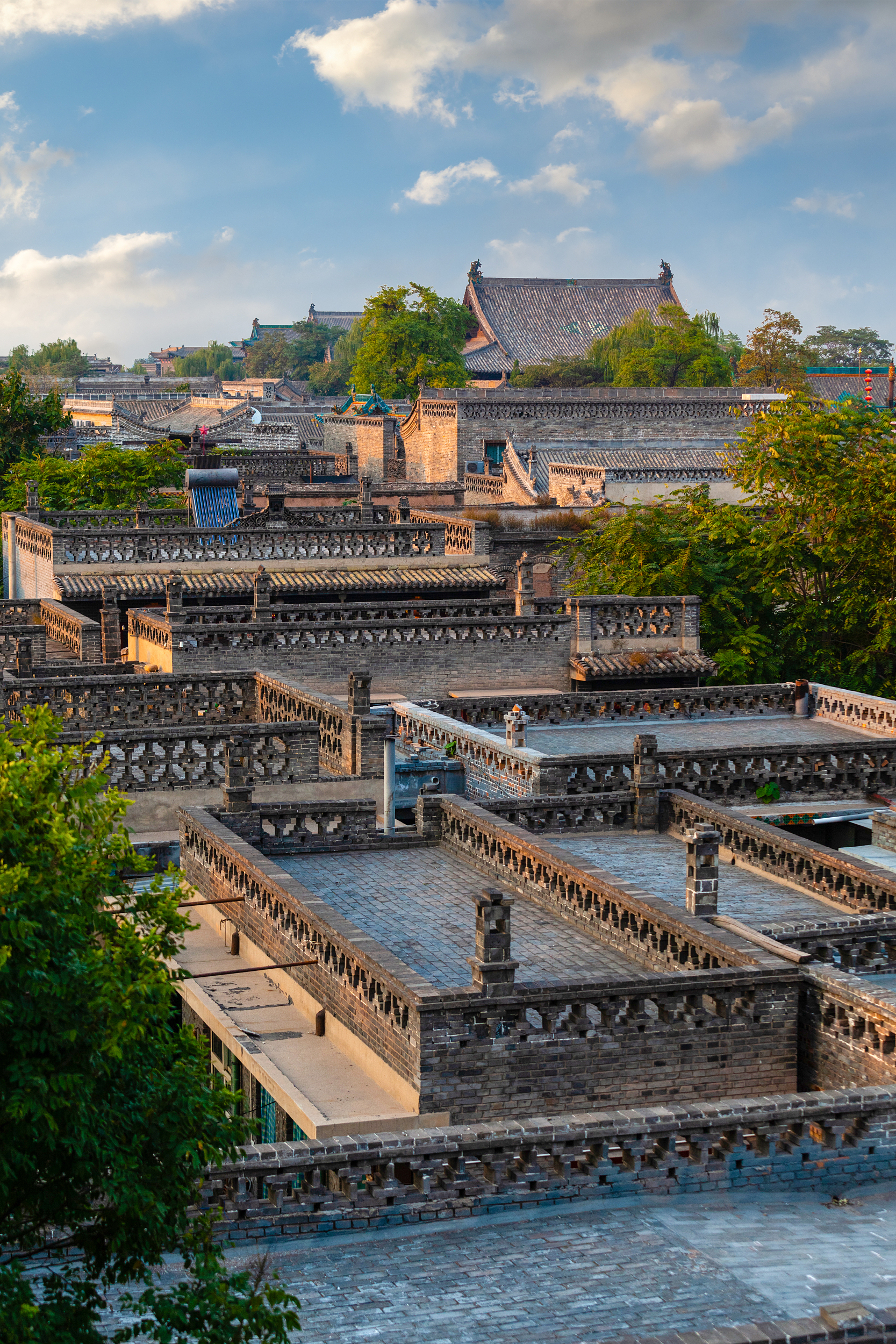
2026 Pingyao Travel Guide: must-see attractions, popular food, hotels, transport & travel experiences (updated in March)
964 posts

2026 Yan'an Travel Guide: must-see attractions, popular food, hotels, transport & travel experiences (updated in March)
277 posts

2026 Linfen Travel Guide: must-see attractions, popular food, hotels, transport & travel experiences (updated in March)
188 posts
- 1
- 2
- 3
- 4
- 9
Post
More recommendations
Popular Trip Moments
Yulin Borderland Scenery Family Trip | "The most dangerous temple on a cliff above the Yellow River." | Yulin Chiniugou Folk Culture Village Scenic Area Travel Guide | Who hasn't been to the cave dwellings of the Potala Palace in northern Shaanxi? It's truly amazing! | Ancient City Walking Tour Highlights | Finally, someone has figured out how to explore Shuozhou and other areas! | Reflecting on the Demise of the Xiongnu—Thoughts on Touring Tongwan City | Qingming Festival Trip to Yan'an - Yulin Spring Breeze and Loess Beauty to the Divine, Quick Save Guide | Layered rock formations, wave-like textures, geological wonder, uniquely distinctive | Shaanxi Wave Valley Travel Guide|Perfect for Those Without Any Concept | Winter Yulin New Year Vibes Check-in | Mizhi Yaodong Ancient City | Please visit Yan'an-Yulin during Qingming Festival - this trip is truly a great deal | Gully Danxia, Wave Patterns, Warm Red Tones, Changing Light and Shadow | Explore Shaanbei with Kids! Unlock Natural Wonders and Intangible Cultural Heritage | Shaanbei Family Secret Spot! Stunning Healing Natural Scenery | Yulin Mahuangliang Loess Geological Park Travel Guide | Shaanxi Jingbian Wave Valley: The "Fingerprint of the Earth" Through Billions of Years of Time | Flowing Rock Layers, Earth's Annual Rings | Geological Annual Rings and Rock Layer Waves | Loess Plateau Geological Theme Yangko | Shaanxi Lantern Festival Feast, Baoji Shehuo Intangible Cultural Heritage Celebration | Escape the crowds in Xi’an and discover the stunning hidden gems of northern Shaanxi | China's Only! Explore Mahuangliang Geological Park Where Loess and Desert Coexist | Living epic on the Loess Plateau, dancing the millennium-old intangible cultural heritage in cyberspace | Reverence for Heaven and Earth — Reflections on Traveling to Yulin Wave Valley | Nature's Gift—The Danxia Landform of Yulin Wave Valley | Yulin Wave Valley Scenic Area Travelogue | Century Glacier invites you to enjoy the winter wonderland together—Have you ever seen a billion-year-old | Shaanbei Family Trip|A Stunning Natural Exploration Journey Through the Danxia Landform
Popular Destinations
Santarem District Travel | Wroxham Travel | West Coast DC Travel | County Cork Travel | Sweetwater County Travel | Kasama Travel | Dauphin County Travel | Trento Travel | Felton Travel | Yangshan County Travel | Bear Lake County Travel | Scheibbs District Travel | Southern Travel | Twentynine Palms Travel | Haboro Travel | Region of Queens Travel | Magelang City Travel | Big Pine Key Travel | Keith Travel | Prior Lake Travel | Special Capital Region of Jakarta Travel | Tamba Travel | Cala d'Or Travel | Yarmouth Travel | Framingham Travel | Canmore Travel | Newport Travel
Recommended attractions at popular destinations
Popular Attractions in Bangkok | Popular Attractions in Manila | Popular Attractions in Tokyo | Popular Attractions in Taipei | Popular Attractions in Hong Kong | Popular Attractions in Seoul | Popular Attractions in Kuala Lumpur | Popular Attractions in Los Angeles | Popular Attractions in Shanghai | Popular Attractions in New York | Popular Attractions in Shenzhen | Popular Attractions in Osaka | Popular Attractions in Singapore | Popular Attractions in London | Popular Attractions in Guangzhou | Popular Attractions in San Francisco | Popular Attractions in Beijing | Popular Attractions in Macau | Popular Attractions in Bali | Popular Attractions in Jakarta | Popular Attractions in Paris | Popular Attractions in Ho Chi Minh City | Popular Attractions in Istanbul | Popular Attractions in Phuket | Popular Attractions in Chicago | Popular Attractions in Seattle | Popular Attractions in Toronto | Popular Attractions in Orlando | Popular Attractions in Cebu | Popular Attractions in Chiang Mai
Popular Restaurants in Yulin
海底捞火锅(榆星广场店) | 海底捞火锅(神木万众广场店) | 海底捞火锅(万达广场店) | 翻身作老北京铜锅涮肉(名苑小区店) | Pizza Hut (xinjian) | 王虎林猪排骨馆·非物质文化遗产品牌 | SI SHI PU LAO TIAN GU YANG ROU MIAN BAO NING LU DIAN | 老陕北农家特色炒菜羊肉面 | 汪茂元羊肉面·非遗老字号(曼哈顿总店) | 老字号·红碱淖炖鱼馆 | Yongchangguoji | 榆味拼三鲜(怀德路店) | 石油宾馆餐饮 | 红火吧音乐餐厅 | 魏家凉皮(柳营路店) | 莲花池酸奶(钟楼巷店) | Liangshiminjiawang | 必胜客(榆林万达店) | 山江城重庆老火锅 | 正月初一王巧琳扁食粉汤馆·非物质文化遗产品牌(紫薇店) | 馨和园饭店(人民路店) | 永红抿节(金沙路店) | WANG MAO YUAN YANG ROU MIAN | 四窑洞(巨丰·智慧城店) | 尽膳口福跷脚牛肉火锅(榆林店) | 波浪谷小杨农家乐 | Rongdaguoji Restaurant (canyinbu) | Junziju | 张二饸饹面馆 | 冯勇肉夹饼(二农贸店)
Popular Ranked Lists
Top 10 Best Things to Do in Rabat-Sale-Kenitra | Popular Premium Hotels in Puyang | Popular Luxury Hotels in Tianjin | Top 20 Must-Visit Restaurants in Bursa | Popular Premium Hotels in Itoman | Popular Best Things to Do in Ningming | Popular Best Things to Do in Allegheny County | Popular Best Things to Do in Capital Governorate | Popular Best Things to Do in Lao Cai Province | Popular Best Things to Do in Calabarzon | Top 50 Must-Visit Restaurants in Xuzhou | Top 50 Must-Visit Restaurants in Tongxiang | Top 50 Must-Visit Restaurants in Wuyuan | Popular Luxury Hotels in The Rocks | Popular Premium Hotels in Zunhua | Top 50 Must-Visit Restaurants in Toronto | Top 50 Must-Visit Restaurants in Hanoi | Top 50 Must-Visit Restaurants in Budapest | Top 50 Must-Visit Restaurants in Nan'ao | Popular Best Things to Do in Cambridge | Popular Premium Hotels in Nanyang | Popular Premium Hotels in Songming | Popular Premium Hotels in Huguan | Top 50 Must-Visit Restaurants in Manchester | Popular Best Things to Do in Corning | Popular Best Things to Do in DeKalb County | Popular Luxury Hotels in Millers Point | Popular Premium Hotels in Fengxin | Top 50 Must-Visit Restaurants in Taipei | Popular Luxury Hotels in Yiliang
About
Payment methods
Our partners
Copyright © 2025 Trip.com Travel Singapore Pte. Ltd. All rights reserved
Site Operator: Trip.com Travel Singapore Pte. Ltd. Travel License No. 02943
Site Operator: Trip.com Travel Singapore Pte. Ltd. Travel License No. 02943