2026 Moganshan National Park Travel Guide: must-see attractions, popular food, hotels, transport & travel experiences (updated in February)
Essential Travel Information for Moganshan National Park
Mogan Mountain (Moganshan), nestled in Deqing County, Zhejiang Province, is renowned for its lush and tranquil environment, making it one of the top summer retreats in the region. Moganshan Scenic Area is particularly famous for its extensive bamboo forests that stretch across the landscape. Natural wonders like springs, waterfalls, and the unique 'cloud sea' also attract many tourists. For activities, hiking through lush trails, exploring the architectural diversity, and enjoying the local cuisine are highly recommended.
Among the notable attractions are the well-preserved European-style villas, which now serve as historical reminders and accommodations for visitors, narrating stories of their former residents, from foreign missionaries to historical political figures. Moreover, the mountain brims with a rich and captivating history, including enchanting tales of Gan Jiang and Mo Ye, the ancient swordsmith couple, further enhancing its allure.
Moganshan National Park Today's weather
Clear 2-16℃

Latest Travel Trends in Moganshan National Park
All Trip Moments about Moganshan National Park | Travel Experiences
【New Hotel Opening】Moganshan Lv Wild Luxury Resort with Heated Pool
Moganshan Lv Wild Luxury Resort & Cliffside Hot Spring Hotel, a newly opened viral hotel in 2023, privately enjoys 3,000 acres of forest. This resort is located in an old industrial area on the mountainside of Moganshan, revitalizing rusted steel structures through design to create a spatial aesthetic that coexists with nature. The hotel features ten distinctive attractions, including treetop cabins, cliffside pools, heart-shaped pools, etc. Among them, the 33-meter-high suspended glass pool is the first of its kind in Asia and is extremely photogenic. The resort also offers premium facilities such as mountain off-road vehicles and lakeside barbecue bars. Whether hosting pool parties, private cocktail events, or experiencing activities like mountain golf and wilderness fishing, guests can fully enjoy the pleasures of wild luxury vacations. It has attracted numerous visitors to check in and has become a popular holiday destination in the Jiangsu-Zhejiang-Shanghai region.Tourism Innovation Awards8Moganshan! Private hot spring! So city.
Found the hotel of my life in Moganshan 🏨 As soon as I entered the room, I couldn't help but send a video to my parents. The whole environment is super cozy 🍃! 270° floor-to-ceiling windows with a view, and a huge mountain view 🌄 outside the window. You don't even need a filter to take photos. You can have afternoon tea ☕, chat, and do some crafts at the homestay's small bar. There are many room types, most of which have private hot springs. My favorite is the outdoor private hot spring on the top floor of the homestay ♨ with a high-altitude view overlooking a whole bamboo forest and mountain sea. There is also a fireplace and a tea room next to it. Enjoy the sunset in the distance in the evening. It's super romantic. I look forward to coming back here in winter to see the hot springs and starry sky 🌌Wyatt.Morris.677Mogan Mountain Ladies Getaway
#passionpassport #teacherventure Mogashan is the perfect getaway, to relax get out of the big city. Lots of guesthouses and hotels to choose from. The air is fresh and the peace and quiet is refreshing. The guesthouse owner was very hands on and from the moment we arrived he took care of us. Bringing us watermelon and cold water for a welcome snack, helping us with our bags. We could use the kitchen to make our meals and the swimming pool was clean. Anything we needed the owner gave us and more. Lovely stay in Mogashan will be returning.Carmie3Hotsprings with a view
🚗Getting There - It’s situated over an hour ⏰away from Huzhou city. You’d need a car to get there. You could also take a train🚊 from any other city to Deqing and a taxi from there. Make sure the driver drops you at the parking lot to avoid walking up a steep hill. 📍Address: Moganshan 莫干山蕨宿温泉美 🤩Attractions - Surrounded by mountains ⛰ and bamboo trees🎋 on a hill. Who wouldn’t love that? A hot spring tub is available for 180元 per session, which is an hour long. There is one room that has a built in hot tub in the room for exclusivity. There is a large swimming pool, which was drained out at the time of my visit due to the weather conditions. 🏨Hotels - This Villa has multiple rooms with mordern rustic interior design. 🍽🍛Food & Restaurants - There is a restaurant on site, but one has to order in advance. 🛍Shopping - There’s not much shopping to do around there except minor souvinirs. I’d like to believe people go there for retreats rather than shopping. Cost: Rooms from 800元per night 📷@gnett_l on Instagram #hotsprings #urbanexplorer #tripblazersJeanett83Moganshan Vacation
Moganshan is a perfect place for a quick getaway. Though there is no airport or train connection, you can easily get there by bus or taxi from either Hangzhou or Shanghai, though Hangzhou is much closer. Within the town there are plenty of places to stay. You won't find any big hotel chains, but that's the beauty of Moganshan. Every place here is unique. Yes, there are luxury hotels, but the best places to stay are the smaller hotels that only have a couple of rooms. You can even rent out the entire space. While you are there, you can get to the top of Moganshan by taking the shuttle bus. Personally, I would have enjoyed hiking up, but it's all along the roads plied with busses. Luckily, on my way down, I found a different path that cut through the bamboo forest.Imaniac35Snowy Moganshan
Mogan Mountain is a famous mountain in the northern part of Zhejiang Province. It is located 60km north of the provincial capital of Hangzhou City and is known as a summer resort and sightseeing spot. It is 720m above sea level, and it is said that during the Spring and Autumn Period, swordsmith Ganjiang of Wu and his wife Mo Ye forged swords in the mountains, which is where the mountain got its name. There are many springs, ponds, and waterfalls, as well as flower fields and bamboo forests. It is very beautiful in spring and summer, but snow-capped Mogan Mountain is even more beautiful. #trip2022Rainbow21MoganShan- Ultimate staycation!
Getting there- Take the fast train to Hangzhou, or change to Deqing station and from there hire a didi or taxi to take you on to your hotel. Attractions- MoganShan is known for its beautiful, lush green scenery. The best way to enjoy it is by relaxing outdoors or going on a hike in the surrounding area. We walked around Laolingcun scenic area, which provided beautiful views and had restaurants for lunch. Another option is ‘Discovery adventures’- if you are interested in high rope courses or rock climbing then this is a great activity Center to try some new things. Whilst we were there it was extremely quiet and peaceful, would recommend as a relaxing break from the city! #staycationExpatexplorer47Moganshan and it’s gorgeous reservoir’s 🌿
Getting There - You can take the high speed train to Hangzhou and from there take a taxi to Moganshan. Attractions - Many beautiful hiking trails. 🥾 Despite the doom and gloom of winter I wanted an escape from the City yet again. 🌧 I wanted to walk amounts the trees and wake up to Mountain View’s, Moganshan was the perfect little escape it’s not too far from Shanghai and it perfect for nature lovers like myself. 🏔 Along our hike we found many gorgeous reservoirs as blue as the sky, with the gorgeous mountains as a backdrop to bring it all together. 🛶 I’d suggest booking a hotel that’s in the mountains and not in the town area to get as much needed downtime as possible. 🏨 #naturalwonders #moganshan #hikingtrailsVivi Hole158R & R in Moganshan
I love playing around with the huji app for my photos. it gives photos a fun, retro aesthetic 📸 📸 I thoroughly enjoyed relaxing in this tub 🛀 and taking some much needed self care time. We need time to defuse, to contemplate. Just as in sleep our brains relax and give us dreams, so at some time in the day we need to disconnect, reconnect, and look around us. moganshan is definitely one place to defuse, clear your mind and take in all the beautiful, simple things nature has to offer. it was a convenient escape from Shanghai city life 🙌🏾 #scenicspotguide #bathtub #moganshan #relaxation #bikini #summervacation #travelchina #hotelviewThe_antihero9Moganshan - a paradise on Earth
If all you are looking for is a green scenery with fresh air, then Mogashan is the perfect place. this city has amazing trails for you to walk and enjoy the mountains, vegetation and beautiful bamboo forest. there are variety of hotel with great views. downtown is small and lovely with many coffee shops, souvenirs stores and Bars! in spring expect lots of flowers as you can see in my pictures. Totally recommended! #beautifulhotel#hikingtrails#hotelstayRafael Osorio43Moganshan: Great Trip Close to Shanghai
If you’re looking for a place to get away this summer, Moganshan is a few hours from Shanghai in Zhenjiang Province. The national park itself is quite lovely, but you can also find plenty of spots for hiking or enjoying the landscapes in the nearby villages and towns. #besttrip#urbanexplorerrwwishart33Moganshan Getaway
There are many places you can book in moganshan and getting away from the crowd can be tough. thankfully we found an amazing hidden family owned hotel in the bamboo mountains. Shan Po Shang Hot Spring Resort 🎋Bamboo forests right next to the hotel. Zhejiang university collaborated with the hotel for conservation projects and the owner will give you a tour to learn about bamboo 🥾Great hiking location. bamboo forests above and tea fields below. 🛁 Private hot tub in the mountain. With a private room to relax and shower afterwards. located outside with great places to take pictures. #uniquelodging #easylife #urbanexplorer #MaydayTrip #HappyLabordayJurajiva27Moganshan Bamboo Forest
Getting There - Take the high speed train from Shanghai to Deqing. Around 200 RMB for 2 pax Attractions - Moganshan National Bamboo Forest and other outdoor activities (hiking, temples) Hotels - Emerald Whisper Hotel or other boutique hotels in nature (can be expensive depending on if you want to stay on the mountain or not). Food & Restaurants - Mostly Chinese local food, Old Station Coffee shop The Mogan bamboo forest is 115 RMB per person and includes a shuttle from the ticket office up the mountain to the scenic point. You can also choose to take another mini bus to drop you at selected locations inside the park at an additional cost (or you can walk in the nature). There are many other tourist sites to visit within Zheijing province but it is recommended to use a car to go from place to place or Didi (depending on how long you stay there). #nationalparkRobyn19See Moganshan from another angle
💚In addition to the holiday villas in Moganshan, the scenery at the foot of the mountain is also excellent. 💚It is also a good choice to find a homestay at the foot of the mountain and spend a leisurely weekend with a group of friends. ❤️This time we accidentally found a helicopter pad in the lavender garden around the homestay. ❤️Surrounded by a vast sea of flowers and fields, it is simply the best place for drone photography! 🥰 Recommend friends who want to fly drones in Moganshan not to miss this great place! #HikingYouran.35Weekend ge
Weekend getaway to the mountains. A little rainy but still worth the trip. Great for an escape from the city (conveniently located between Hangzhou and Shanghai) #moganshan #mountainview_TS***733Hello Skyl
Hello Skyland: About 20km away from zhimagu hotel I stayed. The park is situated on top of the mountain with skii, slides, good mountain view, glass floor view decks, and multiple outdoor activities. Perfect for family or couple travels. #wintergetaway马龙 Marlon Sango5senbo prom
senbo promotional shoot turned in to family vacation! #holidayvacation#wintergetawayD44***074- _We***3835
Nature wit
Nature with a hint of adventure! This weekend we tackled Moganshan, the Hamptons of Shanghai. With multiple hiking trails, countless adventure parks and the friendliest people in China. you will truly feel like you have escaped china and moved to mansion central. Only an hour away from Shanghai, an hour away from Nanjing, it’s definitely a spot everyone should check out. #instagramworthydestinations #travelinspiration #weekendrecommendations #decembertravel #nature #givethankscoco_natzz15MOGAN SHAN
MOGAN SHAN- It is a mountain top tourist near hangzhou.One hour from Hangzhou. Mount Mogan is a mountain located in Deqing County, Zhejiang Province, China, 60 kilometers from the provincial capital Hangzhou and 200 km from Shanghai. It is part of the Moganshan National Park and at its base is the small town of Moganshan.I really loved the breath taking experiance as you can see in my pictures.Its an amazing place for romantic getaway.Just to spend your weekend away withyour loved one.Hiker4Moganshan,
Moganshan, Chairman Mao's place of residence Chairman Mao's place of stay is located at No. 126, Shangheng Road, Mogan Mountain Scenic Area. In 1934, he was newly established by Jiang Yie, Managing Director of Zhejiang Industrial Bank. In 1948, it was leased to the Xiqiao Hotel in Hangzhou. At that time, the beautiful brand cigarettes were popular. Because the beauty cigarettes were comparable to the Queen, the owner was named after the Queen. In March 1954, during the presiding of the first constitution of New China, Chairman Mao was accompanied by staff to visit Shangshan. He stayed here and was attracted by the natural beauty of Moganshan. He wrote a poem entitled "Seven Musts Moganshan". : "Turning back into the seven-person room, returning to the first peak into the Cang Cang. Forty-eight sets have passed, and Fengchi has already arrived at Qiantang." Since then, the Queen's Hotel has become famous and has become a must-see for tourists. There are exhibition rooms, historical materials, relics, etc.onenone.9Moganshan
Moganshan French Mountain Residence is a more distinctive B&B. The owner is a foreigner. The highest price is also the most expensive. There are swimming pools and family suites. The family room is attic. The whole decoration style is the French country style, giving a very pleasant feeling. There is also a wine cellar in the basement and lots of wine. Stayed for about 2,000 yuan a night.kaixincaicai.15Wear a che
Wear a cheongsam with a rich classical flavor and be a quaint mountain lover. Moganshan In addition to the scenic scenery, it is also favored by celebrities, and the human landscape is quite rich. How many literati have left poetry inscriptions here, and there are more than 200 celebrity villas hidden in the mountains and forests, and the beauty of Moganshan is integrated. These villas are different in form and have become another unique wonder of Moganshan. The whole mountain still preserves nearly 200 villas of different architectural styles, nestled in the shade of bamboo, elegant and quiet.Coco Wang.3Moganshan
Moganshan is one of the famous holiday resorts and a famous homestay. In the idea of returning to the original life, I chose the original Qingyuan. The owner of is a designer, but he didn't use too much design skills for the original house. Instead, he made a simple and simple way to make "no design" the ultimate. Entering the room is the wall of cement, simple tables and chairs. The owner of the homestay said: The Chinese countryside is unique in its beauty. It is transmitted from history and transmitted from the wilderness. The original is the original, meaning "exploration" in ancient Chinese. Using the attitude of inquiry, the origin of life is the revelation that the original house wants to bring to each visitor. The mission given by the original house is not only the homestay, but also the realization of the attitude of life, in a way back to the original. It brings people's mind and body from the city into a more simple and natural village, and between the pitches, it is the world. If you like small animals, then you will not be bored. In the original house, not only the cute dog, but also the cute comet, it will appear to you from time to time, reading books with you, drinking tea, and looking at each other. In fact, whether it is Wangshan or Yitian, the owner wants to convey the same thing and return to simple life.KRISTINA.5Traditional methods of cooking Moganshan rice cakes: the flavor of the New Year in the local smoky atmosphere
Combining the natural landscape of Moganshan with the rich folk custom of making New Year's cakes, I will focus on the scenes of wood-fired stoves, stone mortars, and neighborly cooperation, using gentle strokes to depict the flavor of the New Year hidden in the aroma of glutinous rice: In the twelfth lunar month, mist drifts over the bamboo forests of Moganshan, enveloping the mountain villages in a warm and comforting atmosphere of the New Year. At this time, wood-fired stoves are set up in the threshing grounds of each village, and neighbors gather around the stone mortars. The "thump-thump" sound of the mallet striking the mortar, along with the sweet aroma of glutinous rice, pierces through the morning mist—this is the New Year's ritual ingrained in the bones of the people of Moganshan—making New Year's cakes. The area around the stove is already bustling with activity. A wooden steamer is placed on a large iron pot. Washed glutinous rice and regular rice are mixed in proportion and spread evenly in the steamer. Firewood burns fiercely in the stove, the orange-red flames illuminating the faces of the farm women. Steam rose gently from the cracks in the wooden bucket, carrying the sweet aroma of grains throughout the village. In just half an hour, the glutinous rice was steamed until soft, sticky, and translucent. The moment the lid was lifted, a burst of white steam erupted, filling the entire threshing ground and drawing the attention of the children who stood on tiptoe to watch. Beside the stone mortar, the main event of pounding rice cakes officially began. Two strong men, each wielding a heavy wooden mallet, took turns pounding the cooked glutinous rice dough in the mortar. Each mallet struck with a deep, powerful thud, and when lifted, the rice dough was pulled up, forming glistening, sticky strands. A woman nearby, quick as a flash, used her water-dipped hands to rapidly turn the rice dough, ensuring even pressure. "One pound, sticky; two pound, chewy; three pound, the rice cake's aroma fills the table," the mallet rose and fell, the initially loose glutinous rice gradually becoming firm and chewy, its aroma growing increasingly rich, prompting the onlookers to frequently swallow. The pounded rice cakes were quickly pinched into evenly sized pieces, and villagers gathered around the worktable, each displaying their skills. Some kneaded them into round rice cake balls, others pressed them into thick rectangular strips, and some skillful women used molds to imprint patterns, or added red dates and red bean paste to create sweet and glutinous fancy rice cakes. Children held the freshly made, hot rice cakes, eagerly taking a bite. The soft, sweet flavor melted on their tongues, burning their tongues but unwilling to let go. Neighbors shared rice cakes, offering each other a bowl of sweet ones and a piece of plain ones, laughter echoing through the mountains, a warm and joyful atmosphere. Making rice cakes in Moganshan is a folk custom steeped in time, a testament to neighborly harmony, and an expression of anticipation for the new year. The aroma of firewood and rice, carrying the scent of the New Year, embodies the simplicity and warmth of the people living in these mountain villages. It allows every traveler returning home in winter to rediscover the purest nostalgia and the taste of reunion in the soft, sweet fragrance. The entire text revolves around the complete process of making New Year's cake, incorporating the natural backdrop of Moganshan and the warmth of neighborly relations, highlighting the sense of folk ritual and the intensity of the New Year's atmosphere. If you would like to add specific village scenes, strengthen details of parent-child interaction, or adjust the writing style to be more vivid, please let me know, and I will refine it further.NomadWanderlust1Moganshan Winter Adventure
❄️ "When Hot Spring Steam Meets Snowy Mountain Rime" ♨️ In the steaming hot spring pool, look up to see the snow-covered mountain peaks 🏔️, ice crystals on your eyelashes, but your body soaking warmly and comfortably~ This "fire and ice" joy, Moganshan delivers it fully! 💥 🌫️ "Rime Spectacle, a Fairyland in Reality!" Branches wrapped in fluffy ice flowers 🌸, snowflakes falling with the breeze, the whole mountain looks like it's been enchanted! 🧚♀️ Every snap is a blockbuster like Frozen 📸, a guaranteed like magnet on social media! 💫 🎿 "Winter-Only Activities, So Fun You Won't Want to Leave!" ✔️ After soaking in the hot spring, step on the snow in your bathrobe ❄️, the crunch underfoot is super stress-relieving~ ✔️ Take the cable car to the summit to watch the sea of clouds roll ☁️, as if touching cotton candy at the horizon! ✔️ Stay in a forest cabin 🏡, roast sweet potatoes by the fireplace 🍠, sip hot mulled wine 🍷, romance overload! 💌 "Tips" 🔸 Best time to see the rime: December to February (even more stunning after cold fronts!) 🔸 Must-bring gear: waterproof shoes, heat packs, waterproof phone pouch (for hot spring photos!) 🔸 Hidden gem: 6 AM sunrise over the snowy mountain 🌅, the pink-orange sky is breathtaking! 🎉 "This winter, you must visit Moganshan!" Here, even your breath tastes sweet with ice and snow ❄️, soak away all fatigue, leaving only joy in your heart~ 💖 👉🏻 Tap the location to start your winter fairy tale journey! 🚗💨 (Suggested images: rime forest / hot spring pool with snowy mountain view / cabin night scene / cable car in snow, decorated with snowflakes ❄️, stars ✨, hearts 💗, etc.)EmilyDonovan92Valley Wild Summit Campsite|Sunrise Theater
Summit camping sunrise chase plan successful! Waiting for a sunrise and sunset at the summit with good friends Camping at the summit at an altitude of 550 meters⛺️ From sunset dusk to the rising Milky Way🌄 To the first ray of morning light piercing through the sea of clouds, sharing the breathing rhythm with nature Every moment is so beautiful that you want to cherish it forever! - 🚗 Navigation allows direct access to the campsite, adjacent to Mogan Mountain, 1 hour drive from Hangzhou, 3 hours from Shanghai ⛰️ The summit offers a wide view, good air quality, complete water and electricity facilities, and 24-hour hot water showers 🦮 Pet-friendly, letting your furry friends run and play freely ⚠️ Small tips: You can check the weather and sunrise time in advance on a weather app The temperature difference at the summit is large, please keep warmBJP. Nat 2325It's the end of the month, where is good for New Year's Eve ahhhh
For sisters👭 who still don't know where to celebrate New Year's Eve, this article is enough 1️⃣ Shanghai Haichang Ocean Park I really recommend locking this place in! January 1st to 3rd: Intangible cultural heritage, fireworks, drama, ocean shows, all-in-one fun🔥 Spots already scouted, here’s the guide👇 🎆【Must-Visit Highlights】 ❶ Shanghai Intangible Cultural Heritage Bench Dragon Hundreds of people dragon dance weaving through the crowd, atmosphere is full, very festive! ❷ Eight Immortals Crossing the Sea Colorful Boat Show Immersive experience of "maritime intangible cultural heritage," perfect for photos! ❸ Fireworks and Drone Show (Jan 1–2) Watch fireworks + drone wish show at Antarctic Bridge, the first romantic moment of the new year ❹ Giant Puppet Magic Troupe Original cast parachuting in, mastering Oriental aesthetics! Every step is a scene, never boring 🐋【Ocean Star Shows】 ▪️ Orca Legend: The orca family leaps together, the whole audience goes wow~! ▪️ Dolphin Romance: Breaking waves and stunning stage effects, a feast for both eyes and ears ▪️ Sea Lion Haha Show: Can dance Latin! ▪️ Beluga Love: Underwater waltz 📍Location: Shanghai Haichang Ocean Park 📅Date: January 1st—3rd (some events start Dec 31) 🚇Transport: Metro Line 16, Lingang Avenue Station 💡Tips: ✅ Reserve your spot early for the fireworks show, Antarctic Bridge has the best view ✅ Wear comfortable shoes, you can’t finish walking in one day ✅ Bring a power bank, you won’t stop taking photos 2️⃣ Wuzhen · Waterside New Year Atmosphere 🏮 Ritual checklist: On New Year's morning, go to the water market for a warm cup of morning tea, watch the wooden boats drift by. In the afternoon, learn to make a blue printed fabric lantern on Xizha Old Street, and at night, be sure to take a gondola night tour~ 3️⃣ Moganshan · Mountain Retreat Healing ♨️ Relaxing daily life: Find a designer guesthouse with floor heating, wake up to mountain sunshine in the morning, hike in the bamboo forest in the afternoon, the air is sweet and fresh 4️⃣ Nanjing · Jinling Snow at Dusk ❄️ Winter exclusive romance: Go to Purple Mountain to see snow weighing down pine branches, the Stone Elephant Road at Ming Xiaoling Mausoleum is silent and picturesque. Walk under the old plane trees on Yihe Road, hoping for an unexpected snowfall 5️⃣ Anji · Cloud Grassland ✨ Starry sky and sunrise: Stay in a starry sky cabin on the mountain top, it’s cold at night but the stars are incredibly bright. Set your alarm, wait at the viewing platform for a sunrise piercing through the clouds, golden light shining on the snow, you’ll feel the new year truly sparkling. Bring the people you love and set off together for New Year's Eve~~ 2026, see you on the road!MysticSage1111

Popular Travel Topics in Moganshan National Park

2026 Recommended Guides in Moganshan National Park (Updated February)
194 posts
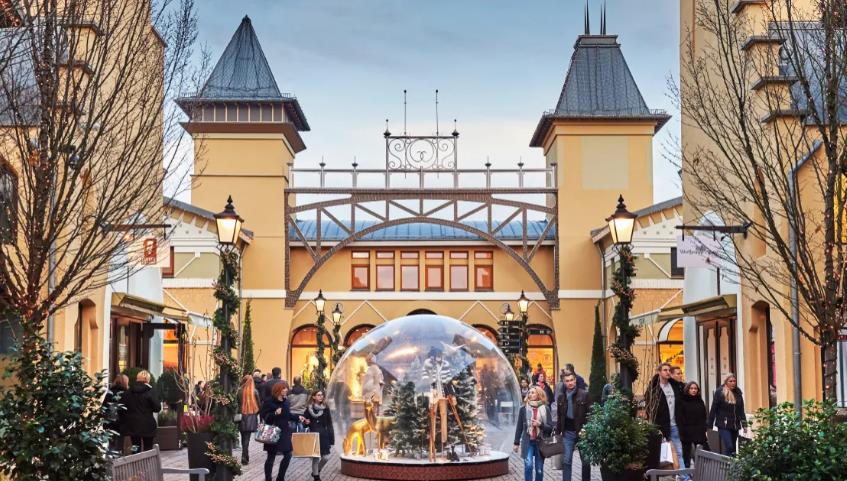
2026 Recommended Attraction in Moganshan National Park (Updated February)
186 posts
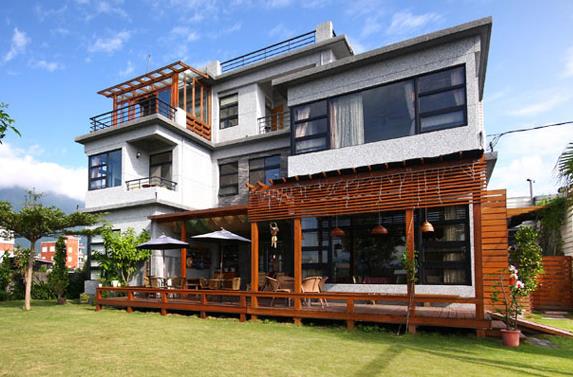
2026 Recommended Homestays in Moganshan National Park (Updated February)
60 posts

Popular Destinations Near Moganshan National Park
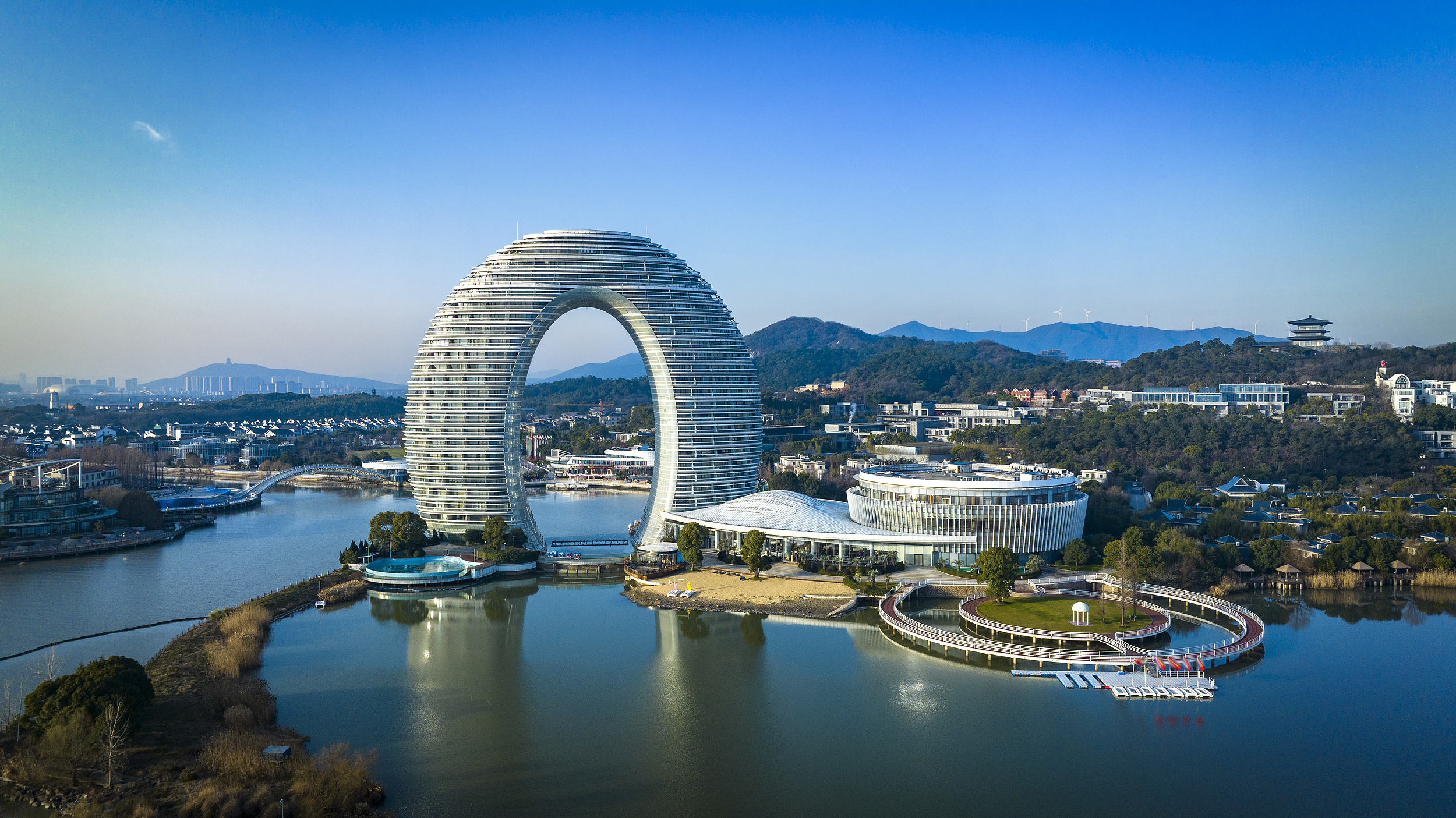
2026 Huzhou Travel Guide: must-see attractions, popular food, hotels, transport & travel experiences (updated in February)
2373 posts
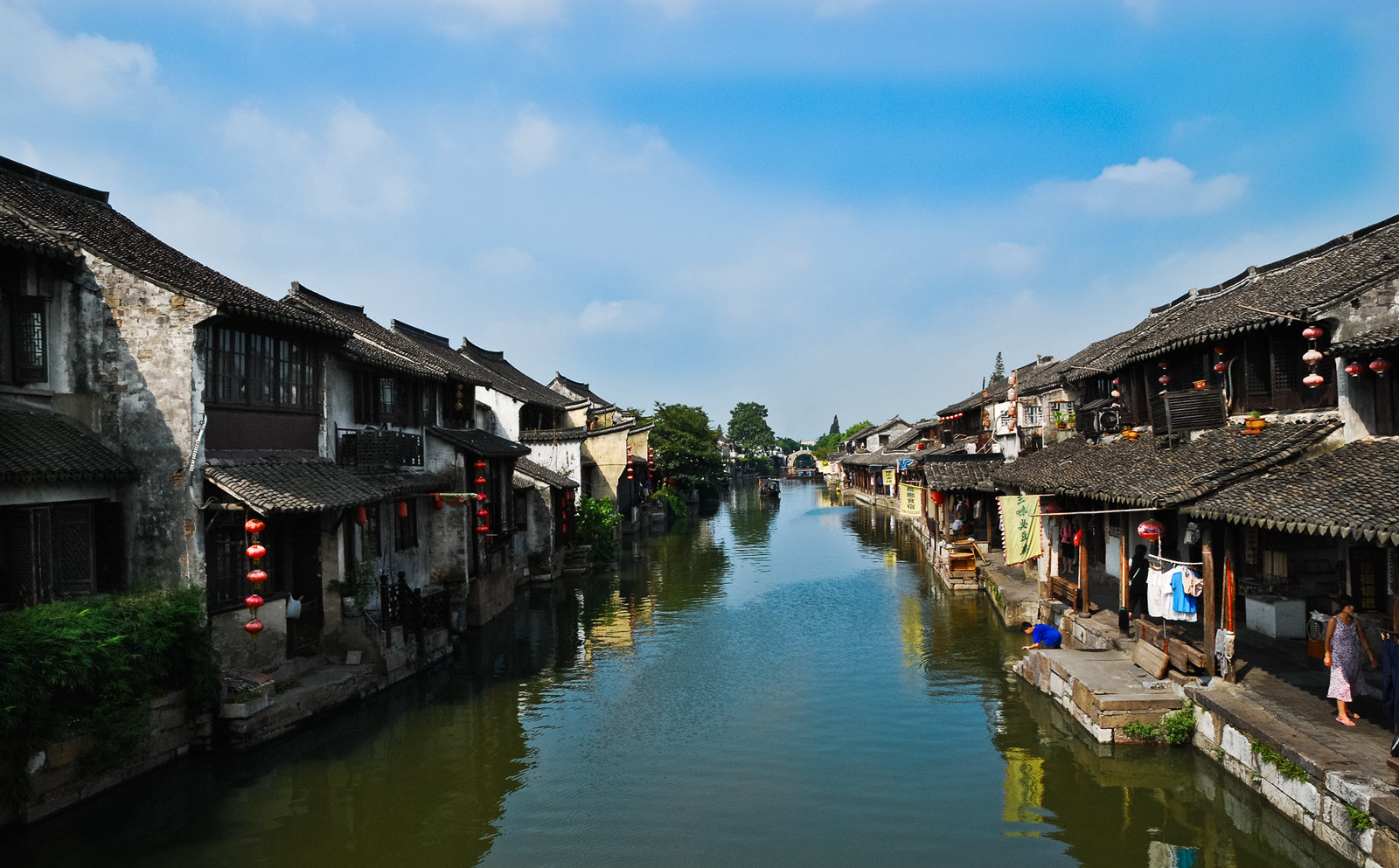
2026 Jiaxing Travel Guide: must-see attractions, popular food, hotels, transport & travel experiences (updated in February)
837 posts
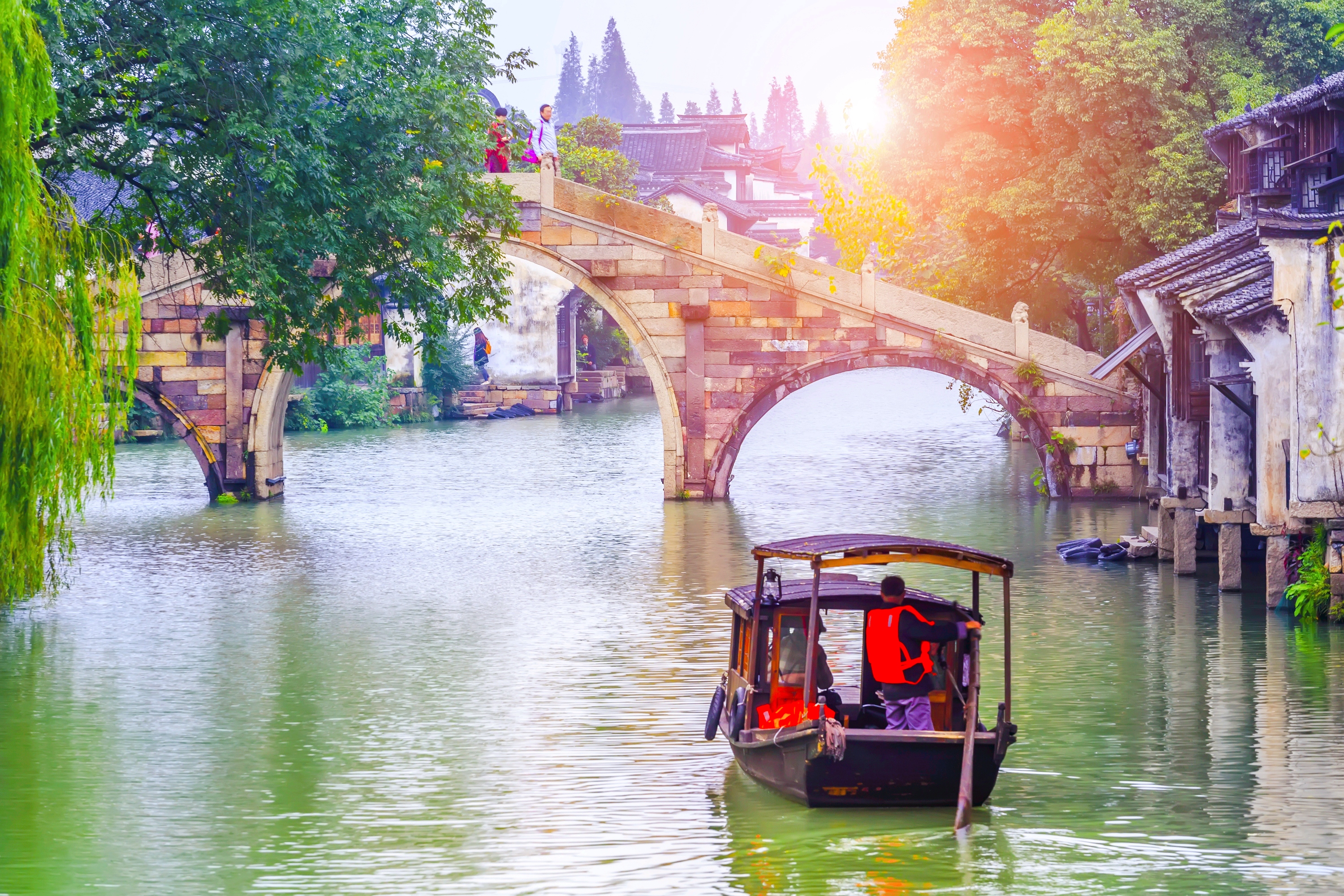
2026 Wuzhen Travel Guide: must-see attractions, popular food, hotels, transport & travel experiences (updated in February)
249 posts
- 1
- 2
- 3
- 4
- 13
Post
More recommendations
Popular Trip Moments
Nature Spa Retreat🛁 | Banyan Tree Anji: Experience a different kind of accommodation! | Each household has its own private hot spring, and you wake up to snow-capped mountains | I spent two days "soaking" in an artist's guesthouse halfway up the mountain. | Enjoy an art-themed reunion dinner on Yaoguang Island for the New Year. | The luxurious green resort nestled in the bamboo forest offers such a therapeutic experience of soaking in the baths while gazing at the mountains. | Hidden gem guesthouse in Anji | Fall in love at first sight with a heavenly guesthouse nestled in a bamboo forest! | [Lunar New Year Limited Edition Nanxun Travel Guide is Here!] | Wenzhou Amusement Park Guide | A Dopamine Kingdom Hidden in Jiangsu, Zhejiang and Shanghai: A Must-Visit During Chinese New Year | Anji Skiing | This B&B is so comfortable you won't want to leave while skiing with your kids. | Enjoy a fun-filled winter day with your kids at the Cloud Grassland in the Yangtze River Delta region! | A double journey to the tranquility of warm hot springs and the wonders of ice and snow. | Open your window to see the stars and fall asleep by the stream! This designer guesthouse in Anji is perfect for taking stunning Tyndall effect photos even with kids. | A one-day speedrun guide for the "Ice and Snow Dungeon" in Xianxia Town | The grassland above the clouds after the blizzard is as beautiful as a fairyland from a poem. | Year-end mountain retreat warmth | Embark on a family reunion deep in the bamboo forest | The tomb that Qin Shi Huang could not excavate is hidden in this hill in Suzhou. | Sleep in a mountain view villa amidst the sea of clouds at Moganshan Yunpo 1923 | [Nanxun Ancient Town, Huzhou, China] A beautiful water town accessible from Shanghai | Hiking in Yucun Village, Moganshan, Huzhou: A Forest-Style Ancient Trail with a Republican-Era Atmosphere - Super Healing | Castle Secret Realm Awaits the Wind | Winter's Tranquil Aesthetics! Living in a concrete jungle, experiencing the poetry of light and space. | Nestled deep in the bamboo forest, this old-style guesthouse in Anji has the warmth of winter etched into its very DNA. | Anji: A Winter Paradise for Gods! | Driving to Anji to spend the Spring Festival in the mountains, rediscovering long-lost memories of the festive atmosphere. | Anji Lunar New Year Accommodation Guide: Private Hot Springs Are Absolutely God-Tier! Relax and Enjoy the New Year in Perfect Style! | Just 1 hour from Hangzhou! A relaxing private hot spring resort nestled in the mountains of Anji. | This Spring Festival, the best theme park for family outings | Seeking the Charm of Suzhou: A Two-Day Essential Travel Guide | Tiefo Temple in Huzhou: Sending you a sprig of spring from Jiangnan | A one-stop shop for a relaxing weekend getaway in the Yangtze River Delta region – super chill!
Trending Travelogues
Popular Destinations
Wolverhampton Travel | Kashihara Travel | Auburn Travel | Pitlochry Travel | Sudoststeiermark Travel | Bear Lake County Travel | Scheibbs District Travel | Tunchang Travel | Homewood Travel | Larne Travel | Nord-Trondelag Travel | Buenos Aires Province Travel | Higashiokitama District Travel | Luang Namtha Travel | Bharatpur Travel | Ellenville Travel | South Andaman Travel | Minden-Lubbecke Travel | La Plata Travel | Boone County Travel | Gatineau Travel | Lushan Travel | Manukau Travel | Slagelse Travel | Kawagoe Travel | Sarzana Travel | Alfoz de Toro Travel | Palmerston North Travel | Wudi Travel
Recommended attractions at popular destinations
Popular Attractions in Bangkok | Popular Attractions in Manila | Popular Attractions in Tokyo | Popular Attractions in Taipei | Popular Attractions in Hong Kong | Popular Attractions in Seoul | Popular Attractions in Kuala Lumpur | Popular Attractions in Los Angeles | Popular Attractions in Shanghai | Popular Attractions in New York | Popular Attractions in Shenzhen | Popular Attractions in Osaka | Popular Attractions in Singapore | Popular Attractions in London | Popular Attractions in Guangzhou | Popular Attractions in San Francisco | Popular Attractions in Beijing | Popular Attractions in Macau | Popular Attractions in Bali | Popular Attractions in Jakarta | Popular Attractions in Paris | Popular Attractions in Ho Chi Minh City | Popular Attractions in Istanbul | Popular Attractions in Phuket | Popular Attractions in Chicago | Popular Attractions in Seattle | Popular Attractions in Toronto | Popular Attractions in Orlando | Popular Attractions in Cebu | Popular Attractions in Chiang Mai
Popular Restaurants in Huzhou
Sheraton Guangyilou Chinese Restaurant | Zhimagu·jingling Restaurant | BAI YUN | ALUJIA | SAFFRON | Senses Restaurant | YANLAIXUAN | shiguangmanyan | 趣野餐土菜馆·安吉民间味道 | 丁莲芳(衣裳街总店) | XIAO HUO ZI | ZHOU SHENG JI | A HUA FAN DIAN | 水榭居 | 湖州十里芳菲香积岭村落·宴·芳菲(十里芳菲湖州店) | 状元楼酒店(勤劳街店) | Man Ho Chinese Restaurant | 荻港渔庄 | 裸心谷·田舍 | 慧心谷·霞幕餐厅 | Junlan Anji Mountain Residence Resort Hotel·Ganqishi | 安吉听涧山川设计民宿·听涧私厨餐厅 | 莫干山云谷德信开元名都度假酒店·云谷餐厅 | JW KITCHEN | 御香农家菜(后坞集散中心店) | kikaboni | 湖州潞村悦柳酒店·悦青全日制餐厅 | HONGZUNFANG | JOIN MAMA | 安吉君澜度假酒店·桃源小馆
Popular Ranked Lists
Top 50 Must-Visit Restaurants in Zhengzhou | Top 10 Best Things to Do in Manila | Top 50 Best Things to Do in Melbourne | Popular Premium Hotels Near Rochester | Top 50 Must-Visit Restaurants in Chaozhou | Popular Best Things to Do in Addis Ababa | Top 20 Must-Visit Restaurants in Huizhou | Top 10 Best Things to Do in Vientiane | Popular Luxury Hotels Near Ambleside | Top 50 Must-Visit Restaurants in Nan'ao | Top 50 Best Things to Do in Amsterdam | Popular Best Things to Do in Zhijiang | Top 50 Luxury Hotels near Morris County | Top 50 Must-Visit Restaurants in Rome | Top 20 Luxury Hotels near Bethesda | Popular Best Things to Do in Incheon | Top 10 Luxury Hotels near York Regional Municipality | Top 50 Must-Visit Restaurants in Bruges | Top 10 Best Things to Do in Cebu | Popular Luxury Hotels Near Fredericksburg | Top 50 Luxury Hotels near Alba | Top 10 Best Things to Do in Johor Bahru | Top 50 Must-Visit Restaurants in Dalat | Top 50 Must-Visit Restaurants in Huzhou | Top 50 Must-Visit Restaurants in Auckland | Top 10 Best Things to Do in Glasgow | Top 50 Best Things to Do in Hanoi | Top 20 Must-Visit Restaurants in Tonglu | Top 20 Must-Visit Restaurants in Zibo | Top 50 Must-Visit Restaurants in Frankfurt
About
Payment methods
Our partners
Copyright © 2025 Trip.com Travel Singapore Pte. Ltd. All rights reserved
Site Operator: Trip.com Travel Singapore Pte. Ltd. Travel License No. 02943
Site Operator: Trip.com Travel Singapore Pte. Ltd. Travel License No. 02943