2026 Longling Travel Guide: must-see attractions, popular food, hotels, transport & travel experiences (updated in February)
Essential Travel Information for Longling
Longling Today's weather
Clear 3-19℃
All Trip Moments about Longling | Travel Experiences
Time-Space Journey on the Burma Road
Longling County, Baoshan City, Yunnan Province, is located in the southern section of the Hengduan Mountains in western Yunnan (24°27′N, 98°45′E). It is the only county in China that simultaneously hosts the "Western Yunnan Anti-Japanese War Site Group" and the "Gaoligong Mountain Fir-Long-cone Fir Vertical Forest Belt." Geographically, it sits at the intersection of the Nujiang Fault Zone and the Longling-Ruili Fault, with elevations ranging from 1100 to 3000 meters, forming a rare "triple time fold": 🔹 Surface layer: The well-preserved Longling section of the Burma Road (hand-chiseled stone road from 1938), with the roadbed embedded with mule hoofprints and artillery shell scratches from that era; 🔹 Forest layer: The cloud forest belt of the Gaoligong Mountain foothills, home to the densest population of giant rhododendrons (Rhododendron protistum var. giganteum) in China, with the largest trunk diameter of 3.3 meters and a flowering period of only 28 days; 🔹 Underground layer: The underground tunnel system of the Songshan Battle peak (1.2 kilometers long), with rock walls seeping natural sulfur particles, humidity consistently above 94%, nurturing unique glowing moss (Schistostega pennata) that emits a faint blue light in the dark, known by veterans as the "Songshan Fireflies." One-day light trip|Budget ¥393 (strictly under ¥400) Transportation|¥55 From Baoshan Bus Station, take the Longling special line (¥30), then charter a car to Lameng Town’s Songshan battlefield site (¥25/person, including guide + thermal imaging night vision experience) Admission|¥0 ✅ Songshan Anti-Japanese War Site is a national patriotic education base, free to enter (scan QR code to register as a "Western Yunnan Monument Guardian") ✅ Core experiences|¥332 Early morning "Stone Road Morning Light Class" (6:50–7:45): Walk along the 1938 Burma Road, use a laser rangefinder to scan the depth of mule hoofprints (average 2.7 cm), scan QR code to generate "My Western Yunnan Footprint Map" (including GPS heatmap and historical comparison) Morning "Rhododendron Mist Trail Class" (9:30–11:00): In Songshan Rhododendron Valley, measure giant rhododendron leaves with a portable chlorophyll meter (SPAD value 52.3), receive a "Rhododendron Breathing Handbook" (with AR scanning to observe flowering phenology predictions) Noon "Trench Cooking Class" (12:00–13:00): Inside the restored mother-child fort, enjoy "Burma Road Canned Meal"—charcoal-braised traditionally cured ham, pine needle roasted freshly picked wild mushrooms, mountain spring tea sweetened with rhododendron honey, and receive a "Songshan Taste Coordinate Card" Evening "Tunnel Firefly Moment" (16:55–17:25): Enter the main tunnel with a thermal imaging lamp, quietly observe the faint blue glow of the glowing moss in areas with humidity >94%, scan QR code to generate a "Songshan Night Light Spectrum Postcard" ✅ Total cost breakdown: Transportation ¥55 + Admission ¥0 + Experience dining ¥332 = ¥387 ✅ (¥13 reserved for emergencies) ✅ Essentials: Non-slip shoes (stone road is slippery), long-sleeve quick-dry clothing (tunnel is damp and cold), headlamp (essential for tunnel), thermos (two mountain spring drinking points), fully charged phone (AR scanning requires internet) ⚠️ Prohibited: Striking the stone roadbed, climbing ancient rhododendron trees, touching glowing moss in tunnels, discarding food scraps (which attracts squirrels and damages the site) Bonus: Every day at exactly 16:58, when the thermal imaging lamp scans the third water-seeping rock wall corner in the tunnel, the faint blue glow intensifies briefly due to sulfur crystal resonance, forming a 0.6-second "star trail halo," visible only in thermal imaging mode. When your fingertips touch the mule hoofprints on the stone road from 76 years ago, your nose brushes the mist condensed on rhododendron petals, and your lens freezes the 0.6-second star trail blue glow deep in the tunnel—this place does not rely on popularity to create scenery; it uses the road as history, the flowers as testimony, and the light as memory. By the Nujiang River’s verdant folds, time quietly echoes on every stone.Mitchell_Liam_701New Year's Day without the crowds! Tengchong Gaoligong Hiking + Cave Hot Springs Healing
Just returned from Tengchong, but my heart is still in that valley soaked in greenery. This 3-day, 2-night short trip unexpectedly became my most healing journey of the year—the Gaoligong forest feels like it has a built-in filter, soaking in the Shipiao wild hot springs washed away all my fatigue, and the wind on Songshan Mountain still echoes with the remnants of history. For those who haven't decided where to go for New Year's Day! This route is perfect for New Year's! Come and experience a truly "immersive" getaway~ 📅 Baoshan Tengchong 3 days 2 nights (1.1-1.3) with a photographer accompanying the whole trip D1: Baoshan Station → Heshun Ancient Town → Tengchong Specialty Hot Springs → Tengchong City D2: Tengchong → Gaoligong Mountain Wudao Creek Hiking → Longchuanjiang Ancient Bridge Group → Longling Old Pear Tree Hot Spring Hotel D3: Longling → Dian-Burma Road → Songshan Anti-Japanese War Site → Huitong Bridge → Shipiao Hot Springs → Baoshan Station 🌟 Why recommend this route? 🌿 Gaoligong Hiking: 5-6 kilometers with gentle slopes, ancient towering trees and continuous waterfalls and clear pools along the way, breathing in the fresh scent of plants. ♨️ Shipiao Hot Springs hidden in the valley, spring water seeps from the rock walls forming natural baths; soaking in the hot springs while listening to the stream instantly makes you forget all fatigue. 🛤️ Walking beside the trenches at the Songshan site and touching the old traces of the Dian-Burma Road, the shock is something you can never feel from books. 🏮 Heshun Ancient Town is not overly commercialized; elders sit in front of ancestral halls basking in the sun, water flows gently by the laundry pavilion, and time seems to move slowly here. 💡 Some practical tips 🌱 Clothing: Wear non-slip shoes for hiking, it’s cool in the forest, bring a jacket. Remember to bring your swimsuit and towel for the hot springs. 📸 Photography: The afternoon light in the forest is stunning! The hot springs are most photogenic when misty; it’s recommended to bring a waterproof bag for your phone. 🚌 Transportation: Ample time for gathering at Baoshan Station. If returning to Kunming, it’s recommended to book trains departing after 18:25.Luna_Moonhaven/81New Year's Day Baoshan Tengchong Off-the-Beaten-Path Guide: Forest + Wild Hot Springs + Ancient Town
Recently discovered a hidden gem for New Year's Day — Baoshan + Tengchong. Spend 3 days avoiding the crowds, gathering pristine forests, wild hot springs, ancient bridges, and old towns all in one trip. Even the wind carries a relaxed scent of pine! 🌟 Why must you rush to Baoshan Tengchong this New Year's Day? 🌲 Gaoligong Mountain Easy Hike A 6-kilometer walk along Wudao Stream is so refreshing! In the dense primeval forest, streams flow around moss-covered stones, waterfalls spray mist mixed with the scent of plants, and you might spot squirrels jumping between branches. The wild charm is fully alive. ♨️ The Ultimate Wild Hot Spring: Shipiao Hot Spring A natural cave hot spring hidden in the valley! Water drips from the cave ceiling like a shower. Soak in the 40°C carbonated spring, listen to pine waves mingling with the stream sounds, steam swirling around ancient trees — it’s a perfect blend of wilderness and fairy-like atmosphere. 🏯 Slow Time in Heshun Ancient Town Xu Xiake called it "the foremost town on the frontier." Ancient bridges circle old courtyards. Find a teahouse to bask in the afternoon sun, watch the cooking smoke drift lazily, and even time seems to slow down. 📜 The Weight of History at Songshan Ruins Touch the trenches and see the group sculptures in person. The Burma Road’s breeze carries the warmth of history, offering vivid memories more touching than any documentary. 🗺 Detailed Itinerary (3 days 2 nights for New Year's) Day 1⃣ (1.1) Meet at Baoshan Station → Eat local Baoshan cuisine → Stroll around Heshun Ancient Town → Soak in Tengchong’s special hot springs → Stay in Tengchong City Day 2⃣ (1.2) Easy hike at Gaoligong Mountain Wudao Stream → Explore Longchuanjiang Ancient Bridge Group → Stay at Longling Old Pear Tree Hot Spring Hotel Day 3⃣ (1.3) Burma Road → Songshan Anti-Japanese War Site → Huitong Bridge → Soak in Shipiao Wild Hot Spring → Return to Baoshan Station 🔺 Notes 1⃣ Wear non-slip shoes for hiking and bring some snacks for energy; 2⃣ Shipiao Hot Spring is a wild soak, remember to bring slippers and change of clothes; 3⃣ Keep quiet when visiting Songshan Ruins and respect history. ✨️ Random Thoughts Listen to the stream while soaking in hot springs, chase the wind while hiking, watch cooking smoke in the ancient town. No crowded crowds, only the green of the forest, the warmth of the hot springs, and even the breath smells of pine. If you don’t want to be in a crowd this winter, take a trip to Baoshan Tengchong. That kind of comforting ease can’t be felt in the city~Harris Daniel DanGaoligong Mountain—Nujiang Bingzhongluo In-Depth Trekking Guide: Exploring the Secret Corridor Where Humans and Gods Coexist
📍 Route Overview: Baoshan/Tengchong → Gaoligong Mountain → Nujiang First Bend → Bingzhongluo (approximately 300km in total) ⏰ Best Season: October to April (avoid rainy season; snow-capped mountains visible in December-January) 🚗 Transportation: Self-driving: Recommended 4WD SUV (Nujiang section has many cliffside mountain roads) Shuttle bus: Take Nujiang bus from Baoshan/Liuku to Gongshan, then transfer to local minivan 🗺️ 5 Days 4 Nights Highlight Itinerary Day 1: Wild Exploration of Gaoligong Mountain Morning: Baoshan Airport → Baihualing (2-hour drive) Afternoon: Hike Yin-Yang Valley Waterfall + Wild Hot Springs (light 5km) Overnight: Baihualing Lisu Ethnic Guesthouse (try lacquer oil chicken) Day 2: Crossing Stilwell Road All day: Old Street → Nanzhai Public House hike (15km / guide required) Evening: Drive to Liuku (3 hours), experience Dengeng Hot Springs Overnight: Liuku Town Day 3: Northbound Nujiang Gorge Morning: Liuku → Laomudeng (en route see Flying Rock, Tiger Leaping) Afternoon: Visit Laomudeng Church, view Crown Mountain from afar Overnight: Zhiziluo Memory City (abandoned 1980s county town) Day 4: Arrival at Bingzhongluo Morning: Laomudeng → Gongshan (3 hours), change vehicle to enter Bingzhongluo Afternoon: Hike Wuli Village Tea Horse Ancient Trail (3km cliffside ancient path) Overnight: Qiunatong Village Tibetan-style wooden house Day 5: Day of Human-God Coexistence Early morning: Watch sunrise at Shimen Pass (panoramic view of Nujiang First Bend) Morning: Chongding Church → Four Seasons Barrel Village Afternoon: Return trip or continue adventure to Dulong River 🌟 8 Must-Do Experiences Soak in Baihualing Wild Hot Springs: Bathe in sulfur springs in the primeval forest (villagers charge 10 RMB) Walk the Tea Horse Ancient Trail: Step on millennia-old horse hoof prints on cliffs (most dangerous section at Wuli Village) Check in at Abandoned County Town: Shoot a time capsule of the 1980s in Zhiziluo Visit the Hermit Church: Listen to Lisu hymns at Laomudeng Christian Church Wait for Sunrise at Shimen Pass: Nujiang First Bend in morning mist looks like a fairyland Stay in Qiunatong Wooden House: Drink butter tea by the hearth and stargaze Taste Nu Ethnic Hand-Grasped Rice: Stone slab pancakes + pipa pork, intangible cultural heritage delicacies Encounter Tattooed Women: The last living fossils in the Dulong River basin (requires fate) 🏡 Accommodation Guide Baihualing: Lao Houjia Inn (hearth-roasted tea + Lisu song and dance) Laomudeng: 150 Inn (best viewing platform next to the church) Bingzhongluo: Delamu Inn (panoramic room overlooking Nujiang First Bend) Qiunatong: A Bai’s Wooden House (authentic Tibetan-style experience) ⚠️ Practical Tips Border Pass: Bingzhongluo requires only ID card For Dulong River (Chawalong direction), apply at Gongshan Gear List: Must bring: Non-slip hiking shoes, windbreaker, power bank (some villages have limited electricity) Optional: Sleeping bag liner (for hygiene-conscious travelers) Cultural Taboos: Ask permission before photographing tattooed women No loud noise inside churches Road Condition Warning: Many rockfall areas on Nujiang section, avoid driving in rain Some high mountain passes may have snow after November 📸 Photography Secret Spots Nujiang First Bend: Shoot from halfway up Gongdang Sacred Mountain (telephoto lens needed) Wuli Village Morning Mist: 500 meters from Qiunatong towards Shimen Pass Zhiziluo Ruins: Credit union building with "1983" inscription Tea Horse Ancient Trail: Use cliffside mule caravan sculpture as foreground 🍜 Taste of Nujiang Lacquer Oil Chicken: Baihualing Lisu specialty (cooked with lacquer seed oil) Stone Slab Pancakes: Buckwheat cakes grilled on stone slabs in Laomudeng Nu ethnic style Pipa Pork: Whole pig dried meat cured by Tibetans in Bingzhongluo Butter Tea: Hand-beaten version by Tibetan mothers in Qiunatong "When the off-road vehicle bumps along the Nujiang cliff road, and Lisu hymns echo in the snow mountain church—this corridor linking wild Gaoligong and the land where humans and gods coexist hides a Shangri-La more real than 'Lost Horizon.'" Suitable for: Deep travelers / cultural photographers / hiking enthusiasts Budget reference: 1500-3000 RMB per person (including guide and car rental) Danger warning: Some sections have no signal; traveling in groups is recommendedisold_1830This is not a check-in spot; this is the Songshan Battle Site
The Songshan Battle Site is heavy with history, but every Chinese person should visit at least once. This is not a "photo-worthy" attraction, but a piece of history that requires quiet reflection. Before you come, I hope you can first understand the following— . Background of the Songshan Battle The Songshan Battle was the fiercest battle in the Western Yunnan and Northern Burma campaign. In 1944, the Chinese Expeditionary Force fought a bloody battle against the Japanese army here for 95 days, sacrificing more than 7,000 soldiers before finally capturing this hill. This was also the first time the Chinese army truly reclaimed lost territory during the War of Resistance against Japan. . Process of the Songshan Battle Songshan’s terrain was treacherous, and the Japanese built dense fortifications, known as the "Eastern Maginot Line." The Expeditionary Force launched ten major offensives, using explosives, tunnel warfare, flamethrowers... inching their way through this tough stronghold. The most shocking fact is that many soldiers were still "child soldiers," the youngest only 9 years old, who also charged on this land. . Most people only visit the Expeditionary Force sculpture group, but the real site is on the mountain. The entire main peak is a battlefield relic! If you have time, you can hike up the trail: - War trenches and communication trenches left from the battle - Dense shell craters and blast pits - Underground shelters and machine gun bunker ruins …... ⚠️ Visiting Tips 1️⃣ Please keep quiet; countless heroic spirits rest here 2️⃣ Wear good walking shoes; the site requires hiking 3️⃣ If bringing children, please hire a guide 4️⃣ Bring some candy for the child soldiers . 🌲【Final Thoughts】 Standing on this former battlefield, you can feel the weight of history. Songshan is not a check-in spot but a silent history lesson. May we remember them, not just take a photo and leave. "The land remains safe because someone once sacrificed for it."THEO ROGERSLongling Qishui Hotel: Stay in an oxygen bar!
🏠Name: Longling Qishuiyuanlou Hotel 📍Location: Banglazhang Hot Spring Health Resort Area, Longling County, Baoshan City, Yunnan Province Wow, the Longling Qishuiyuanlou Hotel near Banglazhang Hot Spring is amazing! 🌸Natural oxygen bar 🌸Radon-fluoride hot spring. The hotel's mountain view rooms have fantastic views; every time I finish soaking in the hot spring, I can see beautiful mountain scenery. I absolutely love staying here and will definitely come back again! 🛀Stay Experience: 🌸️The lobby design makes you feel right at home as soon as you enter. 🌸️The bed in the room is incredibly large; lying down on it instantly makes you feel relaxed. 🌸️What surprised me most was the hotel's private hot spring; the water temperature was just right, and soaking in it made me feel warm and cozy. 🌸️The staff were also very friendly and responded promptly to any needs. 🌟Hot Spring Experience: 🌟The hotel's "Qishuiyuan Pool" was truly the highlight of my trip. Not only was the water crystal clear, but my skin felt incredibly smooth and refreshed after soaking. 🌟The indoor hot spring pools were beautifully designed with soft lighting and soothing music, perfect for relaxation. 🌟There were also several steam beds; lying on them, you could feel the warm soothing heat, which was especially effective in relieving travel fatigue. ✅Location: 📍The hotel is located within the Banglazhang Hot Spring Health Resort Area, surrounded by lush forests, making the air exceptionally fresh. 📍It's conveniently located near Longling Bus Station and Dehong Mangshi Airport. 📍If you're interested in history, the nearby Longling Anti-Japanese War Memorial Hall is also worth a visit. 💡Check-in Tips: 💡It's recommended to book in advance, especially during holidays, as the hotel may be fully booked. 💡You can try booking a massage service at the hotel for a truly relaxing hot spring experience. 💡Bring comfortable clothing so you can move around freely within the hotel and enjoy more leisure time.MathiasPedersenYunnan Hot Spring
_TI***6y[Crossing the Hengduan Mountains in 3 Days! I Found the "Mantle Band-Aid" Lava Scar]
(Stay at a volcano monitoring station, grill on lava stone plates + hike through the Permian extinction layer, so obscure even geology textbooks would drop their jaws!) While tourists crowd the hot springs in Tengchong, I ventured into the volcanic fold belt in Longling County, Yunnan— Near the "Little Black Mountain Volcanic Group," I found exposed basaltic lava flows (search "Longling Volcanic Geoheritage" on Gaode Maps). Researcher Old Wu tossed me heat-resistant gloves: "Wear three layers! These rocks are the scab from Earth's Permian hemorrhage—rub them bare and you'll trigger PTSD in the mantle layer..." This guide is for time-space forensic scientists who want to run wild on Earth's scars. 🌋 Day1: Check into the "Magma ICU" 📍 Location: Little Black Mountain, Longling County, Baoshan City, Yunnan Province (navigate to "Longling Volcano Monitoring Station") ⏰ Time: 12:00-18:00 🚗 Transportation: Baoshan→Longling: Intercity bus 2h (35 yuan) Longling Bus Station→Monitoring Station: Rural bus 1h (10 yuan, daily departures at 9:00/15:00) 📌 Hardcore Experiences ▪️ Stone Plate Grilling: Cook highland yak meat on volcanic rock plates. Old Wu sprinkles sulfur crystals: "When the fat sizzles, Pangea was just splitting into seven continents!" ▪️ Overnight at the Monitoring Station: Sleep on folding beds next to geomagnetic instruments (80 yuan per person). At dawn, the instruments suddenly beep like the Earth's core sending Morse code. Old Wu smirks: "Don't roll more than 5cm—you'll interfere with Earth's ECG!" 📸 Photo Hotspots: ① Capture silhouettes when sunset turns the lava flow rust-red ② Snap the honeycomb patterns of basalt columnar joints 🔥 Day2: Unlock the Extinction Code 📍 Route: Monitoring Station→Volcanic Crater Lake→Permian Stratum Cross-section (coordinates 24.7021°N, 98.8635°E) ⏰ Time: 7:00-17:00 🚶 Hiking: 6km volcanic scoria trail (high-top heat-resistant boots required) Cross 3 sulfur steam zones, highest surface temperature 65°C 📌 Secret Operations ▪️ Ash Hunter: Use magnets to collect iron particles from volcanic ash. Old Wu warns: "The metallic-looking ones might be ancient creature remains—bottle them and you'll trigger fossil protection law alerts!" ▪️ Hell Picnic: Bake potatoes using geothermal heat, paired with volcanic salt soda water. The roasted aroma mixed with sulfur hits your crown chakra. 🌋 Day3: Extreme Earth Core Mission 📍 Location: Huangcaoba Mud Spring Group (coordinates 24.6853°N, 98.8792°E) ⏰ Time: 5:30-10:00 📌 Exclusive Experiences ▪️ Boiling Mud Mask: Apply gray boiling mud to your face. Old Wu explains: "This clay seals in microorganism remains from 300 million years ago—after application, your pores will shrink to nano-level!" ▪️ Magma Testament: Bury an apology letter to the mantle layer in the volcanic bomb deposit area. Old Wu stamps it: "It'll melt into a magma love letter during the 2124 eruption!" 💰 Budget Warning ▪️ Transportation: Bus 70 + Public transit 20 ≈ 90 yuan ▪️ Food & Accommodation: Monitoring station 160 + Self-prepared food 120 ≈ 280 yuan ▪️ Experience: Heat-resistant equipment rental 100 yuan ▪️ 470 yuan per person for your Earth's core access pass ⚠️ Volcano Survival Rules 1️⃣ Wear gas masks in sulfur steam zones—in 2023, a traveler was fumigated into a "human-shaped rotten egg" 2️⃣ Volcanic scoria trails are sharp as blades; secure pant cuffs to prevent cuts 3️⃣ Don't throw coins into boiling mud springs for wishes! In 2022, a tourist triggered a spring to boil over and splash Next Episode Preview: "5 Hours in the Greater Khingan Range! I Found the 'Cambrian USB Drive' Permafrost Data Layer"— Stay in an abandoned radar station decoding frozen microorganisms, hike to find ancient climate code. Scientists warn: "Don't breathe on the permafrost—you'll activate Siberia's ancient WiFi password..."MOSES SUTTONWelcome to Baoshan, Yunnan!
### Travel Guide to Baoshan, Yunnan **I. Overview of Baoshan** - **Location**: Western Yunnan, bordering Dali, Lincang, Dehong, and Myanmar. - **Climate**: Subtropical monsoon climate with mild seasons year-round, average annual temperature around 16°C. Best time to visit is **October to April** (dry season with more sunny days). May to September is the rainy season with lush vegetation but prepare for rain. - **Cultural Features**: A cultural center of western Yunnan, home to multiple ethnic groups (Han, Dai, Yi, etc.), rich in historical heritage. --- **II. Must-Visit Attractions** 1. **Gaoligong Mountain National Nature Reserve** - **Highlights**: UNESCO Biosphere Reserve, "Gene Pool of Species," paradise for hikers. - **Activities**: Bird watching at Baihua Ridge (best from November to March), hiking through pristine forests, enjoying wild hot springs (like Yinyang Valley Hot Springs). - **Tips**: Guide required, light hiking gear essential. 2. **Heshun Ancient Town (Tengchong)** - **Highlights**: 600-year-old overseas Chinese town featuring Ming-Qing architecture, library, and caravan culture. - **Must-Visit**: Heshun Library, Ai Siqi Former Residence, Wanlou Residential Museum. - **Experience**: Morning walks through rice fields, sunset views over the ancient town. 3. **Tengchong Volcano and Geothermal National Geopark** - **Volcano Group**: Hike to the crater of Daxiao Kongshan, hot air balloon panoramic views (best in early morning). - **Hot Sea Scenic Area**: Geothermal wonders, boil eggs in the Big Pot, hot springs (recommended: "Bath Valley" or "Beauty Pool"). 4. **Beihai Wetland** - **Features**: Highland volcanic barrier lake wetland, iris flowers in April-May, golden grassland in September-October. - **Activities**: Grass raft riding, bird watching, wetland boardwalk photography. 5. **War Relics** - **National Cemetery**: Western Yunnan Anti-Japanese War Memorial, historical commemoration. - **Songshan Battle Site**: Trenches and monuments, ideal for history enthusiasts. 6. **Other Recommendations** - **Shanzhou Forest Farm** (Shidian): Origin of Yang Shanzhou's story, ecological education base. - **Pear Blossom Valley** (Longyang District): Qing Dynasty Zen temple, snow-like pear blossoms in spring. - **Banglazhuang Hot Springs** (Longling): Health resort with various mineral hot spring pools. --- **III. Food Recommendations** - **Da Jiujia**: Tengchong's signature dish, stir-fried rice cakes with sour soup, reportedly named by Emperor Yongli of Ming Dynasty. - **Huopiao Beef**: Cooked in copper ladles, spicy and fragrant, must try at "Yongchang Huopiao" restaurant. - **Xi Doufen**: Popular breakfast choice, served with fried dough sticks or rice cakes, smooth texture. - **Tanzi Chicken**: Marinated in secret sauce, tender meat and soft bones, authentic at Heshun Ancient Town street stalls. - **Stir-fried Pork with Palm Leaves**: Bitter with sweet aftertaste, Dai ethnicJameson Brennan52📍LongLing
#favouriteitinerary 🐉 龙陵 | Yunnan’s Hidden Gem Nestled in the mountains of Yunnan, Longling (龙陵) is a peaceful county known for its lush landscapes, rich history, and famous Huping Amber (虎丙琥珀). Whether you're a nature lover, history enthusiast, or just looking for a quiet retreat, Longling offers a unique slice of southwest China. 🌿🏯 Top Things to Do: Longling Hot Springs (龙陵热海) ♨️— Relax in natural geothermal pools, known for their mineral-rich healing waters. Huping Amber Market (虎丙琥珀市场) 💎— Explore one of China’s best sources of high-quality amber, with centuries of history. Songshan Battlefield (松山战役遗址) 🏹— Visit the historical site where a crucial WWII battle between Chinese and Japanese forces took place. Baihualing Nature Reserve (百花岭自然保护区) 🦜— A paradise for birdwatchers and hikers, filled with rare wildlife and vibrant forests. Mangbang Ancient Village (芒棒古村落) 🏡— Step back in time in this well-preserved traditional village with old architecture and local customs. A hidden treasure in Yunnan, Longling is perfect for those seeking history, nature, and relaxation off the beaten path. 🌄✨ #china #travel #longlingLanceLeeCheck out the hidden gems of Longling!
Your comprehensive guide to Longling County: nature, history, and unique experiences. I. Must-See Attractions Songshan Battlefield Site Highlights: The main battlefield of the western Yunnan Anti-Japanese War. The Songshan Battle Monument commemorates the fierce battle between the Chinese Expeditionary Force and the Japanese army in 1944, a classic mountain warfare case study at West Point. Explore the trenches and bunkers, and experience the weight of history. Suggested visit time: Allow 2–3 hours. A guided tour or background information will enhance your understanding. Banglazhang Hot Springs Resort Features: Over 600 natural hot springs with water temperatures reaching 104°C. The spring water contains 23 minerals, beneficial for rheumatism, skin diseases, and more. Known as "Earth's Acupoints" due to the "color-changing hot springs" caused by crustal activity. Tips: Hot springs access requires a separate fee. Avoid entering on an empty stomach or after drinking alcohol. Limit each soak to 15 minutes or less. Remove metal accessories. Nature and Cultural Sites Banshan Lake, Shimen Canyon: Scenic landscapes and geological wonders, ideal for hiking and photography. Longling Sanjiangkou Ancient City, Old Street: Well-preserved ancient architecture offers a glimpse into local history, culture, and traditional crafts. II. Unique Experiences Team Building and Outdoor Activities Longling County offers established team-building venues with activities like field training and team meetings, suitable for corporate and group events. Hot Spring Therapy and Relaxation Banglazhang Hot Springs Resort's ecological baths and therapeutic programs are perfect for relaxation and rejuvenation. Historical and Educational Tours The Songshan Battle Site Park's monument and memorial hall are ideal for patriotic education and historical study. III. Food Recommendations Hani Sour Meat Noodles: A sour and spicy appetizer, a classic dish of the local ethnic minority. Baoshan Spring Rolls, Xiacun Bean Curd: Local snacks with unique flavors, available in the old streets or markets. Huanglong Jade Themed Feast: A special dining experience incorporating the local Huanglong jade culture. IV. Travel Tips Best Time to Visit: November to February for mild weather, ideal for hot springs and outdoor activities. Transportation: Buses from Longling County town to Banglazhang Hot Springs (approx. 12 km). Songshan Battlefield Site requires self-drive or chartered vehicle. Shopping: Recommended souvenirs include Huanglong jade carvings, Dendrobium officinale, and small-grain coffee. V. Itinerary Suggestions One-Day Tour: Songshan Battlefield Site (morning) → Sanjiangkou Ancient City (lunch + cultural experience) → Banglazhang Hot Springs (afternoon to evening). In-Depth Tour: Add hiking at Banshan Lake, exploring Shimen Canyon, or participating in local team-building activities. With this guide, you can fully appreciate Longling County's natural beauty, historical significance, and cultural charm. For more details, refer to travel guides on platforms like TripAdvisor and Sohu Travel.Gray Amelia#56Click now! Discover hidden gems in Longling County.
Explore Longling: A Symphony of Time and Nature Stepping into Longling is like opening an ancient book, where every scene is engraved with the past, and every line tells a story of time. The first stop is the site of the Battle of Mount Song, a historical monument that instantly captivated me. The bomb craters and trenches silently narrate the history of bloody battles, and the bravery of the martyrs feels so real, making me deeply appreciate the value of peace. Leaving the site, I embraced the Longling Xiaoheishan Provincial Nature Reserve. Stepping into it, the fresh scent of vegetation filled the air. The primeval forest shaded the sky, tree ferns swayed gently, and wildflowers bloomed in profusion, like a green wonderland forgotten by time. As night fell, I immersed myself in Longling's hot springs. The warm water enveloped my body, while above me, stars twinkled. With the sound of wind and gushing springs in my ears, my physical and mental fatigue quietly dissipated, and the hustle and bustle of the world faded away. Longling, with its rich history and stunning nature, captivates the heart with every encounter. This journey, a dialogue with history and an embrace of nature, has left me longing for my next visit.CHARLIE SHAWBattle of Songshan Site
The Japanese carefully planned the Battle of Songshan and dug many underground trenches of various sizes, including a main trench that was three stories high. Moreover, the high terrain made it difficult for the expeditionary force to break through, resulting in countless heroic sacrifices! The Japanese people's vile behavior of loving aggression has made them despised by countries all over the world! Having said that, people do not actually want to see wars. It is ultimately a political issue of the leaders. We should all advocate peace and eliminate the bad habits of invading and harming innocent people!叶明姿1Baoshan-Dehong 7-Day Tour | A Super Detailed Guide to Help You Explore Both Places
Dear travelers, here is a practical 7-day Baoshan-Dehong travel guide for you. It contains must-see attractions and must-do activities. This is a guide for the pros, so don't miss out! Get on board, let's go! -- 🌈Itinerary: Day 1: Chongqing—Mangshi Depart from Chongqing and head to our destination—mysterious Mangshi. Day 2: Mengbanaxi Rare Park—Menghuan Golden Pagoda The world's unique beauty is gathered in Mengbanaxi Rare Park, and the Menghuan Golden Pagoda is full of Buddhist light. Day 3: One Village, Two Countries—Songshan Anti-Japanese War Site—Longjiang Bridge Experience the unique culture of One Village, Two Countries, look back at the Songshan Anti-Japanese War Site, and walk on the majestic Longjiang Bridge. Day 4: Tengchong Aihui Theme Park—Heshun Ancient Town—Ginkgo Village Feel the colors of the world in Tengchong Aihui Theme Park, listen to the stories of the ancient town in Heshun Ancient Town, and enjoy the peace of time in Ginkgo Village. Day 5: Beihai Wetland—Tengchong Rehai Scenic Area Breathe the fresh air of Beihai Wetland and explore the beautiful nature of Tengchong Rehai Scenic Area. Day 6: Volcano Geothermal National Geological Park—Laifengshan National Forest Park Talk to the wonders of nature in Volcano Geothermal National Geological Park, then take a walk in Laifengshan National Forest Park and bring the tranquility of the mountains and rivers with you. Day 7: Mangshi—Chongqing End the busy and fulfilling journey in Mangshi and return to Chongqing in a good mood. -- Some tips: 1. 🎎Customs: Baoshan has a rich ethnic culture, but folk activities are mostly held during holidays, so plan ahead~😊 2. 📸Photo spots: Fuxian Lake and South China Botanical Garden are recommended, and the ancient city of Baoshan is also a good choice👌 3. 🌤January climate: January is the dry season in Baoshan, with sunny weather and a large temperature difference between day and night, so remember to bring more clothes to keep warm~🧣🧤 4. 🍽Food: Baoshan's stone-grilled meat and walnut crisps are must-try specialties, so foodies, get ready~🍖🍪 5. 🚚Transportation: The transportation in Baoshan is convenient, so keep an eye on the bus routes and you can travel around the city easily~🚍 6. 🧳Luggage: Bring sunscreen and a straw hat, as your skin needs protection from the sun~🎩👒 7. 🛍Shopping: Tea and copperware are special souvenirs of Baoshan and Kunming, so don't forget to buy some as souvenirs~🎁 8. 💊Medicine: The plateau climate is changeable, so take care of yourself and bring some medicine~💊 9. 🏨Accommodation: Choose the right accommodation and book early for a better experience~🏨🛌 -- The meaning of travel is to discover beauty, preserve beauty, and share beauty. I hope my guide can help you enjoy your trip to Baoshan-Dehong~😊S@ph1r3_W1tchBaoshan Songshan Anti-Japanese War Site
Baoshan Songshan Anti-Japanese War Site is a monument that bears the weight of history and the spirit of heroism. Songshan Battle History The Songshan Battle in 1944 was a key battle in the War of Resistance Against Japanese Aggression. The Japanese army held this area and built strong fortifications. The Chinese Expeditionary Force fought fiercely with the Japanese army to recover this strategic area. The soldiers, fearless of the enemy, charged through the hail of bullets and shells, and with their tenacious will and great sacrifice, finally won the victory, opening a breakthrough for the counterattack in western Yunnan, demonstrating the indomitable spirit of the Chinese army and people in the War of Resistance. The sculptures are even more impressive. Each sculpture is vivid, depicting the heroic posture of the soldiers. Some soldiers hold their rifles tightly, staring firmly ahead, as if ready to fight at any time; some soldiers are seriously injured but still stand strong, showing their indomitable will; and some soldiers support each other, showing their deep friendship. These sculptures are full of emotion, making us feel the warmth of that history and the selfless dedication of the soldiers who sacrificed their lives for the country and the nation. They are witnesses of history and symbols of our national spirit, inspiring us to remember history, cherish peace, and inherit and carry forward the great spirit of our ancestors. Standing on this land, we feel a deep respect for our ancestors, and their heroic deeds will always be engraved in our hearts._33_1992_Jason9.18 Songshan Battle Memorial Park - In memory of national heroes.
On May 11, 1944, the Chinese Expeditionary Force counterattacked in western Yunnan (Tengchong, Songshan, Longling). The first battle of the Songshan Campaign started on June 4 and ended on September 7, lasting 3 months and 3 days. With a heavy price of 7,773 casualties and 1,288 enemy casualties, Songshan was successfully recovered. Songshan became the first piece of land we recovered, and it also laid a solid foundation for the opening of the Yunnan-Burma Highway. The Pacific War broke out in December 1941. In early March 1942, 100,000 Chinese Expeditionary Forces entered Burma to fight against Japan. They fought fiercely with the Japanese army in places such as Tonggu, Ren'anqiang, Lashu, and Mizhina, but due to the improper coordination and command of the Allied forces, they repeatedly missed opportunities and failed in the battle. General Dai Anlan died heroically, and tens of thousands of officers and soldiers died in a foreign land and were buried in the Wildman Mountain. The Expeditionary Force was defeated and retreated, and they withdrew from Burma separately. On May 3, the national gate of Wanting fell. In order to prevent the Japanese army from invading the east, our defenders were ordered to blow up the Huitong Bridge of the Nujiang River Bridge, and a large area of land west of the Nujiang River fell. Our army and the Japanese army confronted each other across the river until May 1944. Songshan is in a dangerous position, overlooking the Yunnan-Burma kilometer from Lamei Village to Huitong Bridge. There is a 30-kilometer journey from the top of the mountain to the bottom of the Nujiang River Valley. The Japanese army built a solid fortress like a spider web, which posed a major threat to our army's recovery of Songshan. After the battle started, our army was unable to attack for a long time and suffered heavy casualties. In the end, the tunnel operation method was adopted to dig the tunnel under the two main peaks of the Japanese army. The three meals of TNT explosives collapsed it, and finally all the defenders were wiped out. The battle was extremely fierce. Next to the battlefield is the Expeditionary Army Cemetery, with 12 phalanxes and a total of 402 statues of the Expeditionary Army. 672 soldiers from the 103rd Division of the Eighth Army are buried here. 93 years have passed, the smoke has dissipated, but the green mountains and cypresses and the surging river water guard our heroes. History cannot be forgotten, national shame cannot be forgotten, and heroes will live forever. (Picture 4 Expeditionary Army Group Sculpture Baby Soldier, Picture 5 Our Army Attack Trench, Picture 7 The upper right corner is Huitong Bridge, Picture 9 Huitong Bridge before Yunnan-Burma Kilometer Tiger Mouth)ELAINE CHAMBERSBanglazhang Hot Spring Resort: Truly the "First Miracle Soup of Western Yunnan"
Banglazhang Hot Spring Resort: Wash away the fatigue of the journey with the "First Miracle Soup of Western Yunnan" Banglazhang Hot Spring is located 12 kilometers northwest of Longling City, Baoshan, covering an area of 1.942 square kilometers, with an exposed area of 0.2 square kilometers and over 600 spring eyes. It is a famous tourist and health resort in Longling County, known as the "First-class Hot Spring in the Country", "First Miracle Soup of Western Yunnan", and "Miracle Soup and Divine Water". 🌟Point of Interest 1: The same source of hot springs but with many changes The magic of Banglazhang Hot Spring lies in the word "change". The color of the spring water here changes with the weather and crustal movement, sometimes as thick as ink, sometimes as white as milk, and sometimes clear to the bottom. Many spring pools, although from the same source, each has its own unique characteristics, with different water colors, temperatures, and heat. Among them, the famous "Three Immortal Pools" embodies these wonderful differences. 🌟Point of Interest 2: The outstanding healing effect is amazing Banglazhang Hot Spring is mainly radon-fluorine spring, and also has carbonated spring and sulfur spring, with the highest water temperature of 104℃. The magic of it is reflected in its remarkable therapeutic effect. The test results show that the hot spring contains 23 chemical elements such as sodium, potassium, calcium, magnesium, and cesium. The mineralization of the spring water is 0.7 grams/liter, which is very beneficial to the human body. It can not only eliminate fatigue and invigorate the spirit, but also has a magical therapeutic effect on various diseases, such as skin discomfort, rheumatoid arthritis, muscle neuralgia, etc.FREYA MAYHave you ever heard of hot springs that can beautify your skin and cure diseases?
🎈In the year 2023 that is about to end, I went to the Banglazhang Hot Spring Resort in Longling, Baoshan, and took a magical hot spring bath with the hot spring water of "the first strange hot spring in western Yunnan"♨️ 👏The hot spring water here is mainly radon fluoride spring, and there are also carbonated springs and sulfur springs. The water temperature can reach 104℃, and eggs can be boiled directly in the water. After testing, it was found that the hot spring water contains 23 chemical elements such as sodium, potassium, calcium, magnesium, and rubidium. The mineralization degree of the spring water is 0.7 grams per liter, which is beneficial to the body. 😊After taking a bath in the evening, I can clearly feel that the fatigue of the day has been relieved a lot, it's really comfortable! It is worthy of being called "the best hot spring in the country"! It is said to be effective in relieving skin discomfort, rheumatoid arthritis, muscle neuralgia, etc. 👍There is another magical thing about Banglazhang Hot Spring Water. The color of the spring water changes according to the weather and crustal movement. Sometimes it is as dark as ink, sometimes as white as milk, and sometimes clear to the bottom. Although many springs and pools come from the same source, they each have their own merits, and the water color, water temperature, and water heat are all different. Banglachang Hot SpringInternationalVoyagesEncounter with the miraculous herb in Longling, Yunnan | It's the perfect time to eat Dendrobium in winter
Longling County in Baoshan City is known for its 'Western Yunnan rain screen', abundant rainfall keeps the mountains green all year round, and nurtures the amazing health treasure - Longling purple Dendrobium. Dendrobium has always been a good medicine for nourishing yin, clearing heat, moisturizing lungs, and relieving cough, and its health benefits have been recorded for a long time. Longling is the hometown of Chinese purple Dendrobium, the whole body of purple Dendrobium is a treasure, Dendrobium flowers are delicate and elegant, with the charm of orchids, the flowers are suitable for appreciation, and can be made into tea when dried. It's the perfect time to eat Dendrobium in winter, enjoy the good taste of Longling. In addition to its high medicinal value, Dendrobium is also unique in banquets, Dendrobium juice, Dendrobium porridge, Dendrobium stewed chicken, etc. are all unique Longling Dendrobium food culture. ❤Recommended reasons: There are many mountains, trees, and rain in Longling County. The unique natural conditions create a 'natural living room' for Dendrobium, which is known as the hometown of Chinese purple Dendrobium. More than 40 varieties of Dendrobium grow naturally here, accounting for more than 70% of the country, among which the most widely distributed, highest yield, and best quality is the purple Dendrobium, known as the 'first of the nine Chinese immortal herbs'. Around the stem, leaves, and flowers of Dendrobium, the people of Longling have fully demonstrated its health benefits and eating characteristics, creating a unique Longling Dendrobium food culture. Using fresh Dendrobium as raw material, more than 100 products in 30 series such as Dendrobium pulp, freeze-dried powder, maple bucket, fine slices, Dendrobium wine, health products, and Dendrobium flowers have been developed. At the Dendrobium Flower Trading Center, you can visit various varieties of Dendrobium, taste Dendrobium products, and it is a must-visit place in Longling. 📍Detailed address: Intersection of Hetou Road and Hangrui Expressway in Longling County, Baoshan CityTheStyleDiaryLongling Banglazhang Hot Spring in Yunnan, the first wonder soup in Western Yunnan
The 24° north latitude of the earth is rich in hot springs, and Longling, Yuxi, Mile in Yunnan, and Yilan in Taiwan are all located near this latitude line. Especially, the Longling Banglazhang Hot Spring in Yunnan is promoted as the "first-class hot spring in the country" and "the first wonder soup in Western Yunnan" with its "superior water quality". Banglazhang Hot Spring is located in the northwest of Longling City, Baoshan, Yunnan, with a distribution area of 1.942 square kilometers. There are more than 600 springs exposed on the ground. The magic of Banglazhang Hot Spring lies in its variability. The color of the spring water will change with the weather and crustal movement. Sometimes it is as thick as ink, sometimes as milky as milk, and sometimes clear to the bottom. Although many spring pools originate from the same spring eye, each spring pool has its own characteristics, and the color, temperature and heat of the water are different. The particularly famous one is the "Three Immortals Pool", which shows these wonderful differences. Banglazhang Hot Spring is mainly radon fluoride spring, and there are also carbonic acid spring and sulfur spring. The highest water temperature is 104℃. The hot spring contains 23 kinds of chemical elements such as sodium, potassium, calcium, magnesium, and rubidium. The mineralization degree of spring water is 0.7 grams/liter, which is very beneficial to the human body. It can eliminate fatigue, boost spirits, and has magical effects on various diseases. The Dai language "Banglazhang" means "the place where elephants are tied up". The Longling Banglazhang Hot Spring Resort is a high-end resort built by Longling County relying on rich hot spring resources. The resort covers an area of 194.2 hectares, with a pleasant climate and beautiful scenery. It has the first-class hot mineral spring group in the country. Visit Baoshan, Yunnan, check in at Longling Banglazhang Hot Spring Resort, and soak in the "first wonder soup in Western Yunnan" here, you can quickly wash away the fatigue of the journey and enjoy a wonderful unique hot spring journey.MichaelMcNeil28I did only three things in Baoshan, Yunnan: drinking coffee, soaking in hot springs, and visiting ancient towns
☕️Drinking coffee Baoshan, Yunnan is an outstanding representative of Chinese coffee, known at home and abroad. When you come to Baoshan, you must experience the coffee culture 1⃣️Berton Manor From coffee beans to coffee and then to coffee feast, in this place that looks like a southern French manor, you can taste the different flavors of coffee 2⃣️Hukuo Coffee Manor Drinking coffee is a pleasure, living in a coffee manor, and taking in the first coffee village in China is even more enjoyable. I really don't want everyone to know about this little-known treasure manor. . ♨️Soaking in hot springs The fame of Baoshan hot springs, I believe I don't need to say more 1⃣️Tengchong Rehai Hot Spring Just the Rehai big boiling pot, a hot spring egg makes people fascinated 2⃣️Bangla Palm Hot Spring "The first strange soup in western Yunnan", here the mountains are high and the valleys are deep, the woods are lush, the heat is steaming, soak in it, and the fatigue will disappear . 📷Heshun Ancient Town Of course, when you come to Tengchong, you have to go to Heshun Ancient Town. This is the city at the end of the world in Xu Xiake's mouth. It is a place with diverse cultures, heavy history, full of dreams and legends, and also a ancient town full of life, worth strolling slowly. Check-in points: 1⃣️Heshun Library 2⃣️Mabang Tea Room 3⃣️Boat Dock 4⃣️Century-old Vegetable Street In fact, every angle in the ancient town has different scenery. Here, you don't have to pursue check-in positions, just stroll around and take pictures casually. . Left hand coffee right hand tea In Yunnan, be slower, be lazier, that's rightDaniel Davis

Popular Travel Topics in Longling

2026 Recommended Guides in Longling (Updated February)
16 posts

2026 Recommended Attraction in Longling (Updated February)
16 posts
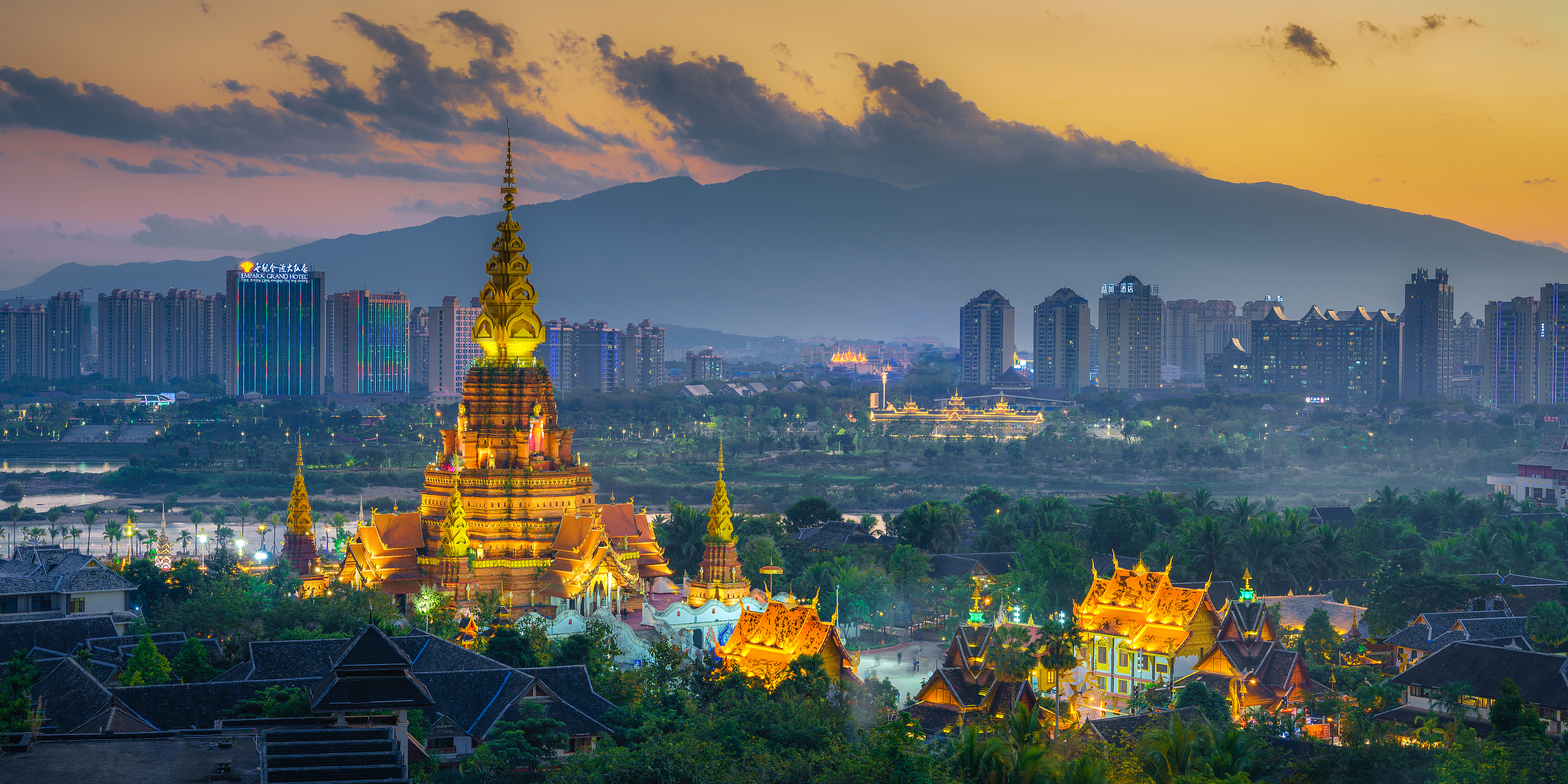
2026 Recommended Comprehensive guides in Longling (Updated February)
9 posts

Popular Destinations Near Longling

2026 Kunming Travel Guide: must-see attractions, popular food, hotels, transport & travel experiences (updated in February)
9945 posts

2026 Tengchong Travel Guide: must-see attractions, popular food, hotels, transport & travel experiences (updated in February)
2286 posts
2026 Xishuangbanna Travel Guide: must-see attractions, popular food, hotels, transport & travel experiences (updated in February)
915 posts
Post
More recommendations
Popular Trip Moments
Time-Space Journey on the Burma Road | New Year's Day without the crowds! Tengchong Gaoligong Hiking + Cave Hot Springs Healing | New Year's Day Baoshan Tengchong Off-the-Beaten-Path Guide: Forest + Wild Hot Springs + Ancient Town | Gaoligong Mountain—Nujiang Bingzhongluo In-Depth Trekking Guide: Exploring the Secret Corridor Where Humans and Gods Coexist | This is not a check-in spot; this is the Songshan Battle Site | Welcome to Baoshan, Yunnan! | 📍LongLing | Click now! Discover hidden gems in Longling County. | Battle of Songshan Site | Baoshan-Dehong 7-Day Tour | A Super Detailed Guide to Help You Explore Both Places | Baoshan Songshan Anti-Japanese War Site | 9.18 Songshan Battle Memorial Park - In memory of national heroes. | Banglazhang Hot Spring Resort: Truly the "First Miracle Soup of Western Yunnan" | Have you ever heard of hot springs that can beautify your skin and cure diseases? | Encounter with the miraculous herb in Longling, Yunnan | It's the perfect time to eat Dendrobium in winter | Longling Banglazhang Hot Spring in Yunnan, the first wonder soup in Western Yunnan | I did only three things in Baoshan, Yunnan: drinking coffee, soaking in hot springs, and visiting ancient towns
Popular Destinations
Xinzheng Travel | Noord-Brabant Travel | Inari Travel | Sturbridge Travel | Mathura Travel | Olympia Heights Travel | Charlevoix-Est Regional County Municipality Travel | Plainfield charter Township Travel | Heilbronn Travel | Montgomery County Travel | Fraser Coast Regional Travel | Zhao'an Travel | Moravskoslezsky Region Travel | Morehead Travel | Nelson City Travel | Southern Travel | Twentynine Palms Travel | Haboro Travel | Region of Queens Travel | Csongrad Travel | Keith Travel | Prior Lake Travel | Special Capital Region of Jakarta Travel | Lansing Travel | Clark County Travel | Klamath County Travel | Framingham Travel | Canmore Travel | Newport Travel
Recommended attractions at popular destinations
Popular Attractions in Bangkok | Popular Attractions in Manila | Popular Attractions in Tokyo | Popular Attractions in Taipei | Popular Attractions in Hong Kong | Popular Attractions in Seoul | Popular Attractions in Kuala Lumpur | Popular Attractions in Los Angeles | Popular Attractions in Shanghai | Popular Attractions in New York | Popular Attractions in Shenzhen | Popular Attractions in Osaka | Popular Attractions in Singapore | Popular Attractions in London | Popular Attractions in Guangzhou | Popular Attractions in San Francisco | Popular Attractions in Beijing | Popular Attractions in Macau | Popular Attractions in Bali | Popular Attractions in Jakarta | Popular Attractions in Paris | Popular Attractions in Ho Chi Minh City | Popular Attractions in Istanbul | Popular Attractions in Phuket | Popular Attractions in Chicago | Popular Attractions in Seattle | Popular Attractions in Toronto | Popular Attractions in Orlando | Popular Attractions in Cebu | Popular Attractions in Chiang Mai
Popular Restaurants in Longling
伊和园 | 渔歌酸菜鱼(龙陵店) | 龙福寿(热泉路店) | 马晓回族饭店 | 安余山庄 | 神泉山庄 | 龙陵邦腊掌温泉度假酒店·餐厅 | 老食府黄山羊肉馆(龙陵店) | 怡红饭店(龙陵店) | MING DONG XIAO CHI | 天道和击水三千休闲吧 | 兰贵饭店 | 伊龙园饭店 | 清枫古院 | 千里香餐饮(松山路店) | 四川李记辣妈冒菜馆(兴农路店) | 强记清汤黄牛肉(龙陵店) | 蓝色海岸音乐酒吧 | 鲜味小吃(龙陵县镇安中心卫生院东北) | 恩黄饭店 | 凯龙假日大酒店大堂吧 | 黄草坝黄焖鸡饭店(龙陵店) | 美味罗非鱼火锅店(龙陵店) | 鱼霸鲜鱼馆(龙陵店) | 丰路记羊肉米线 | 正香九九鸭脖店(热泉路店) | 华莱士·全鸡汉堡(龙陵龙都小区店) | 卡洛克烘焙 | 凯龙城蓝色海岸休闲吧 | 老外婆自选快餐(龙陵店)
Popular Ranked Lists
Top 50 Must-Visit Restaurants in Lingshui | Top 20 Best Things to Do in Nha Trang | Popular Premium Hotels in Nakhon Pathom Province | Top 50 Must-Visit Restaurants in Tonglu | Top 50 Luxury Hotels near Klagenfurt | Top 50 Best Things to Do in Amsterdam | Top 50 Must-Visit Restaurants in Changzhou | Top 50 Must-Visit Restaurants in Kaifeng | Top 50 Must-Visit Restaurants in Shangri-La | Top 50 Must-Visit Restaurants in Jiaxing | Top 20 Best Things to Do in Brisbane | Top 50 Must-Visit Restaurants in Yantai | Popular Premium Hotels in Thu Dau Mot | Top 20 Best Things to Do in Christchurch | Popular Premium Hotels in Arrowtown | Top 20 Best Things to Do in Nice | Top 50 Must-Visit Restaurants in Manchester | Top 50 Must-Visit Restaurants in Xichang | Top 10 Best Things to Do in Nagasaki | Popular Premium Hotels in Paihia | Top 50 Must-Visit Restaurants in Boracay Island | Top 20 Must-Visit Restaurants in Siem Reap | Top 50 Must-Visit Restaurants in Cairo | Top 50 Must-Visit Restaurants in Shangrao | Popular Premium Hotels in Windermere | Popular Premium Hotels in Raigad | Popular Premium Hotels in Northumberland | Popular Premium Hotels in Suffolk Park | Top 10 Best Things to Do in Casablanca | Popular Premium Hotels in La Guaira State
About
Payment methods
Our partners
Copyright © 2025 Trip.com Travel Singapore Pte. Ltd. All rights reserved
Site Operator: Trip.com Travel Singapore Pte. Ltd. Travel License No. 02943
Site Operator: Trip.com Travel Singapore Pte. Ltd. Travel License No. 02943