2026 Leshan Travel Guide: must-see attractions, popular food, hotels, transport & travel experiences (updated in March)
Essential Travel Information for Leshan
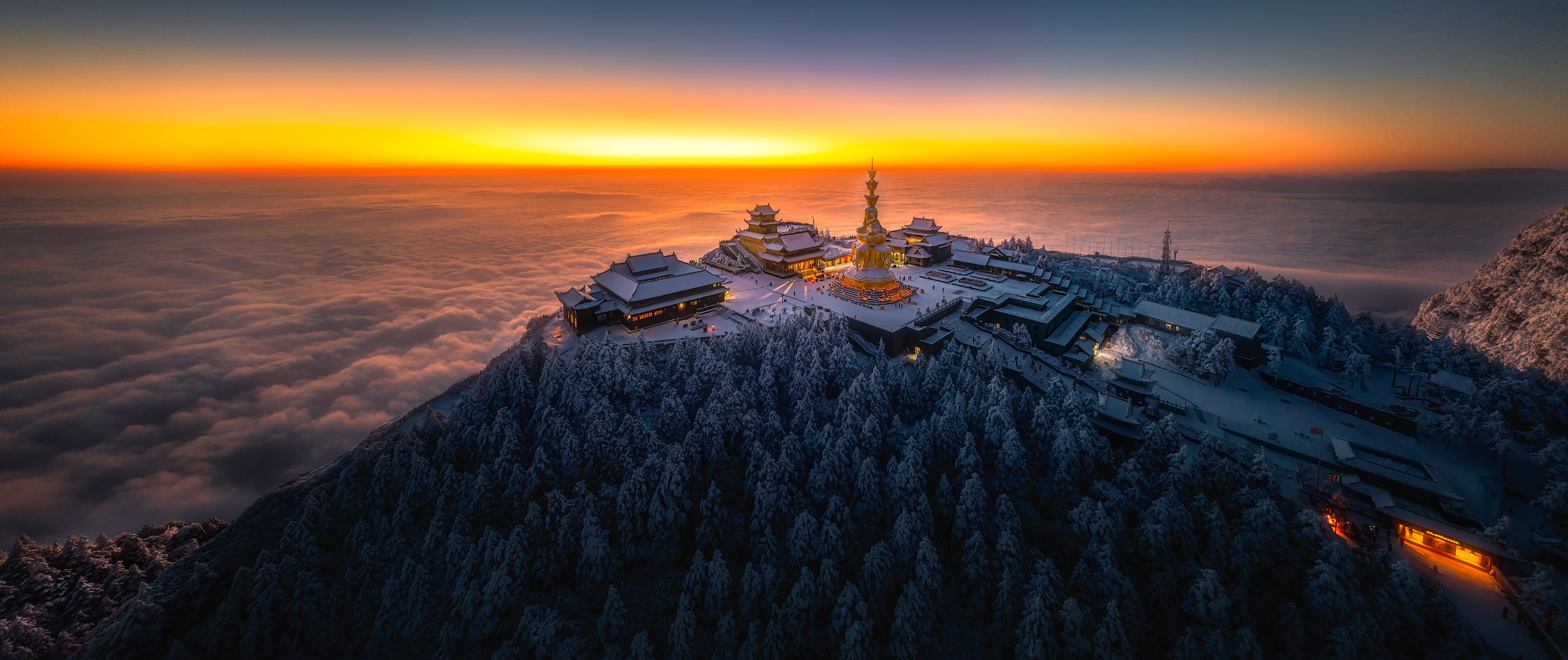
True to its name, Leshan is a "city of mountains and rivers". The landscape here is magnificent, with many historic sites, and it is one of Sichuan's great tourist destinations. Mount Emei, in the area of Leshan, is one of the four great Buddhist mountains in China. Deep in the mountains, there are many temples, suffusing the area with a serene Buddhist atmosphere. From here you can also gaze out at the sunrise and the sea of clouds. The Giant Buddha is also a scenic spot you absolutely must visit. Designed as a statue of a seated Maitreya Buddha, it is a fine work of cliff-carving from the Tang Dynasty. Additionally, you can take a ride on the "living fossil of the Industrial Revolution", widely known as the "Jiayang small train". Chugging cheerfully along in the mountain wilderness showcases the elegance of trains made in the local area.
Leshan Today's weather
Overcast 14-20℃

Latest Travel Trends in Leshan
Popular Attraction in Leshan
Mount Emei
(979)Leshan Giant Buddha
(653)Suji Ancient Town
(69)Dadu River Jinkou Grand Canyon Scenic Area
(63)Heizhugou
(54)Oriental Buddha Capital
(40)Jiayang Narrow-Gauge Train
(33)All Trip Moments about Leshan | Travel Experiences
Chengdu and Leshan 3-Day Itinerary Guide
Explore Chengdu's urban charm and cultural essence while combining it with the natural beauty of Leshan Giant Buddha and Mount Emei. This itinerary is perfect for those looking to experience both art and nature in a short time. Stay at the Atour Hotel near Chunxi Road IFS, where you can shop and enjoy authentic Sichuan cuisine within walking distance. For stunning photos or a relaxing evening, Taikoo Li and IFS offer picturesque spots. The journey also includes a free museum tour and ends with breathtaking UNESCO World Heritage sites. Let’s dive into this 3-day Chengdu and Leshan itinerary! 🗓️Day 1: Chengdu City Life & Food Exploration Hotel Recommendation: Atour Hotel, Chunxi Road IFS 📍Address: No. 70, Section 2, Hongxing Road, Main Building, Sichuan Press Group Building - Highlights: Prime location, just a 5-minute walk to IFS and Taikoo Li. Settle in, put on comfy shoes, and start exploring! Attractions/Food Route: 1. IFS International Financial Center: Snap a photo with the iconic panda sculpture at the entrance, and head to the rooftop for city views. The mall is packed with top brands and is a shopper’s paradise. 2. Taikoo Li: Chengdu’s trendiest area for shopping and dining. A mix of mid-to-high-end brands and unique restaurants. Evening strolls here are magical with the lighting ambiance. 3. The Temple House - Jing Bar: A must-visit for Instagram-worthy shots! Head to the basement for an indoor art gallery with projection art. The nighttime indoor scenery is stunning. 📍Address: No. 81, Bitieshi Street, Basement of The Temple House 4. Late-night Sichuan hotpot: Plenty of options nearby (choose based on mood, but popular spots may require early arrival to avoid waiting). 🗓️Day 2: History & Nighttime Art 1. Morning visit to Chengdu Museum - Free entry, online reservation recommended (plan ahead due to time slot restrictions). 📍Address: No. 1, Xiaohe Street, Qingyang District, Chengdu ⏰ Hours: 9:00 AM - 5:00 PM (last entry at 4:30 PM); closed on Mondays - The museum features rich exhibits, including modern art lighting installations in some halls. Perfect for a rainy day. 2. Evening at Jiuyan Bridge 📍Address: Binjiang East Road, Jinjiang District, Chengdu - The riverside is lit up beautifully at night, with bars and restaurants lining the area. Enjoy a drink or street food while soaking in the nighttime views. - Taking a cab is recommended for convenience. 🗓️Day 3: Leshan Giant Buddha & Mount Emei Book a day tour (or self-drive/shared ride) and head out early from the hotel to Leshan and Mount Emei. 1. Leshan Giant Buddha 📍Address: No. 2435, Middle Section of Lingyun Road, Shizhong District, Leshan ⏰ Hours: 7:30 AM - 6:30 PM/8:00 AM - 5:30 PM (seasonal) 🎫 Ticket: ¥79 - The towering Buddha is awe-inspiring. Wear comfortable hiking shoes as the visit involves significant walking. Weather can be unpredictable, so bring a jacket and rain gear. 2. Mount Emei - The itinerary may vary depending on the tour. Prepare snacks, mosquito repellent, and clothing for all seasons. The mountain is cool, and nearby farm-style restaurants offer delicious local dishes. ✈️ Travel Tips & Practical Info - Atour Hotel near Chunxi Road IFS is highly recommended for its convenient location, quiet environment, and diverse dining options. It’s also well-connected for independent travelers. - For Leshan and Mount Emei day trips, pack lunch and a power bank for frequent photo stops. - Check Chengdu Museum’s closure schedule; nearby cultural spots are great for a stroll. - Jiuyan Bridge gets crowded after dusk; keep personal belongings secure. 🌟 Recommended Food - Hotpot, Sichuan cuisine, and skewers near Chunxi Road/Taikoo Li are all excellent choices. Small eateries near IFS offer authentic spicy flavors. - In Leshan, try specialties like Qiaojiao Beef and Bobo Chicken. Enjoy your Chengdu and Leshan adventure!Ginyial8Why did the Chinese monk give his sight to the giant Buddha?
Today we're sailing to the largest stone Buddha on the planet. A little history. A monk named Chai Tong lived in the year 713, looking at the confluence of three rivers (Minjiang, Daduhe, and Qingyijiang) and realizing that his barges were sinking one after another. The whirlpools were fierce, the currents strong. The solution? Carve a 71-meter-tall Maitreya Buddha right into the cliff face of Mount Lingyunshan. But it's not just the scale, but how Chai Tong "solved the issue" with taxes. The tax authorities learned that the monk had accumulated a large amount of money for the construction. An official approached him and demanded, "Give me some money." And do you know what he did? He calmly said, "I'll give you my eye, but I won't shut down the construction." He gouged out his own eye and held it out in his palm. The official, of course, was stunned and left. Can you imagine the level of selflessness? It's a shame Chai Tong didn't live to see the construction completed—it lasted 90 years. I deliberately avoided climbing the stairs. I took the boat in Leshan, and it was the best decision. The sun, yes, let us down. The photos turned out so-so. But you know, it's even fair: Buddha doesn't care about your travel blog. From the water, the whole picture opens up. To the right is the mighty Minjiang River, to the left flows the Daduhe River, and on the opposite side rises the sacred Mount Emei. Just think about it: he sits at the junction of three streams, pacifying them with his presence. On the surrounding walls are 90 stone bodhisattvas, but you can't really see them from the river; they're like an entourage that remains in the shadows. The most interesting thing is that this century-old construction project actually aided navigation. Not through magic, but through engineering. While the statue was being carved, tons of rubble and debris were dumped into the river. The current shifted, the whirlpools disappeared. Buddha calmed the water... with construction debris. Everyone writes that you absolutely must storm the "Nine-Curved Path," stand in line, and rub your shoulders against the walls. But I'll say something seditious: the most iconic view is from the water. The boat makes an arc, and you see the Buddha whole. Not in pieces, not in parts, but as a monolith. While everyone else is elbowing their feet, you stand on the deck and understand the true scale. Would you prefer to see the Buddha whole, like I did from the water, albeit against the white sky, or is it more important to "touch" the ancient stone with your fingers after standing in line on a narrow staircase for a couple of hours? #chengdu #leshan #china #BigBuddha #TravelPhoto #GiantBuddha #LeshanDr. Kudrin Travel4Traveling, of course, means taking photos to capture the moments!
During a food and stroll break in Leshan, I found this guesthouse hidden in an alley, and accidentally fell into a gentle old dream of traditional Chinese architecture. ✨ About Yujian Courtyard With bluestone paths, carved wooden doors, crane lanterns, and walls covered with bamboo at the entrance, opening the wooden door feels like stepping into a Jiangnan ink painting. Sitting in the courtyard sipping a cup of gaiwan tea, listening to birds chirping in the distance, time seems to slow down. This kind of relaxation is something you can’t find in the city. 🌿 About the Rooms The large suite with a bathtub features a modern Chinese style decor. It’s incredibly comfortable. A single window lets in all the sunlight; soaking in the tub or curling up on the sofa with a book is an absolute delight. The bedding is soft and cozy, making you never want to get up—truly a healing space designed for the lazy. 📸 Photo Tips 1. Chinese-style Qipao: Take photos at the courtyard entrance or beside the bamboo grove to instantly boost the atmosphere, as if stepping out of a bygone era. 2. Bathtub Relaxation: When the afternoon sunlight slants in, take a set of pure and gentle style photos soaking in the bathtub—soft and photogenic. 3. Window Light and Shadow: Draw the white gauze curtains, sit on the floor, and use the light and shadow to shoot some cool-toned portraits with a natural soft filter. Practical Tips Address: Jiazhou Changjuan Tianjie, Bishan Road, Shizhong District, Leshan City 🍜 Nearby: Right outside is a Leshan specialty spicy hot pot shop; nearby you can also find Qiaojiao beef, sweet-skinned duck, and tofu pudding—perfect for foodies. In Leshan, there’s more than just the Giant Buddha and delicious food; there’s also a courtyard like this that lets you slow down. If you want to find a quiet place of your own in a bustling city, this is the spot for you.遇見院子5Giant Buddha: Just 1 hour by train from Chengdu
This is an amazing park where the Giant Buddha of the Future is located: - A UNESCO World Heritage Site - The tallest stone Buddha in the world! - Approximately as tall as a 24-story building - The statue was created over 1,000 years ago and still stands today How to visit on your own: - Take a high-speed train from Chengdu East or South Railway Station to Leshan Station - The train ride takes about 1 hour on average - Then transfer to a taxi or bus Park hours: From 8:00 AM to 5:30 PM (check for updated information during your trip) You can also visit the park in the evening! From 7:00 PM to 10:00 PM as part of a night tour Entrance tickets: 80 yuan per person Another great option is to take a river cruise: Cost: 10 yuan one way 15 yuan round trip It is recommended to allocate at least 3-4 hours to visit the park See you in China!Tanya in China8Not for those with megalophobia: "The Underworld Palace from The Lost Tomb"!
When mentioning Leshan, everyone rushes straight to the Leshan Giant Buddha, unaware that next door hides a "secret realm from another world"! The underground palace of the Oriental Buddha City is as deep and mysterious as in The Lost Tomb, with tens of thousands of Buddha statues hidden in cliff caves. At night, lanterns light the way, shadows flicker, and the 170-meter-long Reclining Buddha—the longest in the world—and the 51-meter-tall outdoor Medicine Buddha leave visitors speechless. 📍 Oriental Buddha City (No. 362 Lingyun Road, Shizhong District, Leshan City, adjacent to the Leshan Giant Buddha) ⏰ Latest Opening Hours: Winter (October 8 - March 31): Daytime 08:00-17:30, Night tour 19:00-22:30 (last entry at 21:30) Summer (April 1 - October 7): Daytime 07:30-18:30, Night tour 19:30-23:00 (last entry at 22:00) 🎫 Ticket Policy: Adults 80 RMB/person, free for children under 1.2 meters or under 6 years old, students/seniors 50 RMB/person; you can buy a "Leshan Giant Buddha + Oriental Buddha City" panoramic combo ticket for 138 RMB, offering better value 🚗 Transportation Tips: Public Transport: Take the scenic area shuttle bus (10 RMB/one way, 15 RMB/unlimited all day), which stops at "Oriental Buddha City Station" directly, connecting the north and south visitor centers of Leshan Giant Buddha Self-driving: Navigate to "Oriental Buddha City Parking Lot," 10 RMB per vehicle, then a 5-minute walk to the entrance ⚠️ Visitor Guidelines: Photos allowed but no flash (to protect the paintings), dress appropriately and keep quiet; for night tours, wear comfortable flat shoes as some cave stairs are steep 🔥 Three must-visit highlights, delivering visual impact and immersive experience ❶ Underworld Secret Realm: The Ten Thousand Buddha Cave hides the "fantasy world from Uncle San's stories" Known as the "coolest spot" in the scenic area, the Ten Thousand Buddha Cave stays a constant 22°C, instantly escaping the heat upon entry, with surprises at every step: Cave Wonders: Corridors lined with round carvings, reliefs, and murals; tens of thousands of Buddha statues with varied expressions, ranging from palm-sized to tens of meters tall. The lighting flickers, faces of the Buddhas appear and disappear, creating a full sense of mystery. Netizens exclaimed, "It’s like stepping into a treasure cave from a tomb-raiding novel"; Core Buddha Statues: The 33-meter-tall seated Shakyamuni Buddha is the world’s largest seated Buddha inside a cave. Looking up, the Buddha’s eyes seem to overlook all beings. The Four Heavenly Kings in the Hall of Heavenly Kings stand over ten meters tall, glaring fiercely and imposing, making visitors feel like they are in a movie scene; ❷ Outdoor Giant Buddhas: 170-meter Reclining Buddha + 51-meter Medicine Buddha, perfect for stunning photos Stepping out of the underworld leads to the outdoor Buddha group, each a "visual landmark": 170-meter Oriental Reclining Buddha: Visible after crossing the bridge, this reclining Buddha carved into the mountain lies peacefully. Its length equals three basketball courts, making it the world’s longest cliff-carved reclining Buddha. From afar, it blends with the green mountains, so magnificent it leaves one speechless; 51-meter Medicine Buddha: The outdoor giant Buddha at the underworld exit. Standing at its feet, you’re not even as tall as its big toe. Bathed in sunlight by day, solemn and majestic; at night, illuminated by lights, it looks even more sacred. Only ultra-wide-angle lenses can capture its full grandeur; Filming Location of "The Storm Riders": Buddha Bay is surrounded on three sides by green peaks, with the triple hall descending vertically resembling a "dragon throne." Classic fight scenes of Nie Feng and Bu Jingyun were filmed here, a must-visit spot for martial arts fans. ❸ Night Tour Legend: Lanterns light the way, unlocking a fantasy drama atmosphere Most people don’t know that the essence of Oriental Buddha City is at night, when during peak season you almost have the entire park to yourself: Light and Shadow Magic: Stone paths lit by red lanterns, soft lighting inside the caves, Buddhas appear even more mysterious in the interplay of light and shadow. Walking inside feels like entering a fantasy novel, with more tranquility and dreaminess than daytime; Combined Experience: Buy the "Night Tour Lingyun Mountain Panoramic Ticket" to connect the Leshan Giant Buddha night tour route, walking from the breezy Lingyun Mountain to the lantern-lit Buddha City, experiencing the ink-wash painting ambiance of "Buddha is the mountain, mountain is Buddha"; Tips to Avoid Pitfalls: Night tours only support online ticket purchase, entry by ID card scanning. It’s recommended to arrive before 19:30 to avoid the crowd peak after 20:00.Emily.Robinson*724Sichuan locals' hidden "Little Angkor Wat" has been found by me!
OMG! Discovered a real-life "Cambodia" near Chengdu‼️ No visa needed to shoot Angkor Wat-style blockbuster photos. This is just too amazing~📸 👉🏻【Hongya Caoyutan Scenic Area】👈🏻 📍Location: Caoyutan Town, Hongya County, Meishan City 🚗 Self-drive: 2 hours direct from Chengdu ⌚ Recommended visit time: 3-4 hours 🎫 Ticket: Free! Parking fee 10 yuan 🏆Top 3 Must-Visit Spots🏆 1️⃣ Millennium Buddhist Pagoda Secret Realm 108 weathered ancient pagodas stand along the Qingyi River Vines wrapped around the broken Buddha statues give off a heavy metal vibe! Wear a white dress and every shot looks like an exotic blockbuster 📸 Best shooting time: 8-10 AM, the light is perfect! 2️⃣ Rowing in an Ink Painting🚣 20 yuan to rent the entire Qingyi River✨ The reflection of green water and mountains is incredibly healing Recommended to wear Hanfu for the boat ride When the breeze rises, the flowing sleeves create a fairy-like aura~🧚♀️ 3️⃣ Oxygen-boosting Hiking Trail🌿 1.5 km ultra-healing hiking route: ✔️ Jurassic-era tree fern canyon ✔️ Perfect small waterfalls for weddings ✔️ Millennium-old trees + mossy stone steps combo (Remember to wear non-slip shoes! Hiking poles make it easier) 🔥Useful Tips🔥 ✅ Mosquito repellent is a must! The ecology is so good that mosquitoes are very enthusiastic ✅ No shops inside the scenic area! Bringing snacks is very important ⚠️ Drones are prohibited in the pagoda area! ✅ Best season: April to October (rainy season feels even more like Cambodia) This millennium-old secret realm forgotten by time Southeast Asia's mystery 🕌 in the left hand, Jiangnan's gentleness 🌊 in the right The key is few people, beautiful scenery, and free! Weekend city escape plan +1 ☑️ Girls, hurry up and go! Before it becomes super popular!💨Alexander Moore23love34 days in Chengdu 🐼
Chengdu in 4 days: Pandas, Street Life & Mountain Magic 🐼🌶️🌃☸️ ✨Ready for a whirlwind intro to Chengdu? This 4-day itinerary has it all: cuddly pandas, buzzing ancient alleys, neon nights on the Jinjiang, and a mountain day trip to Leshan and Emeishan! Whether it’s snacking on spicy street foods or capturing a city panda billboard with skyscrapers as your shot’s backdrop, Chengdu’s vibe is unforgettable. Day 1: 📍Start early at Chengdu Research Base of Giant Panda Breeding. Watch panda breakfast time. Tip: Arrive before 9am- they’re most active and the crowds aren’t! 📍Afternoon: Explore chic Chengdu SKP mall 📍Evening: stroll among modern “bamboo-water beacons” for sleek architecture meets nature shots. Day 2: 📍Visit serene Wenshu Monastery. Grab tea at the temple’s teahouse. 📍Head to vibrant Chunxi Road-perfect for shopping and street snacks. 📍Night cruise on Yeyou Jinjiang where city lights reflect beautifully on the water! Day 3: 📍Classic Chengdu - wander Kuan & Zhai Alley 📍 Jinli Old Street for lantern vibes and Sichuan snacks. 📍Tour Wuhou Shrine Museum 📍Cap the night with famous Sichuan Opera’s dazzling face-changing performance. Day 4: 📍Day trip - giant Leshan Buddha. The giant 70-meter Buddha has been added to the UNESCO World Heritage List. 📍Misty Mount Emei for spiritual views and hiking. Be sure to climb to the top to see Golden Summit ✨ #chinaadventures #Chengdu #PandaLand #chinatrip #TravelChina #skpchengduFrauhellen3Leshan Green Escape 🍃
Dreaming of epic mountains and serene rivers? Check out my Leshan adventure—a perfect blend of ancient wonders, good vibes, and green spaces 🌱🌦️ Top Spots to Visit: 1. Lingyun Mountain (灵云山) Confluence of the Three Rivers, Shizhong District, Leshan Open: 7:00 AM–7:00 PM; Evenings: 7:30 PM–9:30 PM Lingyun Mountain is where nature and history collide! Hike up for panoramic views over the Minjiang, Qingyi, and Dadu Rivers—bring your camera for those misty, lush landscapes. There's beautiful traditional Chinese architecture, and the trails are lined with ancient trees, creating the ultimate zen moment. Wrist tip: Wear comfy shoes, and if the weather’s cloudy or rainy (like my experience!) pack a poncho—paths get slippery. 2. Leshan Giant Buddha Scenic Area - Shared Bicycle Parking Spot 乐山市市中区南岷江东岸凌云路 Renting a shared bike is genius—cruise along the riverside and score the fastest access to the iconic Leshan Giant Buddha (a true must-see 🗿). The parking spot’s perfectly located near Lingyun Temple and the river confluence. The area is full of green plants and classic Chinese architecture. As a bonus, you might spot folks snapping photos with panda plushies against this dreamy, nature-rich backdrop. Getting Around: Shared bikes are seriously the move! They're cheap, eco-friendly, and let you glide between major sites with ease. Food Rec: Try spicy豆花 (tofu pudding) and Leshan cold noodles at local riverside eateries. Pro tip: Riverside food stalls offer legit flavors and instant local vibes. Extra Tips: The weather flips from sunny to rainy—pack layers and an umbrella. Most sights open early, so start at dawn for crowd-free serenity. Bring cash, as some tiny vendors don’t accept cards. #chinaadventures #Leshan #ChengduTrip #ChinaTravel #HiddenGems #NatureLoverTRex Pro3A Must-Visit Place in This Lifetime
Leshan Giant Buddha | A Must-See Journey to the Oriental Buddhist Wonder🧘♂️ Who else feels this way! The Leshan Giant Buddha is truly one of those hidden gems you think about before visiting and can’t stop thinking about afterward! It’s like a three-dimensional history book quietly telling stories from a thousand years ago. Not experiencing it in person would be a huge loss! Today, I’m sharing this super detailed travel guide for the Leshan Giant Buddha to make your trip easy and exciting! Preparation🗒️ ● Documents: Be sure to bring your ID card; you’ll need it for tickets and entry. ● Clothing: Leshan’s weather is changeable, so check the forecast in advance. In summer, protect yourself from the sun with a hat, sunglasses, and sunscreen; in spring and autumn, bring a light jacket for the temperature difference between morning and evening; in winter, dress warmly with a down jacket. ● Others: Bring some snacks and water to recharge during your visit. If you want to take photos, bring a camera and make sure your phone is fully charged. Transportation Guide🚗 ● External Transportation: ○ By plane: Fly to Chengdu Shuangliu International Airport first, then take a high-speed train or bus to Leshan. ○ By high-speed train: Leshan has Leshan Station and Leshan North Station, with many direct trains from various cities, making travel very convenient. ○ By bus: Buses to Leshan depart from Chengdu’s Xinnanmen Bus Station, Shiyangchang Bus Station, and others. ● Internal Transportation: ○ Bus: Multiple bus lines serve the area around the Leshan Giant Buddha Scenic Area, making it easy to get around. ○ Taxi: Taking a taxi from the city center to the scenic area is also convenient, but be prepared for possible traffic jams during peak tourist seasons. Ticket Information🎫 ● Full-price ticket: 80 RMB per person. You can book in advance on the official WeChat public account “Leshan Giant Buddha Scenic Area” or on major travel platforms to avoid queues. ● Discounts: Children, seniors, students, and others have corresponding discounts; remember to bring relevant documents. ● Visiting hours: 07:30 - 18:30 (ticket checking stops at 17:30). It’s recommended to arrive a bit early to avoid peak crowds. Tour Routes🚶♀️ Classic Walking Route Visitor Center → Viewing Platform → Buddha’s Head → Nine-Bend Plank Road → Buddha’s Feet → Buddhist Paradise → Stele Forest → Mahao Cliff Tomb → Wuyou Temple Following this route, you can admire the majestic Leshan Giant Buddha from different angles. At the viewing platform, you’ll see the Buddha in full view; walking on the Nine-Bend Plank Road lets you appreciate the Buddha’s details up close; arriving at Buddhist Paradise feels like entering a mysterious Buddhist world. Boat Viewing Route Board at the dock → View the Buddha from the river → Return to the dock If you don’t want to climb, taking a boat tour on the river is a great option. From the river, you can see the Leshan Giant Buddha, Wuyou Temple, Lingyun Mountain, and other beautiful sights, plus capture stunning photos. Boat tickets cost about 70 - 150 RMB, and the tour lasts around 40 minutes. Food Recommendations😋 ● Leshan Bobo Chicken: Various ingredients skewered on bamboo sticks soaked in fragrant red chili oil, delivering a spicy and numbing kick. Recommended spot: “Guzhenji Bobo Chicken” for authentic flavor. ● Leshan Sweet-Skin Duck: Crispy skin and tender meat, sweet but not greasy. Famous local shops include “Zhao Duck” and “Ji Liuniang Sweet-Skin Duck.” ● Leshan Tofu Pudding: Thick broth paired with crispy fried dough sticks and tender tofu pudding for a rich taste. “Niu Huayingzi Tofu Pudding” is worth trying. Accommodation Suggestions🏨 ● Near the scenic area: Convenient for early entry the next day and offers river views, but prices are relatively high and require advance booking during peak seasons. ● Leshan city center: More accommodation options, more affordable prices, and convenient transportation. Staying near Leshan Square is a good choice, with many malls and food streets nearby. Notes⚠️ ● The Nine-Bend Plank Road is quite steep; be careful and follow the rules when it’s crowded. ● Beware of unofficial tour guides inside the scenic area; don’t trust them easily to avoid scams. ● Respect Buddhist culture and local customs; travel civilly. The Leshan Giant Buddha is like a kind elder quietly waiting for every visitor. Follow this guide, and you’re sure to create wonderful memories! Don’t forget to like and save this, and invite your friends to set off together! 😘Collins_Ethan_85🗿 Unmissa
🗿 Unmissable Tranquility with the Leshan Giant Buddha 🌳 If you’re in Chengdu, a side trip to the awe-inspiring Leshan Giant Buddha is an absolute must! This colossal riverside marvel blends ancient Buddhist artistry with lush landscapes, offering powerful views and a dose of serenity. 🧭 Recommended Route: Start at the main entrance (Leshan Giant Buddha Scenic Area, 2435 Lingyun Road), follow the shady path through Huahuawan to the base of the Buddha. The etched “Buddha Maitreya” in red on the cliff is a striking sight you won’t want to miss—perfect for a unique photo with the ancient calligraphy and tree-lined backdrop. ✨ Must-Do Experiences: - Climb up to stand right by the Buddha’s feet for perspective on its massive scale. - Descend the winding stairway to gaze up at the Buddha’s peaceful face from below. - Take a riverside boat ride for that full-on panoramic view! 📸 Top Photo Spots: - Capture the Buddha framed by whispering trees. - Snap a shot with the dramatic red-carved “Buddha Maitreya” for some serious travel cred. ⏰ Visiting Tips: Arrive early (before 9 AM) to avoid the crowds and midday heat. The outdoor walkways can get slippery after rain, so wear comfy, grippy shoes. If possible, visit on a weekday for a more peaceful experience. Snacks and water are handy, as queues can be long in peak season. ⚠️ Precautions: Steep steps and narrow passages—hold onto the rails and take your time. #LeshanGiantBuddha #ChengduDayTrip #CulturalHeritage #ScenicViews #TravelChinalousia4Leshan Giant Buddha Travel Guide, Sichuan
The Leshan Giant Buddha is not merely a stone statue, but a spiritual landmark that has sat at the confluence of the Minjiang, Qingyi, and Dadu Rivers for 1240 years. Carved in the first year of the Kaiyuan era of the Tang Dynasty (713 AD), it was initiated by Monk Haitong and completed after 90 years. Standing 71 meters tall, with a head 10 meters wide and feet 8.5 meters wide, it is the world's largest existing cliff-carved Maitreya Buddha statue. But its greatness extends far beyond its "size": it is the pinnacle of ancient Chinese engineering wisdom – the Buddha's body incorporates a hidden drainage system (18 layers of drainage channels), ventilation holes concealed in its hair, and flood diversion tunnels carved behind its ears; it is a living testament to the Sinicization of Buddhism – with a benevolent face, realistic drapery, and without the high nose and deep-set eyes typical of Indian styles, but rather a classic Han Chinese face of the prosperous Tang Dynasty; it is also a miracle of the coexistence of nature and humanity – the Buddha is in the mountain, and the mountain is in the Buddha, with Lingyun Mountain cradling it like a lotus pedestal, and the waters of the three rivers encircling it like long banners. I. Best Time to Visit: Spring and Autumn Reign Supreme, Avoid Flood Season and Extreme Heat ✅ March–May (Springtime Serenity): • The three rivers have moderate water levels, the river surface is clear, reflecting the full image of the Buddha, and the probability of seeing the "Buddha's Halo" is highest (requires clear skies after rain + specific angle); • Temperatures are 12–22℃, new greenery emerges on the mountains, allowing for a peaceful appreciation of the ancient "Lingyun Zen Temple" complex; ✅ September–October (Crisp Autumn Air): • The river water is clear and shallow, the Nine-Bend Plank Road offers expansive views, and ascending to the Buddha's feet platform provides a more solemn perspective; • Jiazhou lychees and Emei Xueya new tea are on the market, paired with "Bobo Chicken" at the foot of the Buddha, offering a double harvest for taste and sight; ⚠️ Exercise Caution in July–August (Main Flood Season + High Temperatures): • The river water is turbid and yellow, visibility is low, and there are frequent thunderstorms, often leading to temporary closures of the Nine-Bend Plank Road; ❌ Absolutely Avoid: Dragon Boat Festival (river closure), the first day of National Day, and weekend mornings from 8:30–10:30 AM – queues at the North Gate Visitor Center can exceed 40 minutes. II. Transportation: High-Speed Rail Direct + Bus Connection, Most Convenient with Zero Transfers 🚄 High-Speed Rail (Recommended): Chengdu East Station → Leshan Station (50-minute journey), exit and take K1/Route 3 bus to "Leshan Giant Buddha Scenic Area North Gate", total journey approximately 1.5 hours; 🚌 Direct Bus: From Leshan city center, take K1, 3, 10, or K13 bus to "Leshan Giant Buddha Scenic Area North Gate", arriving directly upon alighting; 🚗 Driving Tips: Navigate to "Leshan Giant Buddha Scenic Area Parking Lot", P1/P2 parking ¥10/time, but parking spaces are limited during holidays, green travel is recommended; ✅ Tip: Download the "Leshan Bus" APP to check real-time arrivals; follow the "Leshan Giant Buddha Scenic Area" official WeChat account for crowd warnings and real-time water levels of the three rivers (updated daily). III. Tickets and Opening Information: One Ticket for Core Attractions, Reservation Required 🎫 Ticket: ¥80/person, includes the Buddha body, Lingyun Temple, Wuyou Temple, Mahao Cliff Tombs, Oriental Buddha Capital, etc.; 🎫 Discounts: Children under 6 years old/under 1.2 meters tall, and seniors over 65 years old are exempt from tickets with ID; ages 6–18 and full-time students receive half-price (¥40) with student ID; ⏰ Opening Hours: Open year-round, daily 07:30–18:00 (last entry at 17:00); ✅ Reservation Requirement: Search for the "Leshan Giant Buddha Scenic Area" official WeChat account, make a real-name reservation 1 day in advance (daily limit of 26,000 visitors), enter with ID card or reservation code; ✅ Special Notes: • The "Night Tour of Lingyun Mountain" project requires a separate ticket (¥120/person), including a light show + Zen performance, only available in summer; • Wuyou Temple is a thousand-year-old temple, free to enter, where you can experience the "Wuyou Evening Bell". IV. Must-Visit "Four Spatiotemporal Coordinates": Understand the Buddha with Four Keys 🔹 The Buddha Body (World Stone Carving Marvel): • Key Highlights: "Hidden Drainage System" (concealed channels in the Buddha's shoulders, behind the ears, and in the hair), "Digital Code" (1021 hair buns, 84,000 strands of hair), "Tang Dynasty Drapery" (wide, flowing sleeves with smooth lines); • Recommended Tour: Walk down the Nine-Bend Plank Road from the North Gate, observe the Buddha's eyes, ears, and hands layer by layer, and experience "the mountain is a Buddha, the Buddha is a mountain"; 🔹 Lingyun Temple (Sui and Tang Dynasty Ancient Temple, Guardian of the Giant Buddha): • Originally built in the Sui Dynasty, the "Lingbao Pagoda" within the temple is a Tang Dynasty multi-eaved brick pagoda, from whose summit you can overlook the panoramic view of the three rivers' confluence; • The "Statue of Monk Haitong" in front of the Grand Hall is solemn, and its base is inscribed with the "Record of Lingyun Temple", recounting the original intention of its carving; 🔹 Wuyou Temple (Jiazhou Cultural Highland): • Located across the river from Lingyun Mountain, founded by the famous Tang Dynasty monk Huijing, Su Shi once studied here; • The "Erya Terrace" within the temple is where Guo Pu of the Han Dynasty annotated the "Erya", and now preserves Qing Dynasty steles, making it a sacred site for Chinese linguistics; 🔹 Mahao Cliff Tombs (Han Dynasty Underground Museum): • A cluster of Eastern Han Dynasty cliff tombs, over 1800 years old, with tomb door reliefs depicting "Jing Ke Assassinating Qin" and "Queen Mother of the West's Immortal Realm", showcasing Han Dynasty views on life and death; • Important evidence for studying Bashu culture and the Southern Silk Road. V. Classic Tour Routes: Half-Day In-Depth × Full-Day Immersive × Cultural Study Tour ✅ Half-Day In-Depth Route (3 hours): Enter from North Gate → Nine-Bend Plank Road (descend to the Buddha's feet platform for an upward view) → Buddha Body → Lingyun Temple → Lingbao Pagoda → Return; ✅ Full-Day Immersive Route (6–7 hours): Morning: North Gate → Nine-Bend Plank Road → Buddha → Lingyun Temple → Lingbao Pagoda; Afternoon: Take a ferry to Wuyou Temple → Erya Terrace → Wuyou Evening Bell → Mahao Cliff Tombs → Return; ✅ Cultural Study Tour Route (Family-Friendly): Collect the "Great Tang Little Craftsman Handbook" (free at the visitor center) → Find 3 Tang Dynasty inscriptions → "Assemble a Buddha Statue" on the AR screen → Experience Han Dynasty rubbings at Wuyou Temple Intangible Cultural Heritage Workshop → Collect stamps to redeem a "Jiazhou Junior Scholar" certificate. VI. Authentic Cuisine: Not in the Scenic Area, but in the Lively Alleys of Laoxiaoding and Zhanggongqiao 🍜 Must-Eats in Laoxiaoding Area: • Qiaojiao Beef (Feng's Old Brand): Braised beef offal, flavorful, dipped in dry chili powder for a spicy kick, intangible cultural heritage; • Bobo Chicken (Ye Popo): Chicken gizzards, lotus root slices, dried tofu skewered on bamboo sticks, soaked in spicy red oil, numbing, spicy, and fragrant; • Sweet-Skinned Duck (Suji Ancient Town Branch): Crispy skin, tender meat, a blend of sweet and savory, the soul of Leshan breakfast; 🍵 Hidden Gem: "Moruochashe" next to Lingyun Temple, hand-brewed Emei Xueya tea + Ye'erba (sticky rice cake), listening to Zen bells by the river. VII. Accommodation Recommendations: Staying in Leshan City or Suji Ancient Town is the Right Way to Experience Jiazhou ✅ Leshan City (Recommended): Such as "Leshan Hilton Garden Inn" or "Jiazhou International Hotel", a 15-minute walk to the Buddha's North Gate, convenient transportation; ✅ Suji Ancient Town (Cultural Choice): Such as "Suji · Qiyun Homestay" or "Emei Mountain Residence", bluestone paths, stilt houses by the river, tour the ancient town in the morning, visit the Buddha in the afternoon; ❌ Avoid staying in old facilities like "Leshan Giant Buddha Hotel" – outdated facilities, lagging service, and still a distance from core attractions. VIII. Practical Tips and Civilized Conduct ⚠️ Respectful Worship: • Climbing on the Buddha platform is prohibited, do not touch the Buddha's body, do not use flash photography on cultural relics; • Respect religious customs, walk clockwise around the Buddha, do not make noise in front of the Buddha; ✅ Convenient Services: • The entire scenic area has 5 "Love Stations", providing drinking water, first-aid kits, and wheelchair rentals (free); • The North Gate Visitor Center provides free paper guide maps (available in Chinese, English, Japanese, and Korean); ✅ Download the "Smart Tour Leshan" APP for AR real-time navigation, audio guides (including Leshan dialect version), and real-time three-river hydrology and crowd heat maps. The greatness of the Leshan Giant Buddha lies not in its height, but in its compassion – it has sat for 1240 years, witnessing the smoke of the An-Shi Rebellion, seeing the youthful passion of Su Shi, hearing the roar of Zhang Xianzhong's fires, and welcoming your and my devout gaze. When you stand on the Buddha's feet platform and look up at those downcast eyes, at that moment, you touch not just the cold hardness of granite, but the eternal warmth of Tang Dynasty artisans who imprinted their hearts on stone and cast the Buddha with their vows.Haruka - Ramen5Winter Trip to Mount Emei|This Must Be Where the Immortals Live
"Shu Kingdom has many immortal mountains, Emei is unmatched."✨ This winter, Mount Emei is simply transformed into a fairyland!❄️ When the snow covers the Golden Summit, the sea of clouds churns beneath your feet, and Samantabhadra Bodhisattva shines in the morning light... you really can't help but want to kneel and shout "Immortal!"🙏 📍 Attraction Address: Emeishan Scenic Area, Leshan City, Sichuan Province 🚄 Transportation Guide: High-speed train direct to "Emeishan Station," then take the scenic area bus directly to the Visitor Center! 🌄【2 Days 1 Night Summit Guide】 Day 1️⃣: Arrive at the foot of Mount Emei → 🚌 Scenic area shuttle bus to Leidongping → 1.5-hour hike past "Deadly Slope" to Jieyin Hall → 🚡 Cable car to the Golden Summit → Check in at Golden Summit Hotel (ps: Wear crampons when hiking in snowy weather!) Day 2️⃣: Get up at 5:30 to watch the sunrise and sea of clouds 🌅 → Cable car + bus down the mountain → Visit Wannian Temple → Qingyin Pavilion → One Line Sky Monkey Area 🐒 → Return trip 💖【Must-Check Spots at Mount Emei】 ✅ Golden Summit to watch sunrise and sea of clouds The golden statue of Samantabhadra Bodhisattva + Buddha light + sea of clouds triple buff is breathtaking! The moment the first ray of sunlight shines on the Golden Summit, it’s stunningly beautiful😭 ✅ Wild Monkey Area Adventure The mischievous monkeys of Mount Emei truly live up to their reputation! It’s recommended to buy 5 yuan worth of monkey feed to feed them, and hold your phone tightly (learned from painful experience😭) ✅ Wannian Temple Morning Bell and Evening Drum This 1600-year-old ancient temple has a sacred filter built-in. Remember to bring your travel journal to get the stamp! The red walls, green tiles, and snowy scenery make perfect photos📸 ⚠️【Practical Tips】 ❄️ December to February is the most beautiful but coldest time for snow scenes; down jacket + hat + gloves are a must! ⏰ Book Golden Summit accommodation in advance on Trip.com! Limited availability! 🐵 Don’t make eye contact with monkeys, don’t show food, and keep a distance when taking photos! 🧗 Hiking poles + crampons are lifesavers and can be rented at the foot of the mountain~ 📸 Best photo spots: Golden Summit Viewing Platform + Huazang Temple + She Shen Cliff They say winter at Mount Emei is "a step, a scene, a world." This dual feast for the eyes and soul is definitely worth adding to your travel list!🙏Aiden Clark~11164The real-life Frozen at Wawu Mountain near Chengdu is legendary!
Absolutely!!! Just 1.5 hours by car from Chengdu, there’s actually a real-life "Frozen"!!!👑 The snowy scenery at Wawu Mountain is truly stunning❄️❄️ It’s definitely not any less beautiful than the north! A truly hidden gem~ Massive blue ice waterfalls🏔️, ancient forests covered in snow🌲, and adorable wild squirrels🐿️ For kids from the south, the obsession with snow is completely satisfied here!!! 📍 Address: Wawu Mountain Scenic Area, Hongya County, Meishan City, Sichuan Province 🚗 Transportation tips: ✔️ 2.5 hours self-driving direct from Chengdu ✔️ Or take a bus to Hongya County then taxi 🎫 Tickets: ✔️ Off-season 68 RMB / Peak season 100 RMB ✔️ Round-trip cable car 188 RMB 【Must-visit experience checklist】✅ 1️⃣ Lanxi Waterfall Blue Icefall 🧊 This is the essence of Wawu Mountain!!! A blue ice wall dozens of meters high sparkling under the sun✨ It’s literally Elsa’s magical castle!!! Remember to wear bright clothes for photos~📸 2️⃣ Snowy Forest Hiking 🌲 Take the cable car straight to the summit🚠 The entire ancient forest is dressed in silver Trees are covered with thick snow and icicles❄️ Every shot looks like a scene from The Chronicles of Narnia!!! (And the chance to spot wild squirrels is super high🐿️) 📸 Photo tips: 1. Best to enter before 8 AM when there are fewer people 2. Bring a telephoto lens for stunning distant shots 3. Wear bright colors when taking photos with the icefall 💡 Outfit suggestions: ✔️ Thermal underwear + down jacket + waterproof boots are a must! ✔️ Don’t forget hat, scarf, and gloves! ✔️ Wearing red or yellow clothes is recommended for better photos~ Wawu Mountain in winter is definitely worth a visit!!! Southern friends, let’s go~🏃♀️REMINGTON ANDERSON54Rainy Leshan Vibes and giant Buddha 🌧️
Finally, the moment has arrived to see the world's largest Buddha, and it truly is extraordinary in every way—such a remarkable wonder. We decided to go there by boat because we didn't have much time to hike up. However, since we had to wait in line for hours to catch the ship, perhaps climbing up would have been easier. Still, the view from the boat and from above are different, so it really depends on what one is seeking. It was a rainy day, and unfortunately, they were doing some repairs on one side of the Buddha at the time, which slightly affected the experience. Despite that, it is still a visit worth making. If you get the chance, I encourage you to go and let yourself be genuinely amazed. 🤩 #nature #leshan #leshangiantbuddha #buddha #travel #couplestrip #china #familytravel #resorts #couplestrip #naturalwonders #holidayitinerary #holiday #boatride #rainydayAnaWang4Leshan Giant Buddha
The Leshan Giant Buddha is the largest stone-carved Buddha statue in the world, located at the confluence of three rivers in Sichuan Province, China. It has been recognized as a UNESCO World Heritage Site. History and Construction: Construction began in 713 AD during the Tang Dynasty, initiated by a monk named Hai Tong. He aimed to create the Buddha statue to calm the turbulent waters of the rivers, which often caused shipwrecks. The project took over 90 years to complete, finishing in 803 AD. Dimensions: The statue stands 71 meters (233 feet) tall. - The head is 14.7 meters high and 10 meters wide. - The shoulders are 24 meters wide. - Each finger is 8.3 meters long. - The feet are large enough to accommodate over 100 people sitting on them. It is truly magnificent and impressive. Highly recommended to visit. The Buddha statues carved inside the caves are equally stunning and grand.Dr.PT3Who says there’s no snowy land in the South? I found a fairy tale world of ice and snow on Mount Emei
“Stop squeezing into crowded places in the North! This winter, I was completely healed by the ‘fairyland’ right at my doorstep~🌨️ That’s right, it’s Mount Emei! While everyone on social media was showing off their heaters, I was standing above the sea of clouds, watching snowflakes ‘crown’ the Golden Summit. This uniquely southern, Zen-filled romantic snowy scene is definitely the dark horse on your winter travel list! A glance that lasts forever, the soul-stirring snowy scenery of Mount Emei Golden Summit Splendor ✨: When heavy snow covers the Samantabhadra statue in all directions and sunlight pierces through the clouds, the shock of that moment is beyond words! It feels as if the whole world becomes quiet and sacred. (Tips: Be sure to get there early for a better chance to see the sunrise and snow scenery!) Rime Wonderland 🌲: The trail from Leidongping to Jieyin Hall is the gateway to an ice and snow fairy tale! The fir trees on both sides are covered with sparkling rime, walking here feels like stepping into the movie Frozen. (📸 Wear bright colors for stunning photos!) Playful Monkeys in the Snow 🐒: The “native residents” monkeys of Mount Emei become “quiet” and adorable in the snow, squatting on branches with their little hands, melting hearts! (But remember to keep your distance and keep your food safe!) ⏰ Best time: Late December to early February. Follow the official Weibo/WeChat account of “Mount Emei Scenic Area” for real-time snow conditions and opening information to avoid disappointment! “Perhaps, the snow on Mount Emei is more than just snow. It is the silence falling on the eaves, the Buddha light illuminating the soul, the vastness that appears after every arduous step of climbing. Here, you will understand what ‘a scene at every step, a new world at every step’ means. This winter, come to Mount Emei, let the pure white snow wash away a year’s fatigue, and find that long-lost peace and strength above the clouds. 💪”Jameson Brennan523Master the Leshan Giant Buddha from all angles! This guide lets you check in 360° without missing a spot!
Want to "master" the Leshan Giant Buddha from every angle? You better keep this guide! 📸✨ As an experienced travel blogger, I'll take you to unlock the awe and intricacy of this world's largest stone Buddha from different perspectives like the opposite riverbank, the water surface, and the mountaintop! 🌈【Must-Visit Viewing Angles】🌈 1️⃣ Distant view from the opposite riverbank (Xiaogongzui / Sun Island) 📍 Xiaogongzui: Binhe Road, Shizhong District 📍 Sun Island: Binjiang Road, Shizhong District, Leshan City 💡 Perfect free viewing spots! See the Buddha from head to toe. Best to shoot at sunrise or sunset for the most beautiful light~ 2️⃣ Luxury cruise experience 💎 Ticket price: 150 RMB/person ⏰ Operating hours: Summer 8:00-18:00 / Winter 8:30-17:30 👍 Recommended because the boat stops for 10 minutes right in front of the Buddha! Don’t forget to look for the "giant sleeping Buddha" outline! 3️⃣ Classic land route (Nine-bend plank road) 🎫 Ticket: 80 RMB 🔥 Must experience: overlook the Buddha’s head, look up at the Buddha’s feet (the 71-meter giant statue is super impressive!) 4️⃣ Aerial drone God’s-eye view 📌 Registration point: Leshan Giant Buddha Scenic Area - North Entrance Police Office ✨ Must shoot: full view of the 4000-meter "giant sleeping Buddha"! 🚗【Transportation Guide】🚗 🚄 High-speed rail: Chengdu East → Leshan Station (1h), then taxi 15 minutes (about 20 RMB) or take K1 bus directly to the North Gate 🚗 Self-driving: Navigate to "Leshan Giant Buddha North Gate Parking Lot" (parking fee 30 RMB/day) 🏎️ Scenic shuttle bus: Combo ticket includes shuttle between Oriental Buddha Park (highly recommended!) 📖【90 Years of Carving the Mountain into a Buddha Legend】📖 🕒 Carving period: 713-803 AD 🙏 Reason for carving: Master Haitong aimed to reduce the water force where three rivers converge ⭐ Three miracles: drainage system prevents corrosion, wooden core resists pests, stands firm for a thousand years! 📸【Must-Capture Details】📸 💫 71-meter giant statue! Head width 10 meters, feet can seat 100 people comfortably! 👂 7-meter large ears! The legendary "hear the wind and rain" wonder! 💇 1,051 hair buns! Exquisite craftsmanship of Tang dynasty artisans! ‼️【Practical Tips】‼️ ✅ Best time: enter the park at 7:30 AM on weekdays 🌙 Night tour surprise: open until 8:00 PM in summer 💰 Discounts: ticket discounts with high-speed rail tickets! Every snap is a masterpiece! Standing at the Buddha’s feet truly makes you feel how small humans are~ Heard the 10th person to comment will be blessed by the Buddha! 😘Harris_Grayson_147Thinking o
Thinking of exploring Sichuan? Leshan is a must if you’re in Chengdu! 😍 The real showstopper here is the Leshan Giant Buddha — massive, legendary, and honestly, the views are even better in person. Buddha Paradise (Danxia Peak, Lingyun Mountain, Shizhong District, Leshan, open daily 8:00–18:00) is the spot for those epic outdoor cultural vibes — sculpture, architecture details, everything dialed up for shutterbugs. Top Spot to Visit: - Leshan Giant Buddha: Get ready to be wowed by this ancient carving right at the riverside! It’s the world’s largest stone Buddha, and you’ll want photos both daytime AND at night for a unique perspective. - Buddha Paradise: If you’re all about peaceful gardens and impressive architecture, this spot delivers. The chill walking paths and scenic corners make for perfect unwinding, especially after braving the crowds. Practical Tips: - Leshan gets seriously packed during Chinese holidays, so if you’re crowd-averse, aim for weekdays or off-peak months. - A day trip from Chengdu is totally doable — direct trains are your best bet! Hop on early, spend the day, or crash overnight if you want a slower pace and more serenity. - Bring snacks and water (convenience store options are limited near attractions) and wear comfy shoes — there’s a bit of walking and steps involved! Getting Around: - Direct high-speed trains from Chengdu to Leshan (approx 1 hour) are quick and convenient. From Leshan Station, taxis or public buses will get you to Lingyun Mountain. Food & Essentials: - Don’t miss local Sichuan snacks around Leshan city (try the spicy tofu or sweet rice balls!). - Cashless payments (WeChat Pay/Alipay) work everywhere. #LeshanGiantBuddha #SichuanTrip #BuddhaParadise #TravelChina #Tripdotcom#乐山大佛ChrisLSL102 hours direct from Chengdu! Over 300 private hot spring treehouses in Emei Mountain, soaking in the snow scenery is divine
Not Scandinavia! This is a winter wonderland secretly kept by Sichuan locals! Drive 2 hours from Chengdu straight to Qiliping in Emei Mountain, where you can stay in one of over 300 Zen-inspired treehouses in the forest. After snowfall, the entire mountain is wrapped in silver, soaking in the outdoor private hot springs while watching snowflakes fall—this is the true winter ritual❄️ 📍Prime location, worry-free! A smooth 2-hour drive with free parking included, no traffic worries at all~ Just a 5-minute walk to enter the forest Zen trail and Caoxi plank road, full of negative oxygen ions; a 25-minute drive to Emei Mountain Golden Summit for blessings, and easy access to Gaomiao Ancient Town for food and shopping, as well as Liujiang Ancient Town for water views—one-stop winter trip package! 🏡 Breathing forest treehouses! The design with tree trunks piercing through the roof is truly amazing! Rooms are named after native plants like zhennan and runnan, with wooden soft furnishings creating a Zen atmosphere as soon as you open the door. Open the window to see rolling seas of clouds and endless mountain views, as if living in nature’s embrace—quiet and healing~ ♨️ Snowy private hot springs + cozy amenities! The outdoor hot spring pool is the soul of winter! On snowy days, wrap yourself in a bathrobe and soak in the warm water, watching snowflakes land on your shoulders and the forest draped in white silk—romantic to the max! The room features moonlight family custom latex bedding so soft you won’t want to get up, with whole-house floor heating plus central air conditioning double buff, keeping your feet warm~ Spotless rooms with high-quality toiletries, and families with kids can get exclusive children’s supplies—detail lovers will be thrilled! 🍽 Wild mountain flavors on your palate! Seasonal fresh fruit and nutritious breakfast are free, and no risk of missing out on great meals—copper pot mushroom hotpot is incredibly fresh, charcoal grilled meat is mouthwateringly delicious, warm and comforting~ 24-hour private butler service is super thoughtful, preheating the floor, delivering meals to your room, and customizing exclusive travel routes based on your needs, so even lazy travelers can enjoy easily! 🌟 Treasure trove of endless fun! You can pet Nara-style sika deer (they bow and are super well-behaved, perfect for photos)! Enjoy a light buzz at the sky bar, quiet moments in the book bar, aesthetic cultivation at the art gallery, and in the evening gather around the stove to brew tea and roast tangerines, chatting and laughing with friends—the atmosphere is off the charts~ ‼️Travel Tips: Emei Mountain weather is very unpredictable! Sunny and bright at the foot of the mountain, but it might be snowing heavily up top, with a high chance of snow after temperature drops~ This divine room type must be booked in advance! Waiting to book after snowfall means most likely no rooms available. Booking now catches the best snow scenery period—grab your friends and rush over~oliverfirefly10Discover C
Discover Chengdu’s Timeless Wonders: Leshan Giant Buddha & Huanglongxi Town 🧒🪵🌄 If you crave deep cultural heritage, this itinerary pairs Leshan’s monumental Buddha with the ancient riverside ambience of Huanglongxi—a perfect combo for history buffs and family explorers! Start early at Leshan Giant Buddha (2435 Lingyun Rd). Marvel at the world’s largest stone Buddha carved into a riverside cliff, surrounded by lush greenery. Don’t miss the dramatic viewpoint from the bottom, best for a full-body Insta-worthy shot. Take the winding staircase down for epic scale photos and peaceful nature close-ups—great for snapping kids in action, just like the child writing on the stone wall. For a quieter experience (and cooler weather), arrive before 9am or after 7:30pm (evening lights add a magical glow!). Bring water, wear grippy shoes, and watch kids closely on steep stairs. Journey onward to Huanglongxi Old Town (Shuangliu Dist., Chengdu). Step back in time among Qing-Dynasty streets, willow-draped rivers, and charming bridges. Try local snacks, dress in period costumes for fun pics on ancient cobbled lanes, and visit the atmospheric temples. Morning is best to avoid crowds and catch golden light reflecting off the water—don’t miss close-ups of carvings and colorful shopfronts. Be mindful of uneven surfaces; comfortable shoes are a must. Personal tip: Leshan’s Buddha site is a cultural treasure that feels alive—let your kids engage! Interactive moments, like writing or sketching in nature, make lasting memories. #LeshanGiantBuddha #Huanglongxi #CulturalHeritage #SichuanTravel #FamilyAdventurelousia5Emei Mountain Golden Summit Must-Stay Hotel
Golden Summit of Emei Mountain is legendary! Experience life lying down watching the clouds and frost at the Hotel❄️ Who understands, family! Coming to Emei Mountain and not staying at the Golden Summit is truly a regret! Open the window to rolling seas of clouds and sparkling frost, with a full view of Gongga Snow Mountain—this is the right way to enjoy a fairyland vacation~ 📍The prime spot of prime spots! Right in the core area of the Golden Summit, a 5-minute walk to the cable car station, super close to the Golden Buddha! It’s only 5 minutes to the Jingangzui Sunrise Viewing Platform, no need to get up early and rush, just lie down and head straight to the view on time! ❄️The view rooms are amazing! Vast clouds and frost right before your eyes, plus views of the Golden Summit Buddha statue and Gongga Snow Mountain, every snap is wallpaper-worthy! The rooms are simple and cozy, fully equipped with smart controls, heating, oxygen machines, and humidifiers, making the high altitude super comfortable~ The hotel is newly renovated and super clean! The glass roof in the public area under the starry sky is perfect for photos, the scripture-copying tea room is calming, and the restaurant serves generous portions of specialty dishes, maximizing your experience! Just a 2-minute walk to the Golden Summit Golden Buddha, check in at the Samantabhadra statue, and witness the three wonders of sunrise, sea of clouds, and Buddha’s light—the atmosphere is unbeatable! Workers, hurry up! Lie down at the Golden Summit and watch the fairyland, healing all your fatigue~😌 Need me to organize a practical guide for watching the sunrise at the Golden Summit? Including the best viewing angles, outfit suggestions, and weather checking tips, so you can easily capture the stunning sunrise~AGE. Dee 39693Leshan Giant Buddha Panorama Guide
The Buddha is a mountain, and the mountain is a Buddha. The Leshan Giant Buddha is located on the cliff where the Min River, Qingyi River, and Dadu River converge. Standing 71 meters tall, it is a seated statue of Maitreya Buddha and is the largest existing outdoor rock-carved Buddha statue in the world. It was carved starting in the first year of the Kaiyuan era of the Tang Dynasty (713 AD) and completed in the nineteenth year of the Zhenyuan era (803 AD), taking about ninety years to finish. The Leshan Giant Buddha is a classic work of ancient Chinese art and religious culture, hailed as a "treasure of Eastern civilization."Gentle Mia~Bell733A hotel in Leshan that you'll never get tired of staying at, it's so photogenic
A hotel in Leshan that you'll never get tired of staying at, it's so photogenic🌿 When you come to Leshan, how can you miss this treasure hotel? It is nestled in the embrace of the Leshan Giant Buddha. A taxi ride of just over ten minutes will take you to the foot of the Giant Buddha, allowing you to experience the tranquility and solemnity of a thousand-year-old Buddhist charm. Downstairs from the hotel is a paradise gathering all of Leshan's delicacies. From the spicy and fragrant Qiaojiao Beef to the soft and sweet Bobo Chicken, every dish will satisfy your discerning palate. ✨【Private Hot Spring Pool, Enjoy a Relaxing Time】 The hotel's private hot spring pool is an excellent place to relax your body and mind. Imagine, after a day of hustle and bustle, soaking in the warm pool, letting the warm spring water wash away your fatigue, and feeling that sense of peace and comfort that belongs only to you. Each room is equipped with an oversized bathtub 🛁. Lying in it, gazing at the scenery outside the window, and enjoying a romantic bubble bath is simply one of life's greatest pleasures. 🌿From the moment you check in, the butler will accompany you throughout your stay, helping you arrange everything. Whether it's calling a taxi, recommending food, or answering questions, they handle everything patiently and meticulously. Here, you can feel the warmth of home. 🏨Location: Leshan L Private Hot Spring River View Hotel L Private Hot Spring River View HotelMia321 Taylor3Leshan's first stop: charging straight to the Giant Buddha! Trendy misalignment photos + transportation guide
Taking the high-speed train and heading straight to the Leshan Giant Buddha is truly awesome! You can catch a direct shuttle right at the station, just 10 yuan to reach the scenic area, perfect for the lazy ones to rejoice~ Entering the park from the North Gate and hiking up the mountain, the river views and stone carvings along the way are stunning! But the moment the complete Giant Buddha appears on the viewing platform, you’re absolutely blown away! The detailed curls of the hair are super clear, and it looks like it’s smiling right at me, giving a full sense of healing~ The real challenge begins when you reach the Buddha’s foot platform! Climbing the stairs until your legs go weak, but the moment you look up at the Buddha from close by, all the fatigue is worth it! Quickly follow the trend and snap some popular photos: sunglasses framing the Buddha’s head, misaligned hand touching the Buddha’s head, and even a “last-minute hug” with the Buddha—posting these photos on social media will get you bombarded with questions 📸 (By the way: the Buddha’s head actually has grass growing on it, could it be that everyone’s wishes are just too many?) — 💡 Practical guide all sorted out, take it and no need to thank me! 📍 Address: 2435 Middle Section of Lingyun Road, Shizhong District, Leshan City 🕙 Opening hours: 08:00-17:30 | 🎫 Ticket: 80 yuan/person 🚌 Transportation guide: 1. From Leshan High-Speed Rail Station, take bus 601 to Jiadingfang Station, then walk 500 meters straight to the North Gate 2. Take bus 3 and get off at “Guichengshan” stop, walk through the demolition buildings to the East Gate; or get off at “Oriental Buddha Capital” stop and walk 1.5 km to the main gate 3. High-speed rail direct shuttle: 10 yuan/person including free guided commentary (mainly connecting two scenic spots, even if you’ve already bought tickets you can still ride it, super cost-effective for both commentary and transportation) Actually, there’s so much to explore inside the scenic area, but just zoning out and taking photos in front of the Giant Buddha makes this Leshan trip totally worth it! Come to Leshan to find “joy,” and the Giant Buddha must be locked in your must-visit checklist~Serendipity William~Miller214Start your
Start your adventure at the awe-inspiring Leshan Giant Buddha 🗿⛰️—carved into a riverside cliff and towering over the meeting point of three rivers, this ancient colossus will leave you speechless! The recommended route starts with a gentle stroll up Lingyun Road, passing lush, ancient trees while the modern city peeks through the mist. On cloudy and rainy days, the Buddha’s serene face looks especially enigmatic—don't forget a lightweight raincoat for unpredictable weather! For must-do experiences, hike the steep staircase to get up close to the Buddha’s massive toes, and explore the winding trails around Danxia landform cliffs and tranquil ponds. Pause at the viewing deck halfway down for an insta-worthy shot: frame the statue with swaying tree branches and the river glimmering below. Another top angle is from the river cruise for panoramic views of the entire statue and rugged landscape. Practical tips: Leshan Giant Buddha is open seasonally, with longer evening hours in summer (Apr–Oct: 07:30–18:30, 19:30–22:30; Oct–Mar: 08:00–17:30, 19:00–22:00). Last admission is ~1 hour before closing. The entrance fee is ¥80. Try to arrive earlier to avoid crowds and enjoy quieter moments—an amazing place to visit! Slip-proof shoes are a must on wet pathways, and hold onto your camera tightly with all the close-up nature shots. #Leshan #GiantBuddha #OutdoorCulturalLandscape #NatureVision #ChinaTravelLooks Wonderful4Leshan-Meishan | Winter Travel Nanny Guide Quick Code Stay
Winter treasure route is here! A 2-day tour of Leshan-Meishan with pick-up and drop-off service for ultimate convenience! Head to Zhanggongqiao Food Street to try all the Qiaojiao Beef and Sweet Skin Duck, then visit Guangming Temple to experience Tang Dynasty Zen. In winter, you can also enjoy snow viewing and playing in the snow. This trip is simply so cozy! / Carefully crafted guide, 👇 scroll down to unlock more~ / 🗓Route Overview: Day 1: Zhanggongqiao Food Street🍜 -> Guangming Temple in Liujiang🏯 -> Liujiang Ancient Town🏞️ Collect Leshan delicacies at Zhanggongqiao Food Street and enjoy a feast for your taste buds; visit Guangming Temple in Liujiang to experience Tang-style Zen, and in winter, you can also enjoy snow viewing, playing, and skiing; stroll through Liujiang Ancient Town to feel the ancient charm. Day 2: Wawu Mountain Scenic Area⛰️ Spend the whole day exploring Wawu Mountain Scenic Area, discover natural wonders, and enjoy the freshness and tranquility of the forest, a paradise for hiking and photography enthusiasts. Return Day: Pack your bags🧳, take full memories with you, head to the airport/train station, and end your pleasant Leshan-Meishan trip🛫🚆! / Attraction Recommendations: Zhanggongqiao Food Street 🌟🌟🌟 🏠Address: No. 104 Zhanggongqiao Street ⏰Opening Hours: Open all day ⏳Duration: 2-3 hours 🌈So many delicious foods to dazzle your eyes, the street scene is rustic and beautiful, a must-visit for foodies! Liujiang Ancient Town 🌟🌟🌟 🏠Address: Liujiang Ancient Town, Hongya County, Meishan City, Sichuan Province (East Hongwa Road) ⏰Opening Hours: Open all day ⏳Duration: 2-3 hours 🌳Stilted buildings are ancient and rustic, banyan trees provide shade and look picturesque, perfect for photos~ Wawu Mountain Scenic Area 🌟🌟🌟🌟 🏠Address: Sheting Village, Wawu Mountain Town, Hongya County, Meishan City ⏰Opening Hours: November 14 - December 31, 08:00-17:30 ⏳Duration: 3-5 hours 🏞️A famous historical and cultural mountain in China, the birthplace of Taoism, with stunning natural scenery! / Notes: 1️⃣ Airport Transport: Leshan Airport is not yet open, it is recommended to take the high-speed train directly to Leshan Station, Meishan can be seamlessly connected by intercity train🚄 2️⃣ Photo Spots: The red walls and bamboo shadows at Meishan Sansu Shrine are super photogenic📸, don’t just take panoramic shots of Leshan Giant Buddha, try low-angle shots for a more stunning view! 3️⃣ Specialty Prices: Leshan Sweet Skin Duck is sold by weight, it is recommended to buy half first to taste, Meishan pickled vegetable gift boxes offer better value🍗 4️⃣ Food Highlights: Zhanggongqiao Food Street gathers Leshan delicacies, Qiaojiao Beef with chili powder, remember to choose the rattan pepper flavor for Bobo Chicken🌶️ 5️⃣ Off-peak Tips: Enter Leshan Giant Buddha Scenic Area before 8 am for fewer crowds, evening walks at Meishan East Slope Wetland Park are super healing🌅 / ↓Click the card below to easily book group tours and enjoy a worry-free tripIN重庆3Leshan Jinkouhe Family Trip! A Kyoto-style Secluded Hotel
The top choice for restorative family travel, Leshan Jinkouhe is truly perfect for relaxing with kids! No need to travel abroad to experience the tranquility and beauty of a little Kyoto. The hotel and surrounding environment are super healing—adults can relax, and kids will be happy. ⚠️ Highly recommend this family-friendly hotel: Jinkouhe Chanyi · Canyon Courtyard 1️⃣ A variety of family activities, different from morning till night. Start the day practicing Baduanjin with the kids, facing the mountains to stretch and cultivate their focus; the alms bowl experience lets kids feel traditional culture, the bookstore has plenty of children's picture books, and farming experiences help kids understand where food comes from. 2️⃣ The cliffside pool and hot springs are a family favorite! The shallow pool area is very safe, so kids can play in the water worry-free. The hot spring temperature is just right for soaking with kids to relieve fatigue while enjoying stunning mountain views. 3️⃣ The hotel is located in the clean and quiet Xinhe Village, with a strong little Kyoto vibe. The village coffee shop offers kid-exclusive drinks, the swing photo spot captures warm family moments, and strolling through the village with kids lets you enjoy the leisurely pace of life. 4️⃣ The outdoor bar at night has a great atmosphere—adults can have a drink while kids chase fireflies on the lawn or listen to live singers. Family time here is unforgettable. 5️⃣ The hotel's hot pot is amazing! Fresh ingredients, rich broth, and they can cook various vegetables and meats for kids, ensuring balanced nutrition and delicious meals. 📍 Address: Leshan Jinkouhe Chanyi · Canyon Courtyard 🏡 Accommodation tips: Nearby Jinkouhe Grand Canyon Hotel offers spacious and bright family rooms, provides children's toiletries and bedtime storybooks, perfect for staying with kids.zacharyfire3Leshan Giant Buddha. The mountain is the Buddha, and the Buddha is the mountain
The Leshan Giant Buddha Scenic Area is mainly divided into three core zones. Although collectively called the "Leshan Giant Buddha Scenic Area," each has its own unique features and distinct functions, so it is important to plan your route wisely when visiting: Leshan Giant Buddha Core Area (Lingyun Temple—Main Buddha Statue) 📍 Main highlights: Full-body statue of the Buddha, Nine-turn plank road, Buddha's foot platform, Lingyun Ancient Temple This is the most classic part—you can view the entire Buddha from the mountain or descend the steep Nine-turn plank road to the riverbank to look up closely at the Buddha's head and touch the Buddha's feet. Especially from the Buddha's foot platform, looking up, the 71-meter-tall giant Buddha stands majestically, an awe-inspiring sight. Wuyou Temple and Mahao Cliff Tomb Scenic Area 📍 Main highlights: Thousand-year-old temple, Han Dynasty cliff tomb group, tranquil Zen atmosphere Cross the river by boat or on foot to reach Wuyou Mountain, where the serene Wuyou Temple is surrounded by water on all sides, like an island. Nearby, the Mahao Cliff Tombs are a group of tombs carved into the mountain by the Bo people during the Eastern Han Dynasty. Some tomb chambers feature relief carvings, considered a "living fossil" of ancient stone carving art. Oriental Buddha Capital & Jiadingfang Cultural Street (Peripheral linked scenic areas) Oriental Buddha Capital: Located near the Giant Buddha, it is an open-air Buddhist sculpture park with over ten thousand stone statues, including the Reclining Buddha and the Thousand Buddha Caves, ideal for visitors interested in Buddhist art. Jiadingfang: An ancient-style commercial street combining food, handicrafts, and folk customs, with beautiful night lighting, perfect for ending your trip by savoring Sichuan snacks. ✅ Visiting tips: Most visitors focus on the Giant Buddha Core Area + Wuyou Temple/Mahao Cliff Tomb, which takes about 4–6 hours in total; if you have more time, you can add the Oriental Buddha Capital for a more complete one-day tour. ✨ Summary: The Leshan Giant Buddha is more than one aspect—it is a religious miracle, a historical epic, and the spiritual landmark between mountains and waters.PAULINA COLON22

Popular Travel Topics in Leshan
2026 Recommended Guides in Leshan (Updated March)
3075 posts
2026 Recommended Attraction in Leshan (Updated March)
2354 posts
2026 Recommended Hotels in Leshan (Updated March)
916 posts

Popular Destinations Near Leshan

2026 Chengdu Travel Guide: must-see attractions, popular food, hotels, transport & travel experiences (updated in March)
17731 posts
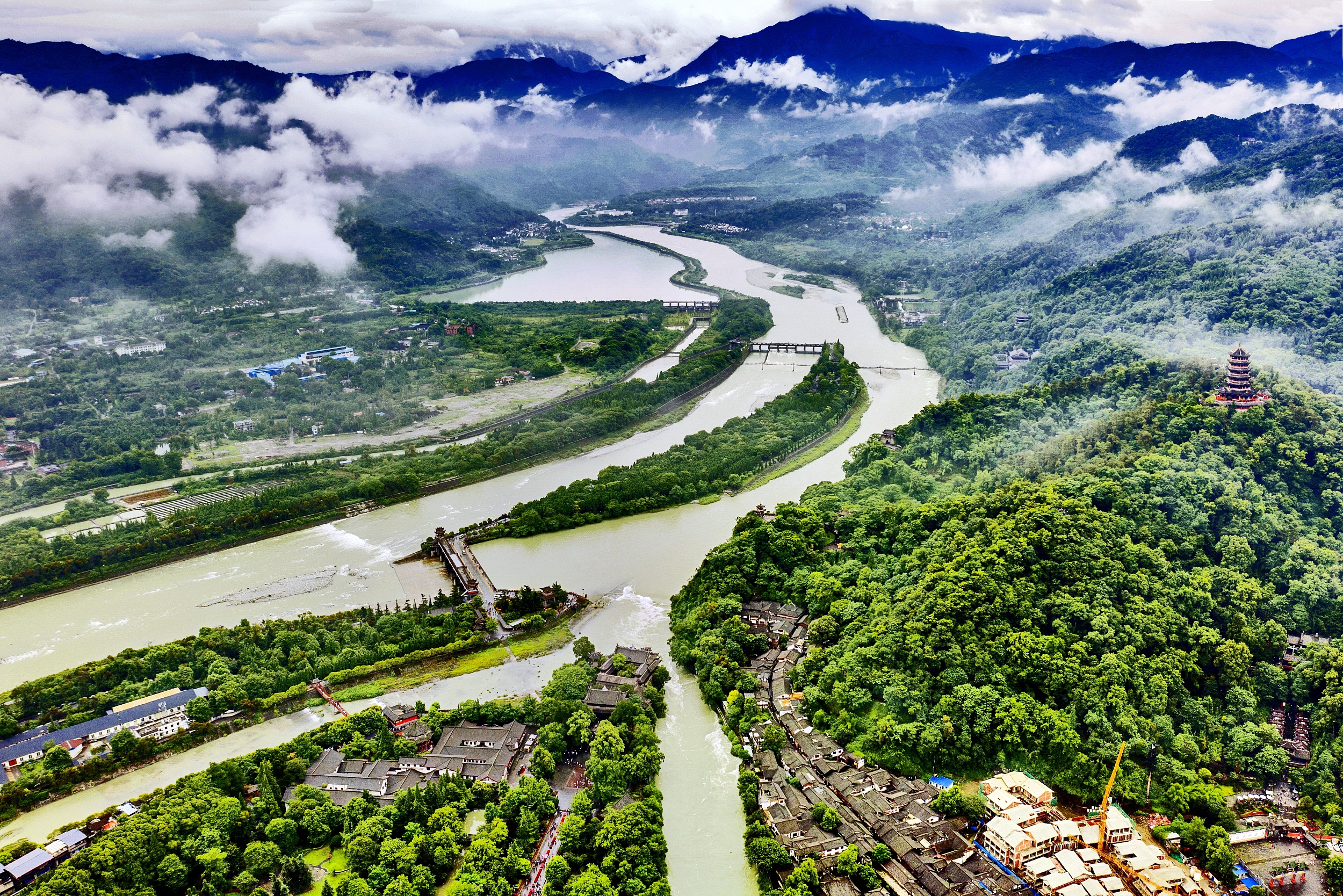
2026 Dujiangyan Travel Guide: must-see attractions, popular food, hotels, transport & travel experiences (updated in March)
4397 posts
2026 Emeishan Travel Guide: must-see attractions, popular food, hotels, transport & travel experiences (updated in March)
1624 posts
- 1
- 2
- 3
- 4
- 81
Post
More recommendations
Popular Trip Moments
Steam Train Through the Sea of Rapeseed Flowers | Caviar × Egg Tart: A Divine Pairing! A Double Hit of Flavor Romance | Emei Mountain Must-Visit Zen Monastery | Leshan Family Private Hot Spring Hotel | Lie down and enjoy the river view, it's amazing | Who understands? This private hot spring river view hotel in Leshan is breathtakingly beautiful! | Leshan's private hot spring river view hotel is absolutely amazing! Once you stay, you won't want to leave | Mountain Forest Family Hotel! Soaking in hot springs, enjoying the view, and playing with kids is super relaxing | Emei Family Treasure Villa! Soak in private hot springs and stroll through the healing countryside | Spring Reverse Travel, Low Budget · Budget Travel to Some Lesser-Known Cities | Emei Mountain Tianjie Liziping Pear Blossom Spectacle | Li Flowers Blooming in Shawan, 350 Acres of Flower Sea Welcoming Visitors to Enjoy Spring | In Leshan! Sleep in a designer forest cabin under Wawu Mountain | The Buddha statue after the rain is a picturesque sight in springtime. | Spring break is set—time to drop the kids off at the ultimate “kid-free” paradise! | Emei Mountain Zhongshan District Flower Viewing Route and March Flower Viewing Pit Avoidance Guide | Leshan, Deyang, Chengdu 2-Day Tour|The Ultimate Lazy Traveler’s Guide with No Detours | Leshan 3-Day Winter Trip: This Itinerary Is Totally Worth It | Chengdu-Leshan One-Day Tour Best Value Play | Leshan, Chengdu, Deyang 3-Day Tour|Lazy Traveler’s Ultimate Food and Sightseeing Guide is Simply Irresistible! | Here's all you need to know about things to do in Leshan and other places, with great value for money! | I've already covered the pitfalls of a 5-day tour to Leshan and other areas for you. | 3-Day Guide to Enjoying Leshan and Chengdu’s Cuisine and Buddhist Wonders | Chengdu-Leshan 3-Day Winter Travel Diary: The Perfect Time to Enjoy a Warm Winter | Chengdu-Deyang-Leshan 5-Day Tour | Lazy Traveler’s Dream and Foodie Walking Guide | 5 Days 4 Nights in Chengdu and Surroundings: An Unforgettable Itinerary You Won't Want to Leave | Banyan Tree Sanctuary | Post-rain exclusive! Leshan Green Heart Park's ten-mile peach blossoms bloom into a pink ocean, stunningly beautiful! | March's ultimate staycation! Stay 3-4 days in these 4 cities | Leshan's must-visit night view hotspot! Complete guide to enjoying the Giant Buddha at Xiaogongzui Square | Best places to visit in March and April! Quickly add them to your travel plans
Popular Destinations
New Britain Travel | Belgorod Travel | Kolomna Travel | Awaji Travel | Toledo Travel | Hvar Travel | New Bedford Travel | Santarem District Travel | Wroxham Travel | West Coast DC Travel | County Cork Travel | Grimaud Travel | Kasama Travel | Vanderburgh County Travel | Diksmuide Travel | Diana Travel | Brent Travel | Tuktoyaktuk Travel | Crater Lake National Park Travel | Hastings Highlands Travel | Delft Travel | Machu Picchu Travel | Csongrad Travel | Keith Travel | Prior Lake Travel | Special Capital Region of Jakarta Travel | Kyffhauserkreis Travel | Clark County Travel
Popular Restaurants in Leshan
CHAN YI JIU DIAN RU SU SU SHI GUAN | 胃笑·开水鸡钵钵鸡(18年老店) | ZHUSANTIANPIYA | 乐山千里走单骑度假酒店·私房菜餐厅 | 古市香跷脚牛肉·非遗传承单位 | 乐山华邑酒店·彩丰楼中餐厅 | Emeishandajiudiantesemeishicun | 荣生萝卜汤饭店 | Jin shan e mei fei yi bo wu guan · gu fa chuan cheng mei shi | 纪老四钵钵鸡 | 牛满堂土菜馆·跷脚牛肉(峨眉店) | Haihuiyuan | XIE LAO WU QIAO JIAO NIU ROU | Feng Si Niang | DOU XIANG SHI | Nanny Ye Bobo Chicken | ZHAO YA ZI | 大众牛肉馆 | 小豆海棠(人民南路店) | 游记肥肠市井川菜·第五代非物质文化遗产传承店 | LAO GE DOU | 串妹花式冰粉(乐山总店) | 游记肥肠市井川菜·第五代非物质文化遗产传承店 | YING ZI YOU ZHA | 乐山禅驿·嘉定院子酒店·禅欢餐厅(乐山大佛店) | FANG FANG QIAO JIAO BEEF | 牛华八婆麻辣烫(总店) | Zhang Liu Niang Qiao Jiao Beef (Jiaxing Road) | E MEI YUN XIANG YUAN | GAO JI DOU FU NAO
Popular Ranked Lists
Top 20 Premium Hotels in Wuhu | Popular Best Things to Do in Changzhi | Top 50 Must-Visit Restaurants in Xi'an | Popular Best Things to Do in Sheyang | Top 10 Luxury Hotels in Suzhou | Top 50 Must-Visit Restaurants in Melbourne | Top 50 Must-Visit Restaurants in Chengdu | Top 20 Premium Hotels in Yangzhou | Popular Best Things to Do in Dongxing | Top 10 Must-Visit Restaurants in Bad Ischl | Top 50 Must-Visit Restaurants in Dali | Top 50 Must-Visit Restaurants in Singapore | Popular Premium Hotels in Longyan | Popular Best Things to Do in Ziyuan | Top 50 Must-Visit Restaurants in Kuala Lumpur | Popular Premium Hotels in Deyang | Top 20 Premium Hotels in Taiyuan | Top 10 Luxury Hotels in Guangzhou | Top 50 Must-Visit Restaurants in Hangzhou | Popular Premium Hotels in Jining | Top 50 Must-Visit Restaurants in Lhasa | Top 50 Must-Visit Restaurants in Pattaya | Top 50 Must-Visit Restaurants in Berlin | Popular Best Things to Do in Shaoyang | Top 50 Must-Visit Restaurants in Venice | Top 50 Must-Visit Restaurants in Bangkok | Top 50 Must-Visit Restaurants in San Francisco | Top 50 Must-Visit Restaurants in Vienna | Top 50 Must-Visit Restaurants in Bruges | Top 50 Must-Visit Restaurants in New York
About
Payment methods
Our partners
Copyright © 2025 Trip.com Travel Singapore Pte. Ltd. All rights reserved
Site Operator: Trip.com Travel Singapore Pte. Ltd. Travel License No. 02943
Site Operator: Trip.com Travel Singapore Pte. Ltd. Travel License No. 02943