2026 Chitose Travel Guide: must-see attractions, popular food, hotels, transport & travel experiences (updated in March)
Essential Travel Information for Chitose
Chitose City is a city located in Hokkaido and is the location of the New Chitose Airport. Next to the New Chitose Airport is the largest Outlet in Hokkaido, the Chitose Outlet.
Chitose Today's weather
Mostly cloudy -7-2℃
Popular Attraction in Chitose
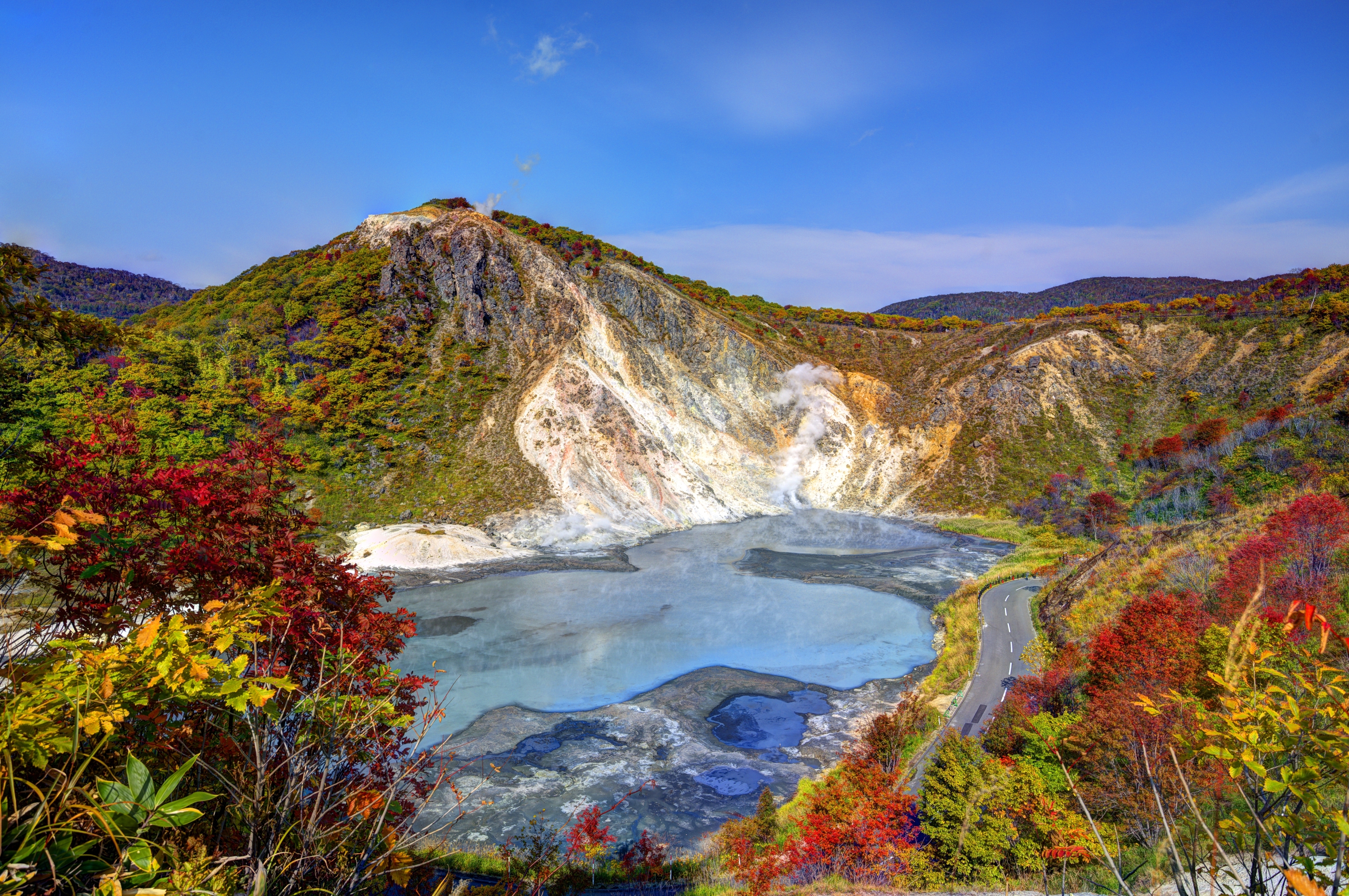
Lake Shikotsu
(84)New Chitose Airport Onsen
(10)Chitose Salmon Aquarium
(4)All Trip Moments about Chitose | Travel Experiences
HOKKAIDO 3 Days 2 Nights: A Snowy Paradise
🗓️ Travel Itinerary: 🇯🇵 HOKKAIDO WINTER TRIP 3 Days 2 Nights | Sapporo – Furano – Biei 📅 30 Dec 2025 — 1 Jan 2026 Day 1: Sapporo City & Night Vibes ❄️✨ Stroll through the heart of Sapporo, enjoy winter illuminations, take photos at landmarks, and shop at popular districts: Odori Park Sapporo TV Tower Tanukikoji Shopping Street Susukino Night District Day 2: One Day Trip to Furano & Biei 🏔️☃️ A romantic snowy trip with world-class natural scenery: Biei Area Shikisai no Oka Christmas Tree no Ki Shirahige Falls Ningle Terrace (Furano) Countdown Night in Sapporo 🎆 Day 3: New Year in Hokkaido ⛩️🎍 Start the New Year in authentic Japanese style before heading back: Hokkaido Shrine Maruyama Park Odori Area 【Must-Visit Attractions】 1️⃣ Shirahige Falls A stunning blue waterfall surrounded by white snow, like a fairytale scene. 2️⃣ Furano Biei Famous snowy village and Christmas tree, incredibly romantic. 3️⃣ Sapporo TV Tower Sapporo's iconic landmark, perfect for classic photos, especially at night. 【Must-Try Food】 1️⃣ Daruma Honten — Dish: Jingisukan (Grilled Lamb) A legendary Sapporo restaurant. 2️⃣ Sapporo Ramen Alley — Dish: Miso Ramen Authentic Hokkaido ramen, rich and delicious in the cold weather. 3️⃣ LeTAO (Otaru / Sapporo) — Dish: Double Layer Cheesecake Hokkaido's famous dessert. 【Recommended Accommodation】 Suggested areas: Sapporo Station / Odori Area Convenient location near attractions. Hotel Name: Toyoko Inn Hokkaido Sapporo-eki Kita-guchi Address: 1 Chome-4-3 Kita 6 Jonishi, Kita Ward, Sapporo, Hokkaido 060-0806 Japan 【Photo Spots】 1️⃣ Odori Park + Sapporo TV Tower Snowy central park with a red building backdrop, a signature Sapporo view. 2️⃣ Christmas Tree no Ki (Biei) A lone tree in a snowy field, world-class minimalist scenery. 3️⃣ Ningle Terrace Night Lights (closed during our visit) Wooden cabins with orange lights in the forest, incredibly romantic.Travelism นิยมเที่ยว4[Top 5 recommended souvenirs to buy at New Chitose Airport]
Sapporo and Hokkaido are a treasure trove of delicious sweets. When it comes to choosing souvenirs, you might find yourself overwhelmed and before you know it, time has flown by. We've selected a selection of Hokkaido souvenirs, from classics to trendy treats and stylish gifts that women will love. We recommend choosing based on who you're giving them to and their preferences. Read on to the end and use this as a time-saving souvenir guide for your Hokkaido trip. · · • • • ✤ • • • · · · • • • ✤ • • • · · · • • • ✤ • • • · · • • • ① Sapporo Agricultural College These sweets are made with carefully selected ingredients, including Hokkaido wheat and butter. "Three Kinds of Baked Cheese Cookies" "Poem of Pioneer" "Shiraage Mochi" "Rich Cheese Rice Crackers" "Hokkaido Milk Cookies" "Dairy Milk Baumkuchen" *We also recommend the freshly baked dairy cheesecake and Hokkaido apple pie. ② Hokkaido "Lululun" A regionally limited edition face mask made with ingredients native to Hokkaido. ③ Kitami Mint Candy: A gentle, refreshing treat. No artificial colorings are used; only sugar, corn syrup, and peppermint crystals are used. ④ Speaking of chocolate, Royce's "Pure Chocolate" Royce's opened in Sapporo in 1983 and started out selling chocolate bars. They also offer many seasonal limited editions and original products only available at airports. ⑤ Rokkatei's "Marusei Butter Sandwich": Excellent in both taste and reputation. Rokkatei was the first company to sell white chocolate in Japan. A biscuit sandwich filled with a creamy mix of white chocolate, California raisins, and butter made from 100% Hokkaido raw milk. · · • • • ✤ • • • · · · · • • • ✤ • • • · · · · • • • ✤ • • • · · Access 📍New Chitose Airport Terminal Building, 2nd Floor, Domestic Departure Lobby #Souvenirs #DomesticTravel #Hokkaido #Sapporo #GirlsTripmakaji71 Night, 2 Days: Sapporo Gourmet Trip
Seafood, meat, dairy products, ramen, soup curry... We fully enjoyed a 1-night, 2-day trip in Sapporo, Hokkaido, the "treasure trove of food," indulging in delicious meals and sightseeing. Although this trip was mostly about eating, we hope you read until the end and find it helpful for planning your trip to Hokkaido or if you're interested in visiting. · · • • • ✤ • • • · · · · • • • ✤ • • • · · · · • • • ✤ • • • · · 🔹Day 1 10:00 Arrive at New Chitose Airport 10:30 Asahikawa Ramen Baikohken New Chitose Airport Branch 11:10 Milk Stand Hokkaido Kounousha 13:00 Hokkaido Agricultural School 15:20 ANA Crowne Plaza Hotel Sapporo 17:00 Shirokuma Sapporo Jingisukan Main Store Asahikawa Ramen Baikohken New Chitose Airport Branch 📍New Chitose Airport Domestic Terminal 3F Ramen Dojo Milk Stand Hokkaido Kounousha Hokkaido Agricultural School 📍New Chitose Airport Domestic Terminal 2F ANA Crowne Plaza Hotel Sapporo 📍〒060-0003 Hokkaido, Sapporo City, Chuo-ku, Kita 3-jo Nishi 1-chome 2-9 Shirokuma Sapporo Jingisukan Main Store 📍〒064-0806 Hokkaido, Sapporo City, Chuo-ku, Minami 6-jo Nishi 3, Joyful Sapporo 1F · · • • • ✤ • • • · · · · • • • ✤ • • • · · · · • • • ✤ • • • · · 🔹Day 2 9:40 Sapporo Clock Tower 10:30 Shiroi Koibito Park 15:00 Sapporo Fish Market No. 57 Sushi 16:40 Calbee Plus New Chitose Airport Store Sapporo Clock Tower 📍〒060-0001 Hokkaido, Sapporo City, Chuo-ku, Kita 1-jo Nishi 2-chome Shiroi Koibito Park 📍〒063-0052 Hokkaido, Sapporo City, Nishi-ku, Miyanosawa 2-jo 2-chome 11-36 Sapporo Fish Market No. 57 Sushi Calbee Plus New Chitose Airport Store 📍New Chitose Airport Domestic Terminal 2Fmakaji3Discover the Highlights of New Chitose Airport in Hokkaido!
New Chitose Airport, the gateway to Hokkaido, is not just an airport but also an excellent tourist spot ✈️✨ First up is the must-visit Royce Factory. Here, you can observe the chocolate-making process through glass windows while enjoying the sweet aroma and shopping for delicious treats 🍫. With many exclusive products available, you'll find it hard to stop picking souvenirs! Feeling hungry? Head over to the Ramen Dojo 🍜, where famous ramen shops from all over Hokkaido gather. Whether you're in the mood for miso, soy sauce, or salt-based ramen, you can indulge in a tasting experience to suit your cravings. And to wrap things up, don't miss the soft serve ice cream 🍦. Its rich milk flavor combined with a refreshing aftertaste offers a luxurious treat unique to Hokkaido. Whether you're departing or arriving, New Chitose Airport is packed with attractions that make it enjoyable for an entire day!世界に羽ばたく妄想中4Lake Shikotsu Ice Festival
Experience the Lake Shikotsu Ice Festival, held from Saturday, January 31 to Monday, February 23, 2026! This iconic winter event in Hokkaido features a variety of ice sculptures created by spraying and freezing the lake water from Lake Shikotsu. ☃️ During the day, the sculptures shine in a stunning natural blue known as 'Shikotsu Blue,' offering breathtaking views. 🧊 On sunny days, the Shikotsu Blue is especially vibrant, so be sure to visit when the weather is nice! 🚗 You can take a shuttle bus from New Chitose Airport or join a bus tour departing from Sapporo city. Give it a try!tinker_richo7Side trip from Sapporo ☃️☃️☃️
Escape from the city? Say less 😎! Sapporo is the plug for the chillest (literally!) day trip out there. If you’re rolling through Hokkaido, this mini adventure is a must-add to your bucket list: Hill of the Buddha, Moai Statue, and a photoshoot cruise around Lake Shikotsu—all in ONE epic day. Think dreamy winter vibes to the max ❄️✨. First stop: Hill of the Buddha (2 Takino, Minami Ward, Sapporo, Hokkaido 005-0862, Japan). This giant stone Buddha is iconic year-round, but winter? It’s straight up mood board goals. Mist swirling, fluffy snowfields, and the Buddha’s calm face = instant zen. Snap your pics early for ultra-peace and no crowds. Opening hours? Nov 1–Mar 31 it’s open 10:00–15:00, Apr 1–Oct 31 it’s 09:00–16:00. Get that snow aesthetic! Just steps away, peep the Moai Statue (same address as above). Who knew you could get those wild Easter Island vibes in Sapporo? It’s quirky, it’s unexpected, and your IG is about to level up big time. 📸 Next level chill? Jump over to Chitose and head straight for Lake Shikotsu Hot Spring (Shikotsukoonsen, Chitose, Hokkaido 066-6281, Japan). Imagine sliding into a steaming onsen surrounded by a snowy caldera lake—vibe check: 100/10. Lake Shikotsu (open 24/7, Chitose, Hokkaido, Japan) is THE spot for misty mountain shots, tranquil strolls, and ice magic scenery that totally slaps for killer selfies. That snowy peak blurred in the mist? Insta gold. For the ultimate unwind, check into Lake Shikotsu Tsuruga Resort Spa Mizu No Uta (Shikotsukoonsen, Chitose, Hokkaido 066-0281, Japan). This hotel is next level—think private onsens, massage chairs, and ridiculous window views of snow and lake. Staff are super sweet and always ready to help (multi-lingual support, including Chinese, plus shuttle rides = easy mode activated). The place is beyond clean and comfy, and the buffet is legend—seafood, Japanese soul food, drool-worthy sashimi, and desserts you’ll dream about. Some guests wish self-check in was clearer, but the team’s eager to help you out. So, if swapping city noise for misty lakes, Insta-worthy statues, and steamy onsen sessions sounds like your type of escape, this Hokkaido side trip is it. Unlock iconic pics, stack up the chill memories, and vibe out like never before. P.S. – Don’t sleep on the Lake Shikotsu Ice Festival if you’re rocking up in winter. The lake’s open all night and day—and trust, you’ll want those late-night shots! 💙JoeTravel4This is the airport👀 The Gundam Base at New Chitose Airport is better than I imagined✨
[New Chitose Airport] Official Gundam Shop "Gundam Base New Chitose Airport" A must-see spot for fans, perfect for enjoying some time before boarding your flight. 🤍 The store is packed with Gunpla, along with a wide selection of merchandise, including T-shirts, sweets, and stuffed animals. Even if you're not a model builder, the store's appeal lies in the wide selection of items perfect for souvenirs and mementos of your Hokkaido trip. ✨ There's even a gachapon machine, which will have you spinning with excitement. 🎯 The impressive lineup is so impressive you'll forget you're at the airport. ⚠️Entry may be restricted during peak airport hours. If you want to make sure you see it, we recommend stopping by with plenty of time. 👍 Access 📍 Domestic Terminal Building, 2nd Floor Hours 9:00 AM - 7:00 PM (Subject to change depending on airport operations and congestion) New Chitose Airport's Gundam Base is a stopover that will make you think, "Can an airport have this much fun?!" ✨ Recommended for Gundam fans, as well as those looking to boost their spirits at the end of their trip. ✈️ #NewChitoseAirport #GundamBase #HokkaidoTrip #Gundamおいしいとこ3New Chitose Airport ✈️ 3 must-see shops for souvenir hunting✨
[New Chitose Airport] It's easy to get lost in this large airport, but these three stores are a surefire hit! 😊 New Chitose Airport is a souvenir haven in itself! 🎁 The appeal is being able to bring home a true taste of Hokkaido. Be sure to find your favorite before your flight home! ✈️ [Pokémon Store New Chitose Airport] 🧸 The store is packed with Pokémon plush toys and merchandise! ✨ With Hokkaido-exclusive designs and items unique to New Chitose Airport, just browsing is soothing! 💛 They're perfect for souvenirs for kids, and even adults can't help but pick them up. Searching for "airport exclusives" is also a fun part of the experience. 🎶 📍Access Domestic Terminal Building, 2nd Floor [Kushiro Market] 🦑 Their homemade specialty, "Shiokara (Salted Squid Liver)," is the perfect gift for alcohol lovers. 🍶 The affordable prices make it a great place to casually choose seafood. They also carry unique Hokkaido ingredients like rare Hokkaido venison, making it a fun place to browse. 👀 📍Access Domestic Terminal Building, 2nd Floor [Gyoren (Airport Fish Shop)] 🦀 As the name "Airport Fish Shop" suggests, they offer a wide selection of Hokkaido seafood. 🐟 If you're looking for quality souvenirs like bottled Hokkaido salmon roe and boiled crab, this is the place to go. They have a huge selection of refrigerated items, making them perfect for both home use and gifts. ✨ 📍Access Domestic Terminal Building, 2nd Floor #NewChitoseAirport #HokkaidoTrip #NewChitoseAirportSouvenirs #Pokemonおいしいとこ11♨️The perfect place to relax before or after your flight♨️ New Chitose Airport Hot Springs: A hassle-free hot spring experience right at the airport
The biggest attraction of New Chitose Airport Onsen is that you can enjoy a genuine hot spring bath without bringing anything with you.♨️ In true Japanese onsen style, you'll be required to take off your shoes at the entrance. The hot springs are expected to be effective for cold sensitivity, fatigue, muscle pain, and joint pain.✨ You can thoroughly soothe your tired body before departure or after arrival.🎶 Towels, bath towels, loungewear, and amenities are all provided, and small towels are conveniently available at the entrance to the baths.❤️ There's also a complimentary tea, coffee, and water dispenser, so you can relax.☕️ Photography is prohibited in the bathtub, but there are both indoor and outdoor baths. Dry and steam saunas are also available. A scrubbing service is also available for a fee.☝️ The rest area is lined with reclining seats, and massage chairs are also available. The on-site restaurant offers a wide selection of Japanese dishes, including ramen and tonkatsu. 🍜 A flight information monitor in the hot spring is a unique feature of airport hot springs. ✈️ Large suitcases, coats, and boots can be stored at the front desk. It's located in the pre-security area, so anyone can use it. 👍 Airport hot springs are a rare treat, allowing you to fully relax between flights. It's the perfect spot for those arriving early or relaxing after landing. ♨️ Access 📍 New Chitose Airport Domestic Terminal Building, 4th Floor Easy access via escalators and elevators. Price 💰 Same-day purchase: ¥2,600 👉 Advance purchase on Trip.com: ¥2,500 ✨ Slight savings! #NewChitoseAirport #NewChitoseAirportHotSprings♨️ #Sapporo #Hokkaidoおいしいとこ22✈️New Chitose Airport✈️Comparison of two card lounges you can use before security check✨
[SUPER LOUNGE] [SUPER LOUNGE ANNEX] New Chitose Airport, Hokkaido's gateway to the skies. ✈️ The domestic terminal features two card lounges available before security. In addition to the "SUPER LOUNGE" previously located on the third floor, the "SUPER LOUNGE ANNEX" opened on the fourth floor of the domestic terminal on April 1, 2025. 🎉 The previous lounge was often crowded, so the new lounge was built to alleviate congestion and provide more "personal space." ✨ As a result, it's now easier to choose between them. Both lounges are located before security, and the domestic and international terminals are connected, so you can stop by even if you're flying internationally if you have time. 🌏 [SUPER LOUNGE] (Domestic Terminal, 3rd Floor) The Super Lounge on the third floor offers an open space with a view of the planes from the window. ✈️ In addition to chair seating, rows of counter seats facing each other create a lively airport atmosphere. 🍙 Lounge-exclusive original grilled rice balls available 🍺 Canned beer ¥350 🍈 Yubari Melon Chuhai ¥220 🍷 Furano Wine ¥590 Enjoying local Hokkaido drinks is also a plus.✨ It's very popular, but it can get crowded depending on the time of day. [SUPER LOUNGE ANNEX] (Domestic Terminal, 4th Floor) The Super Lounge Annex on the 4th floor is new, quiet, and has a relaxed atmosphere.⭐️ 🚀 Individual booths reminiscent of Space Bases 🔒 Fully partitioned private rooms 💻 Easy to work and concentrate without worrying about others. It's not overcrowded, making it perfect for those who want to concentrate. The restrooms are located just outside the lounge. ⚠️ No outside food allowed 🍺 Draft beer only (¥500) 🤔 Which one would you choose? ✈️ Enjoying the travel experience/grabbing a drink → SUPER LOUNGE (3rd floor) 💻 Looking for quiet time/getting some work done → SUPER LOUNGE ANNEX (4th floor) New Chitose Airport's greatest appeal is the ability to choose a lounge based on your purpose and mood.✈️ If you arrive early, enjoy a comfortable time in the lounge before your flight.☕️ #NewChitoseAirport #NewChitoseAirportLoungeおいしいとこ14Second Visit to Hokkaido: These Photo Spots Are Simply Legendary
Winter in Hokkaido is truly synonymous with romance and beauty—skiing, hot springs... On my second visit to Hokkaido, these photo spots are simply legendary. 7 days and 6 nights, save this⭐️ - 🗓️ Itinerary Overview D1▶️ Sapporo - City Food Tour D2▶️ Sapporo - Otaru - Mt. Tengu - Otaru Canal D3▶️ Otaru Aquarium - Noboribetsu Jigokudani (Hell Valley) / Shikotsu Lake Ice Waterfall Festival - Cape Chikyu → Lake Toya D4▶️ Lake Toya - Hakodate Red Brick Warehouses - Hachimanzaka Slope - Mt. Hakodate D5▶️ Hakodate Tropical Botanical Garden - Goryokaku Observatory - Niseko D6▶️ Niseko Skiing / Mt. Yotei Photo Spot - Sapporo D7▶️ Sapporo - Return - ❄️ Photo Spot Guide 1️⃣ Otaru ✔️ Funamizaka Slope: Filming location for the movie "Love Letter," the slope ends at the deep blue sea, especially healing after snow ✔️ Mt. Tengu: Filming location for the Japanese drama "First Love" and the movie "Love Letter," take the cable car in winter for a dreamy snowy view ✔️ Otaru Canal: Flanked by brick warehouses, stroll along the walkway and visit nearby music box shops and dessert cafes 🔸 Visit between 2/7 and 2/14, 2026, to experience the "Snow Light Path," where countless snow lanterns light up the canal, creating a magical scene ✔️ Otaru Aquarium: Watch penguins walk and dolphin shows 🔸 Winter opening hours: 12/13/2025 to 2/23/2026 · 2️⃣ Lake Toya / Noboribetsu ✔️ Noboribetsu Jigokudani (Hell Valley): Walk the boardwalk to admire the spectacular mix of sulfur springs and snow scenery ✔️ Shikotsu Lake Ice Waterfall Festival: Water from Shikotsu Lake sprayed and sculpted into various shapes, glowing with the dreamy "Shikotsu Blue" under sunlight, only from 1/31 to 2/23, 2026 ✔️ Cape Chikyu: White lighthouse overlooking the Pacific Ocean, where you can see the Earth's curved horizon ✔️ Lake Toya: 🔸 Fireworks Festival: If visiting between 2/3 and 2/12, 2026, enjoy nightly fireworks shows 🔸 Light Tunnel: From sunset to 10 PM, tens of thousands of colorful lights illuminate the lakeside hot spring street · 3️⃣ Hakodate ✔️ Red Brick Warehouses: Renovated red brick buildings featuring Hokkaido specialty souvenirs and cafes ✔️ Mt. Hakodate: Best around sunset, one of the "World’s Top Three Night Views" ✔️ Tropical Botanical Garden: Winter’s unique "monkeys soaking in hot springs" scene ✔️ Goryokaku Park: Climb the tower for a panoramic view of the star-shaped fort · 4️⃣ Niseko Skiing or Mt. Yotei Photo Spot ✔️ Niseko Hirafu Ski Resort: Powder snow paradise suitable for all skill levels, easy to rent gear and hire instructors ✔️ Mt. Yotei Photo Spot: Capture the classic "Little Mt. Fuji" scene featuring Mt. Yotei and surrounding landscapes - ♨ Hot Spring Guide ✔️ Lake Toya: Kinosaki and Nono Kaze, first-row lake views, perfect for soaking while enjoying the snow ✔️ Hakodate: Soak in Yunokawa Onsen with views of Hakodate Bay and the city nightscape ✔️ Niseko: Zaborin and Rakusuiyama, secluded retreats on snowy plains Hokkaido · Japan Niseko Ski Resort Toyako Town, Abuta District Hakodate, HokkaidoSunflowerMeadow111vf4412.31 The harsh truth: this is the current situation of traveling in Hokkaido
Traffic in Sapporo is easily congested after snow, and popular attractions require queuing; Otaru is somewhat commercialized, with some sections having deep snow that is difficult to walk through; the bus service to and from Jozankei is not very frequent, so if you miss one, you have to wait a long time. But when you see the snowy Otaru Canal and the white snowy scenery of Sapporo, then soak in a warm hot spring, all the hassle is worth it~ . 🌄 Classic Attractions Introduction • Odori Park, Sapporo: Covered in white snow during winter, the central ice sculptures gradually take shape. While strolling, you might come across hot drink stalls, experiencing the snowy season atmosphere in the city. The nearby Sapporo TV Tower looks especially picturesque when lit up at dusk against the snowy backdrop. • Otaru Canal: The canal banks covered with snow, the vintage warehouses adorned with frost flowers. In the early morning when there are fewer people, you can capture snow reflections without crowds. Walking along the stone-paved path by the canal, you can also smell the scent of desserts coming from afar. • Jozankei Onsen Village: A hot spring town surrounded by mountains, with mist rising in winter. Trees lining the streets are covered with rime frost. After soaking in the hot springs, take a walk around the town to feel the tranquil snowy night atmosphere. . ❄️ Weather and Dressing Suggestions Recently, temperatures around Sapporo and Otaru range from -8°C to -2°C. The Sea of Japan side experiences heavy snowfall and occasional strong winds. Dressing is recommended in “onion style” layers: quick-dry thermal underwear + thin wool sweater + windproof and waterproof down jacket; fleece-lined pants + waterproof ski pants for the lower body; wear anti-slip snow boots, paired with a wool hat, scarf, and thick gloves. Be sure to bring crampons as roads become extremely slippery after snow. Indoor heating is sufficient, so bring a lightweight inner layer for easy removal. . 🚌 Transportation After arriving at New Chitose Airport, take the JR train directly to Sapporo city center, about a 40-minute ride. From Sapporo to Otaru, take the JR train, which takes half an hour with frequent departures, so no long waits. To get from Sapporo to Jozankei, take the dedicated bus line that stops at multiple hot spring hotels along the way, making it very convenient to get off right at your destination. Within the city, subway and buses are the main transport modes, with wide coverage. When walking, be careful to avoid snowy road sections. . 🗺️ Travel Itinerary Day 1: Airport → Sapporo city center → Odori Park → TV Tower → Evening stroll at Tanukikoji Day 2: Sapporo → Otaru (Canal → Warehouse District → Orgel Museum) → Return to Sapporo Day 3: Sapporo → Jozankei (Soak in hot springs → Enjoy rime frost in town) → Return trip . 🎿 Skiing Guide Recommended: Sapporo Kokusai Ski Resort, about an hour’s drive from the city center, suitable for beginners and casual skiers. The resort has over 10 slopes, 70% of which are beginner to intermediate level, with gentle gradients. Magic carpets and chairlifts are well distributed, so no long queues. The snow is soft, so falling doesn’t hurt, and from the top of the mountain, you can enjoy panoramic views of Sapporo city. . ⚠️ Some Tips 1. Try to visit Otaru early, before 10 a.m. when there are fewer tourists, making photography more comfortable and avoiding the midday crowd peak; the stone-paved path by the canal has deep snow, so wearing anti-slip boots plus crampons is very necessary. 2. The last bus from Jozankei leaves relatively early, so remember the schedule in advance to avoid missing the return trip; some restaurants in the hot spring village require advance reservations, especially for dinner. 3. Subway entrances in Sapporo tend to get congested after snow, so allow plenty of time for transfers. .NovaDreamer_732012.31 Honestly, this is the current situation of traveling in Hokkaido
Niseko receives heavy snowfall, and traffic can occasionally be affected by blizzards; some forest ski trails have obstacles that require careful observation; dining options around the resort are limited, and some require reservations. But when you step on the fluffy powder snow and gaze at the snowy view of Mount Yotei, all inconveniences become worthwhile~ . 🌄 Classic Attractions Introduction • Mount Yotei: Resembling Mount Fuji in shape, covered in snow during winter, its peak occasionally breaks through the clouds. It is the iconic landscape of Niseko and can be seen from any angle of the ski resorts. At sunrise, the mountain tip is dyed golden, making it especially spectacular. • Hirafu Ski Resort Observation Deck: A 5-minute walk from the top of the gondola, it offers a panoramic view of the entire Niseko town covered in snow. The distant mountains, forests, and villages wrapped in white snow look like a fairy tale world. • Niseko Forest Trail: After snowfall, stroll along the trail where trees on both sides are covered with thick snow. Sunlight filters through the branches, casting dappled shadows. Occasionally, you can hear the sound of snow falling, creating a peaceful and healing atmosphere. . ❄️ Weather and Dressing Suggestions Niseko’s temperature ranges from -12°C to -5°C, classified as a heavy snowfall area with frequent snow and strong winds. Dressing should focus on windproof, waterproof, and warmth: waterproof and breathable ski jacket with fleece lining, high-waisted ski pants to prevent snow from entering the legs, fleece-lined waterproof snow boots, paired with face protection, ski goggles, and waterproof gloves. Powder snow easily wets clothes, so bring an extra set of base layers just in case. . 🚌 Transportation There is a direct shuttle bus from New Chitose Airport to Niseko, taking about 3 hours, stopping at major resorts and ski area entrances along the way. Inside the resort, free shuttle buses connect ski areas, hotels, and shopping streets, so you don’t have to worry about finding your way. If you want to visit multiple ski areas, you can take the shuttle bus between ski resorts, which runs on a fixed schedule—check the times in advance. . 🗺️ Travel Itinerary D1: Airport → Niseko Resort → Get familiar with the ski area → Night skiing experience D2: Full day skiing at Annupuri Ski Resort → Evening stroll at the resort shopping street D3: Terrain park experience at Hanazono Ski Resort → Forest trail sightseeing → Relax in hot springs . 🎿 Skiing Guide Niseko consists of four major ski resorts, known for its powder snow that is fluffy and smooth to the touch. Annupuri Ski Resort has 70% gentle slopes and a dedicated children’s snow play area, suitable for beginners and families; Hanazono Ski Resort features Hokkaido’s large terrain park, ideal for freestyle skiers and advanced players. The ski facilities are well-equipped, with a full range of rental gear from beginner sets to professional equipment. It’s recommended to ski in open areas in the morning and try forest trails in the afternoon to enjoy the fun of weaving through the trees. . ⚠️ Some Tips 1. Some trails may be temporarily closed after snowfall. Check ski area announcements before heading out to avoid wasted trips; forest trails may have hidden obstacles, so stay alert and control your speed while skiing. 2. Warm up thoroughly before skiing, especially knees and ankles, to avoid sports injuries; beginners should not go alone to advanced slopes and should first get familiar with the snow feel under instructor guidance. 3. Dining peak hours in the resort are from 12 PM to 2 PM. Try to eat off-peak or make reservations in advance; the outdoor temperature is low, so replenish hot water and energy during skiing breaks. 4. Ski goggles are essential as the snow’s reflective glare is dazzling and can affect vision without them; keep your phone and camera warm by storing them in inner pockets to prevent shutdown from low temperatures. .EthanBlackburn47❄️ Hokkaido Winter Wonder: Sapporo, Asahikawa & Otaru (7 Days)
#japantrip Day 1: Arrival & Sapporo Shopping 📍 New Chitose Airport (CTS) 📍 Donburi Chaya (New Chitose Airport) 📍 Mitsui Outlet Park Sapporo Kitahiroshima 📍 APA HOTEL TKP Sapporo-Ekimae Day 2: Journey North to Asahikawa & Furano Scenery 📍 JR Train (Sapporo to Asahikawa) 📍 Hotel Wing International Asahikawa 📍 Shirogane Waterfall (Biei) 📍 Cafe Biei Hills 📍 Ningle Terrace (Furano) 📍 Coffee House Chu-Chu No Le 📍 New Furano Prince Hotel 📍 Ganso Asahikawa Ramen Ichikura Day 3: Asahiyama Zoo Wildlife & City Lights 📍 Asahiyama Zoo 📍 Asahiyama Zoo Cafe 📍Penguin Parade 📍 Aeon Mall Asahikawa Ekimae 📍 Soba Yukiya 📍 Asahikawa Street Light Illumination Day 4: Asahikawa Shopping & Return to Sapporo 📍 GU & UNIQLO (Nagayama 12jo) 📍 Asahikawa Kitasaito Garden 📍 Delifrance Asahikawa 📍 JR Train (Asahikawa to Sapporo) 📍 APA HOTEL TKP Sapporo-Ekimae Day 5: Charming Otaru Coastal Day Trip 📍 Asari Station 📍 Asari Coffee Shop 📍 Donburi Chaya Otaru 📍 Otaru Canal 📍 Otaru Museum 📍 Masjid Al Noor Otaru Day 6: Sapporo City Icons & Shopping 📍 BIC CAMERA Sapporo Store 📍 Sapporo Masjid 📍 Warung Jawa 📍 Daimaru Sapporo Store 📍 Sapporo Clock Tower 📍 Sapporo Odori Park 📍 Tanukikoji Shopping Street 📍 Nikka Whisky Sign (Susukino) Day 7: Final Purchases & Departure 📍 Espresso & Work Cafe 📍 Tokyu Department Store Sapporo 📍 Sapporo Ichiryuan 📍 New Chitose Airport (CTS) 📍 Royce' Chocolate World (CTS) 📍 Hello Kitty Happy Flight (CTS) 💡TIPS • Dress Warm: Hokkaido is very cold. Wear many layers and good boots. • Check Train Times: Always check the train schedule the night before. • Find Penguin Time: Get the exact time for the Penguin Walk right away at the zoo. • Eat Local Food: Enjoy ramen in Asahikawa and seafood in Otaru. #japantrip #hokkaido #JapanTravel #Sapporo #Asahikawa #Otaru #HokkaidoTrip #ExploreJapan #WinterJapan #PenguinWalk #JapanFood #Ramen #OtaruCanal #SnowJapan #Bieifau.explore5Jozankei Onsen, Hokkaido|First Love Romantic Private Hot Spring Experience in the Winter Snow Country
🇵 Around Sapporo! A must-visit place in Hokkaido is Jozankei! When the prelude of "First Love" plays, I start missing Hokkaido crazily again❄️ Staying in a hot spring inn, soaking in a private bath while enjoying the snowy scenery is a dreamy experience that instantly makes you fall in love! Winter in Hokkaido is so beautiful it can make you lose all resistance—(this is a romance even first love can’t compare to!) ♨️【Jozankei Onsen】- Sapporo’s Backyard Garden 📍Location: Jozankei Onsen, Minami-ku, Sapporo, Hokkaido 🚗Transportation: About 1 hour drive from Sapporo ✨Features: Surrounded by Shikotsu-Toya National Park, clear valley streams and dense forests, the hot spring water is weakly alkaline and super skin-nourishing~ ⛩️【Jozankei Shrine Snow Lantern Path】Winter Limited Romance 📅Open Dates: 1/27/2026 - 2/3/2026 (dates vary yearly) 🌟Lighting Time: Every night from 5:00 PM to 9:00 PM 💡Tips: About 1,000 snow candles light up the shrine path. Staying at a hot spring inn comes with a free beautiful admission ticket + postcard🎑! Perfect for taking stunning photos! 🏛️【Great Buddha Hall】Tadao Ando’s Stunning Work 📍Address: Makomanai, Minami-ku, Sapporo, Hokkaido 🚗Transportation: 30 minutes drive from Jozankei ✨Highlight: The shock of Buddha suddenly appearing after passing through the light and shadow tunnel! In summer, there’s also a lavender field—both views are super healing~ ❄️【Snow Viewing Rafting】Winter Limited Experience ⏰Duration: About 2 hours 💎Features: Giant ice waterfalls, chance encounters with deer, boarding a raft feels like entering an ice and snow fairy tale world! Recommended to wear waterproof and warm clothing~ 🏨【Accommodation Recommendations】Luxury Hot Spring Experience 1️⃣ Jozankei Daiichi Takimotokan Suizantei 📍Address: Nishi 3-chome 105, Jozankei Onsen, Minami-ku, Sapporo, Hokkaido ✨Highlights: All rooms have private baths + kaiseki cuisine, seafood is directly delivered from fishing ports! The unbeatable snow view rooms must be booked 3 months in advance! 2️⃣ Jozankei Chalet Ivy 📍Address: Higashi 4-chome 353, Jozankei Onsen, Minami-ku, Sapporo, Hokkaido 🌟Features: Extremely rare suites starting from 67㎡, private baths facing the river valley snow view! Few rooms so you can often book the whole place, full luxury vibe~ 🇯🇵【6 Days 5 Nights White Fairy Tale Trip】Highly Recommended with Tears! 💰Budget: From ¥22,800 per person ✨Trip Highlights: ✅ Visit filming locations from "First Love" ✅ Experience both Noboribetsu and Jozankei hot springs ✅ Exclusive Chinese-speaking guide + business car transfers 💡Tips: 🕶️Winter essentials: Snow boots + waterproof jacket + sunglasses (to prevent snow blindness) 📸Photo outfit: Light-colored sweater + fluffy hat for great shots! 🚗Transportation: Recommended to charter a car or join a local tourPrice_Amelia_5729Hokkaido | Shikotsuko Daiichi Hotel Suizantei | A Perfect Stay with Shuttle Service, Private Onsen, and Half-Board
This time, we chose to stay at "Shikotsuko Daiichi Hotel Suizantei" mainly because of its shuttle service and onsen facilities, which are very convenient for those of us who don't drive. 🚐 Free Shuttle Service (Reservation Required) You can reserve the shuttle service by contacting the hotel in advance. The fixed schedule is at 2:00 PM daily. After exiting the south exit of JR Chitose Station, you will see hotel staff waiting. The ride takes about 45 minutes directly to the hotel, making it super easy and stress-free. 😌 🏨 Room Type & View We booked a half-board double room this time. The room features a tatami area, and the window offers a stunning view of Lake Shikotsu, especially beautiful with the snow-covered scenery. In addition to the public onsen, you can also reserve a private onsen session for free once during your stay. Of course, we made a reservation! 😉 ❄️ Winter Ice Festival The highlight of visiting Lake Shikotsu in winter is the Ice Festival. It’s about a 10-minute walk from the hotel to the venue. Along the way, you can enjoy the lakeside view and the golden sunset, which is truly enchanting. 🍱 Dinner: Private Half-Board Experience Dinner is served in a private dining room, offering great privacy. The dishes are served gradually according to the guest's dining pace. Each dish is fresh and delicious, making you feel warmly cared for. ❤️ At the end of the meal, they even provide a box of inari sushi to take back to your room, so you don’t have to worry about going hungry. 😁 🍜 Late-Night Ramen at 10:00 PM From 10:00 PM to 11:00 PM, late-night ramen is available. Although it’s just soy sauce ramen, eating it hot is incredibly satisfying and worth trying! 🍳 Breakfast: Set Meal + Salad Bar The next morning, breakfast is served as a Japanese set meal with a salad bar. There are various pickles, onsen eggs, miso soup, and other typical Japanese breakfast items. The most impressive dish is the soy milk hot pot, which is warm, rich, and highly recommended! 👋 Check-Out & Shuttle Check-out time is at 11:00 AM, and the shuttle will take guests back to JR Chitose Station at this time. Throughout the stay, all the staff were friendly and attentive. This is definitely a hot spring hotel we’d love to return to! We are truly grateful for the wonderful hospitality. ☺️🙏 🏨 Hotel Information Hotel Name: Shikotsuko Daiichi Hotel Suizantei Address: 〒066-0281 Shikotsuko Onsen, Chitose City, Hokkaido Age Restriction: 12 years and above Features: Open-air onsen, lake-view rooms, free shuttle service, private onsenHi Norah3Lake Shikotsu Ice and Snow Secret Realm | Hokkaido's Hidden Boutique Paradise
When I saw Lake Shikotsu, I was truly amazed by this pure beauty!😍 The lake surface covered in white snow looks like a fairy tale world✨ This place is really a super hidden treasure! Almost no tourists disturb🤫 Only a 30-minute drive from New Chitose Airport, it’s perfect to arrange for the last night of your Hokkaido trip~ The feeling of not having to rush to catch a flight with luggage is amazing!✈️ 🏨 Accommodation Recommendation | Tsuruga Resort 📍 Address: Shikotsu Lake Onsen, Chitose City, Hokkaido 🛏️ Rooms are super large and comfortable! ♨️ There’s also a private hot spring bath Just a few minutes’ walk from the hotel to the lakeside👣 📸 Photo Tips: Wear a red cloak jacket You’ll definitely look great in the snow!📷 Remember to bring a plush hat The atmosphere instantly levels up~😉Raven~Clark5Japan's First Ever Tokyo Ginzan Onsen & Hokkaido 8-Day Joint Tour
Tired of squeezing into Tokyo and Osaka? This winter, follow me on this little-known route only advanced Japan travelers know! 🌟 Enter Tokyo ✈️ Exit Hokkaido, hitting three dreamy winter scenes in one trip: ✨ Ginzan Onsen — The enchanting wonderland from Spirited Away ✨ Zao Ice Monsters — A breathtaking global ice and snow spectacle ✨ Hokkaido Snow Country — A gentle winter fairy tale! 8 days with no backtracking, costing just over 10,000 RMB per person 💰, more worry-free than independent travel and more special than regular tours! Book now and get: 👘 Kimono experience (perfect for street photos in Ginzan Onsen) 🍫 Shiroi Koibito making experience (sweet overload) 🔥 Highlights preview: ♨️ Ginzan Onsen (Obanazawa City, Yamagata Prefecture) — The original inspiration for the bathhouse in Studio Ghibli’s Spirited Away! The vintage streets under night lights are breathtaking! ⛷️ Zao Ice Monsters (Zao Town, Yamagata Prefecture) — A one-of-a-kind ice monster spectacle, truly stunning! ⛩️ Nikko Toshogu Shrine (Nikko City, Tochigi Prefecture) — A national treasure shrine of Japan, dazzlingly luxurious with golden light 🐂 Sendai (Sendai City, Miyagi Prefecture) — The birthplace of authentic Sendai beef tongue! A foodie’s paradise! ❄️ Lake Toya (Toya Town, Hokkaido) — A mysterious lake that never freezes even in winter 🍫 Sapporo Shiroi Koibito Park (Nishi Ward, Sapporo City, Hokkaido) — A fairy tale castle every sweet tooth must visit 🪔 Otaru Canal (Otaru City, Hokkaido) — Classic filming location of the movie Love Letter, 100% romantic! 🚗 Perfect 8-day itinerary: Day 1: Hong Kong ✈️ Tokyo (Asakusa Temple + Ginza shopping spree + Akihabara anime paradise + Odaiba night view) Day 2: Tokyo 🚌 Nikko Toshogu Shrine 🚌 Ginzan Onsen (Stay at a hot spring inn!) Day 3: Ginzan Onsen 🚌 Zao Fox Village 🦊 + Zao Ice Monsters (Stunning!) Day 4: Take the 🚄 Hokuto Shinkansen to Hakodate, Hokkaido (Hachimanzaka + Goryokaku + Kanemori Warehouse + Million Dollar Night View) Day 5: Lake Toya 🚗 Shikotsu Lake (National Park’s breathtaking snowy scenery) Day 6: Otaru Canal 🚗 Shiroi Koibito 🍫 🚗 Sapporo Day 7: Free day in Sapporo (Odori Park + Former Hokkaido Government Office) ✈️ Hong Kong 💡 Tips: 1️⃣ Best travel time is November to February for the most beautiful snow scenes 2️⃣ Be sure to bring warm clothing! Hokkaido is super cold 3️⃣ For Ginzan Onsen, it’s recommended to book Notoya Ryokan (the animation’s original model) 📸 Photo spots recommended: 📍 Ginzan Onsen street night view (just like Spirited Away) 📍 Zao Ice Monsters (stunning shots everywhere) 📍 Otaru Canal (classic Love Letter scene) Save this guide and enjoy Japan this winter like this! ❄️✨ANGEL MACK6North Lounge at New Chitose Airport
After passing through the security check, I walked a little further and saw the sign 'NORTH LOUNGE.' As I pushed open the glass door and stepped inside, the noise from outside abruptly ceased. It was quiet. Not the bustling atmosphere typical of an airport, but rather a calm, almost library-like air. At the counter near the entrance, I showed my card, and the staff gave a slight nod and said, 'どうぞ' (Please, go ahead). Walking a few more steps inside, I found wooden-toned tables calmly arranged under warm lighting. Sitting by the window, I could see the runway in the distance, where a small airplane was slowly turning and moving. The lounge was quiet. Some were typing on their laptops, while others were taking a short nap. Instead of voices, only the faint sound of cups being placed down could be heard. Amidst this, I took a sip of coffee and thought to myself, 'Ah, I’m really leaving now.' The warmth of that single sip mixed with the airport's atmosphere, creating a peculiar blend of excitement and a tinge of wistfulness, completing the feeling. The North Lounge was such a place. Not particularly extraordinary, but the brief moment of tranquility it offered lingered in an oddly lasting way.여행뒤엔출근16[Otaru → New Chitose Airport] ✈️ Super comfortable with the secret trick to getting the Airport Express U-Seat! 🚃
Not only are they great for traveling from New Chitose Airport to Otaru, but the U-seats on JR Hokkaido's "Rapid Airport" trains are also the best for traveling from Otaru to New Chitose Airport. ✨ For an additional 840 yen, you're guaranteed a seat and they come with an outlet. 🔌 There's also ample luggage space. But actually, these U-seats have a little "trick"! 👀 Some trains departing from Otaru are direct trains that run as "local trains" to Sapporo Station and then change to "Rapid Airport" from Sapporo. In this case, the Otaru-Sapporo section is treated as a local train, so reservations aren't possible. But! You can sit in a U-seat car for free! ✨ And if you reserve a U-seat (840 yen) only from Sapporo onward, you can stay in the same seat all the way to the airport. In other words, it's a "continuous comfortable seat" experience: free from Otaru, paid from Sapporo. 🎉 The trick is to check whether the train departing Otaru is a direct train that runs directly from Sapporo. You can easily tell by comparing it with trains departing at the same time from Sapporo Station. New Chitose Airport Station is directly connected to the airport's underground station, making travel easy even with heavy luggage. ✈️ Easily reserve a U-seat on your smartphone through "Eki-net." 📱 If you reserve just the U-seat, you can board the train ticketlessly with a public transport IC card. If you want to savor the memories of Otaru and enjoy your final journey in comfort, be sure to try this secret trick! ✨ #Otaru #NewChitoseAirport #RapidAirport #NewChitoseAirportTips #JapanTravelGuideおいしいとこ24[New Chitose Airport] International Flight "North Lounge" Experience Report✈️✨
After passing through immigration for the international flight at New Chitose Airport, I used the card lounge, the "North Lounge." 😊 It's spacious and has terrace seating overlooking the boarding gate! You can relax while watching the planes. The quiet, open space makes it a great place to spend your time before your flight in peace. ☕✨ No meals are served, just soft drinks, coffee, and light snacks, but I especially recommend the milk! 🥛 It's sweet, rich, and delicious! 😋 As you'd expect from Hokkaido. 🐮 Alcohol is available at an additional cost. (Beer 🍺 ¥440) Many seats have power outlets, making it convenient for working on your computer or charging your smartphone. 🔌 There's also a relaxing chair corner where you can stretch your legs. ♪ Please note that American Express cards are not eligible. 💦 There are limited card brands accepted, so please check in advance! The spacious space and plane views really get you in the mood for your trip. ✈️ If you're departing from New Chitose Airport, be sure to stop by. 🌍 Access 4th floor of the International Passenger Terminal Building. After passing through immigration, proceed toward Gates 63-68 and take the escalator between Gates 66 and 67. 🚶♀️ Hours: 7:30 AM - 9:00 PM (Open daily) Subject to change depending on international flight schedules Seating: 122 non-smoking seats, 12 smoking seats 📍Location: 987 Mimi, Chitose City, Hokkaido #NewChitoseAirport #NewChitoseAirportLounge #NewChitoseAirportInternationalFlights #Hokkaido #JapanTravelGuideおいしいとこ9Hokkaido, Japan in October: a feast of autumn colors and hot springs.
Hokkaido Autumn Leaves and Hot Springs Tour ✨ Tour Highlights Vibrant Autumn Colors and Natural Wonders: October marks the beginning of Japan's autumn foliage season, particularly in Hokkaido and the northern mountainous areas. Take a cable car through the Sounkyo Gorge to admire the vibrant reds, yellows, and oranges of the mountains, and admire the vibrant colors of Lake Shikotsu's crystal-clear waters blending with the autumn leaves. Delicious Seasonal Cuisine and Hot Springs: As the cooler autumn air sets in, soak in the tranquility of Jozankei Onsen and enjoy the scenery while soaking in the hot springs. Itinerary: Sapporo (2-3 Days): As your starting and ending point, visit Nakajima Park to admire the autumn leaves and ginkgo trees in the city center. Head to the former Hokkaido Government Office to capture the iconic red brick buildings and golden ginkgo trees. You can also take a day trip to Jozankei Onsen or Hoheikyo Gorge, both popular autumn foliage viewing destinations near Sapporo, offering the chance to enjoy the autumn leaves while soaking in the hot springs. Sounkyo (1-2 days): Travel from Sapporo to Asahikawa, then drive to Sounkyo. This area is one of the first areas in Hokkaido to be bathed in autumn colors, and you can take the Kurodake Ropeway for a breathtaking aerial view of the gorge's foliage. Eastern Hokkaido (Lake Akan/Shiretoko, 2 days) (optional): If you have more time, fly to Kushiro to explore the stunning scenery of Lake Akan and its Ainu culture, or visit the Shiretoko Five Lakes and hike through the pristine forest to admire the autumn leaves (be careful of bears). Hakodate (1-2 days): Visit Goryokaku Park and climb a tower to gaze upon the star-shaped castle intertwined with the autumn colors. From late October to early November, attend the Hakodate MOMI-G Festival (Autumn Leaves Festival) and admire the nighttime illumination of the maple leaves at Kosetsu-en Garden. Culinary Experiences: Enjoy seafood and Genghis Khan grilled lamb at the Sapporo Autumn Food Festival; fresh seafood at the Hakodate Morning Market; and enjoy hot spring kaiseki cuisine at various locations. Don't forget to sample October's seasonal ingredients, such as matsutake mushrooms and salmon. 💎 Summary October in Japan offers pleasant weather and a wealth of activities. Whether you're exploring the early autumn colors, experiencing unique cultural festivals, or savoring seasonal delicacies, you'll have a truly enriching travel experience. We hope this guide helps you plan an unforgettable autumn trip to Japan.当地向导日本小颜6[Otaru] [New Chitose Airport] Lunchtime Open ✨ 3 Sushi Restaurants You Must Visit 🍣
Sushi is a must-try on any trip to Hokkaido! 🍣✨ From famous restaurants perfect for a quick stop between sightseeing to hidden gems perfect for a quick bite at the airport, we've rounded up some great places to enjoy delicious sushi, even while traveling! [Nigiri Kukizen] This restaurant is said to be the cheapest two-star Michelin sushi restaurant in Japan. ⭐️ The dinner course is ¥16,500, but lunch features 12 pieces of sushi, egg, and soup, focusing on seasonal local ingredients. (¥7,700) Elegant nigiri 🍣 The carefully selected ingredients dance in your mouth. ❤️ With counter seating at the center, you can watch the sushi being made right before your eyes. Please note that the sign is small and easy to miss. ⚠️ Reservations are required, but please don't give up! 📞 📍Address: 2-4 Shinonome-cho, Otaru, Hokkaido 11-12 minutes walk from Otaru Station (towards Sushi Street and the canal) 🚶 Hours: 11:30 AM - 2:30 PM, 6:00 PM - 8:30 PM [Nigirizushi Kantaro New Chitose Airport [International Terminal] This is a non-conveyor belt sushi restaurant, not a conveyor belt sushi restaurant like the hugely popular Kantaro at New Chitose Airport. 🍣 While the conveyor belt sushi restaurant on the 3rd floor of the domestic terminal always has a long line, Kantaro Nigiri Sushi is a hidden gem. 👍 You're likely to get a seat right away, so we recommend this restaurant if you're traveling internationally. ✨ From 100 yen nigiri sushi to 5,200 yen special sets, we cater to a variety of tastes. ⭐️ Sit at the counter, typical of a sushi restaurant, and you can watch the sushi being made, creating a perfect atmosphere. 👌 The fresh fish delivered from Hakodate is juicy. ✨ Please note that the restaurant is located in the "Hokkaido Market Food Street," which has been closed due to the inspection. 💡 📍Address: 987-22 Bibi, Chitose City, Hokkaido New Chitose Airport, International Passenger Terminal 3F Hours 8:00 AM - 3:00 PM [Takara Sushi] A popular restaurant selected as one of Tabelog's Top 100 Restaurants ✨ High-end sushi starts at ¥20,000 in the evening, but lunch is available for ¥6,600. (Cash only at lunchtime.) The lunch menu features 12 sushi pieces and a soup, giving it a Hokkaido feel 🍣 Enjoy fresh, delicious sushi ♪ The exterior is modern and chic, while the interior has a homey atmosphere. While there are tables available, the counter seats offer a chance to enjoy the friendly and cheerful chef's dedication up close. ☺️ You can enter without a reservation, but it's a popular restaurant, so we recommend making a reservation early. ♪ Approximately a 12-minute walk from Otaru Station. 🚶 Right next to the nearest bus stop, "Shiyakusho-dori." 🚌 📍Address: 1-9-18 Hanazono, Otaru, Hokkaido Hours: 11:30 AM - 2:00 PM, 5:00 PM - 8:00 PM #Otaru #OtaruFood #Hokkaido #NewChitoseAirport #NewChitoseAirportFood #HokkaidoFood #JapanTravelGuideおいしいとこ9A beautiful photo spot on the mountain line railway bridge 📸
#Hokkaido Located at the junction of Lake Shikotsu and Chitose River, the "Yama Line Iron Bridge" is one of the oldest iron bridges in Hokkaido. The bright red bridge body is super eye-catching! 👀 This iron bridge is not just a suspension bridge, but also a witness to history. Walking up it is like traveling through a time tunnel and feeling the romantic atmosphere of the past. 🌟Charming appearance The whole bridge is red and nostalgic. It's unbeatable for taking pictures! 😎📸 No matter what the weather, sunny days are especially beautiful, if you want to be in a good mood, come here for a slow walk, it will really be healed by the beautiful scenery. 🌟A good place for leisure and photography Not only is it beautiful on the bridge, but the scenery by the lake is equally beautiful. It is comfortable and relaxing to take a walk and enjoy the scenery, looking at the intertwined scenery of Lake Shikotsu and the Chitose River. 💚 Address: 066-0281 Shikotsuko Onsen, Chitose, Hokkaido A must-see at the attractions around Sapporo! A bridge to see the century-old splendor of Hokkaido is worth a visit!魚皮食交11Lake Shikotsu during Winter
We ditched Lake Toyako for Lake Shikotsu and it was one of the best places I’ve been during winter. A trip to Lake Shikotsu in winter is an unforgettable experience. The landscape, covered in a blanket of snow, is transformed into a peaceful wonderland. The air is crisp and clean, and the silence of the snow-laden forests is a profound contrast to the noise of daily life. The highlight of any winter trip here is the Shikotsuko Hyoto Matsuri, the Lake Shikotsu Ice Festival. This remarkable event is a testament to the creative power of nature. The festival grounds are a surreal landscape of luminous ice sculptures, each one a unique work of art crafted from the lake's pure, crystal-clear water. By day, the sculptures shimmer with a serene blue glow. At night, they are illuminated with a kaleidoscope of colors, turning the festival grounds into a magical, unforgettable spectacle. We did marshmallows barbecue which my family and I enjoyed so much . We grabbed a cup of coffee in the cute little cafe on our way back to our onsen hotel which the hotel is definitely one of the highlights of this trip.SuWeii9New Chitose Airport Onsen
Nestled above the terminal, New Chitose Airport Onsen feels as if it shares the warmth of the clouds. This is not merely a facility for resting, but a serene Japanese ritual quietly unfolding amidst your journey. While the world rushes through the airport, you can bid farewell to pre-flight jitters and the chaos of yesterday in the tranquil embrace of the hot spring. The water, silky as fine fabric, carries the gentle essence of Hokkaido's depths, soothing both body and soul. Outside the window, airplane wings glide past the sunset, while you soak as if outside the bounds of time—unhurried, unbothered, and silent. New Chitose Airport Onsen is a hidden sanctuary of transition. It belongs neither to the destination nor the departure, but to the innermost yearning for one last moment of slowness.Andy05x5[Hokkaido, New Chitose Airport] Try the French Fries at the Airport at Assombrosso! New Chitose Airport Branch, a Hokkaido-based French Fry Specialty Shop
#SummerCampaign -:+:-:+:-:+:-:+:-:+:-:+:-:+:-+:-+:- 🇯🇵New Chitose Airport, Hokkaido "Asson Blosso! New Chitose Airport" A Hokkaido-inspired french fry specialty shop at the airport -:+:-:+:-:+:-:+:-:+:-:+:-:+:-+:-+:- Approximately a 3-minute walk from New Chitose Airport Station. "Asson Blosso! New Chitose Airport," located next to Sky Shop Ogasawara on the 2nd floor of the domestic terminal, is a Hokkaido-inspired french fry specialty shop. Based on the concept of "surprise and excitement through potatoes," their popular menu features hand-cut, freshly fried fries paired with unique dips. They also offer airport-exclusive collaboration flavors, making for the perfect bite to start or end your trip. ・Cashew Nut Mayo 720 yen ・Gorgonzola Cheese 720 yen The cashew nut mayo has a gentle flavor that perfectly blends the savory nutty flavor with the mellow mayonnaise, bringing out the sweetness of the potatoes. The gorgonzola cheese has a rich, addictive flavor that's perfect for adults, pairing well with wine. Both pairs perfectly with the freshly fried potatoes, providing a satisfying experience that's hard to believe is airport food. Since it's a takeout-only option, you can easily enjoy it on a bench or observation deck within the airport. Recommended as a pre-flight snack or as a Hokkaido souvenir. ───────────── ▼ Assombrosso! New Chitose Airport Store New Chitose Airport Terminal Building, 2F, Bimi, Chitose City, Hokkaido Hours: 11:00 AM - 5:00 PM Closed: Wednesdays Access: Approximately 3 minutes walk from New Chitose Airport Station ───────────── #NewChitoseAirportFood #NewChitoseAirport #FrenchFrySpecialtyStore #AirportFood #HokkaidoTrip #HokkaidoTourismフードアナリストあい4A Quiet and Delicious Cruise Around Lake Shikotsu
"Rainy Days to Evening Yake" is a half-hour drive from New Chitose Airport. This modern inn has only six rooms (I couldn't even figure out where the door was; I had to knock on the window to get the housekeeper to open it 😅). Super large room (approximately 17.5 tsubo) With a desk, balcony, and jacuzzi tub. Gelato all-you-can-eat from 8:30-10:00 PM (I tried 12 of the 14 varieties). Soaking in the hot springs at the sister restaurant, Suizantei, a 3-minute walk away. Walk around nearby Lake Shikotsu. Healthy, Western-style options for dinner and breakfast. A wide selection of red, white, and whiskey wines, plus ten extra points for sparkling drinks. Dinner: Hokkaido scallops and mascarpone from Spitfire Bay. Lightly seared scallops and fragrant mascarpone cheese, paired with wasabi and kelp. Shakotan black sea bream and Hokkaido green asparagus Hokkaido seasonal fish and asparagus topped with a refreshing fermented milk sauce Golden Corn Chowder with Salted Vanilla Ice Cream A rich soup made with the intensely sweet "golden corn." Served with homemade salted vanilla ice cream, it has a light, smoky aroma. Hokkaido wheat "LulLorosso" handmade noodles Served with a tomato cream sauce with sea urchin from the coast. Fresh, chewy pasta made with Hokkaido wheat, topped with a rich cream sauce made with Hokkaido's Rishiri sea urchin. Beef tagliata and Hokkaido rice "Snow Gozen" risotto Hokkaido beef tenderloin seared until medium-rare Grilled with a drizzle of balsamic vinegar. For dessert, choose from three gelato ice creams. ⸻ Breakfast Takasago Shuzo Amazake Smoothie This Amazake ice cream is made from the lees left over from sake brewing at Asahikawa Shuzo, Takasago Shuzo, and is blended with Jersey milk from Biei and fresh cream. Amazake is known as "a drinkable drop" and leaves you feeling refreshed. Hokkaido Flat-Fed Fertilized Eggs Using a homemade feed primarily made with Hokkaido grains, and raised in a comfortable environment in open-feed chicken coops, these eggs are soft-boiled and topped with yogurt sauce. Yoichi Pork Sausage Juicy sausage made from pork from Yoichi, Hokkaido. The meat is chewy and fragrant. Hokkaido Onion Soup Carrot and Black Bean Potato Salad ToastKiki trip3

Popular Travel Topics in Chitose
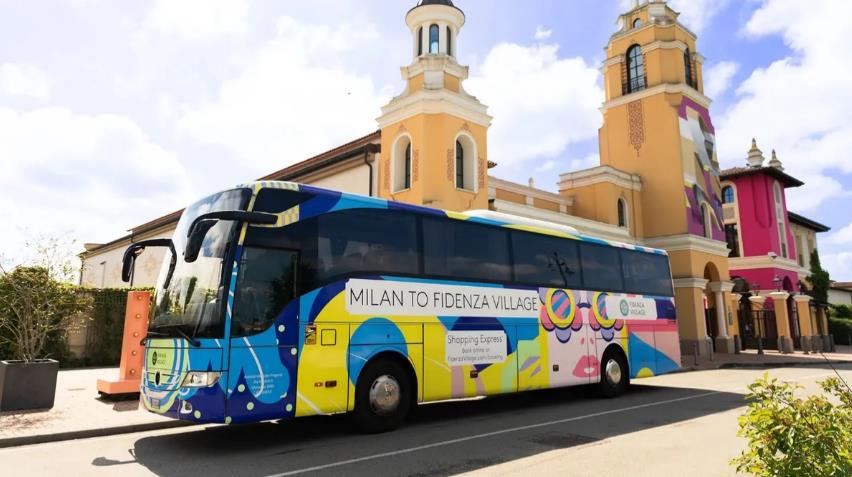
2026 Recommended Guides in Chitose (Updated March)
465 posts
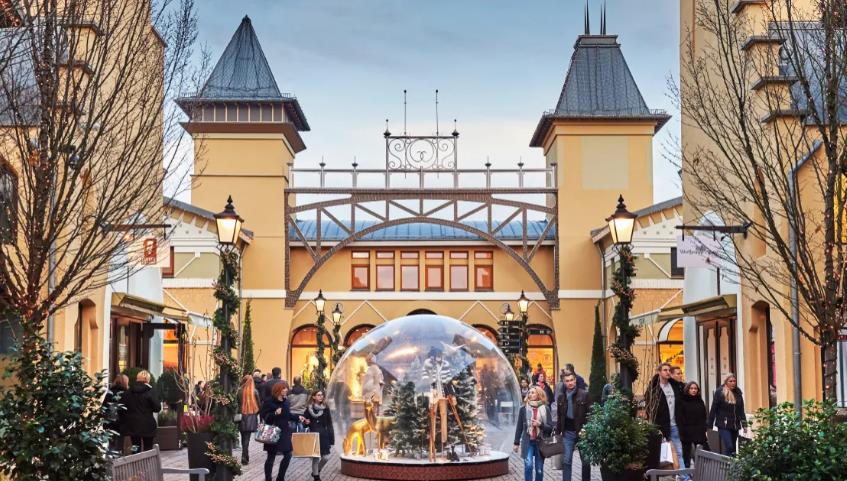
2026 Recommended Attraction in Chitose (Updated March)
377 posts
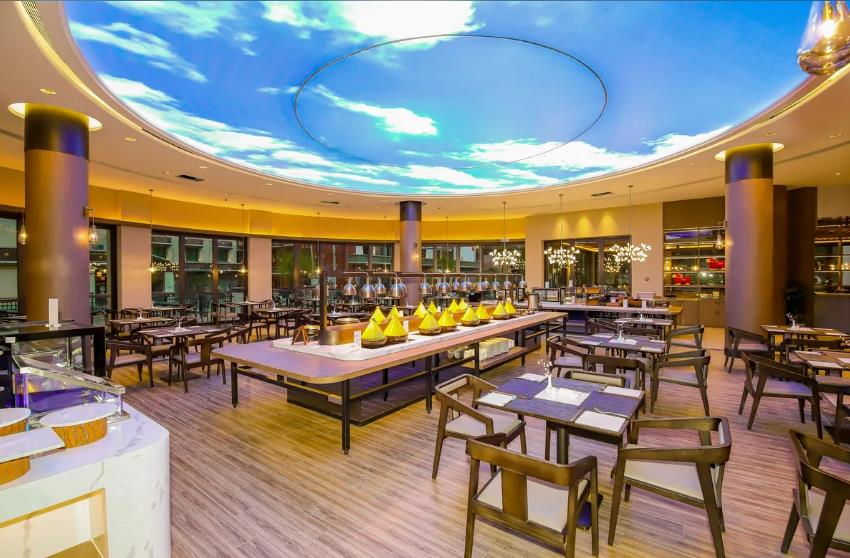
2026 Recommended Restaurant in Chitose (Updated March)
220 posts

Popular Destinations Near Chitose

2026 Sapporo Travel Guide: must-see attractions, popular food, hotels, transport & travel experiences (updated in March)
4808 posts
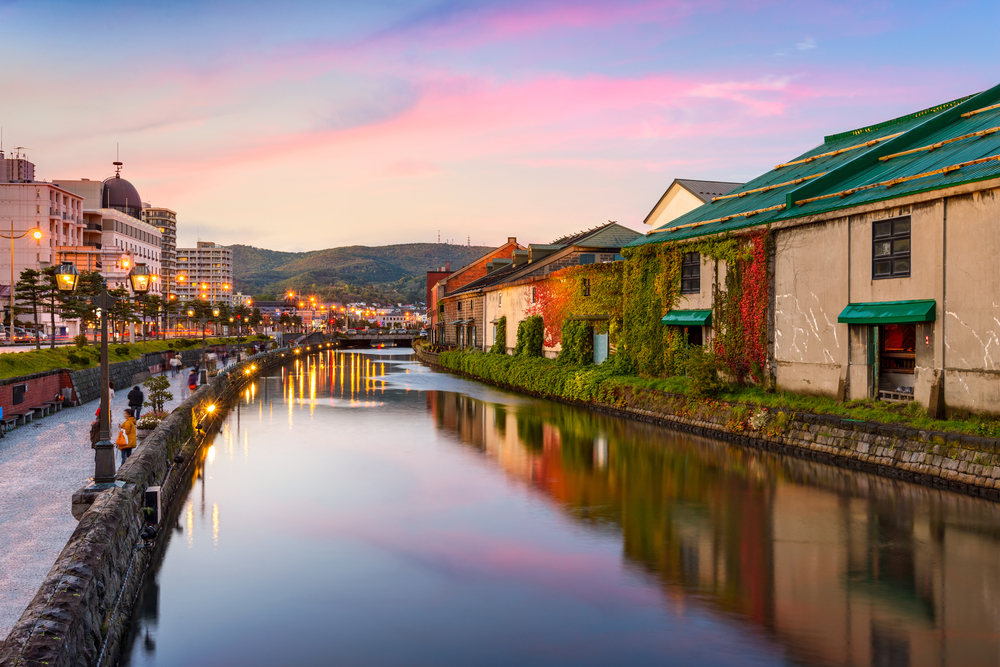
2026 Otaru Travel Guide: must-see attractions, popular food, hotels, transport & travel experiences (updated in March)
1718 posts
2026 Noboribetsu Travel Guide: must-see attractions, popular food, hotels, transport & travel experiences (updated in March)
566 posts
- 1
- 2
- 3
- 4
- 31
Post
More recommendations
Popular Trip Moments
Touring New Chitose Airport | Hotel Review / Sapporo Snow View Hotel: The Night View from Your Window is Absolutely Amazing! | 🍜 A gathering of 10 carefully selected famous restaurants! | HOKKAIDO 3 Days 2 Nights: A Snowy Paradise | [Top 5 recommended souvenirs to buy at New Chitose Airport] | Sushi สายพาน ที่สนามบิน New Chitose 🍣📍 | ❄️Shikotsu Lake Ice Festival – Step into a Dreamlike Ice and Snow World | 1 Night, 2 Days: Sapporo Gourmet Trip | [2 nights, 3 days trip to Hokkaido] Timetable for the last day enjoying Tomamu Resort | Discover the Wonders of New Chitose Airport! | 7-Day Trip Guide to Chitose | Hokkaido Trip Sapporo Edition | Savoring the Last Meal at Sapporo Airport! "Kantaro" Conveyor Belt Sushi for a Final Treat. | Discover the Highlights of New Chitose Airport in Hokkaido! | Lake Shikotsu Ice Festival | Side trip from Sapporo ☃️☃️☃️ | Honest Reviews of Hokkaido Ramen at New Chitose Airport and Sapporo | The Best Spice Journey: 3 Local Favorite Curry Spots in Sapporo | Snow Miku Sky Town at New Chitose Airport | A Journey to Discover Art in Hokkaido: 3 Must-Visit Spots | Hidden Blue Lake Sanctuary in Hokkaido! Lake Shikotsu: Hot Springs, Scenic Views, and Hime Masu, Winter Ice Festival is Legendary | This is the airport👀 The Gundam Base at New Chitose Airport is better than I imagined✨ | Royce' Chocolate World Factory and Exhibition Space at New Chitose Airport | Royce' Chocolate World | New Chitose Airport ✈️ 3 must-see shops for souvenir hunting✨ | “Frozen Crystal of the North” 🧊 | “Crystal Blue Silence of Winter” ❄️ | Review of the hotel at New Chitose Airport, Hokkaido | ♨️The perfect place to relax before or after your flight♨️ New Chitose Airport Hot Springs: A hassle-free hot spring experience right at the airport
Popular Destinations
Sweetwater County Travel | Kasama Travel | Dauphin County Travel | Trento Travel | Felton Travel | Yangshan County Travel | Bear Lake County Travel | Scheibbs District Travel | Putrajaya Travel | Nisava District Travel | Larne Travel | Hammond Travel | Motherwell Travel | Vanderburgh County Travel | Kiama Travel | Brent Travel | Tuktoyaktuk Travel | Tamba Travel | Cala d'Or Travel | Yarmouth Travel | Framingham Travel | Canmore Travel | Newport Travel | Ajax Travel | Fontainebleau Travel | Saint Simons Island Travel | Parkersburg Travel
Recommended attractions at popular destinations
Popular Attractions in Bangkok | Popular Attractions in Manila | Popular Attractions in Tokyo | Popular Attractions in Taipei | Popular Attractions in Hong Kong | Popular Attractions in Seoul | Popular Attractions in Kuala Lumpur | Popular Attractions in Los Angeles | Popular Attractions in Shanghai | Popular Attractions in New York | Popular Attractions in Shenzhen | Popular Attractions in Osaka | Popular Attractions in Singapore | Popular Attractions in London | Popular Attractions in Guangzhou | Popular Attractions in San Francisco | Popular Attractions in Beijing | Popular Attractions in Macau | Popular Attractions in Bali | Popular Attractions in Jakarta | Popular Attractions in Paris | Popular Attractions in Ho Chi Minh City | Popular Attractions in Istanbul | Popular Attractions in Phuket | Popular Attractions in Chicago | Popular Attractions in Seattle | Popular Attractions in Toronto | Popular Attractions in Orlando | Popular Attractions in Cebu | Popular Attractions in Chiang Mai
Popular Restaurants in Chitose
Hokkaido Milk Castella | Doraibuin Ito Butadon | Ichigen Ebisoba New Chitose Airport Branch | Menyarei | bieisenka New Chitose Airport Store | Kitanohana Hayashi | Soup Curry Lavi | Ryori Chaya Ama no Uta | Doremo LeTAO | Shirakaba Sansou | TATERU YOSHINO | Doraemon Wakuwaku Sky Park Café Zone | Kyoutoshimogamosaryou | The Bird Watching Cafe | Haube | Royce Chocolate World | New Chitose Ramen Street | THE EARTH rook & tarry | Donburichaya (New Chitose Airport) | KITAMINATO | MOSBURGER Shin Chitose Airport | CAFE SKY LIBRARY | Robatayakiresutoranshikotsu | Healthy Buffet AMAM | Baikoken New Chitose Airport | Kita Curry | Ramen Sakurajima | Jersey Brown New Chitose Airport | Hakone Farm Bokujo no Restaurant | Keyaki Shinchitose Airport
Popular Ranked Lists
Popular Premium Hotels in Huguan | Top 50 Must-Visit Restaurants in Tongxiang | Top 20 Best Things to Do in Lima Province | Popular Premium Hotels in Pizhou | Popular Luxury Hotels in Millers Point | Popular Premium Hotels in Nanyang | Top 20 Must-Visit Restaurants in Semporna | Popular Luxury Hotels in Yiliang | Top 50 Must-Visit Restaurants in Shangrao | Popular Premium Hotels in Yuanjiang | Popular Premium Hotels in Basu | Popular Premium Hotels in Macheng | Top 50 Must-Visit Restaurants in Weihai | Top 50 Must-Visit Restaurants in Harbin | Popular Best Things to Do in Changting | Top 50 Must-Visit Restaurants in Johor Bahru | Top 50 Must-Visit Restaurants in Zhongshan | Popular Premium Hotels in Otofuke | Top 20 Best Things to Do in Alexandria Governorate | Popular Best Things to Do in North-West District | Popular Best Things to Do in Ningming | Popular Best Things to Do in Hamilton County | Popular Best Things to Do in Qena Governorate | Top 50 Must-Visit Restaurants in Taiyuan | Top 50 Must-Visit Restaurants in Christchurch | Popular Premium Hotels in Yingkou | Popular Premium Hotels in Puyang | Top 50 Must-Visit Restaurants in Nantong | Top 50 Must-Visit Restaurants in Lisbon | Top 50 Must-Visit Restaurants in Yantai
About
Payment methods
Our partners
Copyright © 2025 Trip.com Travel Singapore Pte. Ltd. All rights reserved
Site Operator: Trip.com Travel Singapore Pte. Ltd. Travel License No. 02943
Site Operator: Trip.com Travel Singapore Pte. Ltd. Travel License No. 02943