Cebu Travel Guide 2026: Top Attractions, Local Food & Travel Tips | Trip.com
About Cebu
Recommended trip: 3–5 day(s)
Recommended trip: 3–5 day(s)Current weather conditions
 27°C
Cebu Local Experiences Map









Trending in Cebu
Cebu Local Travel Guide 2026
Cebu Brief Guide
Cebu, the Philippines' bustling island hub, mixes urban energy with pristine beaches and world-class diving spots like Moalboal. Hike to Kawasan Falls for a refreshing cascade swim or trace history at the Basilica del Santo Niño. This guide lays out your seamless trip, from island hops to street food favorites.
Cebu Must-try local experiences
1. Visit Historic Sites in Cebu City Cebu City's old quarter holds key spots from Spanish colonial days, easy to explore on foot or by tricycle. Begin your journey at the Basilica Minore del Santo Niño, the Philippines' oldest Catholic church, constructed in 1565. It features a wooden statue of the child Jesus, attracting daily crowds for prayers. Nearby, see Magellan's Cross, marking the spot where Ferdinand Magellan planted the first Christian cross in 1521, now under a pavilion. End at Fort San Pedro, a small 16th-century fort with gardens and cannons for a quick history lesson. 2. See the Sardine Run in Moalboal Moalboal, a short drive south of Cebu City, is famous for its massive schools of sardines that swim in thick, swirling clouds just offshore. Snorkel or dive with them in clear waters—no feeding needed, as they come right up to you. Combine it with a visit to nearby Pescador Island for turtles and reefs. Tours start around PHP 1,500 and run daily; mornings are best for calm seas. It's a simple, wow-worthy way to see marine life up close without crowds. 3. Swim with Whale Sharks in Oslob In Oslob on Cebu's southern tip, join a morning boat tour to snorkel alongside gentle whale sharks, the world's largest fish, fed with small fish to keep them around. Groups are small for safety, and guides explain their habits while you float nearby—touching is not allowed. The water's warm year-round, and tours cost about PHP 1,000 including gear. It's an exciting, bucket-list activity that's family-friendly and runs daily. 4. Explore the Waterfalls Cebu's inland spots, such as Osmena Peak, offer short hikes to grassy hilltops with sea views, or longer treks to falls like Inambakan for cliff jumps into clear pools. Kawasan Falls in Badian offers a fun canyoneering adventure through jungle canyons with jumps, slides, and swims into turquoise pools. Guides lead 3-4 hour tours with helmets and life vests, starting with a short hike—levels suitable for beginners or thrill-seekers. It's a refreshing escape from city heat, best in the dry season (November-May). 5. Relax on Bantayan Island Beaches Bantayan Island, a ferry ride north from Cebu, has long white-sand beaches like Paradise Beach for quiet swims and sunset walks. Rent a motorbike to hop between spots, or try fresh seafood at beach shacks. It's a laid-back alternative to busier islands, with calm waters perfect for all ages. 6. Spot Wildlife at Cebu Safari Cebu Safari and Adventure Park, near Cebu City, lets you drive through enclosures with giraffes, rhinos, and tigers, plus tram rides for closer looks. Feed camels or watch bird shows in the aviary area. Open daily, it's an easy half-day outing for families wanting a zoo-like experience with open spaces. 7. Taste Cebu Lechon and Street Food Cebu is known for its crispy lechon roast pig—try it at places like CnT Lechon for whole or by-the-kilo portions with rice and liver sauce. Wander Carbon Market for street eats like pusô rice dumplings or mango shakes. It's a tasty way to sample local flavors in casual settings. 8. Explore Sumilon Island Sumilon Island, off Oslob, has white sands, a sandbar that appears at low tide, and snorkeling spots with corals and fish. Stay in cliffside cottages or do a day trip with lunch included. Kayak around the lagoon or relax at the beach club. It's a serene, less-crowded island hop with clear waters year-round. 9. Day Trip to Bohol for Tarsiers and Chocolate Hills A quick ferry from Cebu City (2 hours to Tagbilaran) opens up Bohol's top sights as an easy day trip. Visit the Philippine Tarsier Sanctuary in Corella to see these tiny, big-eyed primates in a protected forest—guides explain their shy habits during short walks. Then head to the Chocolate Hills in Carmen, 1,200+ grass-covered mounds that turn brown in dry season, with viewpoints and stairs for photos.
Cebu Must-see Attractions
Cebu is a Philippine island that offers a diverse array of attractions, from the unique interaction with whale sharks in Oslob and the historical significance of Magellan's Cross, to the natural underwater spectacle of Moalboal's sardine run, the religious importance of the Basilica Minore del Santo Niño, and the unspoiled beauty of Sumilon Island's marine sanctuary. Oslob Whale Shark Watching offers a unique opportunity to interact with the world's largest fish, the gentle whale sharks. This attraction is known for the practice of feeding the whale sharks, which allows tourists to swim close to these majestic creatures. The experience begins with a mandatory briefing on the rules of engagement, such as maintaining a safe distance and not touching the sharks, to ensure the safety of both the animals and the visitors. Scuba diving is also a popular activity here, providing an immersive way to observe the whale sharks in their natural habitat. While the attraction has brought significant economic benefits to the local community, it has also sparked controversy regarding the impact on the whale sharks' natural behaviors. Despite the debates, the whale shark watching experience in Oslob remains a major draw for tourists seeking an unforgettable marine encounter. Magellan's Cross is a significant historical and cultural landmark, symbolizing the birth of Christianity in the Philippines. Housed in an octagonal pavilion made of coral stone, known as the kiosk, it contains a wooden cross that represents the one planted by Ferdinand Magellan's expedition in 1521. This site is not only a testament to the country's colonial past but also a place of reverence for many. Visitors can observe the mural on the pavilion's ceiling, which depicts the baptism of Rajah Humabon and his household, a pivotal moment in the nation's religious history. The cross itself, encased in tindalo wood to protect it from damage, is believed by some to possess miraculous powers. Declared a National Cultural Treasure, Magellan's Cross remains a must-visit for those interested in the rich tapestry of Philippine history and the enduring legacy of its Christian faith. Moalboal, located in Cebu, is renowned for its sardine run, a natural spectacle where millions of sardines swim in unison just off-shore, creating an underwater ballet that attracts divers and snorkelers from around the world. This small coastal town has managed to maintain its quaint charm despite the growing attention it receives, offering a perfect blend of relaxation and adventure with its clear waters and vibrant marine life. Visitors can enjoy the sunny beaches and indulge in the unique experience of swimming alongside the dense schools of sardines, making it a must-visit for ocean enthusiasts. The Basilica Minore del Santo Nino is a revered historical and religious landmark, known as the oldest Roman Catholic church in the Philippines. It is home to the sacred image of the Santo Niño, a representation of the Child Jesus, which has a significant place in the hearts of the Filipino people and is considered miraculous. The basilica's architecture is a blend of Muslim, Romanesque, and neo-classicism, with a distinctive dome-like ceiling influenced by Muslim design, an arched main entrance, and a bell tower adjacent to the convent. Visitors can explore the on-site museum that preserves the history of Christianity in Cebu, including antique objects and old cloaks of the Santo Niño. The basilica is a focal point for the annual Sinulog Festival, a vibrant and colorful celebration in honor of the Santo Niño, which transforms the church and its surroundings into a bustling hub of devotion and festivity. Sumilon Island in Cebu is renowned for its unspoiled natural beauty, characterized by its pristine white sand beaches, crystal-clear blue waters, and vibrant coral reefs teeming with marine life. As the first marine protected area in the Philippines, established in 1974, it offers a sanctuary for diverse marine species and is a popular spot for diving and snorkeling enthusiasts. The island's sandbar is famous for its shifting shapes and locations, providing a unique and dynamic coastal feature that changes with the seasons. Visitors can engage in various activities such as trekking, kayaking, and pedal boating, or simply relax and enjoy the tranquil surroundings. The historical significance of the island is highlighted by the presence of a 19th-century watchtower, built to defend against marauders, adding a touch of historical intrigue to the island's allure.
Cebu Food Guide
Cebu's food is renowned for its Cebu-style Pork Barbecue, a marinated and grilled street food staple, and SuTuKil, a trio of seafood preparations that highlight the fresh and diverse flavors of the region's marine offerings. The roasted pork leg is a signature dish of Cebu, known for its savory flavor. The preparation involves marinating the leg before roasting it to achieve a crispy skin, followed by a generous topping of sauce. It's often accompanied by a selection of vegetables. The result is a golden-brown pork trotter that's succulent without being overly fatty, making it a must-try culinary delight for anyone visiting Cebu. In Cebu, fried fish is a staple at meal times. The preparation involves deboning the fish, coating it in flour, and frying it until it achieves a golden-brown crust. It's typically paired with fries, offering a delightful crunch on the outside with succulent fish inside, perfect for nibbling on with a drink. A celebrated street food and party dish in the Philippines, particularly in its namesake province, Cebu. This savory delight is made with thin slices of pork belly or pork shoulder, marinated in a blend of soy sauce, vinegar, calamansi juice, garlic, sugar, and annatto oil, then skewered and grilled over charcoal until perfectly charred and caramelized. Often accompanied by "puso", the hanging rice wrapped in woven palm fronds, this barbecue is a staple at family gatherings and social events, embodying the communal spirit of Filipino celebrations. A beloved seafood cooking method in Cebu, offering a trio of preparations: Sugba (grilled), Tula or Tinula (soup), and Kilaw (raw seafood salad). This culinary tradition showcases the versatility of Cebu's seafood, allowing diners to enjoy the fresh flavors in various forms. SuTuKil eateries, like Co Jordan Talaba and Bangus Eatery, are popular spots where patrons can select their preferred seafood to be cooked on the spot in these three distinct styles.
Cebu Transportation
By air: The Mactan-Cebu International Airport (CEB), located on Mactan Island, is the main gateway to Cebu and the Visayas region. It handles both domestic and international flights from across Asia, the Middle East, and Australia. Airport to Cebu City transfers - MyBus: Offers a reliable and affordable transfer from Mactan-Cebu International Airport (CEB) to major malls in Cebu City. - Taxis: White metered taxis are generally cheaper, while yellow taxis are airport-licensed and have slightly higher fares. - Grab: Booking a Grab ride from the airport provides transparency and security, with the fare determined beforehand. By ferry: From Manila: Direct ferry services from Manila to Cebu are available, with the journey taking approximately 22 hours. From nearby islands: Ferries and fastcrafts connect Cebu City with neighboring islands, such as Bohol, Leyte, and Negros. Popular operators include OceanJet and SuperCat. Grab: The most convenient and safest option for tourists, offering cars and taxis with upfront pricing and GPS tracking. Angkas and Joyride: These motorcycle ride-hailing apps offer a faster way to navigate traffic, particularly for solo travelers on short trips. Jeepneys: These iconic and affordable vehicles follow fixed routes, indicated by route codes on their signboards. This is a cheap way to get around the city, and payment is made by passing the fare forward. MyBus: An organized, modern, and air-conditioned bus system that provides reliable and affordable city routes. It is an excellent option for airport transfers and for traveling between major shopping malls like SM City Cebu and SM Seaside. Tricycles and habal-habal: These are motorcycle-towed sidecars (tricycles) or motorbike taxis (habal-habal) used for short distances, especially in smaller towns and residential or mountainous areas where larger vehicles cannot pass. Fares should be negotiated beforehand.
Cebu Where to Stay
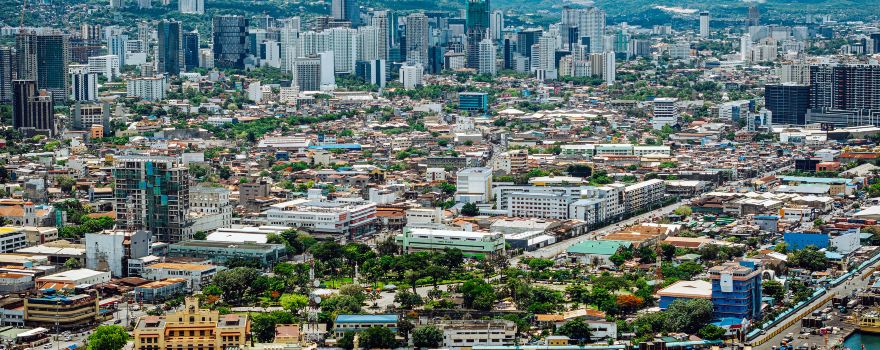
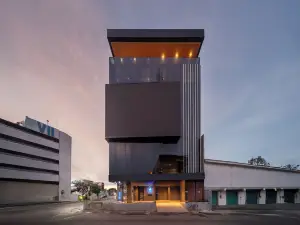
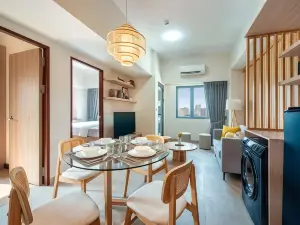
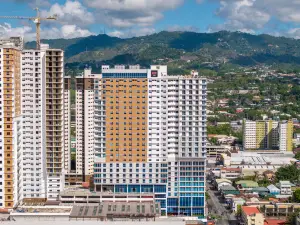
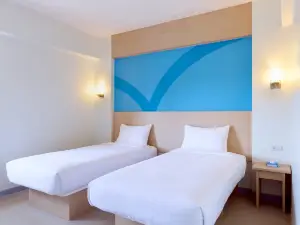
Cebu is a prime destination in the Philippines, known for its diverse accommodation options spread across various regions. Cebu Downtown is the heart of the city, offering a central location close to historical landmarks like the Basilica Minore del Santo Niño and the Heritage of Cebu Monument. It's a hub for shopping with markets and malls, providing a blend of cultural experiences and modern conveniences. The area is well-connected by public transportation, making it easy to explore the city's rich history and vibrant street life. Accommodations here range from budget-friendly hotels to upscale establishments, ensuring options for every type of traveler. The downtown area is also known for its proximity to the port, facilitating trips to nearby islands such as Camotes and Bantayan. Bantayan Island is a serene destination with pristine beaches and a laid-back atmosphere. Known for its white sand and clear waters, the island is a quieter alternative to more crowded beach destinations. Bantayan offers a variety of accommodations, from simple beach huts to more comfortable resorts, catering to both budget and luxury travelers. The island is also a fishing community, ensuring a supply of fresh seafood for visitors to enjoy. Bantayan is accessible by bus and ferry from Cebu City, and once there, tourists can indulge in beach activities, island hopping, and exploring local attractions like the Ogtong Cave. The island's relaxed vibe and natural beauty make it a top choice for a peaceful getaway. Camotes Islands, known as the "Lost Horizon of the South", are celebrated for their secluded white sand beaches and natural attractions like Lake Danao and Timubo Cave. The islands offer a peaceful environment away from the hustle and bustle, ideal for travelers seeking tranquility and a connection with nature. Accommodations in Camotes are budget-friendly, with options ranging from simple guesthouses to beachfront resorts. The islands are accessible by ferry, and once there, visitors can enjoy activities like swimming, kayaking, and exploring the local caves and lakes. The serene setting and unspoiled beauty make Camotes a perfect retreat for relaxation and adventure.
Cebu Best Time to Visit
The best time to visit Cebu is during the dry season, which runs from December to May, for optimal weather for beach-hopping, diving, and other outdoor activities. Within this period, the peak season is from December to February, offering cooler, more comfortable temperatures, while March to May is the hottest and sunniest.
Cebu Travel Tips
1. Fill out the eTravel app All travelers must register on the eTravel app between 72 and 3 hours before their departure for the Philippines. A QR code will be generated for immigration. 2. Stay safe Avoid walking alone at night, especially in dimly lit or less-populated areas. Stay vigilant, especially in crowded spots like bus terminals, jeepneys, and markets, where pickpocketing can occur. Don't leave your belongings unattended in public places. Be cautious of scams, such as taxi drivers refusing to use the meter or people trying to overcharge for services. While most Filipinos are friendly and helpful, exercise caution if approached by strangers offering assistance, especially near ATMs or in tourist areas. 3. Negotiate habal-habal fares If using a motorcycle taxi (habal-habal) for short trips or in mountainous areas, always agree on the fare beforehand to avoid disputes. 4. Ensure motorbike rentals are legitimate If you rent a motorbike, ensure you have the proper license and insurance. Inspect the vehicle and take photos or a video before your trip to avoid accusations of pre-existing damage upon return. 5. Do not drink tap water Stick to bottled water to avoid stomach issues. 6. Dress appropriately for religious sites When visiting churches or heritage sites, adhere to the dress code. For example, the Basilica Minore del Santo Niño requires you to wear a shirt with sleeves and long pants or a long skirt.
Cebu Useful Guide
The primary local language in Cebu is Cebuano, often referred to by locals as Bisaya or Binisaya. Alongside Filipino (based on Tagalog), English is an official language of the Philippines and is widely spoken and understood, especially in urban areas and tourist hotspots. Grab: A versatile app offering food delivery and ride-hailing services, including cars, taxis, and motorbikes, known for its wide availability in Cebu. Transportify: An express delivery app in Cebu that provides efficient logistics solutions with real-time tracking and a range of vehicle types for different delivery needs. Angkas: A motorcycle ride-hailing app that is popular for its low prices and fast response times, although its availability is more limited compared to Grab. JoyRide: Offers both car and motorcycle ride-hailing services, recognized for reliable service and competitive prices, but with a smaller coverage area than Grab. Prepaid SIM cards Purchasing a local prepaid SIM card is the most common way for tourists to get affordable and reliable internet access. The three major players in the Philippines' mobile market are Smart, Globe, and DITO. Smart is generally recommended for its more exhaustive coverage, while Globe is also a reliable alternative. DITO is a newer player offering cheaper prices, but its coverage is more limited, making it better suited for use within urban centers like Metro Manila rather than for island-hopping. eSIM eSIMs offer a convenient, all-digital alternative to physical SIM cards, allowing you to get connected as soon as you land. Both Smart and Globe offer eSIM plans for tourists. There are also international eSIM providers like Airalo, Nomad, and Holafly that have plans for the Philippines. Free Wi-Fi Free public Wi-Fi is available in many parts of Cebu, but it should not be your sole communication option. International roaming Using your home mobile provider's international roaming plan is an option, but it is typically the most expensive method. In Cebu, the official currency is the Philippine Peso (PHP). A combination of cash, credit/debit cards, and mobile e-wallets is the best approach for travelers. Cash: Always carry cash for smaller shops, street vendors, local public transport (jeepneys, tricycles), and tips. ATMs are widely available in Cebu City, malls, and banks. However, in more rural areas, ATMs may be scarce or run out of cash. Exchange major foreign currencies like USD, EUR, AUD, and GBP at airport counters upon arrival or at banks and authorized money changers in malls for better rates. Credit and debit cards: Credit and debit cards are widely accepted at major hotels, shopping malls, upscale restaurants, and large supermarkets in Cebu City. Visa and Mastercard are the most widely accepted cards. American Express may have more limited acceptance. Digital wallets (e-wallets): E-wallets like GCash and Maya are extremely popular in the Philippines, even in Cebu. They are widely used for cashless payments via QR codes at many establishments, from malls and stores to food stalls. To use these apps, you will need to load money onto the e-wallet, which can be done at partner merchants or convenience stores after you have a registered local SIM card.
Trip.Best: Cebu




Plan Your Cebu Trip
What to do



Where to stay







What to eat


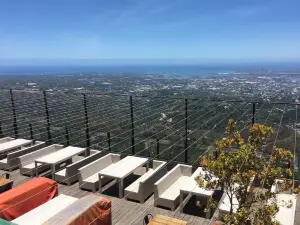
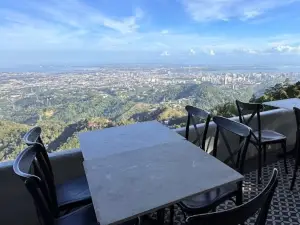
Cebu Moments: Through Travelers' Eyes
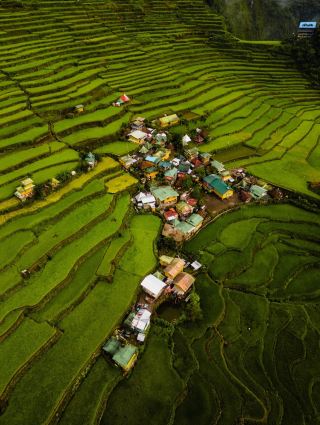
BATAD LOOKS LIKE ANOTHER WORLD 🌾⛰️WOULD YOU HIKE THIS FAR FOR THE VIEW? 👀


The Ultimate Sinulog Festival Experience in Cebu City 🎉✨


Where Nature Drops a Heart: Tulang Diot Island’s Dreamy View 💛

Recommended 3-Night, 5-Day Cebu Itinerary 🏝️


First time visiting the Philippines? Copy this! 5 days and 4 nights nanny-level itinerary!


Island Hopping in Cebu: Swim with Whale Sharks


A Luxury Family Friendly 5 Star Hotel


Sirao Pictorial Garden and Camping Site

Best of Cebu
Popular Best Things to Do Near Cebu





Popular Family Hotels Near Cebu


Popular Scenic Hotels Near Cebu


Popular Instagrammable Hotels Near Cebu


Popular Gourmet Hotels Near Cebu
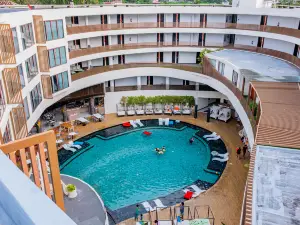


Popular Premium Hotels Near Cebu


Popular 4-Star Select Hotels Near Cebu



Other recommended cities
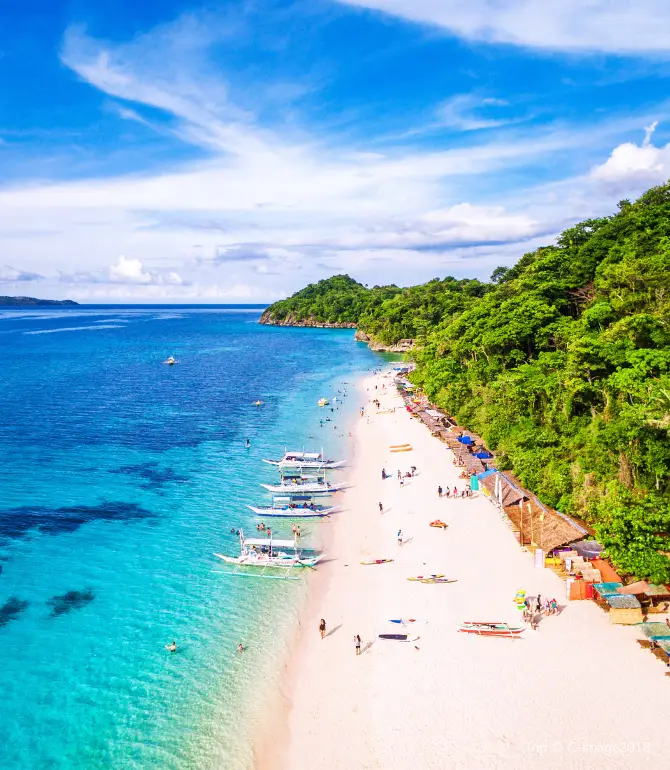
Boracay Island
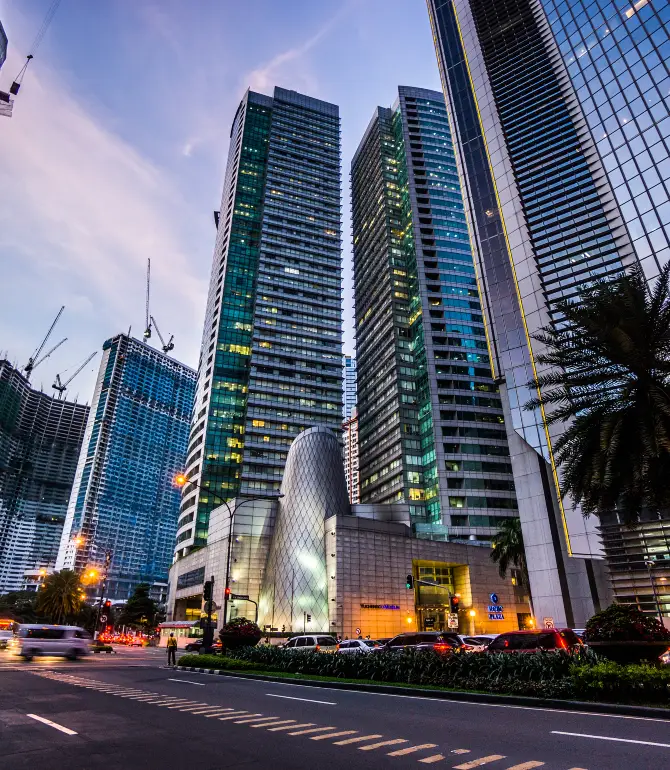
City of Manila
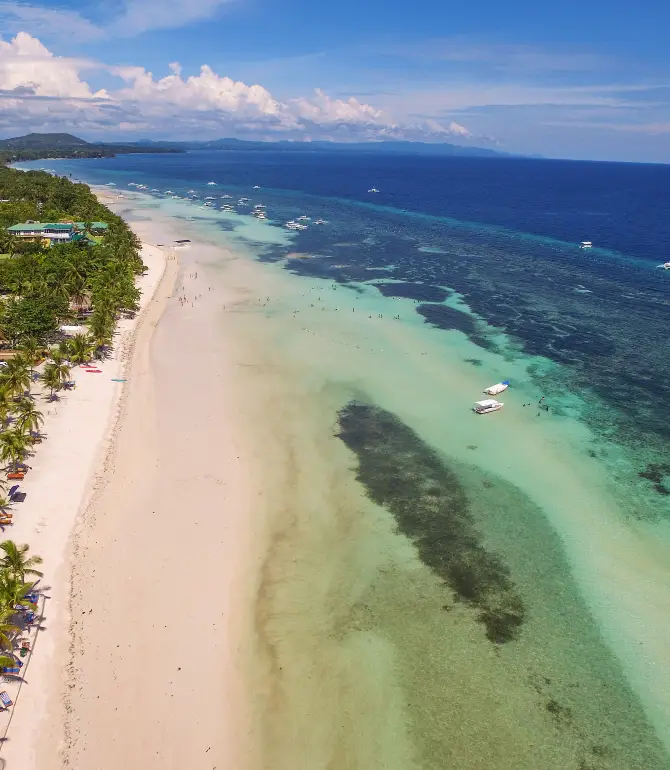
Bohol Island