OverviewReviewsWin PrizesNearbyRecommendedFAQ
Share to
Show all
Hengshan Mountain College
复州古城-横山书院
1.5
3.8/5
59 reviews
Closed Today Opening hours of Hengshan Mountain College
Recommended sightseeing time: 1 hour
Address:
West Street, Fuzhoucheng Town, Wafangdian City, Dalian
Map
Hengshan Mountain College attraction highlights
Some information may have been translated by Google Translate
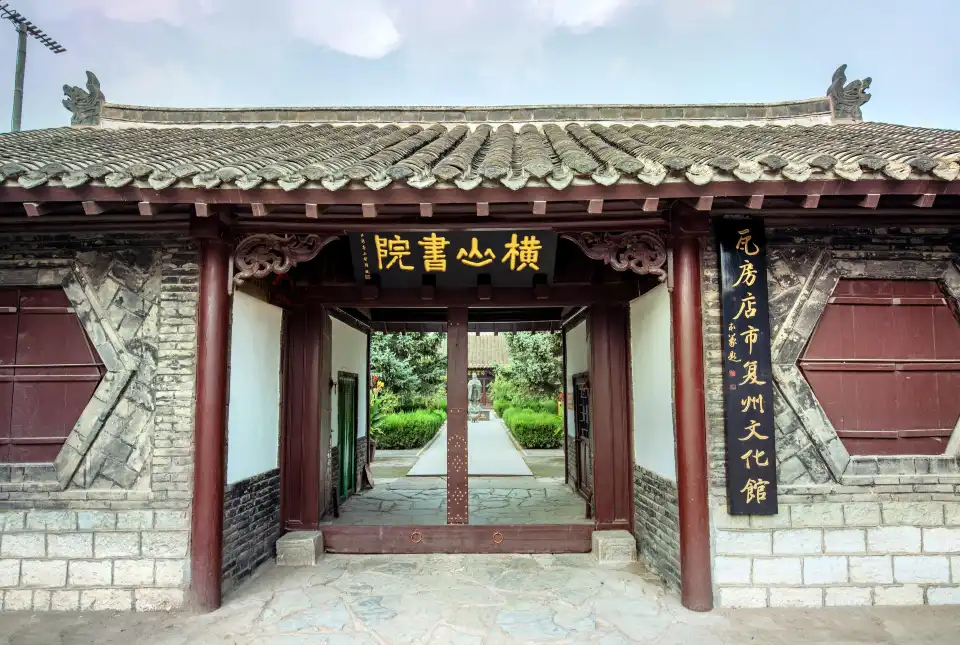
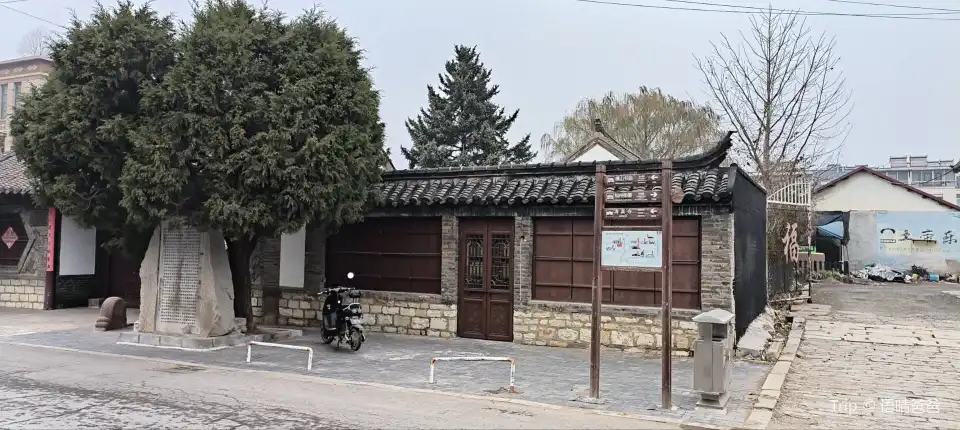
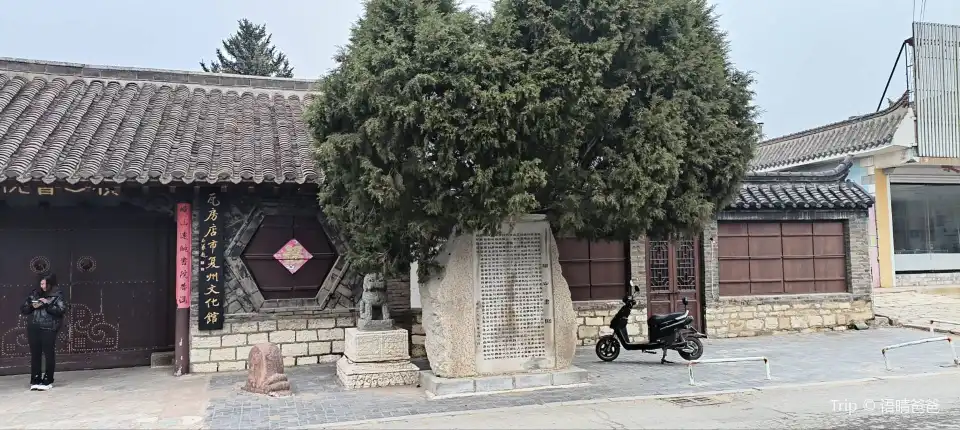
Located on West Street, Fuzhou City, Wafangdian City, in the 24th year of the Daoguang reign of the Qing Dynasty (1844), Zhangju, a magistrate of Fuzhou, proposed the donation of a local gentleman named Confucianism to expand it into an academy. As an institution of higher learning in ancient Fuzhou, it is known as one of the birthplaces of Fuzhou culture. The Hengshan Academy faces south and covers an area of more than 2,400 square meters. There are 5 gatehouses, 5 halls, 7 east and west wing rooms, 11 back halls, and 6 east and west wing rooms in the backyard.
Surrounding area map of Hengshan Mountain College
Hengshan Mountain College FAQ
Trip.com picks
Popular cities in China
Popular Destinations
Things to do in HarbinThings to do in SanyaThings to do in ChengduThings to do in ZhuhaiThings to do in BeijingThings to do in HangzhouThings to do in DujiangyanThings to do in JiuzhaigouThings to do in ChinaThings to do in MacauThings to do in YulongThings to do in SuzhouThings to do in QingdaoThings to do in TaipeiThings to do in Guangzhou
Things to do in ShanghaiThings to do in BeijingThings to do in Hong KongThings to do in OsakaThings to do in ZhangjiajieThings to do in SingaporeThings to do in ChongqingThings to do in TokyoThings to do in GuangzhouThings to do in Xi'anThings to do in ChinaThings to do in JapanThings to do in ThailandThings to do in VietnamThings to do in South KoreaMore recommendations
Nearby Attractions
Dalian Ming Lake International Hot Spring Ski Resort | Fuzhou Ancient City | Binhai Road | Tiedao Museum | Minghu Ski Resort | Hengshan Mountain College | Minghu International Ranch | Wafangdian Museum | Song and Dance Duet Acting Stage | Dong Mountain Park | Yongfeng Pagoda | Yongquan Temple | Jindouhu Sceneic Area | Pulandian White Cloud Mountain | Baiyun Temple
Popular Types of Attractions in Wafangdian
Sightseeing tours | Night view | Boat tour | Cable car | Nature and wildlife | Natural scenery | Mountain climbing | Beaches and shores | Historical attractions | Outdoor activities | Mountain climbing | Shooting | Parks | Amusement parks | Ice and snow parks | Film and television bases | Cultural institutions | Themed exhibition halls | Science & technology museums | Museums | Leisure activities | Farms and pastures | Camping and campsites | Exhibitions & events | Performances | Exhibitions | Concerts | Water sports | Rafting | Boating/Sailing
Popular Restaurants in Wafangdian
江海渔家菜·海肠捞饭·本地海鲜(站前店) | 肯德基(商业城店) | KEN DE JI HUA TAI DIAN | DA SHU RI SHI TAN SHAO | 白记拉面(中和路店) | 涛哥炸串(瓦房店汽车站店) | 米格兰西餐厅(瓦房店) | 大连瓦房店悦宸酒店·餐厅 | 峰味亭韩式料理 | 呼伦贝尔蒙鑫源大铜火锅 | 鱼城印象炭火烤全鱼(瓦房店) | Shishangpinweidangaomianbaodian | Wanlidahongbeifang (liuzhongjiaotonggang) | 大成烤肉(新华店) | 赛百味SUBWAY(瓦房店万成广场店) | 鑫香阁麻辣烫(六中店) | 沪上阿姨鲜果茶(瓦房店大商新玛特店) | 邵汇大虾(长兴岛店) | 袁记串串香(彩虹桥店) | 灵芝妹子海鲜米线(瓦房店新玛特店) | 红太阳拉面馆(河南路店) | 小酌园烧烤 | 华林烧烤 | YI DING WANG CHUAN CHUAN XIANG | 摆谱川小馆 | 后山小串 | 徐记私房面(移动公司店) | 香香过桥米线(瓦房店分店) | 壹村壹烧烤农家饭庄 | N多寿司(租店店)
Popular Destinations
Haltern am See Travel | South Darley Travel | Oak Park Travel | Hobro Travel | Tetbury Travel | Brotas Travel | Myrtle Beach Travel | Ponte de Lima Travel | Ciego de avila Travel | Baker County Travel | Taketa Travel | Senigallia Travel | Knokke-Heist Travel | Bali Province Travel | Le Granit Regional County Municipality Travel | Grindelwald Travel | Georgetown Travel | Abruzzo Travel | Stanley Travel | Baotou Travel | Ruapehu District Travel | North Hwanghae Travel | Amasya Travel | Moose Jaw Travel | Chiba Prefecture Travel | Al Rayyan Travel | Chicago Travel | Shillong Travel
Recommended attractions at popular destinations
Popular Attractions in Bangkok | Popular Attractions in City of Manila | Popular Attractions in Tokyo | Popular Attractions in Taipei | Popular Attractions in Hong Kong | Popular Attractions in Seoul | Popular Attractions in Kuala Lumpur | Popular Attractions in Los Angeles | Popular Attractions in Shanghai | Popular Attractions in New York | Popular Attractions in Shenzhen | Popular Attractions in Osaka | Popular Attractions in Singapore | Popular Attractions in London | Popular Attractions in Guangzhou | Popular Attractions in San Francisco | Popular Attractions in Beijing | Popular Attractions in Macau | Popular Attractions in Bali | Popular Attractions in Jakarta | Popular Attractions in Paris | Popular Attractions in Ho Chi Minh City | Popular Attractions in Istanbul | Popular Attractions in Phuket | Popular Attractions in Chicago | Popular Attractions in Seattle | Popular Attractions in Toronto | Popular Attractions in Orlando | Popular Attractions in Cebu | Popular Attractions in Chiang Mai
Popular Ranked Lists
Popular Premium Hotels Near Komet | Popular Global Traveller-Picked Attractions in Kunshan | Popular Premium Hotels Near North Banjar Baru | Top 50 Global Traveller-Picked Restaurants in Quanzhou | Top 10 Global Traveller-Picked Attractions in Lhasa | Top 20 Global Traveller-Picked Restaurants in Huzhou | Top 50 Global Traveller-Picked Restaurants in Guilin | Popular Premium Hotels in Central Kalimantan | Top 10 Global Traveller-Picked Attractions in Zhongshan | Top 50 Global Traveller-Picked Restaurants in Dujiangyan | Top 20 Global Traveller-Picked Hotels in Zhongshan | Popular Premium Hotels Near Mentawa Baru Hulu | Top 50 Global Traveller-Picked Hotels in Shenzhen | Top 20 Global Traveller-Picked Restaurants in Shijiazhuang | Top 20 Global Traveller-Picked Restaurants in Jiaxing | Top 20 Global Traveller-Picked Restaurants in Jingdezhen | Top 10 Global Traveller-Picked Attractions in Xining | Popular Global Traveller-Picked Attractions in Pengshui County | Top 20 Global Traveller-Picked Restaurants in Linyi | Top 20 Global Traveller-Picked Hotels in Lijiang | Top 10 Global Traveller-Picked Attractions in Changzhou | Top 50 Global Traveller-Picked Hotels in Shanghai | Top 50 Global Traveller-Picked Hotels in Beijing | Top 20 Global Traveller-Picked Hotels in Xiamen | Top 20 Global Traveller-Picked Hotels in Qingdao | Top 50 Global Traveller-Picked Attractions in Chengdu | Top 20 Global Traveller-Picked Hotels in Changsha | Top 10 Global Traveller-Picked Attractions in Jinan | Top 50 Global Traveller-Picked Restaurants in Wuxi | Popular Global Traveller-Picked Attractions in Tai'an
Popular Trip Moments
Escape Dalian: 4 hidden gem cities just 1 hour away by high-speed train | Less crowded, beautiful scenery | Dalian Autumn Road Trip: 4 Stunning, Uncrowded Camping Spots | Stop visiting only Golden Pebble Beach. These high-speed rail accessible hidden gems leave a lasting impression. | Escape Liaoning in 1 hour by high-speed rail: 4 hidden gem cities accessible by high-speed rail | A great place for kids at Xishan Park, Wafangdian | Wafangdian summer off-the-beaten-path 2-day tour guide | Xizhong Island: Dalian’s Hidden Gem & Untouched Coastline—Visit Before It’s Gone! | [Bayuquan District, Yingkou City, Liaoning Province] Self-driving tour of Wang'er Mountain Scenic Area. | Dalian Paishi Scenic Area|A Billion-Year-Old Sea Erosion Secret, Dalian’s Hidden Gem for Sea Views | Three-day trip to Dalian in August (Part 1) | Breathtaking beauty! This hidden coastal gem in Dalian is incredible?? | Dalian Changxing Island! Private sea view space pod! Watch the sunrise while lying down! | 9-day classic Dalian highlights tour around Bohai Bay | Live report from Dalian on July 19. Sisters planning to go, please consider carefully | Skip Xi'an | The ancient city beneath the premier pagoda of southern Liaoning, with its stunning red-robed Buddha niche | 4 Hidden Gems Around Dalian for an Off-the-Beaten-Path Trip | Off-the-beaten-path check-in · must-visit Qing dynasty cultural site in southern Liaoning | Hengshan Academy | Escape to the Coast with Your Kids for a Weekend from Shenyang: 4 Quiet Little Cities Just 1.5 Hours Away | 🩵 Save this! Dalian July 2026 seaside foraging schedule! | Escape Dalian for the weekend: 4 niche cities within a 1-hour high-speed rail ride | Dalian's May Day cultural and tourism activities kick off | Dalian "0411" Themed Event Kicks Off | Giant Stonehenge on the Grassland | 90% of tourists don't know! The cliff sea view ceiling at Xihu Zui, watch the stunning sunset at General's Rock | June Exclusive Romance|Complete Guide to Unlocking the Bioluminescent Sea by the Coast | Dragon Boat Festival Glow Chasing Guide|Encounter the Most Dreamy Bioluminescent Sea in Northern China | Summer Night Light Chasing Guide|Encounter the Romantic Blue Star River of the Sea | June Dalian Blue Tears Guide|Encounter the Blue Tears of the Sea | Photographer's Private Seaside Shooting Spot: Paishi Scenic Area in Wafangdian | Wafangdian Changxing Island|Visit the island during Dragon Boat Festival, fewer people, comfortable, enjoy the sea and tide freely
More Things To Do in Wafangdian
Wafangdian trip moments[Follow-up shooting services including photography, videography, photos, short videos, mobile and camera appointments, aerial photography, action direction with all raw images provided / translation] | Mainland China 5G eSIM | ChatGPT Available | Day Pass/Total Data | 24-Hour Billing | 1-365 Days | QR Code | Mainland China 5G eSIM | Supports Google Maps / ChatGPT | Daily/Total Data Plans | 24-Hour Billing | 1–365 Days | QR Code | China Mainland 5G eSIM | Three Networks Supported, Supports All AI & TikTok | 500MB/Day - 100GB Total | 1-60 Days | 24-Hour Billing | QR Code | Global (77 Countries) 5G/4G eSIM | Supports Google Maps/TikTok/ChatGPT | Total Data Plan | 24-Hour Billing | 1–30 Days | QR code | Mainland China/Hong Kong/Macau 5G eSIM | Dual Network | Day Pass/Total Data Package | 24-Hour Billing | QR Code | Mainland China · Hong Kong · Macau 5G eSIM | All AI & TikTok | 1–365 Days | QR Code | Mainland China 5G eSIM | Dual Network • All AI & TikTok | 1–365 Days | QR Code | Asia 10 Regions 5G eSIM | Multi-Network • All AI Supported | 1–30 Days | QR Code | Mainland China/Hong Kong/Macau/Taiwan 5G/4G eSIM | Supports Google Maps / ChatGPT | Daily/Total Data Plans | 24-Hour Billing | 1–30 Days | QR Code | Asia-Pacific eSIM | 5G/4G | High-speed data | Daily data/data plan | 24-hour service | 1-30 days | QR code | Orange World 4G/LTE eSIM | Calls + SMS | 31 Days Total 50MB–20GB | Calendar-Day Billing | QR code | Mainland China 5G eSIM | Dual Net | Daily/Total Data Package | 1–30 Days | 24-Hour Billing | QR Code | Mainland China 5G eSIM | 2GB/day - 50GB total | Some plans include voice calls | AI & TikTok available | 1-365 days | Natural | QR Code | Mainland China/Hong Kong/Macau 4G/5G eSIM | Daily Package/Data Package | 24-Hour Billing | QR Code | Dalian xi banquet · Xi · Grand Tang dynasty imperial feast (Tang-style immersive court music and dance performance + coastal seafood imperial banquet + optional ancient costume and makeup experience) | Dalian Xiyan • Xi • Immersive imperial banquet (grand Tang palace feast + imperial cuisine tasting + live performance + optional Chinese-style costume and makeup experience) | Dalian Wanyi yacht fishing sailing boat club (deep sea fishing + unlock new ways of fun on the sea) | Zhuanghe Trip Moments[Wedding Photography, Short Films, Promotional Videos, Documentaries, Aerial Shoots/Wedding Day Photography and Videography/Translation] | Global 77 Countries 4G/5G eSIM | Day Pass/Total Data Package | 24-Hour Billing | QR Code | Gaizhou Trip Moments[Microfilm promotional videos/documentaries/commercial photography & videography/wedding portrait photography/multilingual translation] | Dalian coastal city 1-day tour | Xinghai Square + Binhai Road + Tiger Beach [private charter, admission ticket not included] | Asia (12 Countries) | 4G/5G eSIM | Data Package | 365 Days Ultra-long Validity | 24-hour Billing | Real-name Registration Required for Hong Kong & Taiwan | QR Code | 1-day tour of Dalian Golden Pebble Beach National Tourism Resort | 5G SIM Card: China 5G Universal SIM Card with 30GB/80GB of unlimited 5G data and a free Shanghai PASS (Pick up at Shanghai Pudong Airport) for unlimited travel in Shanghai | Yingkou Travel Photography[Wedding photo micro-movie aerial photography/wedding follow-up photography/makeup and clothing/charter tour guide customization] | China (Mainland and Macau) 5G/4G eSIM|China Unicom official product | Dalian elephant trunk hill paddleboarding | 4-hour glass sea fun + coach guidance + seagull feeding | China Data Plans 4G/5G eSIM | 500MB/Days-5GB/Days | 24H Calculation|1-365Days | [Mainland China] China Unicom 5G SIM Card | Daily Necessities | Pick-up at Shanghai/Beijing/Dalian Airports | 7/10 Days | Supports Local Calls & SMS + App Registration + Internet Access
Some content is uploaded by users, and specific information is subject to actual conditions
Other visitors' reviews of Hengshan Mountain College
Show More ReviewsIt is not easy to see ancient private schools and academies in the Northeast. In general, academies are built in the Central Plains and Jiangnan regions, that is, in areas with strong Confucian culture and relatively rich, such as Shandong, Henan, Hubei, Hunan, Jiangxi, Anhui, Zhejiang, Jiangsu and other places, such as Bailu Academy, Yuelu Academy, Songyang Academy, Yingtian Academy, Donglin Academy, Bailu Academy, Shigu Academy, Guanzhong Academy, Wenjin Academy, etc. The Northeast region has always been a gathering place for ethnic minorities in ancient times. The Liao, Jin, Houjin, Manchu, and Korean ethnic groups have their own cultural customs. After understanding, I learned that Hengshan Academy was first built during the Daoguang period of the Qing Dynasty. The local officials at that time were also well-read officials in power. Thanks to the Qing government's ruling the country with the concept of Han culture, academies were built in the southern part of the Northeast Liaoning. It is really rain and dew, and the land is all the king's land.