OverviewReviewsWin PrizesTrip MomentsDetailsNearbyRecommendedFAQ
Share to
Show all
Shaoxing Ancient Towpath(Shaoxing Ancient Fiber Channel)
绍兴古纤道
4.4
4.5/5
62 reviews
 based on 3 reviews
Closed Today Opening hours of Shaoxing Ancient Towpath
Free entry
Recommended sightseeing time: 1–2 hours
Address:
Inside Jianhu Lake Scenic Area, Keyan Scenic Area, No. 518 Keyan Avenue, Keqiao District, Shaoxing City, Zhejiang Province, China
Map
Phone:Attraction phone number: +86-575-84367863
Shaoxing Ancient Towpath attraction highlights
Some information may have been translated by Google Translate
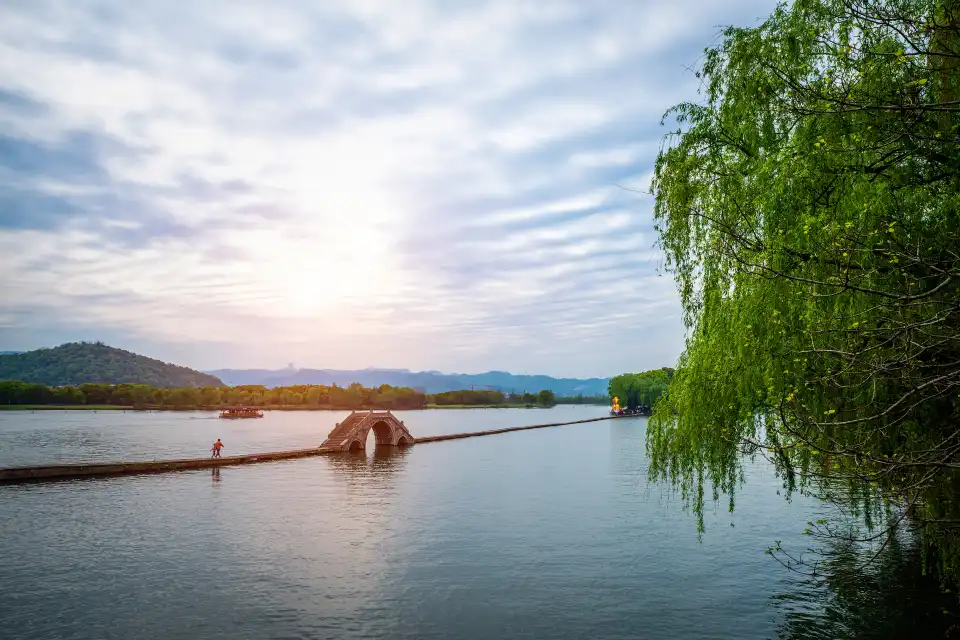
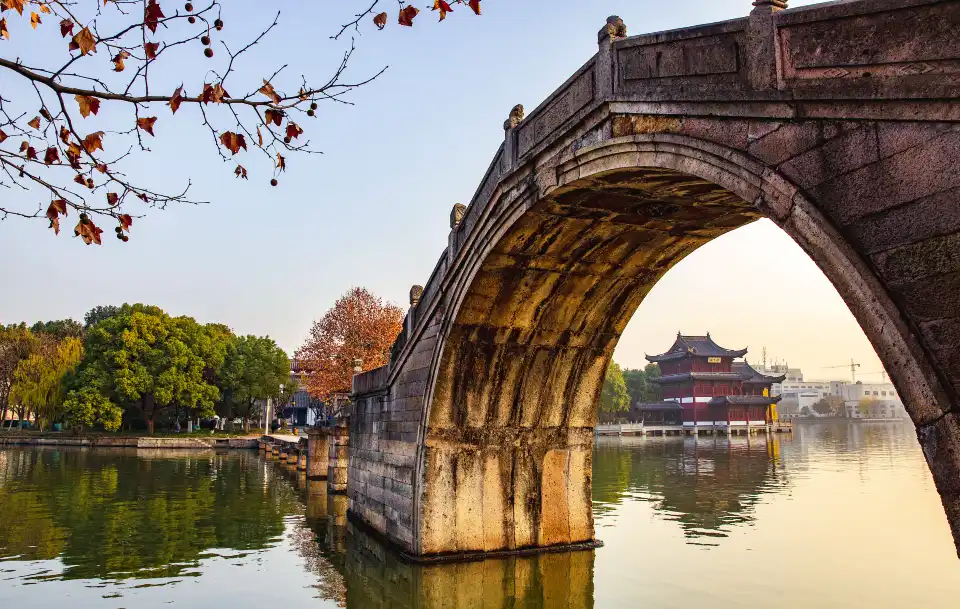
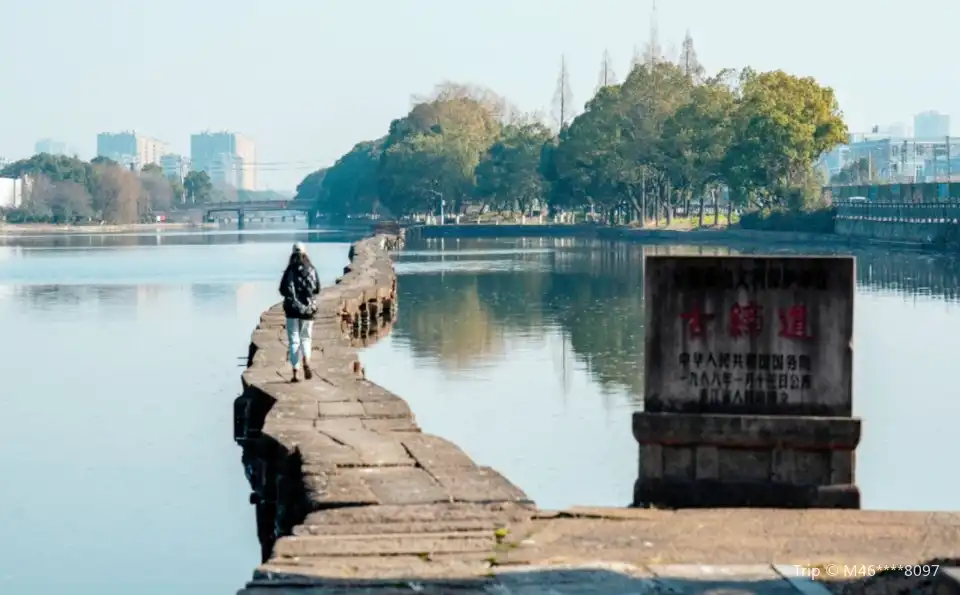
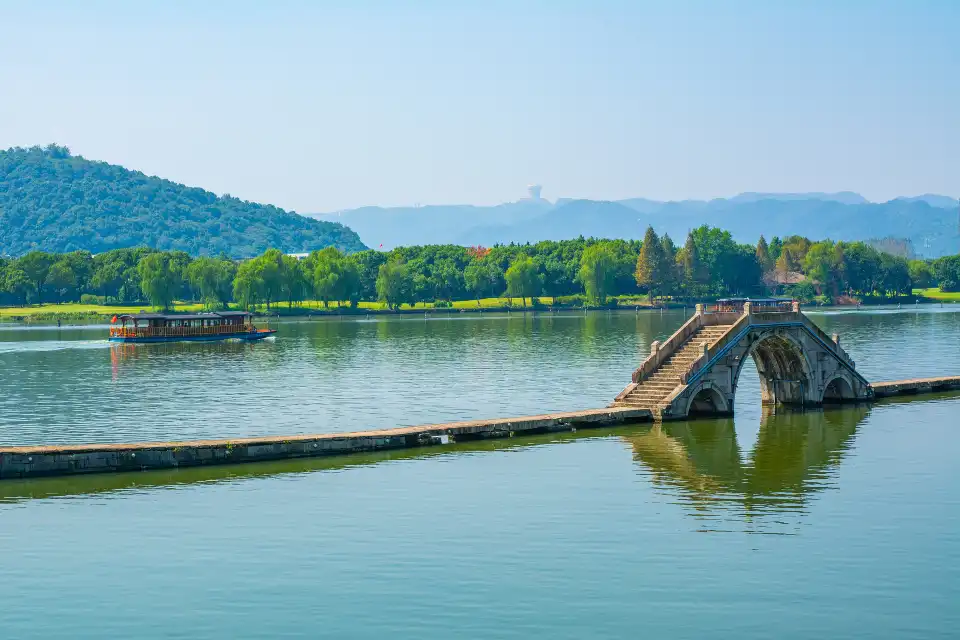
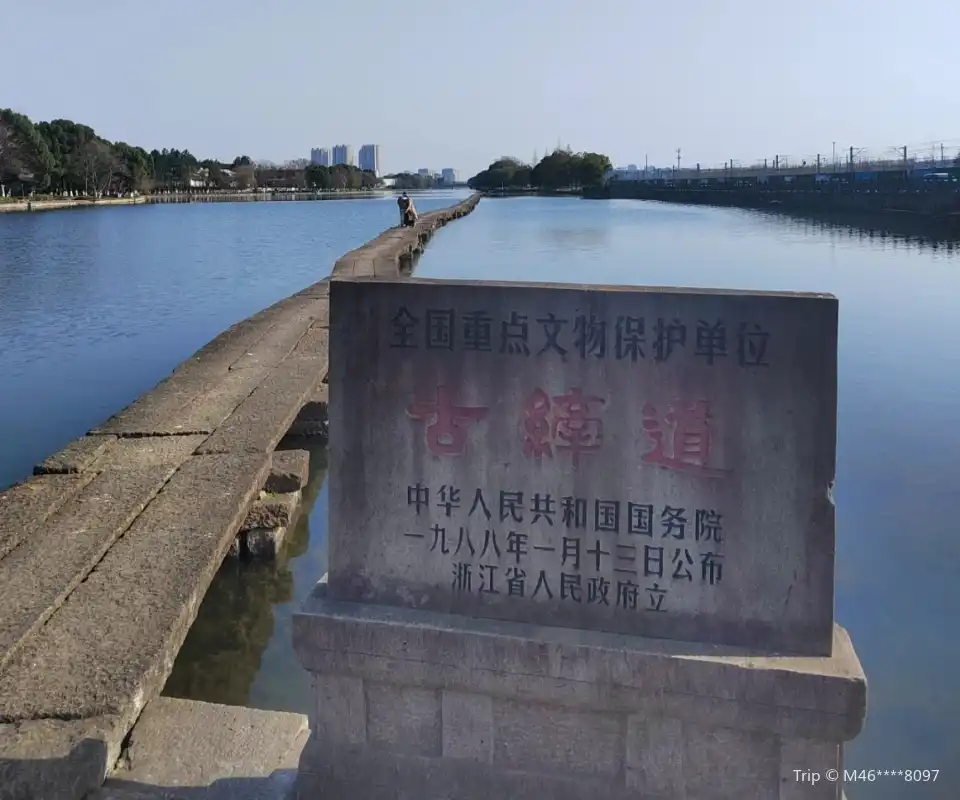
This is the most representative waterway relic of the Zhejiang East Canal, carrying the thousand-year-old water transport culture of Jiangnan, and is one of the core scenic spots of Jianhu Scenic Area. The ancient towpath was first built in the Western Jin Dynasty, took shape in the tenth year of the Yuanhe era of the Tang Dynasty (815 AD), and was rebuilt with local bluestone slabs in the Ming Dynasty, thus being completely preserved to this day. The towpath, about 1.5 meters wide, extends close to the water's surface, sometimes built along the bank, sometimes cutting through the water, resembling a long white jade dike lying across the blue waves, blending seamlessly with the shimmering waters and mountains of Jianhu Lake. The bridge surface is made of stone slabs, reinforced with iron clamps and glutinous rice mortar, making it sturdy and durable, remaining intact despite a thousand years of wind and rain. Arched bridges are placed at intervals to facilitate boat passage, serving both water conservancy, transportation, and navigation protection functions. Strolling along it, one can see the black-awning boats shuttling back and forth, the water and sky reflecting each other, allowing one to appreciate the elegance of the Jiangnan water towns and touch the historical imprints of a thousand years of canal transport and towpath pulling.
Surrounding area map of Shaoxing Ancient Towpath
Shaoxing Ancient Towpath FAQ
Trip.com picks
Popular cities in China
Popular Tour Products in Shaoxing
Popular Experiences in Shaoxing
Popular Destinations
Things to do in YulongThings to do in SanyaThings to do in JiuzhaigouThings to do in TaipeiThings to do in YangshuoThings to do in ZhuhaiThings to do in ChinaThings to do in ChongqingThings to do in HarbinThings to do in HangzhouThings to do in MacauThings to do in QingdaoThings to do in BeijingThings to do in DujiangyanThings to do in Guangzhou
Private small group tour to Shaoxing Lu Xun's hometown, Shen's Garden and Orchid Pavilion | Driver-guide for 1-day tour One-day Tour to Lu Xun's Hometown, Shen's Garden, and East Lake in ShaoxingBusiness vehicle | Optional English-speaking guide | Departing from Hangzhou to Shaoxing Lu Xun's Former Residence + Cangqiao Street + KeyanWupeng Boat Experience + Lu Xun Native Place + Baicao Garden + Sanwei Study Hall + Professional Tour Guide ServiceHangzhou departure: Lu Xun Native Place + Shen's Garden + Cangqiao Straight Street + Lanting private charter 1-day tourShaoxing Lu Xun Native Place + Shen's Garden + Hundred-Grass Garden + East Lake + Orchid Pavilion day tour Shangqing Ancient Path Shaoxing secret hiking trail stepping into the thousand-year-old bamboo pathShaoxing: A Day of Stories, Boats, Rice Wine & CalligraphyShaoxing Kuaiji Mountain Doushuai Tian + Keyan + Anchang Ancient Town 1-day tour with Chinese and English service Private charter pure play - Hangzhou Shaoxing Orchid Pavilion + Lu Xun Native Place 1-day tour with pickup&dropoff service and Chinese/English-speaking guide 1-day tour to Kuaijishan Tusita Scenic Area + Longhua Temple + Keyan Lu Town 1-day tour to Lu Xun native place + Baicao garden + Sanwei study hall + Keyan in Shaoxing Lu Xun Native Place & Keyan Scenic Area & Jian Lake Day TourShaoxing, Zhejiang: Lu Xun Native Place + Shen's Garden + The Calligraphy Sage Historic Site | Customizable Itinerary | Private Charter for Exclusive GroupsShaoxing Wupeng Boat Experience + Lu Xun Native Place + Baicao Garden + Sanwei Study Hall + Shen's Garden Half-Day TourSichuan Costume ExperienceSichuan Cultural ExperienceShaoxing Costume ExperienceShaoxing Day ToursSichuan Travel EssentialsSichuan DivingThings to do in ShanghaiThings to do in BeijingThings to do in Hong KongThings to do in OsakaThings to do in ZhangjiajieThings to do in SingaporeThings to do in ChongqingThings to do in TokyoThings to do in GuangzhouThings to do in Xi'anThings to do in ChinaThings to do in JapanThings to do in ThailandThings to do in VietnamThings to do in South KoreaMore recommendations
Nearby Attractions
Shaoxing Marathon 2026 | Lu Xun Native Place | Shaoxing Ancient City | Shen's Garden | Anchang Ancient Town | Shaoxing Keyan Scenic Area | Donghu Lake scenic area | The Orchid Pavilion | Former Residence of Lu Xun in Shaoxing | Cangqiao Straight Street | Keqiao Ancient Town | Kuaijishan Tusita Scenic Area | The Calligraphy Sage Historic Site | Yangming Memorial Hall | Sanwei Study | Jian Lake | Dayu Mausoleum | Shaoxing Rice Wine City | China National Yellow Wine Museum
Popular Types of Attractions in Shaoxing
Historical attractions | Sightseeing tours | Night view | Boat tour | Cable car | Nature and wildlife | Natural scenery | Mountain climbing | Beaches and shores | Cultural institutions | Themed exhibition halls | Science & technology museums | Museums | Exhibitions & events | Performances | Exhibitions | Concerts | Outdoor activities | Mountain climbing | Cycling | Hiking | Leisure activities | Farms and pastures | Camping and campsites | Spa/massage | Parks | Amusement parks | Film and television bases | Ice and snow parks | Water sports
Popular Restaurants in Shaoxing
Shaoxing Hotel·Restaurant | 王氏蒸饺(水沟营店) | SHAO XING LAO WEI DAO | 绍兴凯世精品酒店·乐笙餐厅 | SHANG DING XIAN TE SE MIAN | 卢记小先肉香酥鸡烧饼(解放南路店) | 绍兴大禹开元观堂·禹家大院 | 绍兴咸亨大酒店·中餐厅包厢区(鲁迅中路店) | BY THE RIVER | XiaoShaoXing Restaurant | CHAIHOLI | XUNBAOJI | 孔乙己酒家 | TONGXIN RESTAURANT | 诸暨正宗次坞打面(人民西路店) | SHAOXING BANQUET | LANTINGJI·SHAOXINGCAI | A GUO FAN DIAN | 私家峰味特色苍蝇小馆(马弄店) | SHAO XING WEI DAO | Shao Dong Jia - San Wei Restaurant | LAOYUAN'S FRISD RICE CAKE | 羊骨头 | 嵊州特色小吃(萧山街店) | 绍兴凯世精品酒店·乐笙餐厅 | Gaolaotaizhengzongnaiyouxiaopan (xinjiannanlu) | Xuyichengshilongxia (jinshidai) | Hongfengxianyangguan (kaixiangdadao) | 凡隐山庄 | 绍兴木棉花·凯悦臻选酒店·小南洋
Popular Destinations
Dauphin County Travel | Auburn Travel | Felton Travel | Yangshan County Travel | Bear Lake County Travel | Scheibbs District Travel | Indonesia Travel | Nisava District Travel | Larne Travel | Hammond Travel | Motherwell Travel | Kuressaare Travel | Luang Namtha Travel | Sanbu District Travel | Macau Travel | Trento Travel | Kiama Travel | Chaumont Travel | Missouri Township Travel | Oceania Travel | El Paso County Travel | Changdao Travel | Gunnedah Shire Council Travel | Haicheng Travel | Dead Sea Travel | Tarras Travel | Crater Lake National Park Travel | Hastings Highlands Travel | Delft Travel
Recommended attractions at popular destinations
Popular Attractions in Bangkok | Popular Attractions in City of Manila | Popular Attractions in Tokyo | Popular Attractions in Taipei | Popular Attractions in Hong Kong | Popular Attractions in Seoul | Popular Attractions in Kuala Lumpur | Popular Attractions in Los Angeles | Popular Attractions in Shanghai | Popular Attractions in New York | Popular Attractions in Shenzhen | Popular Attractions in Osaka | Popular Attractions in Singapore | Popular Attractions in London | Popular Attractions in Guangzhou | Popular Attractions in San Francisco | Popular Attractions in Beijing | Popular Attractions in Macau | Popular Attractions in Bali | Popular Attractions in Jakarta | Popular Attractions in Paris | Popular Attractions in Ho Chi Minh City | Popular Attractions in Istanbul | Popular Attractions in Phuket | Popular Attractions in Chicago | Popular Attractions in Seattle | Popular Attractions in Toronto | Popular Attractions in Orlando | Popular Attractions in Cebu | Popular Attractions in Chiang Mai
Popular Ranked Lists
Top 50 Global Traveller-Picked Restaurants in Xi'an | Top 50 Global Traveller-Picked Restaurants in Suzhou | Top 10 Global Traveller-Picked Attractions in Lanzhou | Popular Global Traveller-Picked Attractions in Longmen | Popular Global Traveller-Picked Attractions in Songpan | Top 10 Global Traveller-Picked Attractions in Yichang | Top 20 Global Traveller-Picked Hotels in Foshan | Top 10 Global Traveller-Picked Attractions in Xining | Top 50 Global Traveller-Picked Restaurants in Xiamen | Popular Luxury Hotels in Ho Chi Minh City | Top 50 Global Traveller-Picked Restaurants in Yantai | Top 50 Global Traveller-Picked Restaurants in Lijiang | Top 50 Global Traveller-Picked Restaurants in Shenyang | Top 10 Global Traveller-Picked Attractions in Nanchang | Top 10 Global Traveller-Picked Attractions in Shangrao | Top 50 Global Traveller-Picked Restaurants in Tianjin | Popular Luxury Hotels in Luang Prabang | Top 50 Global Traveller-Picked Restaurants in Quanzhou | Top 50 Global Traveller-Picked Restaurants in Dalian | Top 50 Global Traveller-Picked Restaurants in Shantou | Top 50 Global Traveller-Picked Restaurants in Yangshuo | Top 20 Luxury Hotels in Kyoto | Top 20 Global Traveller-Picked Hotels in Nanjing | Top 10 Global Traveller-Picked Attractions in Dujiangyan | Top 20 Global Traveller-Picked Attractions in Changsha | Top 20 Global Traveller-Picked Hotels in Jiuzhaigou | Popular Global Traveller-Picked Attractions in Rongcheng | Top 50 Global Traveller-Picked Restaurants in Fuzhou | Top 50 Global Traveller-Picked Restaurants in Jinan | Top 10 Global Traveller-Picked Attractions in Dandong
Popular Trip Moments
Bags of pearls. Overpayment - individual. | Stay in a Xu Wei painting in Shaoxing | Persimmon Paradise: Autumn Vibes in Jingshan Village, Zhejiang 🍊🍁 | The ultimate empowered heroine of Yue Opera, the hardcore anti-corruption female inspector of Jiangnan! | The ultimate Song-style homestay in Shaoxing: A truly immersive stay in a thousand-year-old Jiangnan setting | Autumn Hiking | The Legendary Shibadu Light Hike in Xinchang | A hidden autumn gem on the Tang Poetry Road | Blending the sunset into green mountains and streams | A comprehensive, relaxed guide to 4 hidden gems around the Yangtze River Delta, perfect for a weekend getaway | A 2-day trip to Shaoxing in autumn is absolutely amazing | Back from a 3-day stay in Suqian, and my perspective on travel spending has been completely shattered | 4-day Shaoxing travel guide: A must-save for a hassle-free trip | Tried and tested September getaways: fewer crowds, lower prices, and total peace of mind | [Shaoxing] A Deep Dive into the Mecca of Calligraphy! Exploring the Lanting Calligraphy Museum & its Historical Show. | Shaoxing Holiday Getaway | A bustling ancient city, immersed in golden autumn charm | Top-rated cities in China? These are the places everyone is raving about on social media | 4 hidden gem destinations in the Yangtze River Delta for the Mid-Autumn Festival – perfect for a high-speed train trip from Wenzhou | Just back | 8 cities with zero negative reviews, I regret not knowing sooner | [Shanghai] Looking to visit another city? 4 Recommended Day Trips via High-Speed Rail! | Shangyu Snowflake Pool | The ultimate summer water destination! The crystal-clear water is absolutely stunning | Hangzhou | Haier Lane CityWalk: Found a hidden gem of a shop! | 8 underrated destinations for National Day! Smart travelers saved this early | 5 Niche Cities for a Relaxing 3-Day National Day Getaway to Avoid the Crowds | Of all the Jiangnan ancient towns, Anchang is my favorite. | CCTV recommends skipping Wuzhen and Xitang for this free ancient town that captures the true essence of Jiangnan | High‑speed rail direct connections: 4 small towns perfect for a relaxed 3‑day stay | A Song Dynasty Secret Retreat | Family trips on a budget of around ¥2,000 | 4 high-value hidden gem cities for kids | Did you know Shanghai has a British-style town? Add these 5 hidden gems to your next itinerary! 🇬🇧 | Skip the crowds in Hangzhou and Shaoxing! Quzhou's affordable ancient city: a 3-day, CNY 650 slow-paced, healing getaway | A quiet water town hidden in Shaoxing, perfect for a slow-paced trip with your parents.
More Things To Do in Shaoxing
[Shanghai private charter transfer | Customizable itinerary] Private charter with driver from Shanghai Pudong/Hongqiao to Hangzhou, Suzhou, Wuzhen, Ningbo, Zhoushan, Nanjing, Yangzhou, Wuxi, Jinhua. Available for Hong Kong, Macau and Taiwan | Shaoxing Wupeng Boat Experience + Lu Xun Native Place + Baicao Garden + Sanwei Study Hall + Shen's Garden Half-Day Tour | [Hangzhou Shanghai private car transfer | Customizable itinerary] Private charter with driver from Hangzhou to Shanghai Pudong International T1/T2, Hongqiao, Disney, Wuzhen, Suzhou, Nanjing. Available for Hong Kong, Macau and Taiwan | [Suzhou Shanghai private charter transfer] Private charter with driver from Suzhou to Shanghai Pudong, Hongqiao, Hangzhou, Wuzhen, Ningbo, Zhoushan, Nanjing, Yangzhou, Wuxi, Jinhua. Available for Hong Kong, Macau and Taiwan | [Yangzhou private charter transfer | Customizable itinerary] Private charter with driver from Yangzhou to Shanghai Pudong T1/T2, Hongqiao, Hangzhou, Wuzhen, Nanjing, Wuxi, Changzhou, Hefei. Available for Hong Kong, Macau and Taiwan | Shanghai private charter transfer | Customizable itinerary | Private charter with driver from Shanghai Pudong/Hongqiao to Hangzhou, Suzhou, Wuzhen, Ningbo, Zhoushan, Nanjing, Yangzhou, Wuxi, Jinhua | Available for Hong Kong, Macau, and Taiwan | Yiwu Hengdian private charter transfer | Customizable itinerary | Private charter with driver from Yiwu to Hengdian, Jinhua, Shanghai Pudong/Hongqiao, Hangzhou, Wuzhen, Suzhou, Shaoxing, Wenzhou | Available for Hong Kong, Macau, and Taiwan | [Wenzhou private charter transfer | Customizable itinerary] Private charter with driver from Wenzhou to Taizhou, Lishui, Shanghai Pudong, Hongqiao, Hangzhou, Wuzhen, Ningbo, Zhoushan, Jinhua. Available for Hong Kong, Macau and Taiwan | Hangzhou customized private charter | Private charter from Hangzhou to Shanghai, Ningbo, Zhoushan, Wuzhen, Qiandao Lake, Huzhou, Anji, Tonglu, Hengdian, Suzhou, Nanjing, Yangzhou, Wuxi, Wenzhou, Lishui | Available for Hong Kong, Macau and Taiwan | [Shanghai Tonglu private charter transfer | Pudong | Hongqiao station meet-and-greet] Private charter with driver from Shanghai to Tonglu, OMG Heartbeat Park, Fuchun River. Available for Hong Kong, Macau and Taiwan. Customizable itinerary | [Suzhou Wuzhen private charter transfer | Customizable itinerary] Private charter with driver from Suzhou to Wuzhen, Jiaxing. Available for Hong Kong, Macau and Taiwan. Customizable itinerary | [Shanghai Suzhou private charter transfer | Pudong | Hongqiao station meet-and-greet] Private charter with driver from Shanghai to Suzhou, Suzhou gardens, Qili Shantang. Available for Hong Kong, Macau and Taiwan. Customizable itinerary | Wupeng Boat Experience + Lu Xun Native Place + Baicao Garden + Sanwei Study Hall (Including Reservation Ticket) + Shen's Garden Admission Ticket + Live Guided Tour | [Shanghai Zhoushan private charter transfer | Pudong | Hongqiao station meet-and-greet] Private charter with driver from Shanghai to Zhoushan, Putuo Mountain, Zhujiajian. Available for Hong Kong, Macau and Taiwan. Customizable itinerary | [Hangzhou Wuzhen private car transfer | Customizable itinerary] Private charter with driver from Jiaxing Wuzhen to Hangzhou, Shanghai Pudong International T1/T2, Hongqiao, Disney, Suzhou, Nanjing. Available for Hong Kong, Macau and Taiwan | [Hangzhou Suzhou private charter transfer | Hangzhou Xiaoshan | East station meet-and-greet] Private charter with driver from Hangzhou to Suzhou, Suzhou gardens, Qili Shantang. Available for Hong Kong, Macau and Taiwan | Zhejiang Shaoxing: Ancient City of Shaoxing + Shaoxing Keyan Scenic Area | Customizable Itinerary | Private Charter for Exclusive Groups | [Shanghai Huzhou private charter transfer | Pudong | Hongqiao station meet-and-greet] Private charter with driver from Shanghai to Huzhou, Anji, Moganshan. Available for Hong Kong, Macau and Taiwan. Customizable itinerary | Qiandao Lake private charter transfer | Door-to-door transfer | Customizable itinerary | Private charter with driver from Qiandao Lake to Shanghai, Hangzhou, Wuzhen, Tonglu, Suzhou, Huzhou | Available for Hong Kong, Macau, and Taiwan | Hangzhou + Shaoxing Lu Xun Native Place + Shen's Garden + Bazi Bridge private charter 1-day tour | Xinchang Trip Moments[Wanmadu/Shigou Cave/Wedding Photography with Photographer/Candid Documentary Shots] | Professional translation service throughout Zhejiang province | Hangzhou/Jiaxing/Shaoxing/Huzhou | private customize | inquiries welcome | Shaoxing: A Day of Stories, Boats, Rice Wine & Calligraphy | [Shanghai Qiandao Lake private charter transfer | Pudong | Hongqiao meet-and-greet] Private charter with driver from Shanghai to Qiandao Lake, Tianyu Mountain viewpoint. Available for Hong Kong, Macau and Taiwan. Customizable itinerary | Private Tour: Lu Xun Native Place Attraction + Sanwei Study Hall + Baicao Garden (Including Reservation) + Expert Guide Service (With Wireless Headsets) | Suzhou customized private charter | Premium private charter | Private charter with driver from Suzhou to Shanghai Pudong/Hongqiao, Hangzhou, Wuzhen, Ningbo, Zhoushan, Nanjing, Yangzhou, Wuxi, Jinhua | Available for Hong Kong, Macau, and Taiwan | Tonglu private charter transfer | Door-to-door transfer | Customizable itinerary | Private charter with driver from Tonglu to Hangzhou, Shanghai, Qiandao Lake, Wuzhen, Suzhou, Anji, Huzhou | Available for Hong Kong, Macau, and Taiwan | Hangzhou departure: Shaoxing Donghu Lake scenic area + Anchang Ancient Town Shaoxing water town private charter 1-day tour | Shaoxing, Zhejiang: Lu Xun Native Place + Shen's Garden + The Calligraphy Sage Historic Site | Customizable Itinerary | Private Charter for Exclusive Groups | Hefei private charter transfer | Customizable itinerary | Private charter with driver from Hefei to Chizhou, Jiuhuashan, Nanjing, Yangzhou, Shanghai Pudong/Hongqiao, Hangzhou | Available for Hong Kong, Macau, and Taiwan
Some content is uploaded by users, and specific information is subject to actual conditions
Other visitors' reviews of Shaoxing Ancient Towpath
Show More ReviewsThe Keyan Ancient Canoe Path is a major feature of Shaoxing. The waiter said that it is impossible to get there without taking a boat. In fact, there are roads or stone bridges connecting the whole park, but there are no clear directions. However, the boat ticket is 50% off, which is still a good deal.