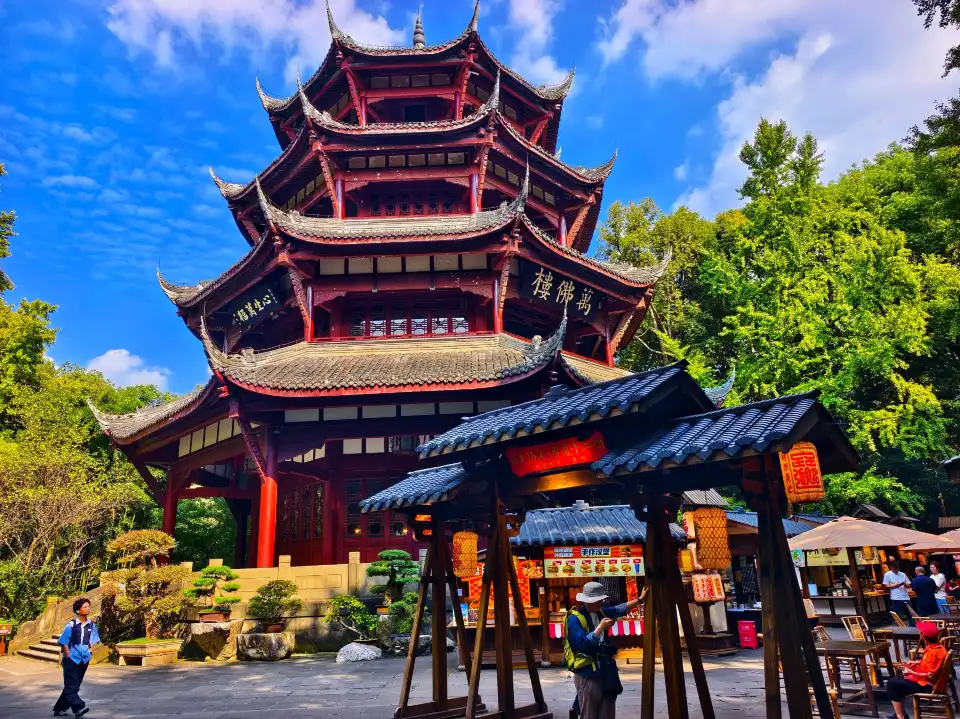
Chengdu Du Fu Thatched Cottage Museum(Chengdu Du Fu Caotang Museum)
成都杜甫草堂博物馆 based on 803 reviews
 2026 Asia 100 - Best Things to Do
Closed Today Opening hours of Chengdu Du Fu Thatched Cottage Museum
Chengdu Du Fu Thatched Cottage Museum attraction highlights
Chengdu Du Fu Thatched Cottage is the former residence of Du Fu, the Sage of Poetry, during his exile in Chengdu. In the winter of 759 AD, Du Fu came to Chengdu with his family to escape the An Lushan Rebellion. In the spring of the following year, he built a "thatched cottage" by the Huanhua Stream and lived there. Du Fu resided here for three years and nine months in total, during which he composed more than 240 poems that have been passed down to this day. Chengdu Du Fu Thatched Cottage is hailed as "the holy land of Chinese literary history." In the late Tang Dynasty, the poet Wei Zhuang located the site of the thatched cottage and rebuilt the thatched hut. Thereafter, Du Fu Thatched Cottage underwent fourteen large-scale renovations and expansions from the Song, Yuan, Ming, and Qing Dynasties to the present day. After the founding of New China, in 1952, Du Fu Thatched Cottage was fully renovated and officially opened to the public. In 1955, the Du Fu Memorial Hall was established, and in 1985 it was renamed Chengdu Du Fu Thatched Cottage Museum. It is now one of the first batch of Major Historical and Cultural Sites Protected at the National Level, a National First-Class Museum, a National Key Protection Unit for Ancient Books, and a National 4A-Level Tourist Attraction. Its area has also grown from the "one mu of cleared thatch" when Du Fu built the cottage to nearly 800 mu today, including 300 mu of cultural relic area and 500 mu of Huanhua Garden area.
Chengdu Du Fu Thatched Cottage Museum is a public welfare Class II institution, and is also additionally designated as the Du Fu Thatched Cottage Poetry, Calligraphy and Painting Academy Art Museum and the Chengdu Chinese Calligraphy Museum. It currently has an authorized staffing of 123 positions and 16 internal working bodies, with its main source of funding being admission ticket revenue.
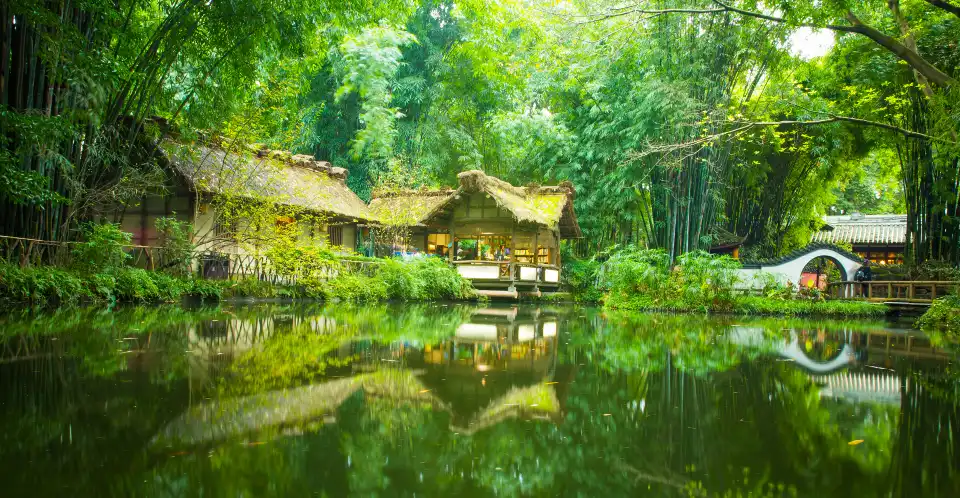
Chengdu Du Fu Thatched Cottage Museum is a museum of ancient architecture, a large-scale center for the collection and display of Du Fu research materials and Du Fu poetry calligraphy and painting in China, an important platform for inheriting and promoting excellent Chinese poetry culture, a representative base of classical gardens in western Sichuan, and a protection and exhibition center for ancient architecture in western Sichuan. Its ancient buildings feature wooden column-and-tie structures, with representative buildings including the Grand Hall, the Hall of Poetry History, the Ministry of Works Hall, the Thatched Hut, and the Sutra Library; its distinctive poetic garden views include the Bonsai Garden, the Orchid Garden, and the Plum Garden.


Chengdu Du Fu Thatched Cottage Museum Reviews: Insider Insights and Visitor Experiences
Chengdu Du Fu Thatched Cottage Museum Photos: Trip Moments
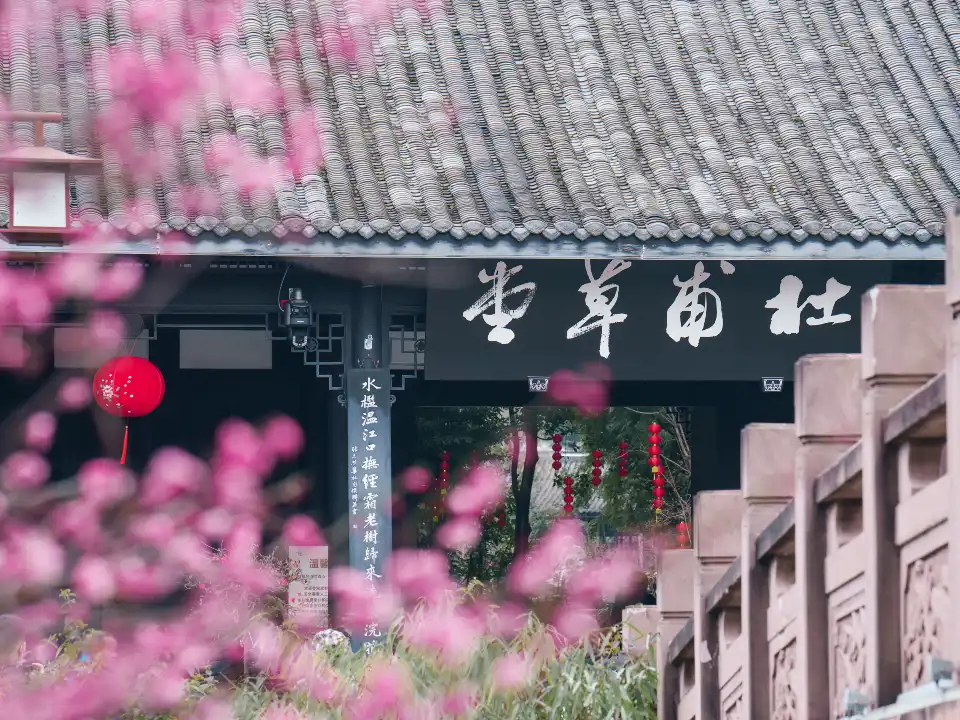
 It’s Chengdu, not Kyoto | Du Fu Thatched Cottage holds the poetry of the flourishing Tang dynastyStop crowding Kyoto! Du Fu Thatched Cottage in Chengdu is the pinnacle of Chinese aesthetics. There are no noisy commercial streets here, only the poetic charm of “timely rain” and the romance of “flowers heavy in Jin’guan city.” Every step reveals a new scene, as if traveling back to the golden age of the Tang dynasty. Must-visit photo spots: every shot is wallpaper-worthy · Thatched cottage residence: the heart of the cottage, restored to Du Fu’s original home. The low thatched eaves and bamboo fences, surrounded by ancient pines and cypresses, instantly evoke the patriotic sentiment of “if only there were mansions for all.” We recommend wearing plain-colored Hanfu or modern Chinese-style clothing and taking a back-facing photo in front of the cottage to capture the full atmosphere. · Red wall flower path: a winding path flanked by red walls, with bamboo and flowers on both sides. Sunlight filters through the bamboo leaves, casting dappled shadows. The contrast of red walls and green bamboo makes this one of the most photogenic spots in the cottage. Use a telephoto lens to compress the space and create a sense of depth. · Wanfo tower: the highest point in the cottage, offering a panoramic view of the entire garden. Inside, inscriptions and poems by literati from various dynasties are displayed, allowing you to appreciate both architectural beauty and a thousand years of cultural heritage. Visit at dusk to see the sunset gild the ancient tower, a breathtaking sight. · Tingqiu pavilion and waterside pavilion: built by the water, these pavilions feature intricately carved window lattices overlooking a pond with rippling water and elegant lotus flowers. Sit inside to enjoy tea, watch water birds skim the surface, and listen to the rustling bamboo in the breeze—this is the true way to experience the relaxed lifestyle of Chengdu locals. Tips for visiting: avoid crowds and immerse yourself in poetry · Best time: enter at 8:00 AM when the park opens, as there are fewer visitors and soft light perfect for empty shots; or visit on a rainy day, when the “misty rain cottage” adds a layer of hazy poetry, perfectly matching Du Fu’s imagery of “moistening things silently.” · Transportation: take Metro Line 4 to Caotang North Road Station, exit B, then walk 10 minutes; or take bus 19 or 35 to Du Fu Thatched Cottage Station. Drivers can park in the scenic area’s lot, but spaces are limited on weekends, so green travel is recommended. · Ticket info: adult tickets are 50 yuan per person, student tickets 25 yuan (valid student ID required), free for seniors over 60 and children under 1.3 meters. It’s best to book tickets in advance via the official WeChat account to avoid lines. · Dress code: recommended attire includes modern Chinese-style clothing, Hanfu, or plain cotton and linen outfits. Avoid bright colors that disrupt the ancient vibe. Choose flat cloth shoes or sneakers, as the park has many stone paths and comfort is key. Why Chengdu, not Kyoto? Kyoto’s beauty lies in its refined gardens and dry landscape designs; Du Fu Thatched Cottage’s beauty is the patriotism and everyday humanity written by the “poet sage” with his life. Every brick and plant here holds Du Fu’s verses and stories—from the sorrow of “the nation broken, mountains and rivers remain,” to the warmth of “willing to drink with the neighbor,” and the hope of “watching the red wet place at dawn.” It’s more than a scenic spot; it’s a living literature lesson and a deep dialogue with a thousand years of culture. Next time you visit Chengdu, don’t just focus on Kuanzhai Alley and Chunxi Road! Step into Du Fu Thatched Cottage, find a moment of quiet joy among the red walls and bamboo shadows, and savor a bowl of covered tea in the waterside pavilions. You’ll discover that true Chinese aesthetics aren’t far away—they’re right here in Chengdu’s everyday life and poetry.Serene Ethan~Cooper2920

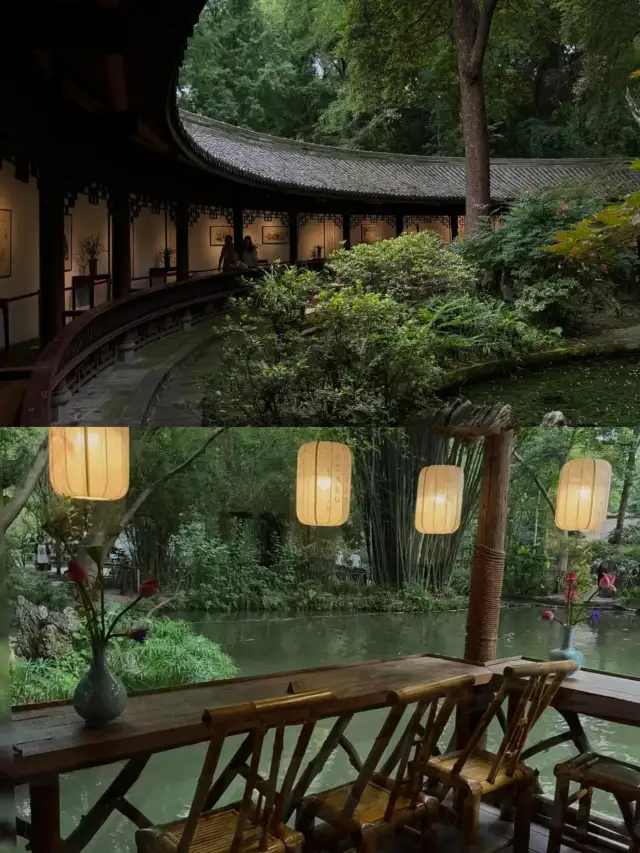
 First time in Chengdu? Remember, don't join a group tour. Here's the honest truth.If it's your first time in Chengdu, I genuinely advise against joining a group tour. Chengdu's laid-back vibe is found in its alleyways, but group tours will drag you to souvenir shops, and you'll only get 20 minutes to take photos at Kuanzhai Alley. Take the subway yourself—the Panda Base, hot pot, and teahouses are all yours to explore freely. That's the real Chengdu experience. Chengdu is a slow-paced city. Its soul lies in its teahouses, wet markets, and small pubs—places a tour bus can't even reach. I stayed for 3 days and soaked up everything in the city and its surroundings. 🚫 I've already navigated the pitfalls of group tours for you Group tours often push a Chengdu Highlights One-Day Tour, but you'll actually spend most of your time in souvenir shops, just glancing at Wuhou Shrine and Du Fu Thatched Cottage. Admission to the Panda Base is 55, Wuhou Shrine is 50, and Du Fu Thatched Cottage is 50. Kuanzhai Alley and Jinli are free. Buying your own tickets is much clearer than paying tour fees. Group hot pot meals are often improved versions; it's better to explore the alleyways and find an old-school restaurant yourself. The Chengdu subway goes directly to most attractions, so there's no need to deal with the hassle of tour buses. Some tours charge extra for Dujiangyan and Mount Qingcheng as an optional expense, but in reality, it's only a 30-minute high-speed train ride away. Buying your own tickets is cheaper and gives you more freedom. ✅ The right way to travel independently Day 1: Get up early and head to the Panda Base. Admission is 55. Pandas are most active before 9:00 AM, so get there early if you want to see Hua Hua munching on bamboo. Day 2: Visit Wuhou Shrine (50) to see Three Kingdoms history, then explore and eat at Jinli right next door for free. In the afternoon, look for poetic inspiration at the thatched cottage in Du Fu Thatched Cottage (50). Day 3: Wander around Kuanzhai Alley for free, enjoy a cup of covered-bowl tea, get an ear cleaning, or experience the nightlife at the pubs on Yulin Road. Set your own pace. 📸 3 spots for the perfect photo Outside the window of the Juvenile Villa at the Panda Base, you can capture pandas climbing trees. The red lantern alley in Jinli is best for backlit shots. The bamboo forest in front of the thatched cottage at Du Fu Thatched Cottage offers a simple, ancient aesthetic. Night shots of the Yulin Road pub signs, with warm lights and plane trees, are full of artistic flair and perfect for social media. 🍜 How to eat like a local in Chengdu For hot pot, wait for the beef tallow to boil; the tripe is tenderest when dipped "seven up, eight down." Skewer hot pot is more casual—you pay by the stick. Long Chaoshou (wonton) has thin skins and generous fillings, and Dan Dan noodles are savory, spicy, and crunchy. Street stalls are the most authentic. ⚠️ Honest tips Pandas are active in the morning; arrive at the base before 9:00 AM to avoid long lines. Chengdu is still muggy in September, so bring an umbrella for sudden showers. Kuanzhai Alley is very commercialized; walk into the surrounding alleys for cheaper food. You need to buy a separate ticket for the shuttle bus inside the base. Families with kids can take it, but young people will see more by walking. Chengdu's subway network is well-developed, and most attractions are directly accessible, making group tours completely unnecessary. Don't go to see the pandas on weekends; it's too crowded to get a good look. There's a cluster of delicious food around Chunxi Road—you can walk into almost any place and it'll be good. Jinli and Kuanzhai are very commercialized; for an authentic experience, head to the old Yulin community. The "fly restaurants" (hole-in-the-wall eateries) are where you'll find the real deal. You have to immerse yourself in Chengdu's slow pace to truly understand it. 🐼EinoKoski4

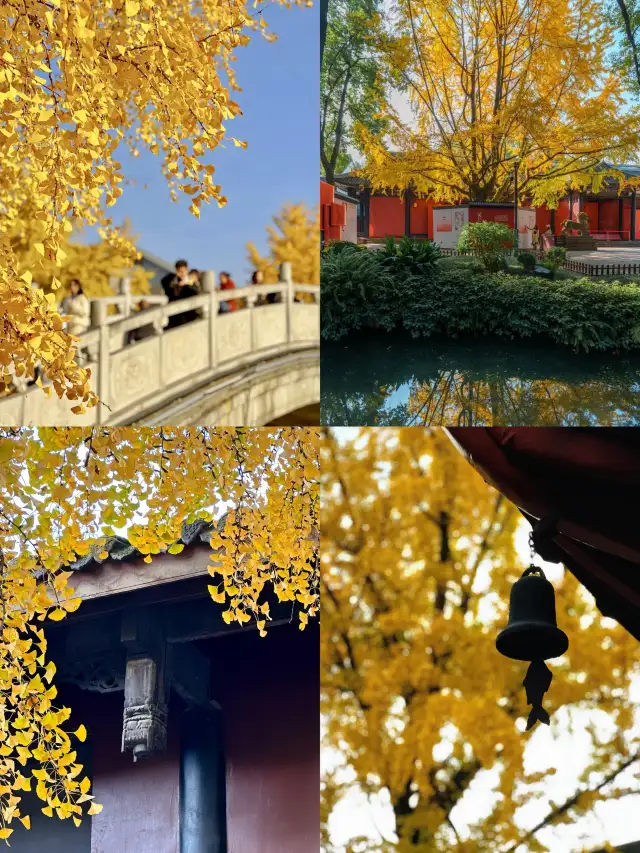
- firsttimermistakes
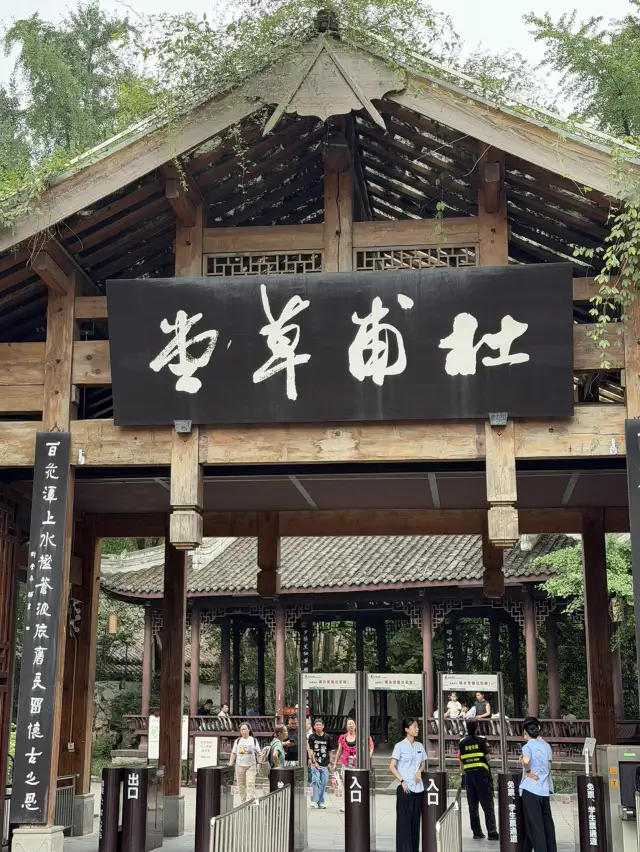
First-time Travel Mistake: Book Du Fu Cottage Tickets Early#firsttimermistakes Du Fu Thatched Cottage, Chengdu’s iconic ancient poet memorial, is a top cultural stop for every visitor. Many first-time tourists make the same frustrating error: arriving without pre-booking tickets, only to find daily entry passes fully sold out fast, especially on weekends and holidays. You must also note its strict closing hours; late arrivals will be turned away at the gate. To avoid wasted trips, reserve tickets online ahead of time and plan your visit early in the day. This simple travel tip saves you from missing out on the tranquil classical garden and precious poetry relics inside.kkkkkgsu4
- 成都
- chengdu
- chinatravel
- chinatrip
- travel
- travelguide
- fyp
- panda
- fypシ
- sichuan
- travelbucketlist
- 四川
- 中国旅游
- 風景
- ตั้งใจไปจีน
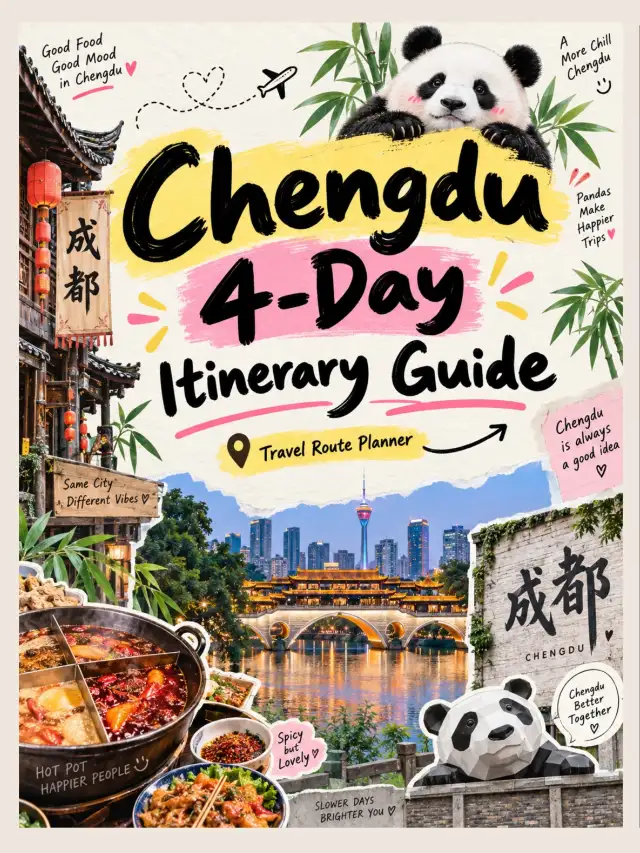
🐼 CHENGDU 4-DAY ITINERARY1️⃣ DAY 1: CITY CENTER CLASSICS 📍 Chunxi Road → Taikoo Li → Daci Temple → Jiuyan Bridge → Wangping Street ✨ What to do: · Chunxi Road — Chengdu’s most famous shopping street · Taikoo Li — open-air luxury area + 1,600-year-old Daci Temple · Jiuyan Bridge — riverside nightlife & bars · Wangping Street — trendy riverside cafés, bars & street food · 2️⃣ DAY 2: PANDAS, TEMPLES & OLD STREETS 📍 Panda Base → Wenshu Monastery → Eastern Suburb Memory → Kuixinglou Street → Kuanzhai Alley ✨ Must-know: · Go to Panda Base early — pandas are most active in the morning · Wenshu Monastery — best-preserved Buddhist temple in Chengdu · Eastern Suburb Memory — old industrial zone turned creative park · Kuixinglou Street — local favorite for Sichuan food · Kuanzhai Alley — Qing-dynasty lanes: Wide, Narrow & Well · 3️⃣ DAY 3: HISTORY & CULTURE 📍 Chengdu Museum → Qingyang Palace → Du Fu Thatched Cottage → Wuhou Shrine → Jinli Ancient Street ✨ Tips: · Chengdu Museum — free, but book ahead · Qingyang Palace — important Daoist temple · Du Fu Thatched Cottage — former home of the Tang poet Du Fu · Wuhou Shrine — Three Kingdoms history · Jinli — perfect for evening snacks & souvenirs · 4️⃣ DAY 4: DUJIANGYAN DAY TRIP 📍 Panda Valley → Yangtianwo Square → Guanxian Old Town → Dujiangyan Irrigation System → Nanqiao ✨ Why go: · Panda Valley — less crowded than the city Panda Base · Dujiangyan — UNESCO site built in 256 BC, still working today · Nanqiao — beautiful night view · About 1 hour from downtown Chengdu · 🚇 PRACTICAL TIPS · Best time: spring & autumn · Metro is cheap & covers most spots · Use Didi for Panda Base & Dujiangyan · Book Panda Base tickets in advance · Arrive before 8 AM for pandas · Chengdu Museum & Wuhou Shrine often need online reservations · WeChat Pay & Alipay work almost everywhere · Keep a little cash for street stalls · 📌 Save this post for your Chengdu trip! 💬 Follow for more no-detour China travel routes. #成都 #chengdu#chinatravel #chinatrip #travel #travelguide #fyp #panda #fypシ #sichuan #travelbucketlist #四川#中国旅游 #風景 #ตั้งใจไปจีนDXJ ChinaTravel12
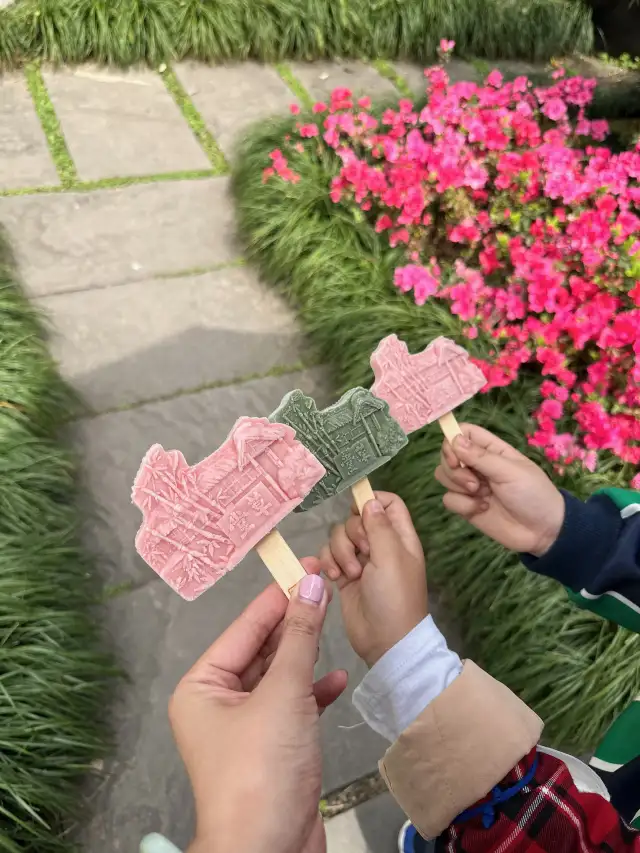 If you can only visit one place in Chengdu, I'd choose Du Fu Thatched Cottage 🐝If you can only visit one place in Chengdu to experience "poetry," I would recommend Du Fu Thatched Cottage. 🌷🎋☘️🍀🍃🌿🍂 Tucked away in the bustling city, this bamboo courtyard offers an instant escape from the noise the moment you step inside. With lush bamboo and bluestone paths everywhere, even your breathing seems to slow down. 🏯 In the winter of 759 AD, the flames of the An Lushan Rebellion were still burning. Du Fu resigned from his post and traveled with his family from Gansu to Chengdu, enduring great hardship. While the Central Plains were filled with suffering, this bamboo grove by the Huanhua Creek became a rare sanctuary in troubled times. With the help of friends, he built a few thatched huts by hand and wrote, "The cottage is built behind the city wall, shaded by white thatch, the path along the river is familiar, overlooking the green suburbs"—the cottage, built against the city wall and along the river, finally gave him a home. He lived in the cottage for nearly 4 years and wrote over 240 poems. At first, it was a rare period of peace, during which he wrote, "Good rain knows its season, and comes when spring is here." But suffering was never far away—in the autumn of 761, a fierce wind blew the roof off his cottage, and heavy rain poured inside. He wrote the timeless masterpiece "Song of the Thatched Cottage Broken by Autumn Wind": "Oh, for a vast mansion of a thousand rooms, to shelter all the scholars of the world and make them smile." What is most moving is that, despite his own poverty, his heart was with the scholars of the world. 📸 Photo spots to note Red walls of the Flower Path: The vermilion walls are embraced by lush bamboo, and sunlight filters through the leaves, casting dappled shadows. Every shot looks like a classic masterpiece. Don't crowd at the entrance; walk deeper inside where it's quieter and less crowded—your chances of getting a great shot will double. Seeing many young women wearing Hanfu here for photos is truly beautiful~ Thatched Cottage residence: Standing in front of the bamboo fence and thatched huts, the line "Oh, for a vast mansion of a thousand rooms" automatically comes to mind. That feeling of connection across time is hard to describe in words. 🌦️ Weather reminder Chengdu is often rainy in autumn. The recent temperature is 15–28℃, with occasional showers. It is recommended to carry a folding umbrella and wear non-slip shoes, as the bluestone paths can be slippery after rain. The cottage is actually more atmospheric on rainy days. The light drizzle combined with the bamboo grove creates a perfect mood! 💡 Practical tips 🎫 Admission: 50 yuan, half price for students, free for those aged 60 and over 🚇 10-minute walk from Exit B of Caotang Beilu Station on Metro Line 4 ⏰ Enter the park right when it opens at 9:00 AM to avoid the peak tourist crowds 💧 Prices inside the park are on the higher side, so prepare water and snacks in advance 🚶♀️ After visiting, take a walk to Huanhua Creek Park to experience the slow life of Chengdu Spending an afternoon at the cottage, I suddenly understood what "where the heart finds peace is home" means. When you come to Chengdu, set aside half a day for the Sage of Poetry~_TI***rg7

- 成都旅游
- 杜甫草堂
- 成都景点
- 成都旅行
- เที่ยวจีน
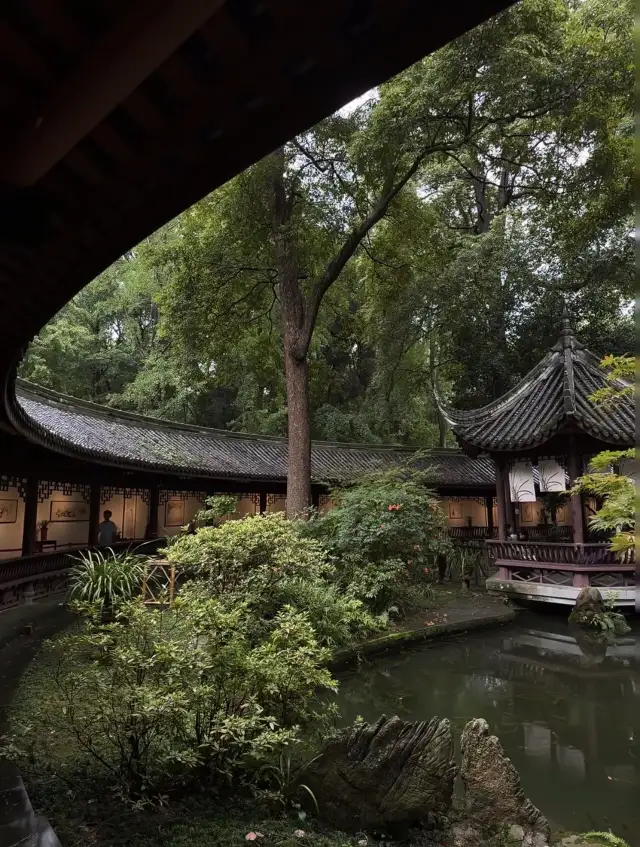
Visiting Chengdu and Looking for a Quiet Stroll? Check This Out!Du Fu Thatched Cottage is another spot I ended up liking way more than I expected. Initially, I thought it would just be a standard museum where you walk around looking at history. But once inside, I found the grounds to be quite expansive and wonderfully shaded. It’s filled with lush bamboo groves, serene ponds, traditional pavilions, old Chinese houses, and winding little pathways. It happened to be raining the day I visited, which made the atmosphere even more tranquil and cooling. I had a great time just wandering around and taking photos. What I really loved is that the scenery doesn't feel like it was artificially staged just for photo ops; it genuinely retains the authentic charm of an ancient Chinese garden. Strolling past the ponds, you can see koi fish swimming gracefully. Stepping into the thatched-roof cottage zone offers a completely different, rustic vibe. The bamboo garden area, in particular, makes for stunning photos. Most importantly, this place is historically tied to Du Fu, the renowned Tang Dynasty poet who lived in Chengdu for several years. Anyone interested in Chinese history or poetry will find it highly rewarding. Even if you're not a history buff, it’s still a fantastic place for a leisurely walk. The entrance fee is around 230 THB, which I think is very reasonable given the size of the estate to explore. I spent a good two hours here. If you're visiting Chengdu and want a break from the crowded tourist landmarks, I highly recommend stopping by. Take a slow walk, snap some photos, and sit down for a rest. You'll get to experience a completely different side of Chengdu beyond just the bustling metropolis.我们不一样Jingjing51
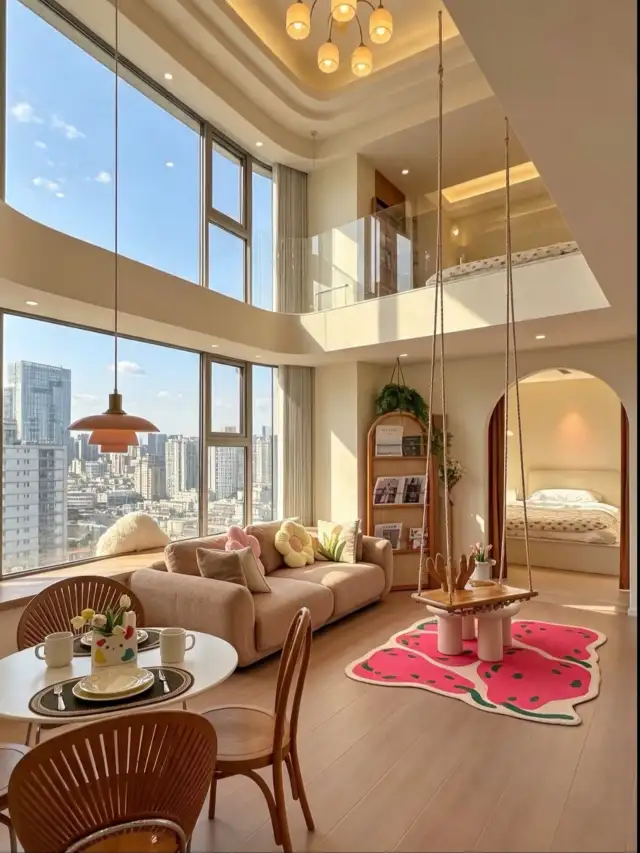 Must-stay accommodation overlooking Taikoo Li from aboveChengdu📍|Overlooking the Taikoo Li night view! A vacation rental for up to 4 guests 📍Chengdu|Creamy dopamine high-rise scenic vacation rental🧁💗 Soft pink atmosphere|Overlooking the Taikoo Li night view, a great value hidden gem for friends’ trips and family stays💤 . · 1️⃣ Cozy one-bedroom with a separate living room, accommodating up to four guests; the entire space features creamy dopamine-inspired soft pink decor with cute ornaments placed throughout. Multiple photo spots are available. The living room includes an extra bed, perfect for friends’ pajama parties or group travel. Floor-to-ceiling windows provide bright natural light and an immersive view of the bustling cityscape📸 2️⃣ Fully equipped with brand-name projector for a private theater experience; washing machine and a new standalone dryer are included, making both short and long stays worry-free. The host actively upgrades appliances based on guest feedback, ensuring thoughtful and complete living amenities🧺 3️⃣ Prime location near the subway station, saving time and effort on travel; within walking distance to Taikoo Li and Chunxi Road shopping districts. Supermarkets and convenience stores are available downstairs for easy late-night snacks and grocery shopping. One-stop solution for shopping, dining, and commuting🚇 · 📝 Nearby attractions ✔ Taikoo Li shopping district within close reach ✔ Shopping and dining at Chunxi Road ✔ Subway access to citywide attractions ✔ Supermarkets and convenience stores downstairs for snacks and late-night food Location: Langyu, Jinjiang District, ChengduAPP. SUN

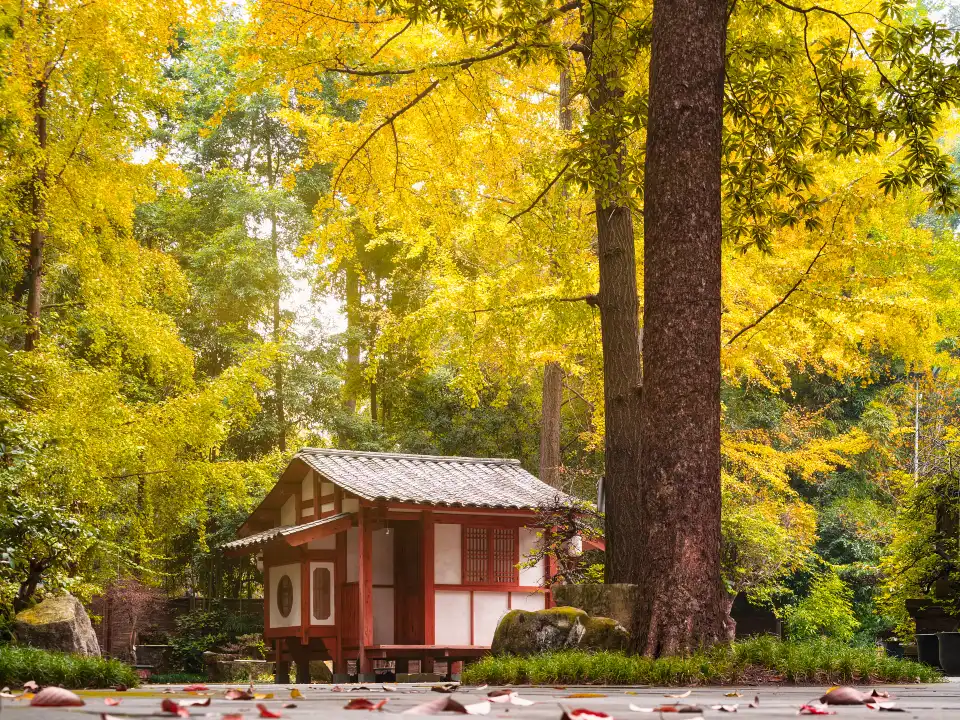
 Chengdu autumn getaway | Ginkgo and red leaves, food routes + tips to avoid pitfalls✨ [Autumn highlights] Chengdu's autumn vibes are unmatched! Golden ginkgo and fiery red leaves adorn ancient gardens and architecture. Red walls and historic courtyards set against vibrant foliage, with autumn colors reflected in the lakes, make for perfect photos. Enjoy a mix of elegant, historic architecture and the natural beauty of city parks as you take a slow stroll to soak in Chengdu's unique autumn light. 🗺️ [Recommended routes] Visit ancient gardens > View autumn leaves in the park > Explore old streets for food. Keep the pace relaxed and unhurried. Spend your days exploring gardens and autumn scenery, and your evenings strolling through old streets to soak up the local vibe. 🍜 [Authentic local snacks] Must-try: Bobo chicken, Dan Hong Gao (egg pancakes), Dan Dan noodles, Tangyou Guozi (fried dough balls), rabbit heads, and Zhong dumplings. The old shops tucked away in narrow alleys offer the most authentic flavors. ⚠️ [Tips to avoid pitfalls] Remember to book popular attractions in advance to avoid disappointment. Snacks on commercial streets in tourist areas are overpriced. For authentic food, prioritize old shops in residential areas. There is a large temperature difference between morning and evening in autumn, so it is recommended to bring a light jacket. You will do a lot of walking in Chengdu, so wear comfortable shoes.scientist_love1

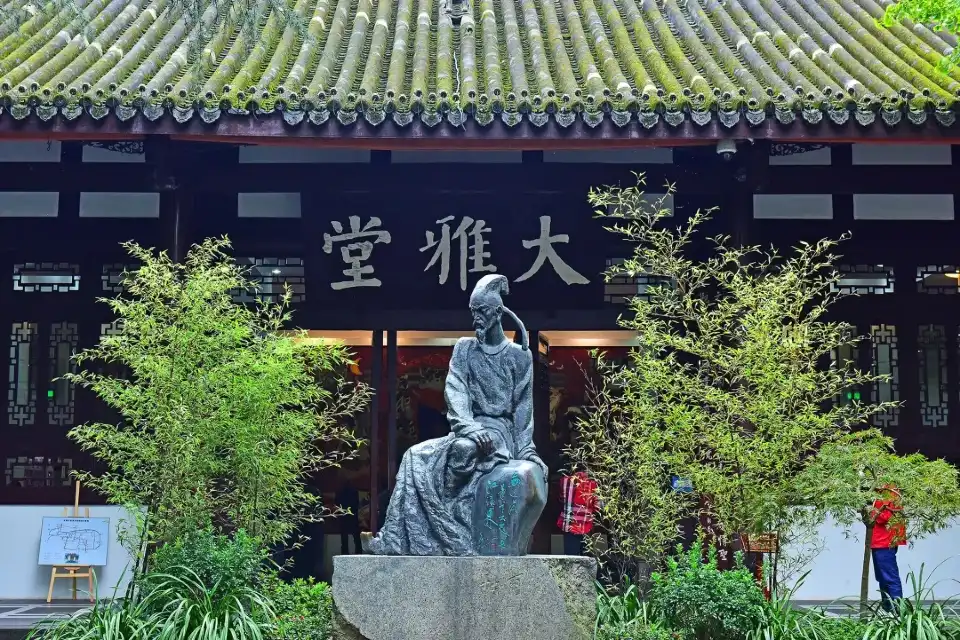
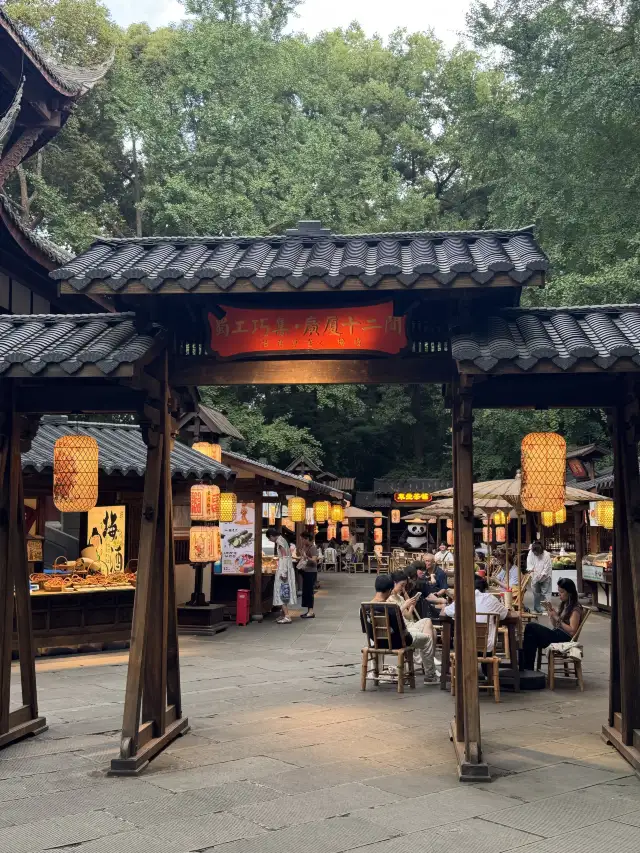 Chengdu Du Fu Thatched Cottage | 2h no-backtracking complete guideThe Thatched Cottage is a thousand-year-old poetic sanctuary hidden in the city center. You can spend a whole day here experiencing the life of the Poet Sage ✨ 🎫 Basic info Admission: ¥50/person, ¥25 for students (half price) Duration: 2–3 hours Hours: 8:30 AM–6:30 PM (last entry at 5:30 PM) Transportation: Take Metro Line 4 to Caotang Beilu Station, then walk 8 minutes. 🚶♀️ Best route for a relaxed visit (enter via the main gate, follow the path without backtracking) Main Gate > Daxie Hall > Shishi Hall > Chaimen > Gongbu Shrine > Shaoling Thatched Cottage Stele Pavilion > Thatched Cottage Former Residence > Tang Dynasty Ruins > Bonsai Garden (waterscape/podocarpus photo spot) > Daya Hall (mortise and tenon wood carving exhibition hall) > Flower Path Red Wall > South Gate 🏯 Detailed guide to key spots along the way 1. Daxie Hall The first main hall upon entering. In the center stands a full-body bronze statue of Du Fu, looking lean and weathered, perfectly capturing the image of a poet who cared deeply for his country and people. The sides are hung with couplets by famous masters. Feel the profound poetic history as soon as you enter. 2. Shishi Hall + Chaimen Both sides of the corridor are filled with stone carvings and steles of Du Fu's poems (the corridor in the first photo). Poems like "Climbing High" and "My Thatched Cottage Ruined by the Autumn Wind" are all carved into the wooden walls, creating an immersive atmosphere. The Chaimen is low and rustic, a replica of the small gate to Du Fu's former residence. Step inside and enter the world of his poetry. 3. Gongbu Shrine The core shrine of the Thatched Cottage, housing a statue of Du Fu. It also honors two poets who admired Du Fu, Huang Tingjian and Lu You. The courtyard is filled with ancient, tranquil trees. The couplet "The ancients valued integrity above all; a gentleman has no fixed teacher in learning" is a great photo spot (the location of the podocarpus courtyard in the sixth photo). 4. Shaoling Thatched Cottage Stele Pavilion (the ancient tower in the second and third photos) 5. Thatched Cottage Former Residence 6. Tang Dynasty Ruins Museum Archaeological excavations revealed the foundations of Tang Dynasty dwellings. You can see the land where Du Fu lived a thousand years ago and immerse yourself in the life of the prosperous Tang Dynasty. 7. Bonsai Garden Chinese-style rockeries and sculpted podocarpus trees are everywhere. With white walls, gray tiles, exotic stones, and greenery, it has the texture of a Jiangnan garden. It's quiet and uncrowded, perfect for taking atmospheric photos at a leisurely pace. 8. Daya Hall (mortise and tenon wood carving exhibition hall) The exhibition hall features a giant floating mortise and tenon structure model + thousand-year-old root carvings and wood carvings (the fourth photo), showcasing traditional woodworking craftsmanship. 9. Flower Path Red Wall A viral photo spot online. The red wall and bamboo shadow corridor are perfect for cold, ancient-style photos on cloudy days, and the light and shadows are stunning on sunny days. 100% photo success rate. 💡 Photo & visit tips 1. Best time for photos: 9:00 AM–11:00 AM. It's less crowded and the light is soft. The red wall, stele pavilion, and waterscape are all great for photos. 2. Outfit suggestions: New Chinese style or plain cotton and linen clothing match the ancient architecture perfectly. 3. Avoid the crowds: Don't rush to the red wall as soon as you enter. Follow the route and see the Flower Path last to avoid backtracking and crowds. 4. In-depth tour: Rent an electronic guide at the entrance (¥20). Every building and stele has stories about the poems behind them. 5. After finishing, the South Gate leads directly to Huanhuaxi Park, where you can take a walk along the stream and bamboo forest._TI***r84
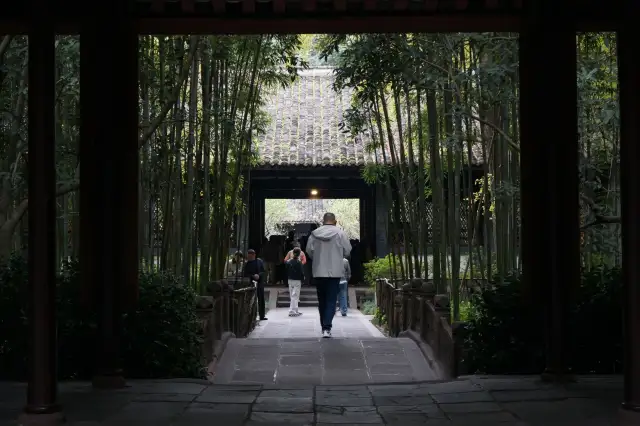 DuFu Thatched Cottage Museum/杜甫草堂 is a huge and wonderful place to spend time taking beautiful photos regardless of whether you are interested in the history of DuFu/杜甫 or not. If you are planning for a slow and relaxing trip, its a place you can definitely visit. (Didnt even manage to complete the whole park😂)NxH

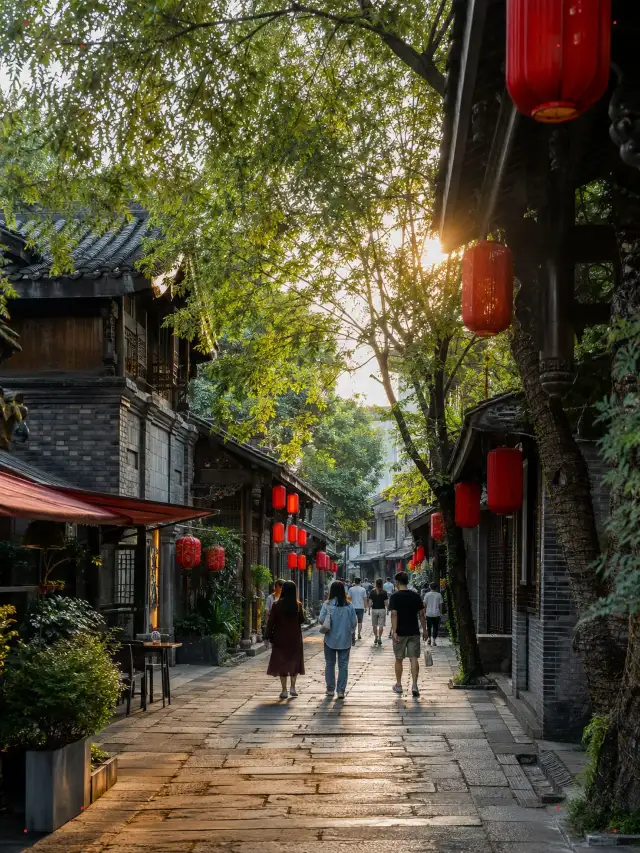 3 Days of Slow Travel in Chengdu | Pandas, Food, and Local Life All in OneIf you are looking for a city with great food, fun places to explore, and a comfortable pace in the next six months, Chengdu is perfect for a 3-day, 2-night trip. If you want to include natural scenery, extend it to 4 days and 3 nights. The core isn't to pack the itinerary with attractions, but to space out pandas, culture, teahouses, and nightlife, leaving some time to feel the city's relaxed vibe. For the first day, we recommend starting at the Chengdu Research Base of Giant Panda Breeding. Visiting in the early morning makes it easier to see active pandas; prioritize the young panda activity areas and outdoor enclosures. After that, head back to the city center for a Sichuan-style lunch. In the afternoon, visit Kuanzhai Alley to see the old courtyards and street layout. Just try some snacks; there's no need to spend too much time in the commercial shops. On the second day, combine culture with local life. Spend the day exploring the Wuhou Shrine to learn about Three Kingdoms culture and Chengdu's historical memories, then head to Jinli to soak in the street market atmosphere. These two places are best explored slowly; we don't recommend just stopping by quickly for photos. In the afternoon, go to People's Park, sit down at Heming Teahouse for a cup of gaiwan tea, and observe how the locals relax. If you want to experience ear cleaning, choose a reputable shop and set aside enough time. Around evening, plan for Chunxi Road and Taikoo Li, which are great for seeing city landmarks, shopping, and having dinner. This area is more modern and bustling, contrasting with the local vibe of People's Park. You can try hot pot, chuan chuan (skewers), dan dan noodles, and sweet water noodles, but you don't need to seek out heavy flavors for every meal. Interspersing them with lighter snacks will make for a more comfortable overall experience. Dedicate half a day on the third day to Du Fu Thatched Cottage. The gardens, water features, and poetic atmosphere are quite peaceful, providing a perfect buffer after the high-density sightseeing of the first two days. Chengdu from late autumn to early spring is best suited for clothing that is easy to layer. It's more relaxed to schedule the cottage and parks during the day; if you encounter rainy weather, you can use teahouses and museums as alternatives. If you have 4 days and 3 nights, Mount Qingcheng can be an optional addition for nature. It requires setting aside half a day to a full day, and you should consider your physical stamina, the weather, and travel arrangements. If you prioritize food and city life this time, you can skip it entirely without affecting the completeness of your Chengdu trip. Don't sacrifice the slow pace of the city just to "see it all." For accommodation, we recommend prioritizing areas in the city center near subway stations and dining options to reduce daily travel. Using a combination of the subway and ride-hailing services is more flexible for city attractions, and try to visit popular spots during off-peak hours. Please check official information before departure for specific booking requirements, opening hours, and weather updates. The best thing to take away from Chengdu isn't just panda photos, but the relaxed feeling of idling away an afternoon in a teahouse.Maximus_Blackwood/592


- เที่ยวจีน
- เที่ยวเฉิงตู
- เที่ยวเฉิงตูด้วยตัวเอง
- chengdu
- china
Chengdu City Walk: A Must-Visit Guide to Savoring the Slow Life in the Heart of the CityChengdu, the capital of Sichuan Province, is the legendary home of giant pandas, fiery cuisine, and a famously laid-back lifestyle. There is no need to rush here—take a slow stroll, savor the local flavors, sip tea, and immerse yourself in an atmosphere where ancient history blends seamlessly with modern sophistication. 📋 5-Day, 4-Night Itinerary 📍 Day 1 — Historic Downtown Charm Locations: Kuanzhai Alley (Wide and Narrow Alleys) → People's Park → Taikoo Li / Chunxi Road Morning: Explore Kuanzhai Alley, three historic streets that preserve the architectural soul and traditional atmosphere of old Chengdu. Shop for souvenirs and watch local street artists at work. Midday: Stop by People's Park to enjoy tea by the lake, watch locals practice Tai Chi, and experience the authentic "slow life" of Chengdu residents. Evening: Head to Taikoo Li and Chunxi Road, the city's modern landmarks. Don't forget to snap a photo with the iconic climbing panda at the IFS building. 🍽️ Recommended Food: Xiaolongbao, Sichuan rice noodles, Sichuan Hotpot 🚇 Transportation: Metro Line 1 to Tianfu Square / Line 4 to Kuanzhai Alley — Fare: ¥2–5 💰 Daily Budget: Free attractions / Food ¥80–150 per person 📍 Day 2 — History and Cultural Heritage Locations: Wuhou Shrine → Jinli Ancient Street → Du Fu Thatched Cottage → Wenshu Monastery Morning: Visit Wuhou Shrine, a temple dedicated to the heroes of the Three Kingdoms period. (Entrance: ¥50) Midday: Walk over to the adjacent Jinli Ancient Street to sample a variety of local street snacks. Afternoon: Explore the Du Fu Thatched Cottage, the former home of the celebrated Tang Dynasty poet. (Entrance: ¥50) Evening: Visit Wenshu Monastery, a serene Buddhist temple known for its stunning architecture and traditional tea house. (Entrance: Free) 🍽️ Recommended Food: Mapo Tofu, Sichuan-style Beef, Sweet Grain Porridge/Snacks 🚇 Transportation: Metro Line 3 to Wuhou Shrine / Line 4 to Kuaizhoujie (for Du Fu Cottage) / Line 1 to Wenshu Monastery 💰 Daily Budget: Entry fees ¥100 / Food ¥80–150 per person 📍 Day 3 — A Day with Giant Pandas Locations: Chengdu Research Base of Giant Panda Breeding → Chengdu Museum → Tianfu Square Morning (Recommended before 09:00): Visit the Panda Base. The pandas are most active and visible while feeding in the morning. (Entrance: ¥55) Midday: Enjoy lunch near the research base before heading back to the city center. Afternoon: Discover local history at the Chengdu Museum (Free entry, but booking is required) → Take a stroll through Tianfu Square in the heart of the city. 🍽️ Recommended Food: Braised Pork Noodles, Steamed Dumplings, Hot Soy Milk 🚌 Transportation: Metro Line 3 to Chengdu Zoo, then transfer to Bus 198 / Or take a DiDi (ride-share) from the city center for about ¥30. 💰 Daily Budget: Entry fees ¥55 / Food ¥70–120 per person 📍 Day 4 — Old Town Vibes and Performing Arts Locations: Chengdu Art Districts → Shopping Areas → Traditional Performances Morning: Visit a contemporary art space or stop by the Great Buddha Temple (Daci Temple). Midday: Wander through local pedestrian streets and hunt for hidden food gems in the alleys. Afternoon: Relax at a traditional tea house or visit a local art gallery. Night: Catch a Sichuan Opera performance featuring the famous "Face-Changing" act. (Tickets: ¥150–300) 🍽️ Recommended Food: Sichuan Hotpot (Highly recommended for dinner!), Steamed Fish with Soy Sauce, Local Pickles 🚇 Transportation: Walking and Metro as needed 💰 Daily Budget: Performance ¥150–300 / Food ¥100–200 per person 📍 Day 5 — Shopping and Souvenirs Before Departure Locations: Local Markets / Souvenir Hubs → Final Rounds Morning: Hit the local markets or the malls at Chunxi Road for souvenirs like Sichuan tea, chili spices, dried snacks, and fine silk. Midday: Enjoy a final meal, perhaps revisiting your favorite Sichuan dish. Afternoon: Head to the airport for your flight home. 🍽️ Recommended Food: Your personal favorites, or quick noodle dishes and snacks before your journey. 🚇 Airport Transport: Shuangliu Airport (CTU): Metro Line 10 → 30–40 mins / ¥6–10 Tianfu Airport (TFU): Metro Line 18 → 33 mins / ¥10 🚇 Getting Around the City · Metro (Highly Recommended): Over 10 lines covering all major tourist spots. Operates 06:00–23:00. Fares: ¥2–10 based on distance. · Bus: Flat fare of ¥2. Pay via Alipay/WeChat or coins. Note: English signage/announcements are limited. · Ride-Sharing (DiDi): Best for groups or when you're tired of walking. Typical city fares: ¥10–30. · Walking: Central districts like Kuanzhai, Wenshu, and Taikoo Li are very pedestrian-friendly. 💡 Preparation: Download Alipay or WeChat to scan codes for payments and transportation. Recommended maps: Baidu Maps or Apple Maps (more accurate than Google in China). 💡 Essential Travel Tips ✅ Best Seasons: March–May and September–November. The weather is pleasant (15–25°C), perfect for walking. ✅ Early Bird for Pandas: Arrive before 09:00. By 10:00–11:00, most pandas are already asleep. ✅ Bookings: The museum and several other attractions require advanced online booking. Keep your passport handy. ✅ Language: English is somewhat common in tourist areas, but it's helpful to have your destination names written in Chinese. ✅ Payments: Digital payment (Alipay/WeChat) is king. Keep some cash as a backup. ✅ Health: Sichuan food is spicy! Pack some digestive aids or antidiarrheals. If you can't handle the heat, ask for "bu la" (not spicy). ✅ Passport: Ensure your passport is valid for at least 6 months. ✅ Temple Etiquette: Dress modestly when visiting sacred sites and respect local customs. Chengdu is a city that invites you to "give time to yourself." Don't rush; walk slowly, sip tea, and let the city's charm wash over you. This 5-day trip is designed to give you a complete experience of nature, history, culture, and flavor. 🐼🍜 Ready? Pack your bags and let's go to Chengdu! ✈️ Travel by yourselfDeerJourney1

Other visitors' reviews of Chengdu Du Fu Thatched Cottage Museum
Show More ReviewsStepping into Du Fu Thatched Cottage, the hustle and bustle seems to be shut out by a red wall. It's not just a memorial residence, but also a classical garden brimming with poetic charm. Deep bamboo groves, winding streams, thatched cottages, stele pavilions, and ancient trees complement each other, offering a picturesque view at every turn. The museum displays versions of Du Fu's poems, calligraphy, and stone carvings, allowing visitors to directly experience the poet's patriotism and love for his country during his turbulent years. Free from excessive commercialism, it's perfect for a slow, quiet stroll, allowing one to appreciate the grand vision of "a thousand mansions" amidst the greenery. With its rich cultural heritage and tranquil, elegant environment, it's a worthwhile place to experience Chengdu's poetic culture.