





 4.8/5
4.8/5 北国之春一
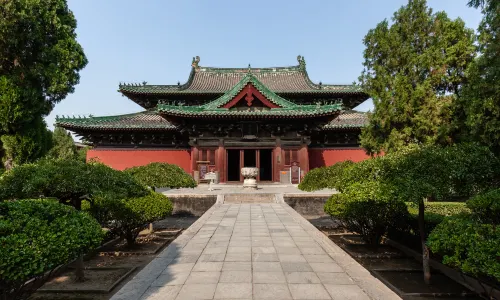
北国之春一Longxing Temple was originally named Longzang Temple, and its name was changed to Longxing Temple during the Tang Dynasty. In the fourth year of the Kaibao era of the Northern Song Dynasty (971 AD), a Thousand-Hand Guanyin statue was cast and the Great Compassion Pavilion was built by order of Emperor Taizu of Song, Zhao Kuangyin, forming the main architectural complex of the Song Dynasty. It was repaired during the Jin, Yuan, and Ming dynasties, and underwent large-scale reconstruction during the Kangxi and Qianlong eras of the Qing Dynasty, forming a three-section layout of east, central, and west. After falling into disrepair in modern times, it was restored to its original appearance through scientific preservation after the founding of the People's Republic of China. Longxing Temple is a typical example for studying the layout of Buddhist temple architecture, integrating Buddhist art with traditional Chinese culture. Emperors of past dynasties, such as Kangxi and Qianlong, once stayed there. We also visited Longxing Temple to experience the architectural styles of the Tang, Song, and Qing dynasties, to feel the Buddha's broad-mindedness, and to feel the traces of the past.
 4.6/5
4.6/5 酷酷的哈士奇
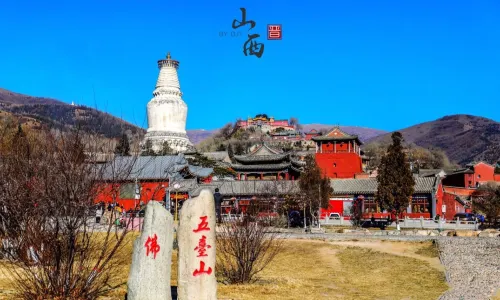
The scenery is nice and the bus is very convenient, good reviews! But the consumption level in the scenic area is a bit high, especially in some farmhouse restaurants, where two people can eat more than 100 yuan, while other places in the mountains only cost dozens of yuan.
 4.7/5
4.7/5 Anonymous user
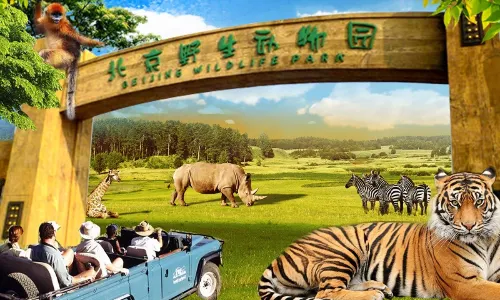
Visiting the wildlife park in winter was a bit chilly, and the animals and crowds weren't as lively as in summer, making it feel somewhat deserted. However, aside from that, the experience was still very good. Taking the bus, the mini-train, the animal cage vehicle, the electric cart, or the shuttle bus was all very convenient, with no queues. Interacting with the animals was also easy. I think it's definitely worth a visit.
 4.3/5
4.3/5 Yowshanl
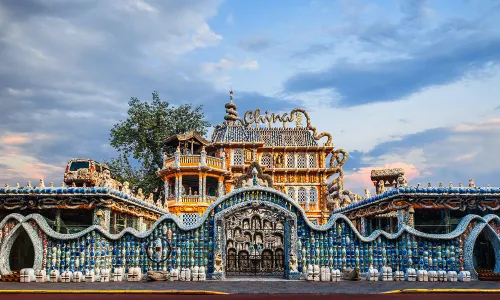
It’s an interesting house made up of porcelain. But maybe for the kids they might find it boring . The whole house is made of porcelain , very unique .
 4.6/5
4.6/5 138***25
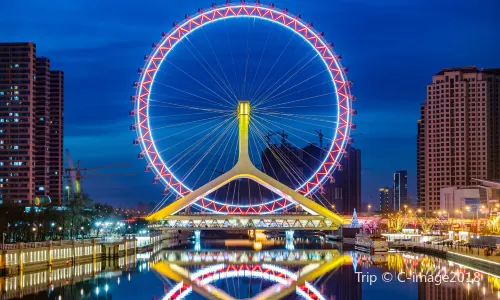
Last time I came it rained and the Ferris wheel was closed, but this time I finally got to enjoy it. Each cabin can seat about six people, and standing atop the "sky" overlooking the Tianjin night view is absolutely stunning! The Haihe River and the Dabei Temple are all within sight.
 4.5/5北国之春一
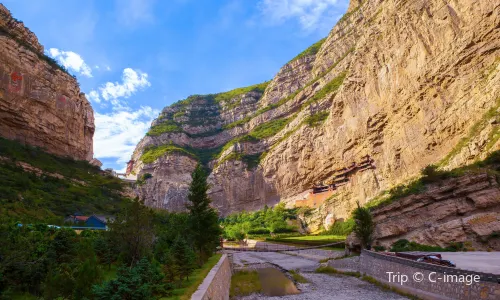
Mount Heng, located in Hunyuan County, Datong City, Shanxi Province, is one of the Five Sacred Mountains of China, renowned for its precipitous terrain, the Hanging Temple, and its profound Taoist culture. Core Attractions and Features Hanging Temple: A cliffside temple built during the Northern Wei Dynasty, integrating Buddhism, Taoism, and Confucianism. Advance booking of tickets (100 RMB) is required 3 days in advance. Arriving before 7:30 AM can avoid queues. Tianfengling: The main peak of Mount Heng (2016.1 meters above sea level). Climbing to the summit offers panoramic views of the sea of clouds and surrounding peaks. The round trip hike takes approximately 3-4 hours; a cable car (70 RMB one way) can save energy. Hengzong Hall: The main temple of Mount Heng, dedicated to the Emperor of the Northern Peak. The Kangxi Emperor's imperial plaque "Hua Chui You Jiu" (meaning "Eternal Transformation") is the hall's treasure. Natural Wonders: Features include the Hanging Pine Tree at Tiger Wind Pass, the Bitter-Sweet Well (one sweet, one bitter), and Jinlong Gorge, showcasing geological and ecological diversity.
 4.7/5北国之春一
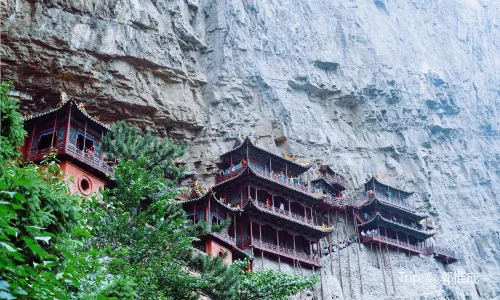
The Hanging Temple of Hengshan Mountain in Datong, Shanxi Province, was first built in 491 AD (the 15th year of the Taihe reign of the Northern Wei Dynasty) by disciples of the Taoist master Kou Qianzhi, based on his dying wish to "reach the heavens above and sever all worldly clamor below." With a history of over 1500 years, it is the oldest existing high-altitude wooden cliff-side architectural complex in China. **Structural Features:** 27 hemlock beams are inserted into the rock face as an "aerial foundation." The wooden pillars at the bottom are merely for psychological comfort; the actual load-bearing structure relies on hidden crossbeams, achieving the "suspended" appearance. **Reasons for its excellent preservation:** The canyon terrain reduces sunlight erosion, the mountain shelters it from floods, and the mortise and tenon structure provides strong earthquake resistance. **Cultural significance:** One of the world's ten most dangerous architectural wonders, and the only temple where Buddhism, Taoism, and Confucianism coexist, reflecting the inclusiveness of diverse ancient beliefs. **Admission is free for those over 60, but tickets are extremely difficult to obtain during peak season; remember to book your visit in advance.**
 4.7/5
4.7/5 卡皮巴拉游世界
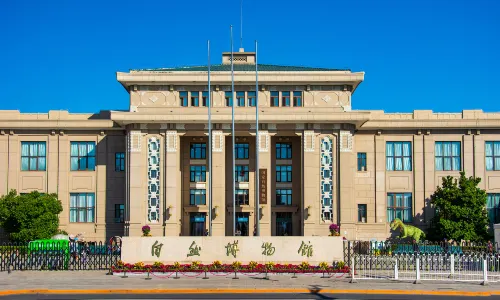
The museum isn't very large, but its collection is extensive and comprehensive, covering a long period of history. It's richly illustrated with text and images, and offers many interactive experiences. Children especially love the dinosaur specimens and models. It's a great place to bring kids on weekends to broaden their horizons.
 4.7/5
4.7/5 布隆迪康龙
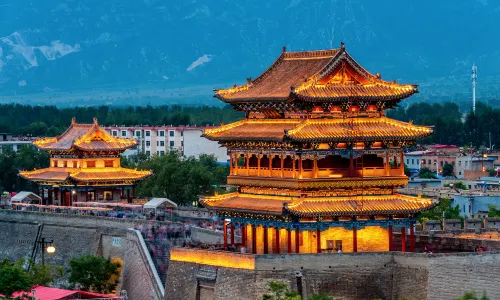
布隆迪康龙Xinzhou Ancient City is truly wonderful, with various ancient buildings arranged in a harmonious and picturesque manner. Be sure to climb the city wall at the entrance, and take photos at the Xiurong Academy at the highest point for a panoramic view. The various snacks are all quite good; following the reviews is a safe bet. However, avoid the Golden Beef Soup at the entrance; personally, I felt the portion of meat was small, and at 30 yuan a serving, there wasn't much to eat. They advertise a free scallion pancake with the soup (but it's only four small pieces, not even enough for a child).
 4.7/5
4.7/5 Mikiyuki
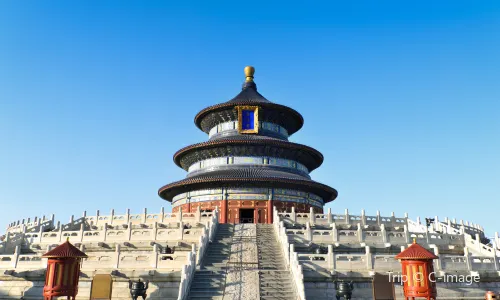
Great experience. With the additional places to visit. Queue was really long, but with pre booked tickets. Can enter with e tickets.

