





 4.8/5
4.8/5 水漫三楼
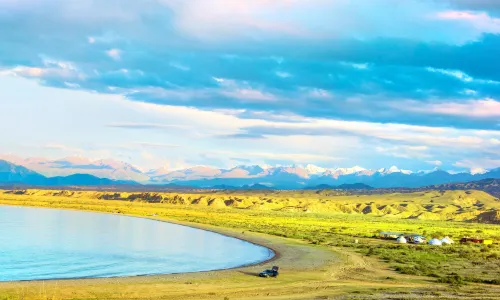
水漫三楼Issyk-Kul Lake is located in the Issyk-Kul Basin at the northern foot of the Tian Shan Mountains in northeastern Kyrgyzstan. Among the world's alpine lakes, Issyk-Kul is the second largest in terms of area, after Lake Titicaca in South America. It is the largest in terms of depth and volume. Issyk-Kul is a popular tourist destination and resort area in Kyrgyzstan. Numerous resorts line its shores, and during peak season, the area is packed with tourists, families, and student groups. The blue sky, white clouds, and vast lake create a breathtaking scene.
 4.5/5
4.5/5 长脸张少侠
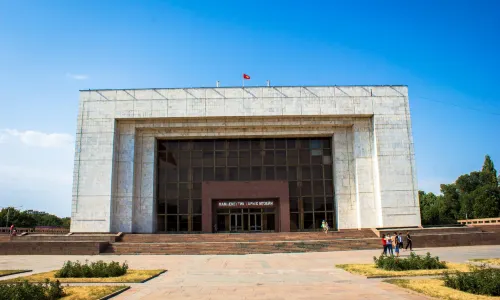
长脸张少侠Bishkek [National Museum of Kyrgyzstan] The State History Museum (Kyrgyz State History Museum) The museum houses thousands of exhibits related to the cultural heritage of the Kyrgyz people, including sculptures and objects dating from antiquity to the late 20th century. The museum houses several Bronze Age cave sculptures, a collection of ancient coins, ethnographic artifacts, jewelry, and clothing from the 1st to 5th centuries. The museum also houses photographs and documents related to the founding and development of the Kyrgyz Soviet Socialist Republic. The museum also exhibits the migrations of the peoples of Central Asia. A typical handmade felt nomadic yurt and mannequins dressed in typical clothing are also on display. Address: 203 Chuy Ave, Bishkek Hours: 10:00 AM - 6:00 PM Admission: 200 som, credit cards accepted (UnionPay not accepted)
 4.3/5
4.3/5 M24***63
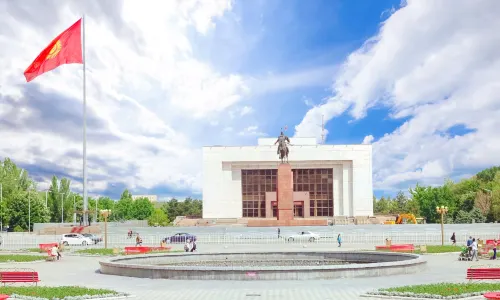
The square here is densely wooded, and the ancient and quaint style is reflected by the Soviet-style buildings. The art works are infectious, and if you appreciate the works, you will collect them. Especially the national flag guard spirit, clean and hygienic, with a constant flow of people and vehicles, it is a place for holding rallies!
 44.0/5长脸张少侠
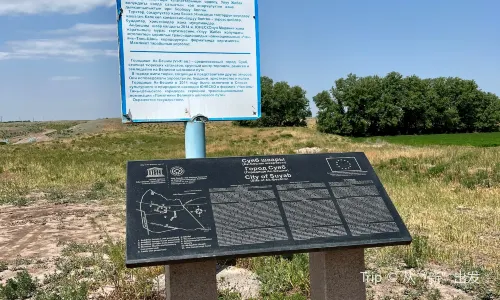
Tokmak [Suiye City] Suiye City, also known as Suye City, gets its name from its location near the Suye River. The former Suiye City is now located near the village of Ak-Beshim, approximately 20 kilometers west of Tokmak city. Administrative offices were established in this area during the reign of Emperor Wu of the Han Dynasty. During the Tang Dynasty, it was known as one of the "Four Anxi Garrisons" along with Kucha, Shule, and Yutian. Xuan Zang described Suiye City in his "Great Tang Records on the Western Regions": "Over 500 li northwest of Qingchi (Issyk-Kul Lake), you will reach the water city of Suye (Suiye). The city is about 67 li in circumference, home to a mixed population of Hu merchants from various nations. The soil is suitable for millet, wheat, and grapes, and the trees are sparse. The weather is cold and windy, and people wear brown clothes. West of Suye, there are dozens of isolated cities, each with its own chieftain. Although they do not answer to each other's orders, they are all subject to the Turkic vassalage." This was a major city in the Western Regions established by the Tang Dynasty after its defeat of the Eastern Turks. It is also the birthplace of Li Bai, the renowned Tang Dynasty poet. Li Bai's ancestral home was Chengji in Longxi (now Qin'an East, Gansu), and he was probably born in Suiye in the Western Regions during the first year of Wu Zetian's Chang'an reign.

