
Things to do in Qinshui
What's trending in Qinshui
- Xiangyu Ancient Castle: Ride high-speed rail to Xiangyu Ancient Castle—save on admission
- House of The Huangcheng Chancellor: House of The Huangcheng Chancellor ranks in the top 100
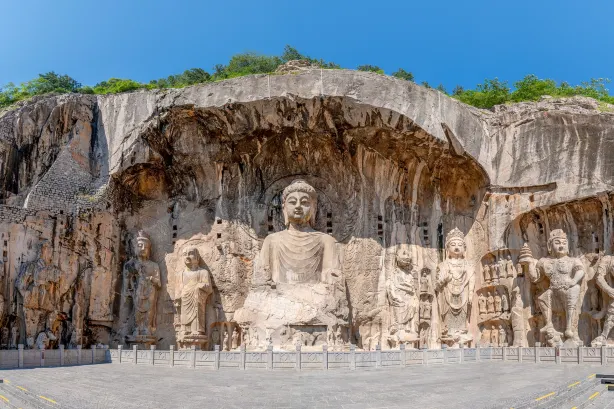
- Longmen Grottoes: I saw the history from my textbooks come to life in Luoyang
Explore top experiences
Top 10 attractions in Qinshui





Experiences you can't miss in Qinshui
Featured Culture & history in Qinshui
View all Culture & history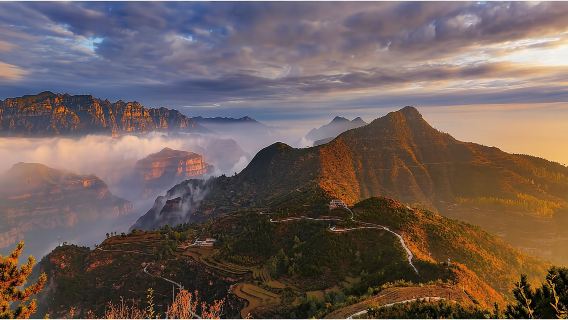
Book now for tomorrow
From£ 156.43

Qinshui Today's weatherClear -2-10℃
Qinshui weather for the next 2 days11/29: 0-14℃, 11/30: 1-17℃
Free things to do in Qinshui

What travellers say about Qinshui

冰糖Bingtang18 February 2026
5.0
Strolling through Xiangyu Ancient Castle feels like stepping back 600 years to the Ming Dynasty. The mottled walls, the scattered cave dwellings, and the deep, secluded alleys—every brick and tile carries the weight of history. The honeycomb-style hidden troop tunnels are ingenious and awe-inspiring. Climbing the Yilan Tower offers panoramic views; the ancient castle at the foot of the Taihang Mountains possesses both the grandeur of a military fortress and the warmth of ancient village life. Free from the hustle and bustle of excessive commercialization, only the tranquility accumulated over time remains, allowing one to understand the wisdom and perseverance of the ancients. This trip was incredibly rewarding, leaving us wanting more. The tour guides were warm and attentive! A big thumbs up to our guide, Xiao Li, for taking such beautiful photos of us! 👇Photos of the lovely young lady!
Xiangyu Ancient Castle

Anonymous user8 October 2024
4.0
It is worth going, a small attraction, free travel, you can slow down and take a closer look. The stone lions in front of the gate are interesting. It is close to Lishan Mountain, and the scenery is different in each season. You can enjoy flowers in spring, escape the heat in summer, enjoy clouds in autumn, and enjoy snow in winter. Shanxi is worth visiting twice or three times.
Liu's Residence

D78***8811 August 2026
3.0
The navigation was correct, and the road conditions were good. The scenic area is free, but there are security guards at the entrance to limit the number of visitors. I arrived at noon, and there were 4 or 5 cars ahead of me. They said that only one car could leave and one could enter at a time. If you only want to see Kuanglutu, you can park at the entrance and walk in, which is less than 1 kilometer.
Taihang Honggu National Forest Park

M77***8821 November 2026
5.0
I purchased a combined ticket and took the free shuttle bus within the scenic area to Huangcheng Xiangfu, Guoyu Ancient Castle, and Haihui Academy. This scenic area is a sixth batch of national key cultural relics protection units.
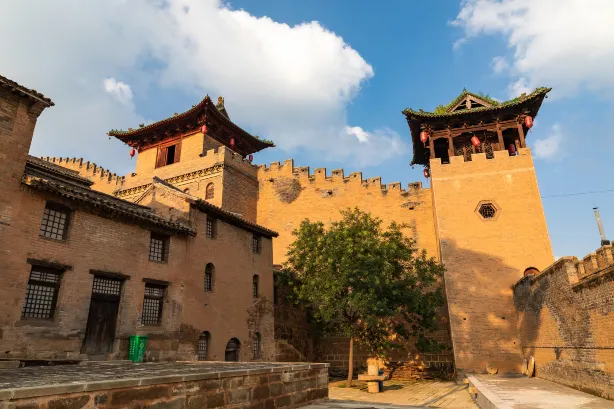
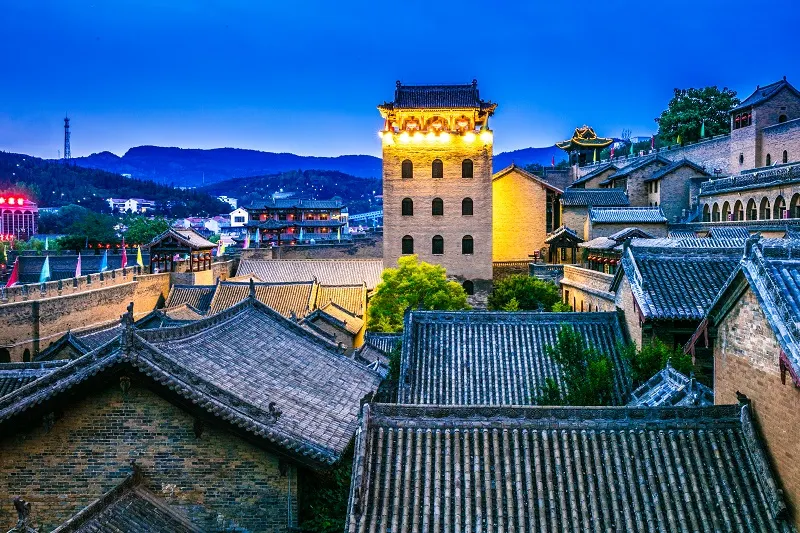
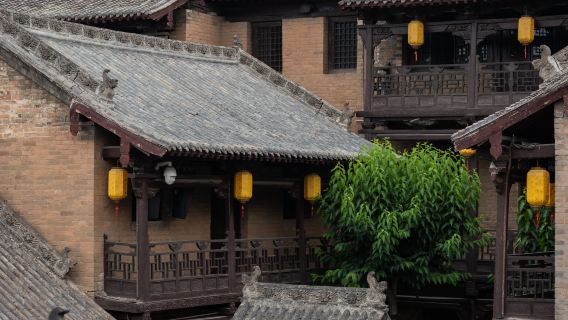
① Huangcheng Xiangfu: The former residence of Chen Tingjing, a Grand Secretary of the Wenyuan Pavilion during the Qing Dynasty. It is the largest official residence castle in northern China, a 5A-level scenic area, and a national key cultural relics protection unit. The entire city is built against the mountain, integrating residences, official residences, academies, and defensive fortifications.
The city is very large; even just visiting the core attractions requires more than 1.5 hours.
② Guoyu Ancient City: A defensive castle village built during the Ming Dynasty, integrating residence, defense, and worship, and is quite large.
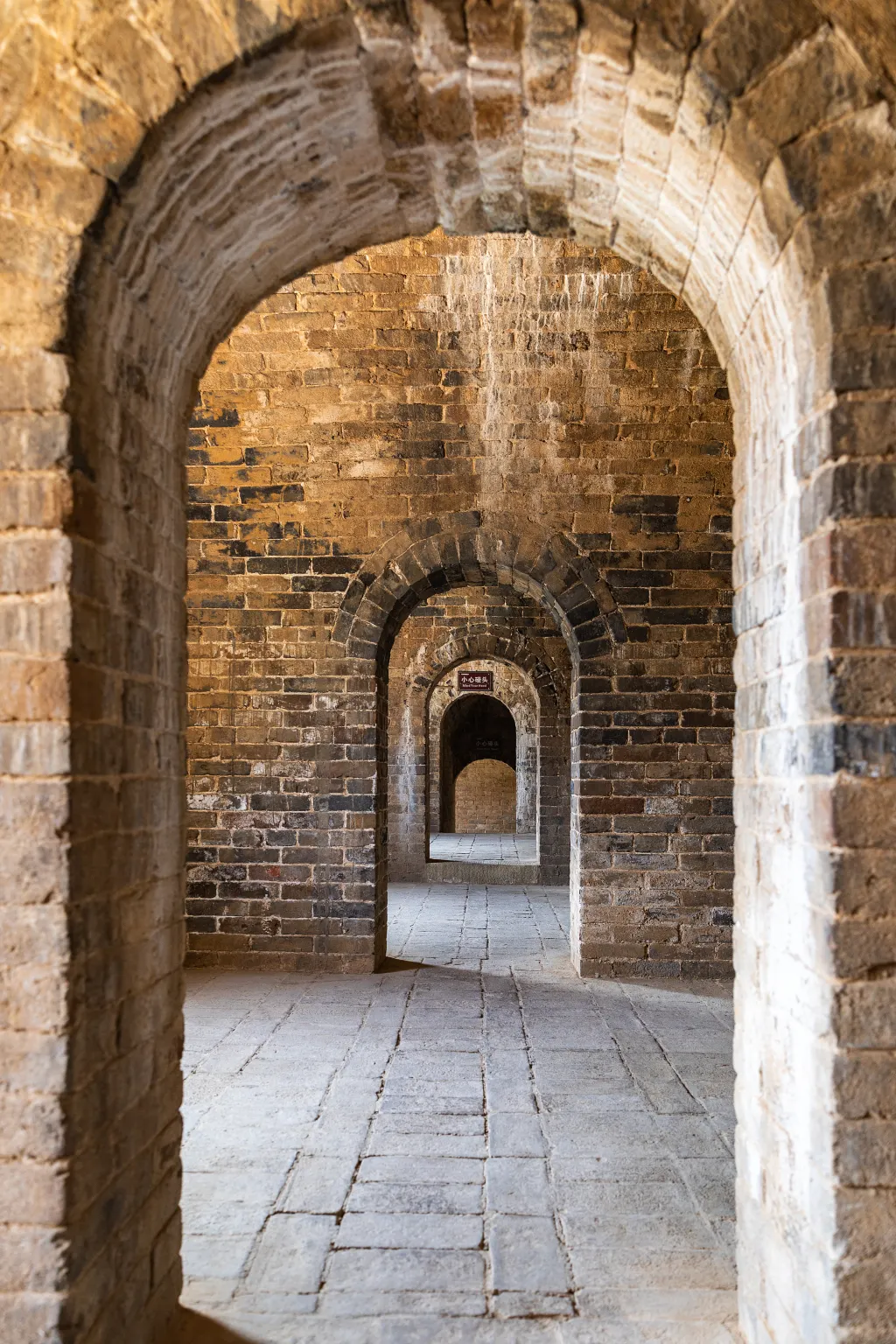
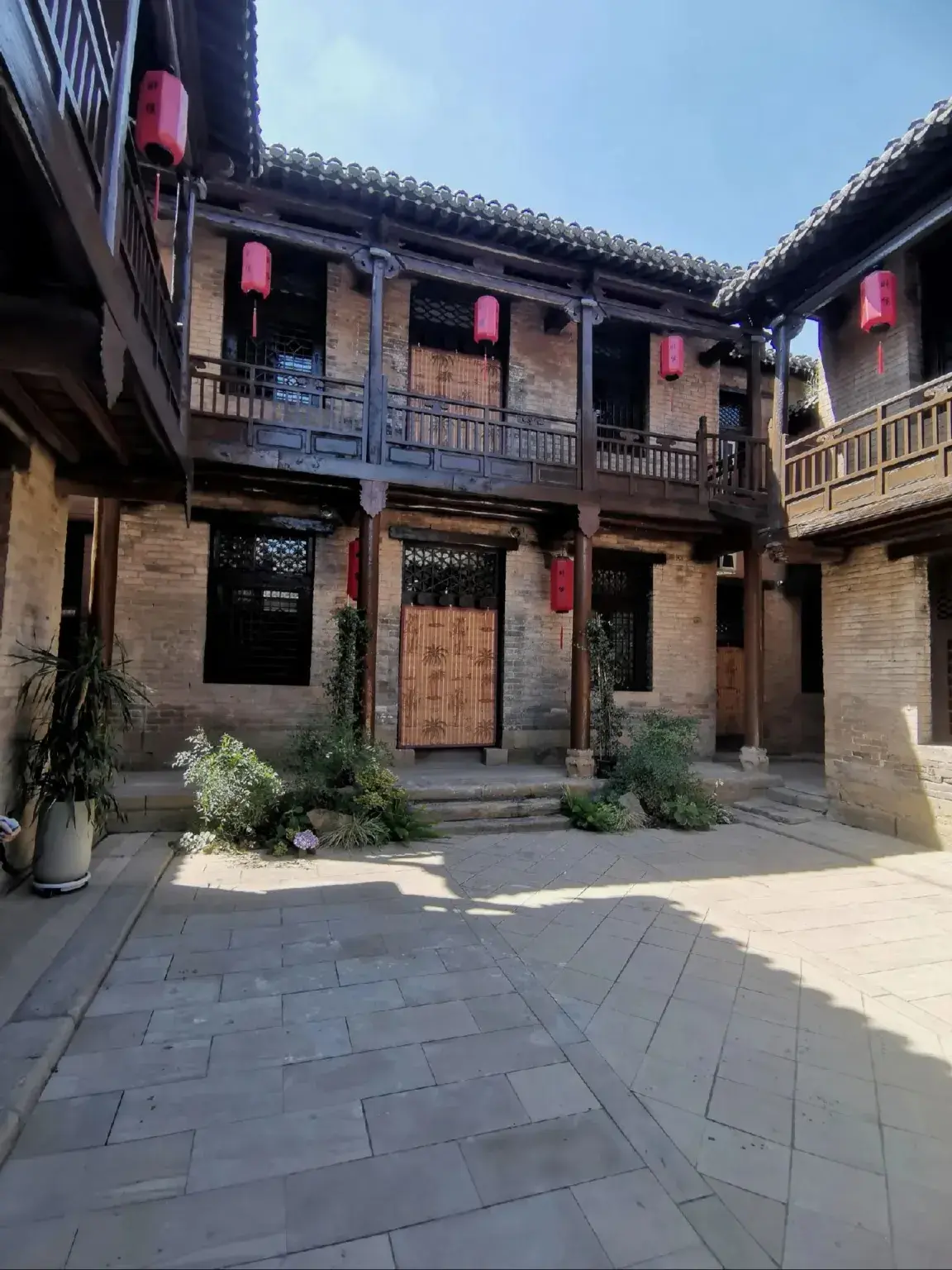
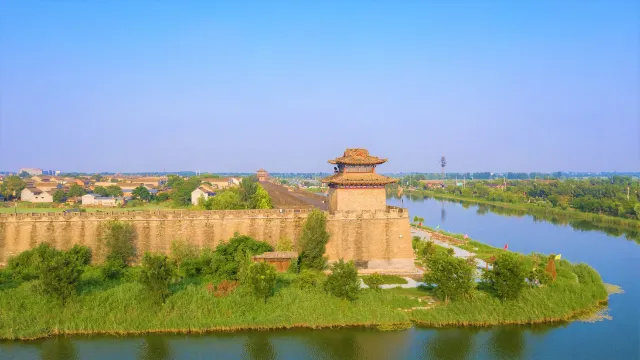
Guoyu is a few years older than Huangcheng Xiangfu and contains Chen Tingjing's ancestral home, making it the former residence of the Chen family. Nearly 40 Ming and Qing dynasty residential courtyards remain. The most striking feature is its city wall, containing over 600 cave dwellings, densely packed like a honeycomb, hence its nickname "Honeycomb City." Visitors can explore the underground tunnels. The entire ancient castle scenic area is not heavily commercialized, built upon the ancient village, and people still live there today.
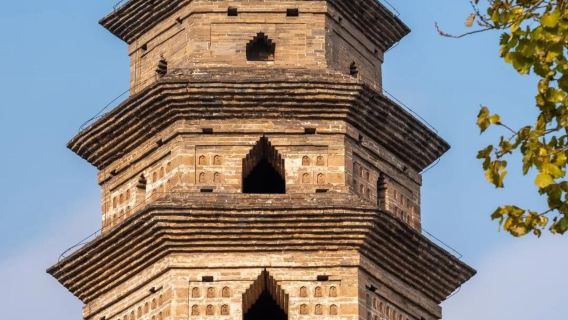
③. Haihui Academy: Includes the Haihui Twin Pagodas and Haihui Temple. Its history is extensive and profound, making it a must-see attraction besides the Imperial City Prime Minister's Residence.
⚠️: For those with the means, it's essential to pay 30 yuan to climb the Glazed Tile Pagoda, a national treasure. The tenth floor is made of glazed tiles, and you can climb all the way to the top. The path is difficult, with worn steps, making progress challenging. It's possible that climbing the pagoda will be discontinued someday, so visitors to Haihui Academy should definitely give it a try.
House of The Huangcheng Chancellor

M42***2919 June 2022
5.0
Worth recommending everyone to buy
[Cost-effectiveness]
[Fun]
[Scenery] Worth recommending
[Fun]
[Scenery]
[Cost-effectiveness] Worth praising
[Scenery]
[Fun]
[Cost-effectiveness]
Douzhuang Village
还不曾去过倒悬山!15 June 2022
4.0
Danshui and Qinshui actually belong to the same water system, or it can be said that Danshui is a tributary of Qinshui, because after they flow southward through the gap between Taihang and Wangwu Mountains, they merge into one when they reach the North China Plain. The location of the Battle of Changping is at the source of Danshui, which is today's Gaoping City in Jincheng, because the root cause of the Battle of Changping between Qin and Zhao was that Zhao State tried to prevent the Qin army from going north into the Changzhi Basin. You must know that after crossing Taihang Mountains from Changzhi, you will reach Zhao's capital Handan, separated by a mountain.
Qinshuili Mountain National Forest Park

如鱼得水的如水27 November 2026
5.0
The Longmen Grottoes, a World Cultural Heritage site and 5A-level scenic area located in Luoyang, Henan Province, contain 2,345 caves and niches and over 100,000 statues, and are hailed as "the pinnacle of Chinese stone carving art."
Longmen Grottoes

年年有余200922 November 2026
5.0
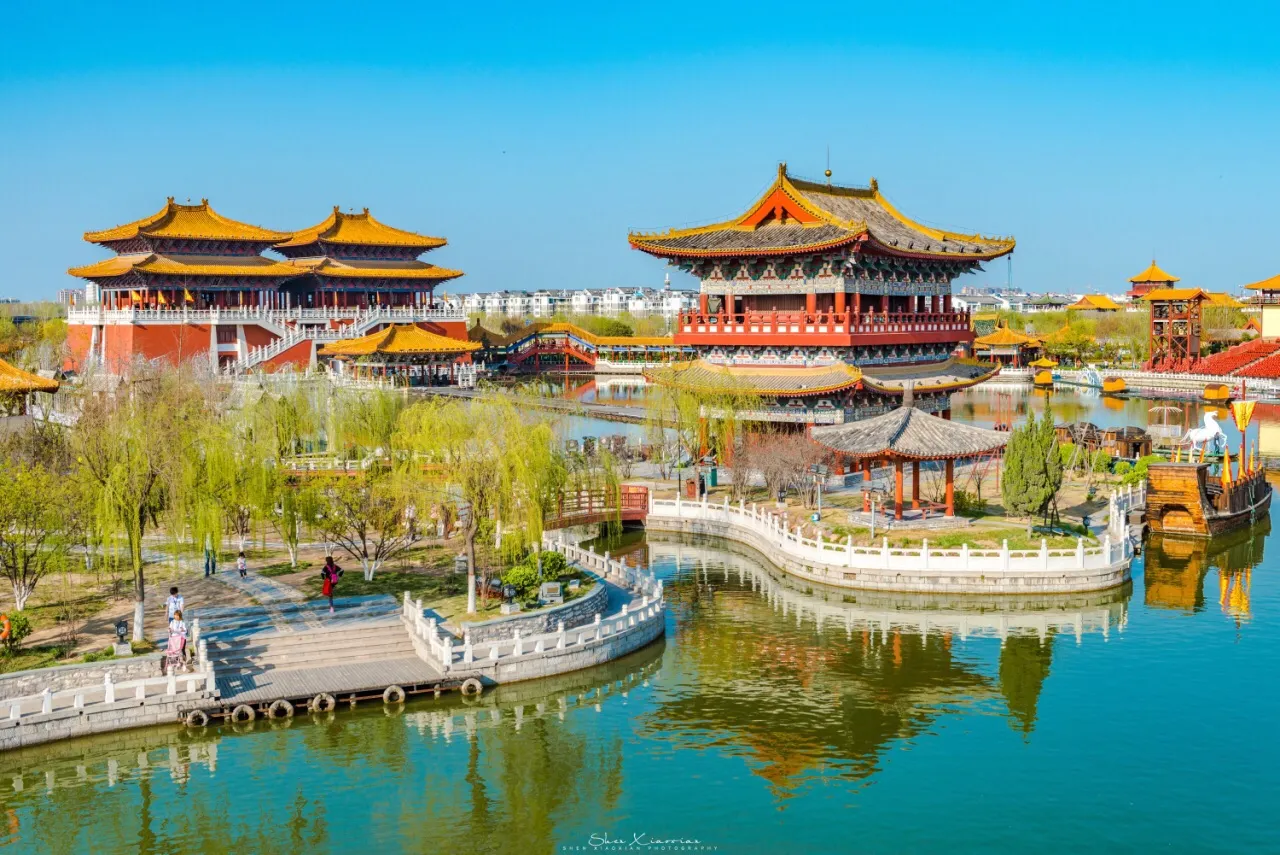
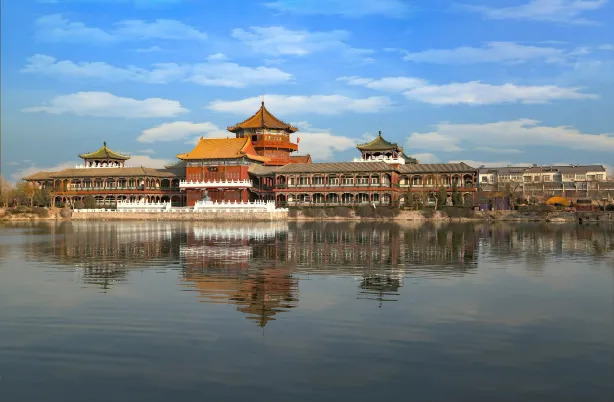
The Qingming Riverside Landscape Garden was a great experience. Although it didn't have as many NPCs as Wansui Mountain, the crowds were just right. There were many games that were educational, and you didn't need a reservation to see the iron flower performance; it was first-come, first-served, so early arrivals got seats, and latecomers could watch from the sidelines without any regrets. The food was just average, not as good as Wansui Mountain, a bit more expensive, and with fewer options. Qingming Garden did offer a few free rides on rides, and the bumper cars were especially fun—the area was large, and you could ride together with a group. The Tokyo Defense War performance was very crowded, but you could take a boat to watch it, avoiding the crowds and enjoying the beautiful scenery on both banks. Overall, it's definitely worth a visit.
Millennium City Park
Trip Moments in Qinshui


Popular cities near Qinshui


Frequently asked questions
How can I contact Trip.com customer support?
Get help anytime, anywhere within 30 secondsContact customer support
Can I change or cancel my booking?
Change and cancellation policies vary by attractions and tours. Please check the product details page for more information.
How can I get discounted prices?
Ticket prices may vary between weekdays and weekends, as well as during peak and off-peak seasons. When booking with Trip.com, you can also use Trip Coins to get extra savings. For more tips on booking discounted tickets, please visit Trip.com for the latest information.