

Things to do in Lancang
What's trending in Lancang
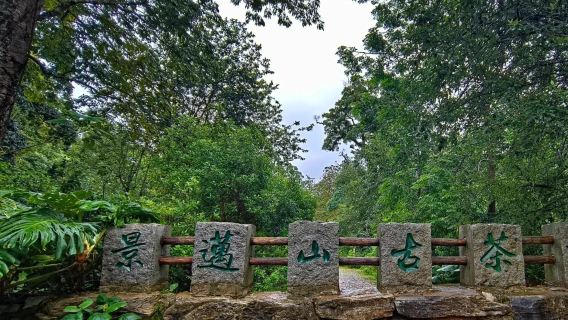
- Jingmai Mountain Tea Forest Cultural Scenic Area: Discover world's first tea-themed World Heritage site at Jingmai Mountain
Explore top experiences
Top 10 attractions in Lancang
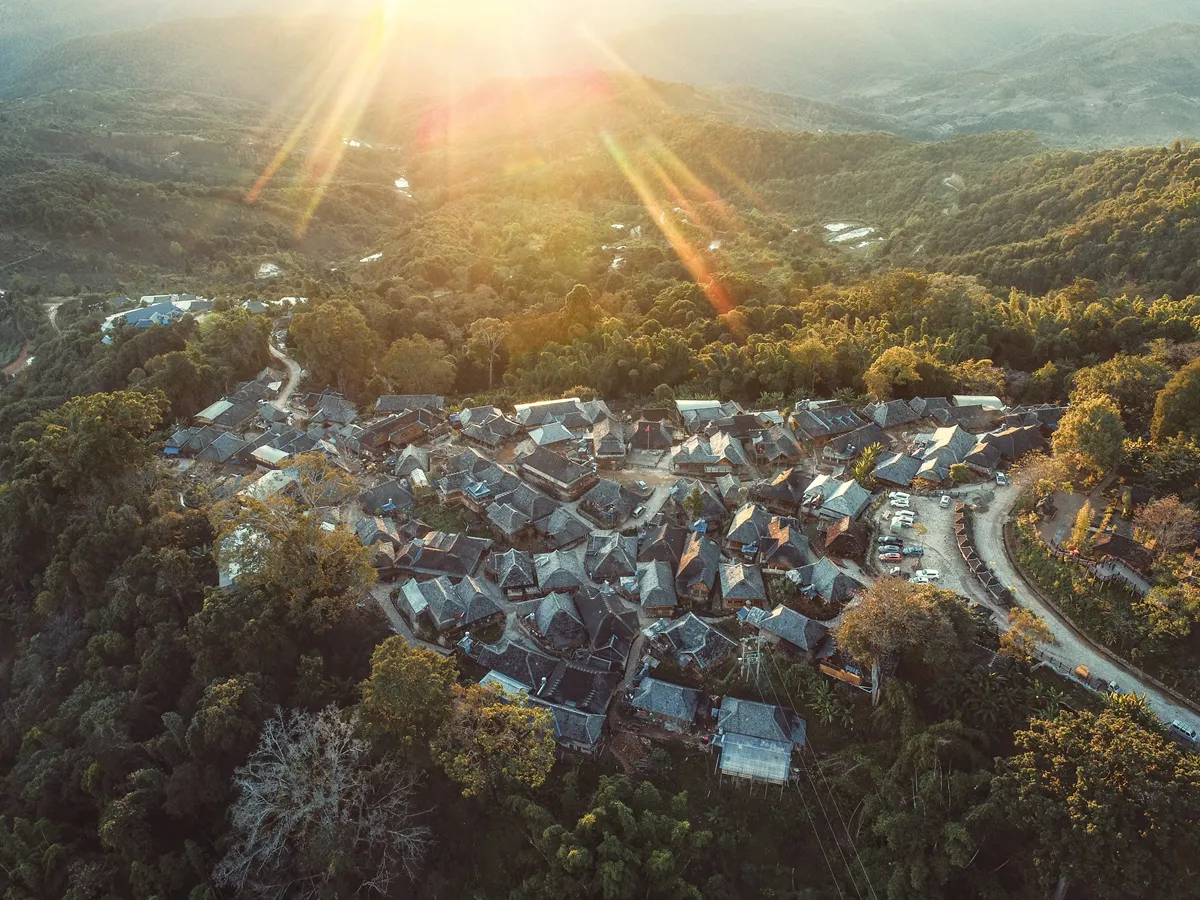

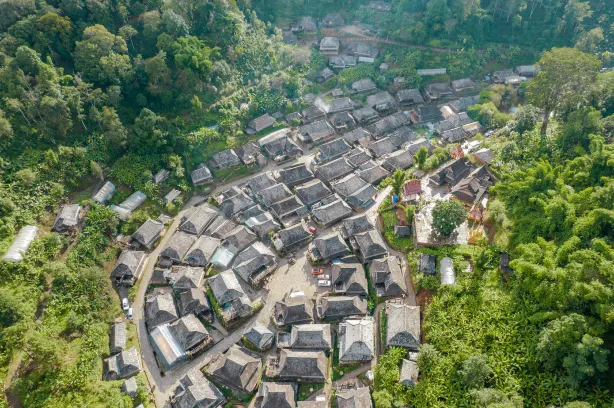
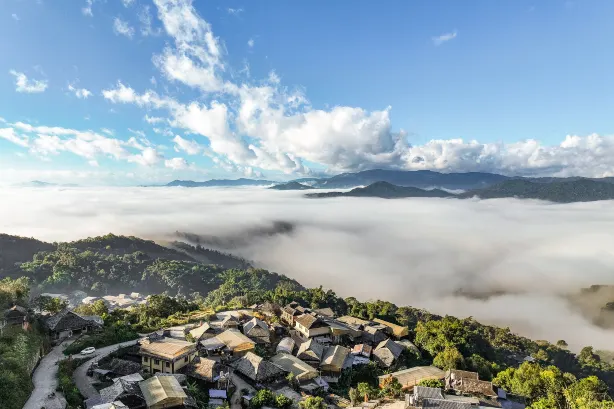
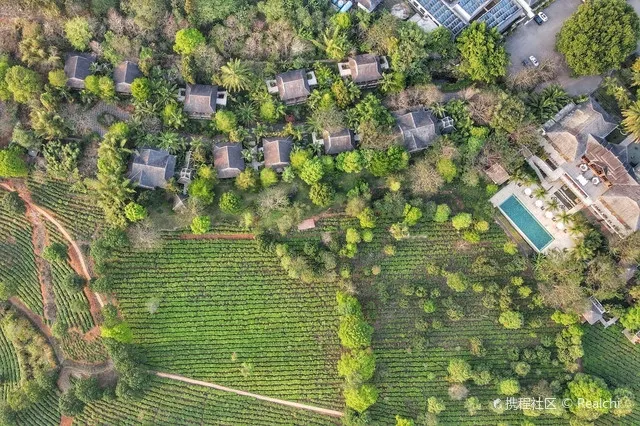
Experiences you can't miss in Lancang
Featured Culture & history in Lancang
View all Culture & history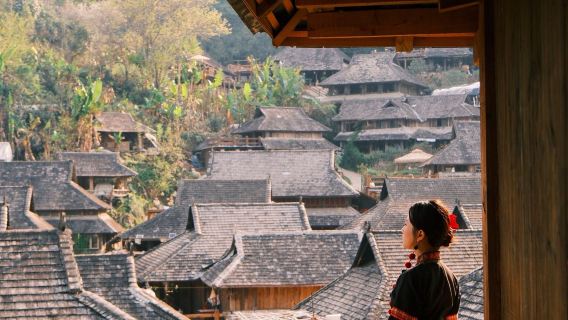

5.0/5
· 9 reviews· 28 bookedFree cancellation
Instant confirmation
Book now for tomorrow
10% off
Limited-time sale
FromUS$110.45US$122.73

4.8/5
· 186 reviews· 1.3k bookedFree cancellation
Instant confirmation
Book now for tomorrow
96.8% of travelers recommend
10% off
Limited-time sale
FromUS$30.68US$34.09
4.8/5
· 34 reviews· 267 bookedFree cancellation
Instant confirmation
Book now for tomorrow
94.1% of travelers recommend
10% off
Limited-time sale
FromUS$51.43US$57.15
4.6/5
· 26 reviews· 95 bookedFree cancellation
Instant confirmation
Book now for tomorrow
193 travellers saved
10% off
Limited-time sale
FromUS$113.52US$126.14
5.0/5
· 1 review· 41 bookedFree cancellation
Instant confirmation
Book now for tomorrow
54 travellers saved
10% off
Limited-time sale
FromUS$46.02US$51.14
45 booked
Free cancellation
Instant confirmation
Book now for tomorrow
FromUS$3.75
Free cancellation
Instant confirmation
Book now for tomorrow
FromUS$158.33

Free cancellation
Instant confirmation
Book now for tomorrow
FromUS$64.09
Lancang Today's weatherClear 15-24℃
Lancang weather for the next 2 days11/26: 12-24℃, 11/27: 12-25℃
Free things to do in Lancang

What travellers say about Lancang

M22***1316 November 2026
5.0
I really enjoyed it.
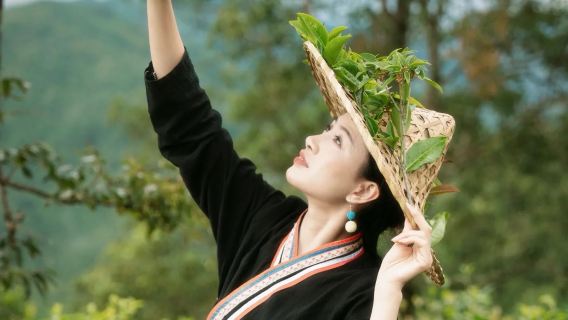
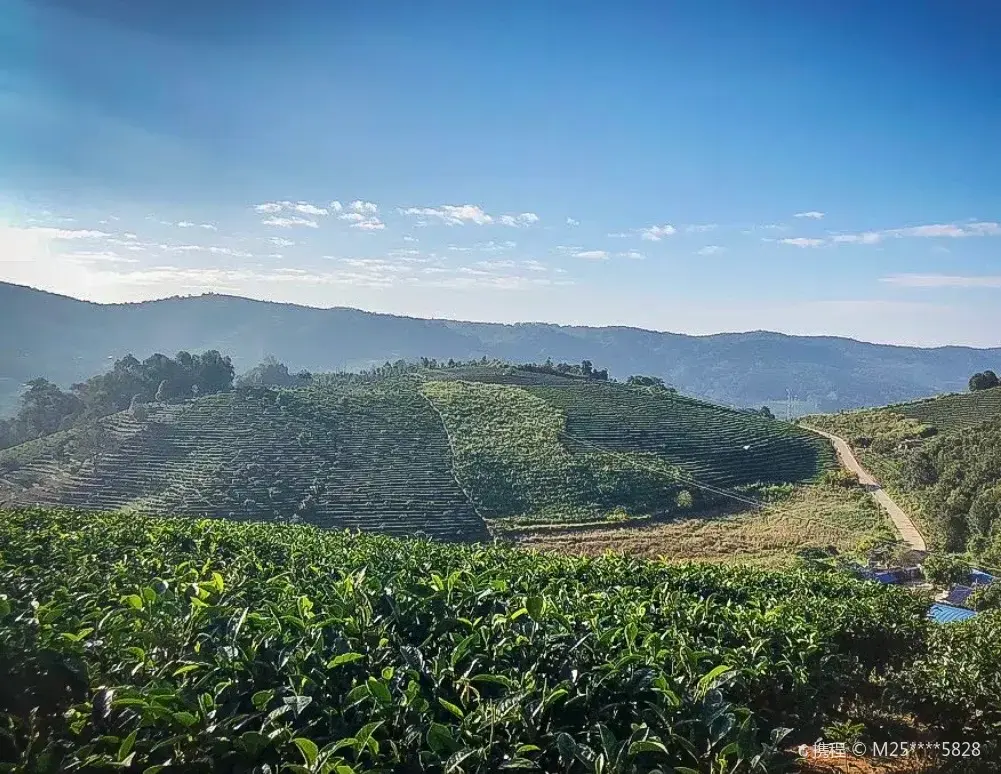
I love drinking tea, I love plants, I love the ancient tea forests, and I love the blooming tea trees in the woods, their delicate fragrance lingering long after I left.
I usually enjoy brewing tea, and now it felt like the tea was brewing me.
The people of Wengji are incredibly hospitable.
I hope it will be just as wonderful next time I come.
Jingmai Mountain Tea Forest Cultural Scenic Area

印象西南24 May 2026
5.0
Hidden in the Tea Mountains, Ancient Villages of Nuogan: A Travelogue of Nuogan Ancient Village in Pu'er
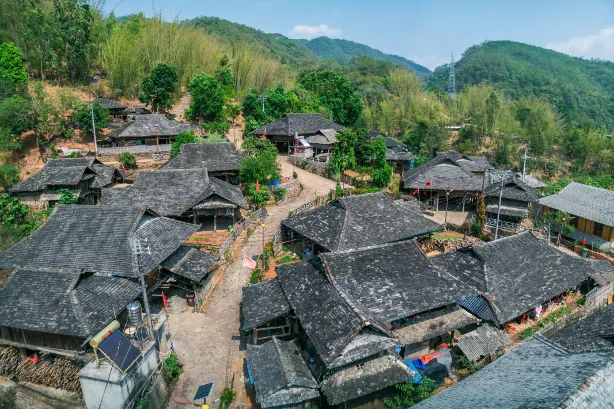
Deep in the Jingmai Mountains of Pu'er, I finally encountered Nuogan Ancient Village. This thousand-year-old Dai village, nestled amidst thousands of acres of tea plantations, escapes the hustle and bustle of the world and the superficiality of commercialism. Like a secret paradise gently treasured by time, it lies quietly nestled among the folds of the green mountains. After traversing mountains and tea forests, the city's restlessness was swept away by the mountain breeze. Stepping into the ancient village, I truly understood what a paradise on earth and the tranquility of time meant.
The beauty of Nuogan lies in its rustic purity etched into time. The entire village is built against the mountainside, its buildings arranged in a staggered pattern, perfectly preserving the most original Dai stilted bamboo and wood structure. Century-old wooden stilted houses stand side by side, their deep gray tiles bearing the marks of time, their mottled wooden walls bearing the weight of a thousand years of wind and rain. The ancient totems hanging from the eaves quietly tell the ancient stories of the Dai ancestors. The winding alleyways paved with bluestone slabs, their patterns imbued with the dampness of the mountains and the aroma of tea, each inch of stone bearing witness to the ancient village's countless sunrises and sunsets.
Unlike many commercialized ancient villages and towns, Nuogan Ancient Village has preserved its pristine charm and tranquility. Here, there are no bustling tourist hotspots, no clamoring shops, only the most authentic daily life in the mountains and the warmth of human connection. At dawn, a thin mist drifts over the tea mountains, enveloping the village. Villagers, their feet glistening with dew, traverse the tea gardens, tending to the ancient tea trees. In the afternoon, sunlight filters through the leaves, illuminating the wooden houses and courtyards. Elders sit leisurely weaving and chatting in front of their doors, while children run and laugh at the alley entrance. Time seems to slow its relentless flow here. Walking through the streets and alleys, everything is gentle and inviting. Every courtyard is clean and elegant, with lush vegetation at the corners. A gentle breeze carries the fragrance of grass and trees, and the subtle aroma of tea, refreshing and soothing.
Surrounded by thousands of acres of ancient tea gardens, the village enjoys a unique natural environment that nurtures its rich cultural heritage. As an ancient post station on the Tea Horse Road, the aroma of tea has been the unchanging essence of Nuogan for millennia. The tea trees cover the mountainsides, their lush foliage stretching to the horizon, evergreen and vibrant year-round. Standing amidst the tea mountains, a gentle breeze carries the sweet fragrance of tea, and a deep breath washes away all fatigue. Find a quiet spot in a farmhouse courtyard, brew a pot of local ancient tree tea, its clear, mellow liquor offering a sweet and lingering taste. Savor it slowly, watching the clouds drift by and listening to the whispers of the mountain wind, far from the hustle and bustle of city life, enjoying a moment of relaxation and tranquility.
Nuogan Ancient Village

D了个Y30 August 2023
5.0
It belongs to Mangjing Village, Huimin Town, Lancang Laku Autonomous County, Pu'er City, Yunnan Province. The main ethnic group is Bulang. The village was selected into the second batch of Chinese traditional villages. It is a cultural relic component of the "Jingmai Ancient Tea Garden", a national key cultural relic protection unit, and is also one of the nine traditional villages listed as the heritage elements of the "Pu'er Jingmai Mountain Ancient Tea Forest Cultural Landscape".
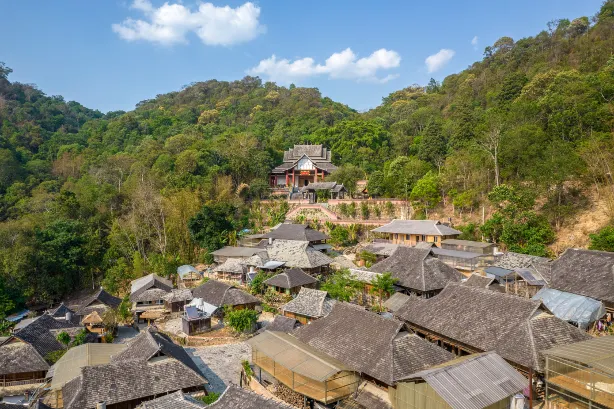
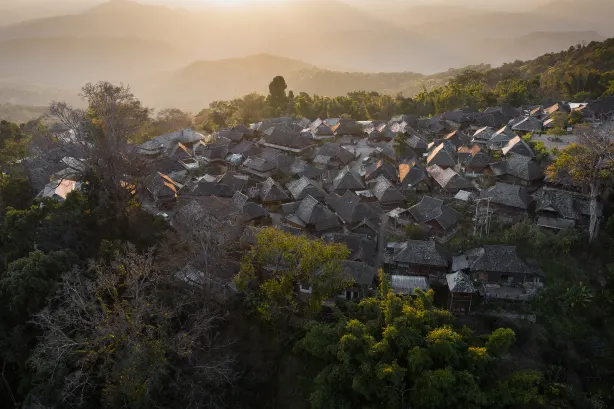
Wengji Village is located at the northern end of the Aileng Mountain (also known as Mangjing Mountain) mountain range. It is built according to the mountain terrain and surrounded by ancient tea forests. It is about 1,350 meters above sea level and above the fog line. According to the villagers' oral account, the layout of the five Bulang villages in Jingmai Mountain and Aileng Mountain is shaped like an elephant, and Wengji is located on the head of the elephant. "Wengji" means "to look at the hexagram" in the Bulang language. Legend has it that when the ancestors of the Bulang migrated to Jingmai Mountain, they looked at the hexagram here to choose a location for the village.
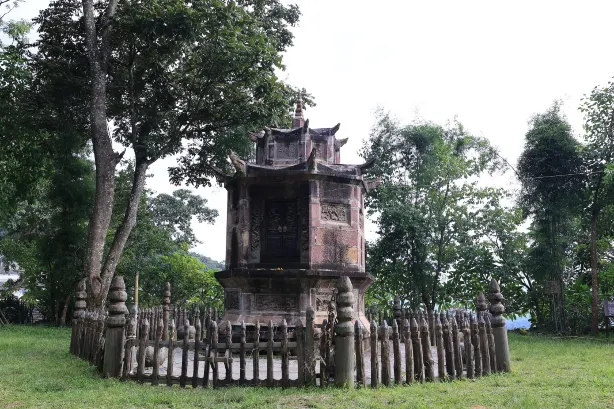
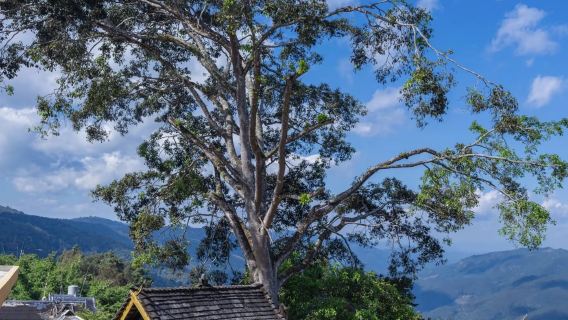
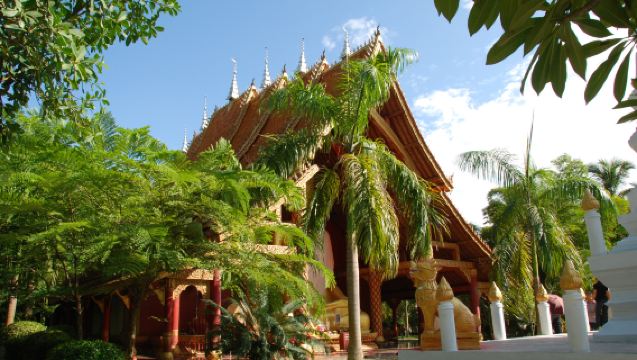
The village completely preserves the traditional pattern and historical features of the Bulang villages in Jingmai Mountain. The buildings are scattered around the center of the village along the contour line. Wengji has a village gate, and in the past, only houses were allowed to be built inside the village gate. Wengji Buddhist Temple was built on the terrace at the north end of the village. It is a place for religious activities and major festivals. It was rebuilt in 2009. The buildings in the village are all traditional stilt houses. Tradition requires that the entrance of the houses face the center of the village, and the roof of the building is parallel to the Aileng Mountain. Among them, 49 traditional stilt houses are cultural relics of the "Jingmai Ancient Tea Garden", a national key cultural relic protection unit. There are many large trees distributed around the village boundary and next to the temple, which are regarded as sacred trees for protecting the village by the villagers. The tree species include cypress, bodhi and banyan trees. The center of the village, the village gate, the Buddhist temple, traditional houses and sacred trees are all carriers of the heritage value of the traditional village of Wengji.
In recent years, with the development of society and the increase in population, new villages have been built and developed on the north and south sides of the old village.
Wengji Bulang Old Village

滇国剑客26 May 2021
5.0
Strictly speaking, this is a typical ecological manor with a very well-preserved ecological environment, especially the tea planted there, which has become both an ornamental plant beauty and a delicious tea in a pure ecological environment.
Jingmai Mountain Bolian Pu'er Tea Estate

chueng5268 May 2025
5.0
Lao Dabao is located in Menggen Village, Jiujing Township, southeast of Lancang County, Pu'er City. It is a typical Lahu village. All 114 households and 473 people in the village are Lahu people. The Lahu culture here is profound. It is the protection and inheritance base of the national intangible cultural heritage "Mu Pa Mi Pa" and "Lahu Lusheng Dance", and it is also the place where "Happy Lahu" is sung. The traditional stilt buildings in the village are well preserved and the natural scenery is beautiful. All villagers can sing and dance well. 80% of the villagers can play the guitar and have created more than 300 Lahu folk songs. Lao Dabao Village insists on the integrated development of culture and tourism and has become a national 4A-level tourist attraction. It is one of the highlights of Pu'er's cultural and tourism integration and rural revitalization.
Laodabao Scenic Area

会飞的鱼zzt16 April 2025
5.0
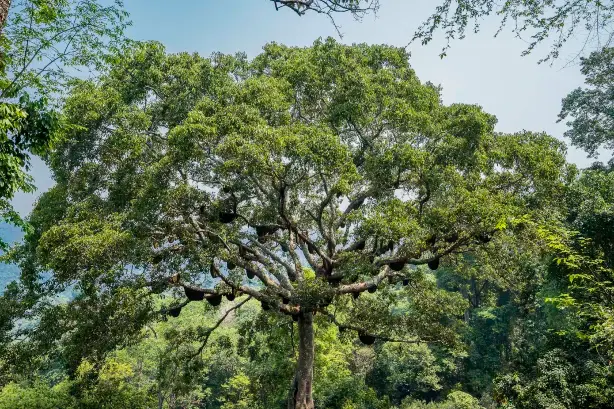
云南普饵景迈山芒景村是景迈山世界文化景观遗产景区的组成部分,这里有古寨、茶祖庙、茶祖树、八角亭、公主榕、蜂神树等景点,茶祖庙和八角亭分别是观赏日出日落的绝佳地。这里是新的世界遗产地,游客相对较少,犹如世外桃园一般,住上一般时间也很好哟!
Mangjing Village

毒茶大王11 May 2026
5.0
Jingmai Mountain
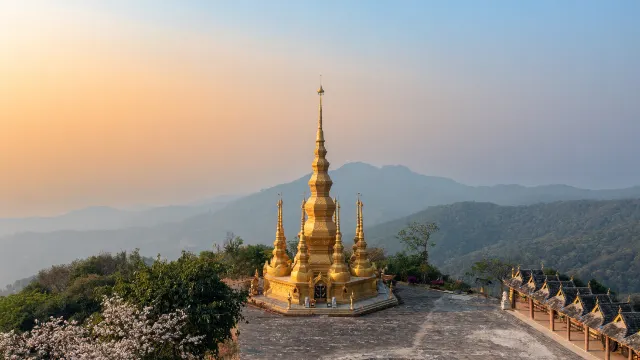
I first heard the name of this place probably more than eight years ago, when Japan's national broadcasting station aired a program that was a Japanese translation of a travelogue about exploring Chinese tea.
Seven years ago, my dream came true and I visited this place.
I promised the tea farmers I met then that I would come back the following year, but then the COVID-19 pandemic hit, and I was unable to return for seven years.
I have kept in touch with the tea master I met then, and this year I was finally able to stand on the grounds of Jingmai Mountain again and reunite with the tea farmers.
And I was able to drink delicious Pu-erh tea once more.
I am grateful for this beautiful mountain and delicious Pu-erh tea.
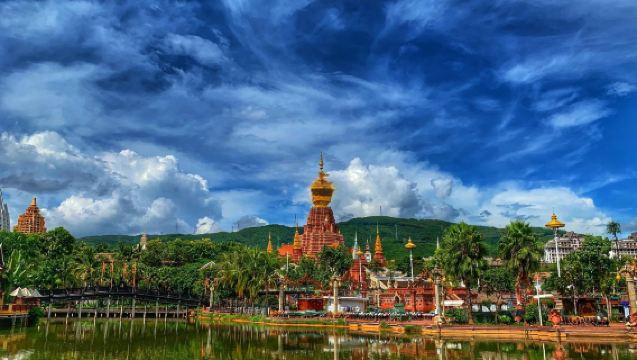
Jingmai Golden Tower

Trip Moments in Lancang

Popular cities near Lancang


Frequently asked questions
How can I contact Trip.com customer support?
Get help anytime, anywhere within 30 secondsContact customer support
Can I change or cancel my booking?
Change and cancellation policies vary by attractions and tours. Please check the product details page for more information.
How can I get discounted prices?
Ticket prices may vary between weekdays and weekends, as well as during peak and off-peak seasons. When booking with Trip.com, you can also use Trip Coins to get extra savings. For more tips on booking discounted tickets, please visit Trip.com for the latest information.