Hejing

Things to do in Hejing

Search attractions or local attractions & tours
Search

Explore top experiences

Top 10 attractions in Hejing
View all Attractions
Bayanbulak

Bayanbulak

6.7
4.5/5
1.5k reviews

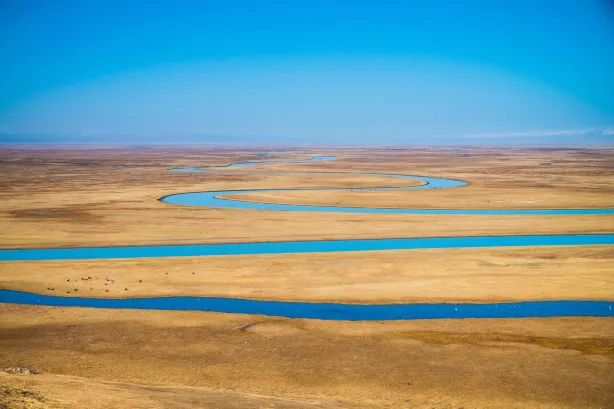
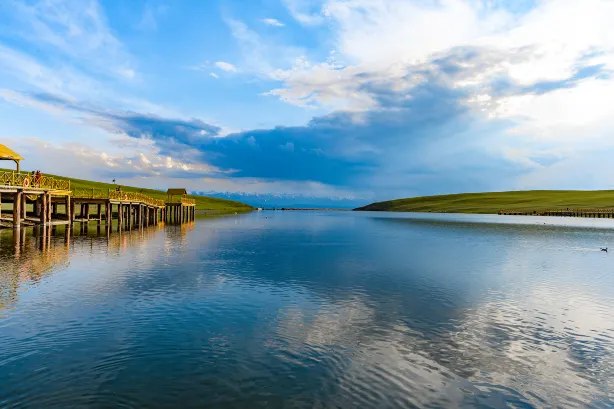
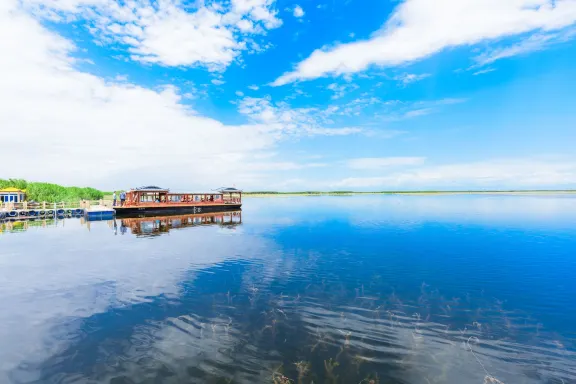
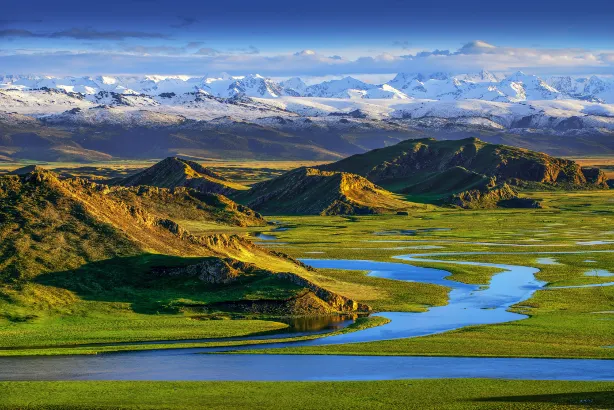
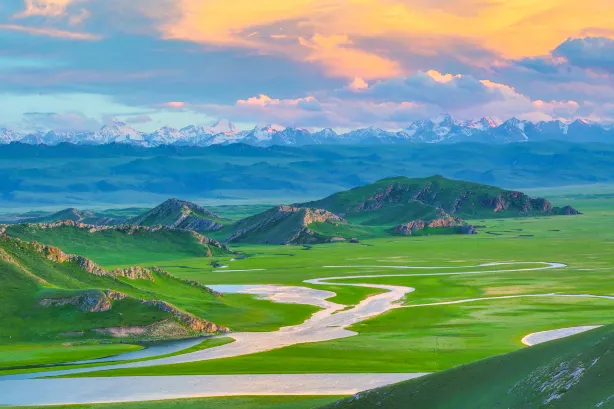
Bayanbulak is located in the hinterland of the southern foothills of the central Tianshan Mountains. "Bayanbulak" means "rich spring" in Mongolian. It is characterized by alpine meadow grasslands and alpine marsh wetlands, with lush vegetation, rivers, and lakes scattered throughout. Surrounded by mountains, it features alternating rolling hills and vast meadows. The Innsbruck · International Festival Ballet Swan Lake Ballet within the scenic area is a major breeding ground for wild swans in China. It consists of numerous interconnected small lakes forming a large marsh wetland. Every spring and summer, large numbers of swans come here to rest and breed. The lake surface is peaceful and serene, making it an ideal place for watching and photographing swans. Another iconic view is the Nine-Bend and Eighteen-Turn of the Kaidu River—the Kaidu River winds through the open grassland, creating continuous river bends. Overlooking from the Basilik Viewing Platform, a ribbon-like river meanders through the meadows. It is especially moving at sunset, when golden rays of light fill the river channel, creating a magnificent scene that has become a favorite shooting spot for many photography enthusiasts. Along the way, you can also stop at the Barunkure Temple. "Barunkure" means "moving temple," originating from the tradition of local Torgut Mongol herdsmen, who practiced Tibetan Buddhism, carrying their temples on horseback during their nomadic life. Although the temple is now fixed, it still carries the historical memory of the Torgut tribe's return to the east and settlement, making it a unique cultural attraction within the scenic area.

Hejing · >100km from downtown
Gongnaisi Forest Farm
No. 1 of Fall Viewing Attractions in Hejing

Gongnaisi Forest Farm

4.4
4.7/5
87 reviews

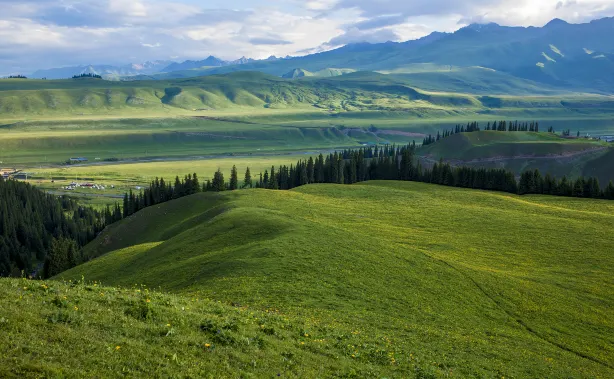
Gongnaisi Forest Farm is located deep in the Tianshan Mountains in Hejing County, Bayingolin Mongol Autonomous Prefecture, Xinjiang, and sits in the river valley of the upper reaches of the Gongnaisi River, at an altitude between 1600m and 2400m. The highlight here is the vast expanse of Schrenk's spruce covering the hillsides, with overlapping canopies blocking out the sky. The Gongnaisi River rushes past the edge of the forest, while distant snow-capped peaks, nearby meadows, and scattered flocks of sheep create a typical pastoral scene in the heart of the Tianshan Mountains. The forest area is rich in animal and plant resources, with wild animals such as snowcocks, red deer, and brown bears living there. Rare alpine plants like snow lotus and fritillaria also grow in the valleys, earning it the reputation of a snow mountain zoo. Each season here has its own appeal: spring is filled with fresh greenery; summer is cool and pleasant with wildflowers covering the valleys, making it a great place to escape the heat; in the fall, frost-kissed red leaves interweave with the dark green spruce forests to form a colorful painting; and in winter, heavy snow covers the river valleys and forests, creating a silver-clad landscape. Not far from the forest farm, Hongjialike Valley features splashing waterfalls and winding springs, which are worth a visit if you have enough time.

Hejing · >100km from downtown
Free attraction
Nine Bends and Eighteen Turns Viewing Platform

Nine Bends and Eighteen Turns Viewing Platform

4.2
5.0/5
2 reviews

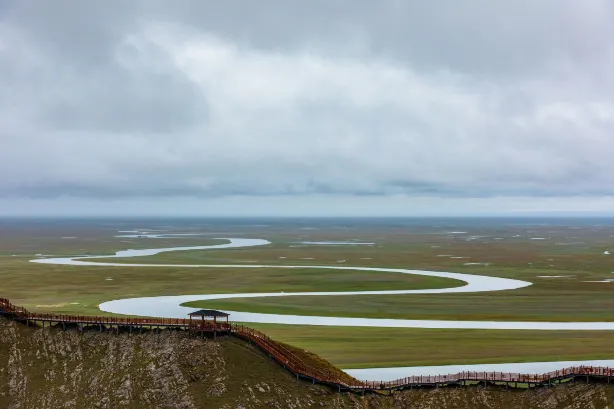
The Nine Bends and Eighteen Turns Viewing Platform is located in the Bayanbulak Grassland National Nature Reserve deep in the Tianshan Mountains of Xinjiang and is a high-altitude vantage point for overlooking the panoramic view of the Kaidu River bends. The Kaidu River is said to be the prototype for the "Tongtian River" in *Journey to the West*. It winds unrestrainedly across this alpine grassland at an altitude of over 2,000m, carving out a series of sweeping, curved river bends that connect vast wetlands, which is how the name "Nine Bends and Eighteen Turns" originated. The viewing platform is built on the hillside beside the river bends, with wooden boardwalks spreading along the slope. Leaning against the railing to look down, you can take in the entire view of the river winding its way into the distance across the grassland. Sunset is the highlight here: as the sun sinks along the horizon, orange-gold light illuminates the river bends one by one, and the distant snow-capped mountains outline the skyline. If the direction of the setting sun aligns perfectly with the angle of the river, the water surface of several bends will simultaneously reflect the sunset, creating the "nine suns" that photographers rave about. This lasts for only one or two minutes and is a rare sight to behold. Weather has a significant impact on this experience. The sunset view is greatly diminished on cloudy or overcast days, so it is worth checking the weather before planning your itinerary. Sunset in Xinjiang is about 2 hours later than in the interior of China, often occurring around 9:00 PM in midsummer, so be sure to allow enough time to see the sunset. The temperature difference between day and night on the grassland is significant. The wind picks up and temperatures drop quickly after sunset, so it is advisable to bring a thick jacket even in summer. During the peak season, there are many tourists waiting for a spot on the boardwalk in the evening. You should arrive early to secure a position if you want to take panoramic photos. While waiting for the sunset, you might want to keep an eye out for swans and other water birds inhabiting the river wetlands.

Hejing · >100km from downtown
Huang Temple

Huang Temple

3.6
4.5/5
25 reviews

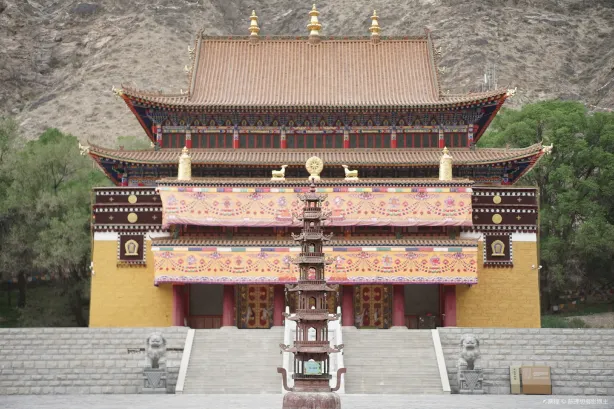
Located in the old Baluntai Valley, Baluntai Town, Hejing County, with an altitude of 1450 meters, it is a magnificent Lama monastery. Known as the "Little Potala Palace", the religious legal name is "Sharb Darjelen", which means "Holy Land of the Yellow Sect". It was built in the reign of Qianlong and completed in the 14th year of Guangxu. The skilled craftsmen who built the temple were invited from Inner Mongolia and Tibet, and spent a total of 500 taels of gold. Since its establishment more than a hundred years ago, it has always been a pilgrimage site for Turghut and Heshuot Lamaists, and it is also one of the four major temples of Lamaism in Xinjiang. The Huangmiao complex consists of 27 temples, stretching 2.5 kilometers from east to west. The Yellow Temple is the main building. The entire building has a rigorous structure and is proud of itself. Together with 14 temples such as Quejinkure, it forms an imposing ancient building complex of Lama temples. It covers an area of 24,000 square meters. Halls such as Re, Gaiganlawulong, etc. are still intact, and were listed as key cultural relics protection units in 1987. There are many precious scriptures and rare cultural relics in the hall of the Yellow Temple. In the center of the hall is a huge golden statue of Meder. Many bronze Buddha statues such as Maitreya Buddha and Guanyin Bodhisattva are enshrined in the east and west rear halls. The four walls of the main hall are decorated with statues of the gods, which are lifelike, vivid and exquisite. There are also thirteen religious murals painted in the temple. Although they have been eroded, their authentic works are still vaguely visible. There is an endless stream of pilgrims who come to Yujing pilgrimage every day, the incense is extremely prosperous, and every religious festival is even more lively. Baruntaigou is not only a religious holy place, but also a natural forest park. In the green valley with a length of more than 20 kilometers from east to west, there are lush willow trees, strange peaks and rocks standing in the sky, and the mountains, springs and clouds are vast. The average temperature in midsummer is around 20 degrees, with warm winters and cool summers. The simple and kind-hearted folk customs of the Mongolian people in Turghut will make you fascinated even more.

Hejing · 38.8km from downtown
Hejing Banchan Valley Scenic Area

Hejing Banchan Valley Scenic Area

3.2
4.8/5
39 reviews

The Panchen Valley in Gongnaisi Attraction is a tourist destination featuring natural scenery and cultural experience, located in the heart of Gongnaisi grassland in Xinjiang. The magnificent natural scenery and rich historical culture and religious colors here attract many tourists. It is an ideal place to explore nature and experience culture. The Panchen Lama Valley in Gongnaisi Attraction has a long history. In July 1984, when the 10th Panchen Lama Erdeni Choekyi Gyaltsen came to Gongnaisi for inspection, he chanted scriptures for many days under a pine tree with two roots standing side by side in a unique shape. Later generations called this tree the Panchen Lama Tree and erected a monument in front of the tree. Prayer flags are hung high on the Panchen Lama Tree, and colorful ribbons flutter in the wind. The Panchen Lama Tree is full of spiritual energy. The Panchen Valley in Gongnaisi Attraction is famous for its beautiful mountains and rivers and vast grasslands, with different scenery in each season. Entering the Panchen Valley in Gongnaisi Attraction is like entering a picturesque fairy tale world. In spring and summer, wild flowers are everywhere and the grass is green. Visitors can stroll along the grassland trails and enjoy the fresh air and tranquil natural environment. In autumn and winter, the snow-capped mountains and forests complement each other, presenting a magnificent picture, a paradise for photography enthusiasts. The perfect combination of nature and culture here has created the Panchen Valley in Gongnaisi Attraction, a sacred place on earth for spiritual relaxation and cultural enlightenment.

Hejing · >100km from downtown

More things to do

Hejing Today's weatherFoggy -5-6℃
Hejing weather for the next 2 days11/30: -5-4℃, 12/1: -5-4℃

Free things to do in Hejing
What travellers say about Hejing

user-avatar
Hi匣子30 September 2026
5.0
Bayinbuluke is definitely worth a visit. Besides swans, we also saw Siberian red-billed gulls at the Swan Sanctuary, and the interaction between the lambs and swans was particularly interesting. It's really cold up there, so be sure to dress warmly! The scenic area is much larger than I expected. From the entrance to the main attractions, even with no stops and a speed limit of 60 km/h, it takes about an hour, so be sure to allow plenty of time. The weather was exceptionally good the second time, and I wanted to go back in to watch the sunset. However, when I arrived at the scenic area at 6:30 PM, the staff said the sightseeing bus had already stopped running, so I unfortunately missed it. 🥲 If you want to see the sunset, be sure to check the last sightseeing bus time in advance. Also, if you're driving, after watching the sunset, drive slowly and carefully as it gets dark.

Bayanbulak

user-avatar
Priya1 September 2023
5.0
A scenic spot located in the Bayinbuluke Scenic Area, with a winding river, it is a paradise for photography enthusiasts. Watching the sunset and sunrise here are both very popular spots. Because of the refraction of the river, you can take a magnificent photo of nine suns here, but even if you take a casual photo, it is quite unique. It should be reminded that there are a lot of mosquitoes in mid-July, and it is almost difficult to endure long-term viewing. If you must go, you must prepare the corresponding equipment.

Nine Curves and Eighteen Turns

user-avatar
亮点liangpoint3 August 2023
4.0
The famous "Swan Lake" in Bayinbuluke is the only swan nature reserve in China. It is an alpine wetland lake with an altitude of nearly 3,000 meters. The continuous snow-capped mountains and icy peaks around it form a natural barrier for the Swan Lake.

Bayanbulak Swan Lake

user-avatar
YoYo_9H7U5N1A1 October 2026
5.0
Gongnaisi Forest Farm is nestled in the river valley of the Tianshan Mountains in Xinjiang, a hidden green haven on the eastern side of the Ili River Valley. Surrounded by snow-capped mountains, its clear meltwater flows down the mountain streams, nourishing the vast spruce forest that stretches along the valley. Most of the spruce trees in the forest farm...

Gongnaisi Forest Farm

user-avatar
火 火3 October 2025
5.0
The Bayinbuluke "Nine Bends and Eighteen Turns" Observation Deck, also known as the Basilik Observation Deck, is located in the southwest corner of the Bayinbuluke Grassland, in the core section of the Kaidu River Wetland. It is the only official high point from which to overlook the "Nine Suns in a Row" spectacle. 2025 "Nine Suns" Photographing Window: June 21:10–21:40 5–7 images 20:00 July–August 21:00–21:30 7–9 images 19:40 September 20:10–20:40 9 images (best) 18:50 Early October 19:40–20:10 6–8 images 18:20 To see all nine reflections, the following conditions must simultaneously be met: ① a cloudless sky ② wind speed ≤ Force 3 (calm water) ③ the angle between the sun's path and the river channel is less than 15°. Main Platform (2460 meters above sea level, with fan-shaped railings): Accommodates 400 people. A stone tablet with the inscription "Nine Bends and Eighteen Turns" stands in the scenic area, making it ideal for capturing the entire bend with a 24mm wide-angle lens. Left Hill (80 meters up the wooden railing): Less crowded. A 200mm telephoto lens can capture 18 river bends, leaving no foreground railings to obscure. Lower Plank Road Corner: 50 meters down, ideal for capturing silhouettes of people and the river bend, with the sunset backlight creating a golden haze.

Nine Bends and Eighteen Turns Viewing Platform
user-avatar
维摩诘327 October 2026
5.0
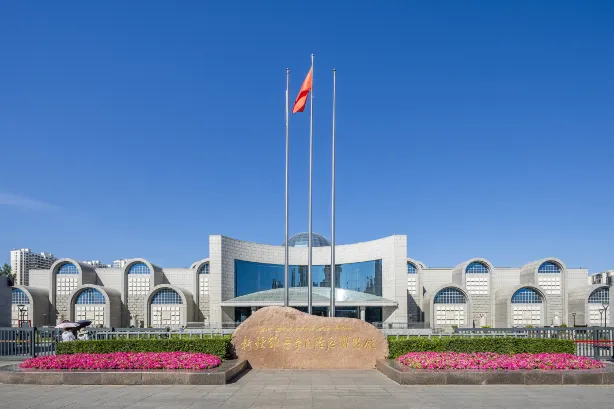
Huangmiao Yong'an Temple is a Tibetan Buddhist Lama temple located at the foot of the Tianshan Mountains in Baluntai Town, north of Hejing County, about an hour's drive from the county seat. The Baluntai River flows behind the temple. The environment is serene, with mountains and water, lush greenery, and a humid climate with cool summers. It was built during the Guangxu era by the 12th prince of the Torgut tribe who returned east. It served as a place of worship and gathering for Mongolian herders in the Yanqi Basin during the late Qing Dynasty and the Republic of China period. After visiting Bosten Lake during the National Day holiday, I took the Haowushun Road to visit the temple. After exiting the Urumqi-Wuwei Expressway, I took National Highway 218 to Baluntai Town, and then drove a little further in. The road was paved and in good condition, although there were many winding mountain roads. The parking lot in front of the temple is large, and a cluster of yellow buildings comes into view. I visited the museum, the lecture hall, and the prince's summer palace. In the courtyard, there is a grafted Bodhi tree brought back from India, with a very large canopy. There were quite a few people celebrating National Day, but it wasn't noisy; the atmosphere was quite nice.

Huang Temple

user-avatar
Zsy萝卜青菜10 June 2023
5.0
The scenery is great, cost-effective and worth going, but the road is not easy to walk

Kerguti Mysterious Canyon

user-avatar
Anonymous user29 June 2024
5.0
There are very few people in the Panchen Valley scenic area, so you don't have to squeeze with the crowds and can enjoy super VIP treatment. The service staff are beautiful and enthusiastic. The sea of ​​flowers has not yet fully bloomed, but it is already very beautiful. It is said that it will be even more beautiful in early July.

Hejing Banchan Valley Scenic Area

Trip Moments in Hejing

Popular cities near Hejing

Frequently asked questions

How can I contact Trip.com customer support?

Get help anytime, anywhere within 30 secondsContact customer support

Change and cancellation policies vary by attractions and tours. Please check the product details page for more information.

Ticket prices may vary between weekdays and weekends, as well as during peak and off-peak seasons. When booking with Trip.com, you can also use Trip Coins to get extra savings. For more tips on booking discounted tickets, please visit Trip.com for the latest information.