
Things to do in Gannan
Explore top experiences
Top 10 attractions in Gannan


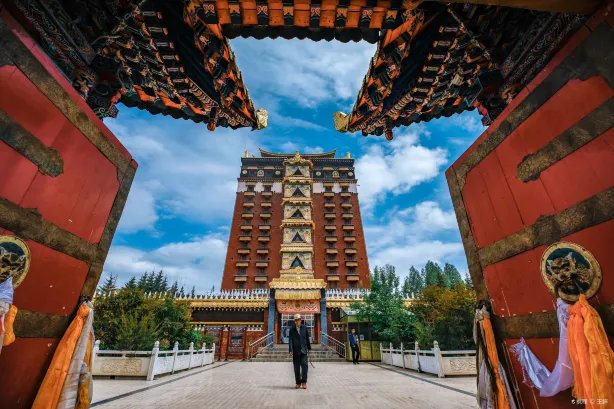


Traveller favourites curated for you


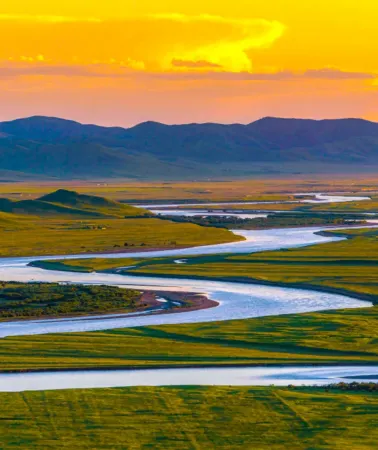
 8D7N • Chengdu + Gannan + Zha Ga Na + Huahu Eco-Tourism Area + Guan'E Gou Scenic Area
Explore the hidden wonders of Sichuan and Gannan, and discover the breathtaking beauty of Gannan and Zhagana. The Premium Route connects five core destinations - Chengdu, Gannan, Zhagana, Huahu Lake, and Guan'e Gou - showcasing diverse scenic landscapes, from the unique geology and Tibetan village charm of Zhagana, to the vibrant forests and streams of Guan'e Gou, and the pristine wetlands of Huahu Lake. Blending nature and culture, this journey ensures a truly memorable travel experience. | Hotel selection is flexible. You can choose the room type that suits your needs to ensure a quality sleep during the trip. Comfortable transportation is arranged throughout the journey, accompanied by professional drivers. It balances travel convenience and privacy, making your trip more hassle-free.Savings SGD 36
From SGD 899SGD 937

Experiences you can't miss in Gannan
Featured Culture & history in Gannan
View all Culture & history
5.0/5
· 2 reviewsFree cancellation
Instant confirmation
FromS$ 113.47

FromS$ 288.03

Instant confirmation
FromS$ 209.26

Free cancellation
Instant confirmation
FromS$ 95.58
Free cancellation
Instant confirmation
FromS$ 120.02

Free cancellation
Book now for tomorrow
FromS$ 209.48
More things to do
Gannan Today's weatherCloudy -4-12℃
Gannan weather for the next 2 days11/5: -3-11℃, 11/6: 0-14℃
Free things to do in Gannan


What travellers say about Gannan

素年锦时xhlg21 October 2026
5.0
Zhagana is unbelievably beautiful! Surrounded by rocky mountains, the Tibetan village is shrouded in mist in the mornings, like a thin veil draped over it. Standing on the viewing platform, you can see terraced fields stretching out, with yellow rapeseed flowers and green barley, set against the backdrop of shimmering snow-capped peaks in the distance—every snapshot is wallpaper-worthy. The air is filled with the scent of grass and cooking smoke, and yaks graze leisurely. It's so relaxing, you won't want to leave!
Zha Ga Na

晚霞风车24 August 2023
5.0
Gangjia Grassland is located in Gangjia Township, Xiahe, Gannan Tibetan Autonomous Prefecture, Gansu Province, 33 kilometers north of Xiahe County, and is directly accessible by road. Gangjia Grassland is a meadow grassland, vast and boundless, with an average altitude of more than 3,000 meters. It is one of the main animal husbandry bases in Gannan Tibetan Autonomous Prefecture. There is a reception desk at the Muyun Tent Camp, which prepares fresh milk tea, tsampa, Tibetan buns, hand-pulled mutton and other Tibetan specialties for tourists. It also prepares grassland tourism programs such as horses, yaks, shooting bonfire parties, etc. for tourists. Visitors can fully experience the mysterious and simple Tibetan customs here.
Ganjia Grassland

M41***913 October 2026
4.0
As the first stop in Gannan from Linxia, it's a pretty good tourist attraction, with all three viewing platforms worth taking photos at. However, even during the off-season holidays, the shuttle buses are hard to find, so I can only imagine how ridiculous the queues will be during the summer peak season.
Ganjia Secret Realm

Bolton Chen7 October 2026
5.0
Labrang Monastery is truly a dream destination when the weather is perfect! The golden roofs gleam under the blue sky and white clouds, and the entire monastery appears exceptionally solemn and magnificent in the high-altitude sunshine. As a world-renowned center of Tibetan studies, its prayer wheel corridor stretches for 3.5 kilometers with over 2,000 prayer wheels. Walking clockwise with the pilgrims, the sunlight filters through the eaves, casting warm glow on the prayer wheels and red walls, creating an incredibly atmospheric experience. Climbing the Gongtang Pagoda offers a panoramic view of the golden roofs, white stupas, and brown-red monks' quarters layered upon each other, with rolling mountains and grasslands in the distance – a truly expansive vista. If you're lucky, you might even witness monks debating, their gestures and clapping adding to the captivating atmosphere.
Labrang Monastery

会飞的鱼zzt25 September 2025
5.0
Located in Xiahe County, Gannan, Sangke Grassland sits at an altitude of over 3,000 meters. Surrounded by mountains, it lies a vast, flat alpine grassland. This grassland retains its pristine beauty and boasts breathtaking scenery. Every snap is a stunning sight!
Sangke Grassland

闻嘉流浪Noel13 August 2026
4.0
This is a well-known Tibetan temple in Hezuo City, Gannan Prefecture. It's quite unique, with white stupas somewhat similar to those in Thai temples, and the red monastery exudes a solemn and dignified atmosphere. Taking photos against the backdrop of blue skies and white clouds would definitely be a great experience. Since I have no religious affiliation, I didn't buy a ticket to go inside; I just wandered around the outside. However, I absolutely respect the beliefs of the Tibetan people.
Milariba Buddha Pavilion

M43***254 October 2026
5.0
A two-day trip to Yeliguan in October: Day 1: 11:00 AM - 4:00 PM - Visit Yeliguan Tianchi Lake, 5:00 PM - 6:30 PM - View the Red Cliff Valley; Day 2: 11:30 AM - 3:30 PM - Spend most of the day exploring the forest park. Our group of nine, adults and children, leisurely strolled around, enjoying the beautiful scenery and feeling carefree. We truly experienced the breathtaking beauty of the forests ablaze with color, the golden hues carpeting the earth, and the exquisitely beautiful valley walls. It was a truly worthwhile trip! We look forward to experiencing the unique beauty of Yeliguan again in spring, summer, and winter.
Yeliguan Tourist Area

天空中的雨14 August 2026
5.0
Dayugou is divided into two valleys, Qibu Valley and Ajiao Valley, which can be visited in two days. In Ajiao Valley, take a bus to the last stop, visit the Moon Gate, then take a bus to Butterfly Pavilion, and walk along the wooden boardwalk to Guanyin Pavilion. In Qibu Valley, take a bus to One Line Sky, then take a bus to Sister Peaks, visit Triangle Stone, then take a bus to Zhaxi Lake, and walk along the wooden boardwalk to Qibu Temple.
Dayugou Scenic Area
行走在民间的艺术家29 June 2026
5.0
I took a road trip to Gannan in June and specifically set aside two days to explore Langmusi in depth. It's not just a single temple, but a Tibetan town straddling Gansu and Sichuan provinces. The Bailong River flows through the town, separating Gansu's Saichi Monastery and Sichuan's Geldeng Monastery. It's often called "Little Switzerland of the East," and the overall atmosphere is quiet and soothing. This is my objective and honest travel experience, which may be helpful for those planning a trip.
June is the golden time to visit Langmusi, avoiding peak season. The grasslands are completely green, and the hillsides are covered with vast fields of yellow and purple wildflowers. There are fewer tourists, so you don't have to crowd together for photos. The local altitude is over 3,400 meters, and the temperature difference between day and night is extremely dramatic. On sunny days, it can reach 20 degrees Celsius, which is just right for long sleeves without feeling stuffy. However, the temperature drops sharply after dusk, with nighttime lows of only 5 or 6 degrees Celsius. It's windy and the ultraviolet radiation is extremely strong; even on cloudy days, sunburn is easy to occur. A windproof jacket, shawl, high SPF sunscreen, and non-slip hiking shoes are essential, as the valleys have many loose stones and streams, making sandals very slippery.
The two monasteries require separate tickets; the individual monastery costs 30 yuan, with half-price for students. The Saichi Temple in Gansu boasts an imposing golden roof and red walls. The hillside behind it offers a superb panoramic view, perfect for capturing sunrises and sunsets over the red rock cliffs, with soft light and a captivating atmosphere. A 20-minute hike from the back leads to the sky burial site; please maintain solemnity and refrain from photography or making noise throughout. Ceremonies are not held daily, so there's no need to wait specifically for them. The Galdan Temple in Sichuan houses a precious stupa containing mummified remains. Between 1 and 3 pm, you might witness monks debating Buddhist scriptures; simply observe quietly, and obtain permission from the monks before taking photos.
The Namo Canyon hike behind the temple is highly recommended. It takes about an hour one way, with gentle terrain suitable for all ages. The trail follows the Bailong River, its crystal-clear waters and prayer flags fluttering in the wind. The trail ends at the source of the Bailong River, where the mountain springs are sweet and the valley is serene and uncrowded. Completing the hike brings a profound sense of peace. The town's streets and alleys are bustling with life, and elderly people can be seen circumambulating prayer wheels everywhere. The air is filled with the subtle aroma of yak butter. Strolling leisurely without rushing allows you to truly experience the town's unique relaxed atmosphere.
The dining options are plentiful. Popular Western restaurants offer delicious yak pizza and apple pie, while local Tibetan cuisine is recommended, including hand-pulled lamb, yak yogurt, and yak butter tea – all authentically flavorful. For accommodation, it's not advisable to choose rooms facing the main street, as barking dogs and chanting at night can disturb your rest. Tibetan-style guesthouses on the outskirts of town are quieter, and rooms generally have electric blankets, sufficient for the low nighttime temperatures.
There are some minor drawbacks: cell phone signal is intermittent at high altitudes, so it's recommended to download offline maps beforehand; photography is prohibited inside some temples, and some monks on duty may be somewhat aloof towards tourists; when riding horses with herders on the street, always negotiate the duration, route, and price in advance to avoid being overcharged.
Aside from these minor flaws, Langmusi is a rare gem in Gannan that perfectly blends culture and nature. It's not overly commercialized, allowing you to experience pure Tibetan faith while enjoying the beauty of grasslands, canyons, and mountains. June offers a comfortable climate, perfect for relaxation and tranquility, avoiding the summer crowds. It's recommended for travelers who enjoy slow travel and appreciate the pristine beauty of Tibetan landscapes.
Langmusi Scenic Area

M10***512 July 2026
5.0
This high-altitude grassland, characterized by frost-covered hills and small grassy mounds, sits at an altitude of 3600m. In June, wildflowers such as the alpine meconopsis bloom across the grassland, creating a stunningly beautiful scene. Highly recommended!
Meiren Grassland