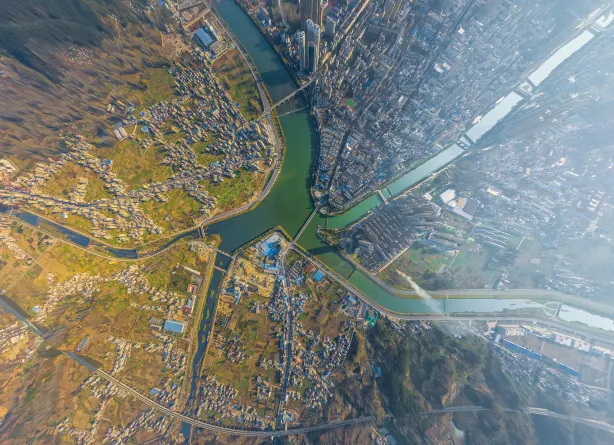
Fang County

Things to do in Fang County

Search attractions or local attractions & tours
Search

Explore top experiences

Top 10 attractions in Fang County

View all Attractions
Savage Cave

Savage Cave

3.9
4.5/5
52 reviews

The Wild Man Cave is called the Ancient Cave by the Seniors in Fang County. Later, it was found that there were bats in the cave, so it was also called the Bat Cave. On November 21, 1998, Wang Xingbin, a tourism expert from Beijing, and Li Faping, deputy director of the Municipal Tourism Bureau, came to Fang County for inspection. They believed that Fang County was the hometown of the wild man. The number of wild men found was large, the spread was wide, and the history of spreading was long. It is still a mystery in the world until now, so it is better to name it "Wild Man Cave". So far, it has been named "Wild Man Cave". Shennongjia is close to it, located beside the 209 National Highway in Qiaoshang Township, Fang County, 45 kilometers away from the county seat. It has majestic mountains and beautiful waters, secluded valleys and dangerous gorges, and ancient primeval forests, making it a natural museum. There are many scenic spots in the canyon, including Huancai Gorge, Yeyu Beach, Dojun Cave, Longdan Cliff, Waterfall Group, Wild Man Kui Valley, Sky Rope Cliff Climbing, Dragon Gate Opening, and Cliff Castle. Outside the cave are Shoutao Peak, Wuxing Mountain, Longtou Rock, and Yudai Mountain. The peaks are connected, steep and magnificent. The newly built Tingyu Villa has flying eaves and corners, and is simple and elegant. This is a tourist attraction for enjoying flowers in spring, escaping the heat in midsummer, viewing the scenery in late autumn, and praising the snow in winter. The cave is divided into two floors, with three halls and four palaces. There are stalactites created by God, which look like people and birds, like brocade, Guanyin lotus platform, Guo Lao offering longevity, Tianhe River water flow, fairy drying clothes, Taibai drunk, rhinoceros looking at the moon, Taoyuan sworn brotherhood, divine turtle playing in the water, fairy cave stone forest, Milky Way beach, lifelike shapes, world-renowned, and wonderful to visit the cave. Wild Man Cave is a multi-path cave entrance, with mountains hidden in the cave and caves in the mountains. There are huge caves with various changes and hundreds of strange things outside the cave, like flying birds and walking animals, or forming a scene alone, or combining into fun, with natural craftsmanship, lifelike, forming hundreds of stalactite wonders; the spring water in the cave gurgles, flows all year round, and the strange stones reflect the water, with different colors, hanging waterfalls, water curtains, dragon pools, dripping golden basins, etc., all of which make people marvel and praise. It has been discovered that the cave is more than 1,200 meters deep and covers an area of ​​15,400 square meters, and further exploration and investigation are needed.

Fang County · 15.4km from downtown
Emperor Qinshihuang's Mausoleum Site Museum
2027 Global 100 - Best Things to Do

Emperor Qinshihuang's Mausoleum Site Museum

10
4.7/5
151.8k reviews

Emperor Qinshihuang's Mausoleum Site Museum is a large site museum built on the site of the Terracotta Army pits, which are located approx. 1.5 km east of the mound of Emperor Qinshihuang's Mausoleum. In March 1974, farmers from Xiyang Village accidentally unearthed fragments of terracotta figures while digging a well, and archaeological exploration confirmed Pit 1; in 1976, Pits 2 and 3 were successively discovered to the north of Pit 1. This army, which had slumbered for over 2,000 years, was thus brought back to light, and the discovery of the Terracotta Army has been hailed as "one of the great discoveries in the history of 20th-century archaeology." Pit 1 is the main military formation among the three pits, stretching over 200 m from east to west, with an estimated 6,000 pottery figurines and horses buried inside. Standing at the edge and looking down, armored warrior figurines, war chariots, and pottery horses are arrayed eastward in battle formation. A closer look at each figure reveals different facial shapes, hairstyles, beards, and even hand gestures. The figurines were originally painted all over, but most of the paint has peeled off and discolored due to fire and long burial. Pit 2 is L-shaped, with crossbowmen, cavalry, and charioteers arranged in a mixed formation; the vividly expressive kneeling archer was unearthed here. Pit 3 is small in scale, and scholars believe the ceremonial guard figurines and war chariots unearthed there indicate it served as the command center—known in ancient times as a "military tent"—directing the formations in Pits 1 and 2. The bronze swords, pi halberds, spears, crossbow triggers, and large quantities of arrowheads unearthed from the pits—many still sharp after more than 2,000 years—demonstrate the sophistication of Qin dynasty metallurgy. The Emperor Qinshihuang's Mausoleum Site Museum and the Qin Shi Huang Mausoleum at the foot of Mount Li were originally one integrated whole. After Qin Shi Huang ascended the throne at the age of 13, he began constructing the mausoleum, conscripting hundreds of thousands of laborers over a period spanning more than 30 years; the terracotta army, which replaced human sacrifice with figurines, served as the underground guard for this imperial mausoleum. To avoid the crowds during your visit, you might want to see Pit 3 and Pit 2 first, and then take your time to experience the awe-inspiring scene of Pit 1 last. After viewing the terracotta pits, you can also take the attraction's shuttle bus to Lishan Garden, where Emperor Qinshihuang's mausoleum is located; the Acrobats Pit, the Civil Officials Pit, and the Bronze Chariots and Horses Museum are all within the garden. The two painted bronze chariots and horses, cast at half the scale of real chariots, are exquisitely crafted with brilliantly gleaming gold and silver fittings, and are well worth a special trip to see.

China · Xi'an
Wudang Mountain Scenic Area
No. 5 of Best Things to Do in Hubei

Wudang Mountain Scenic Area

8.1
4.6/5
15.5k reviews

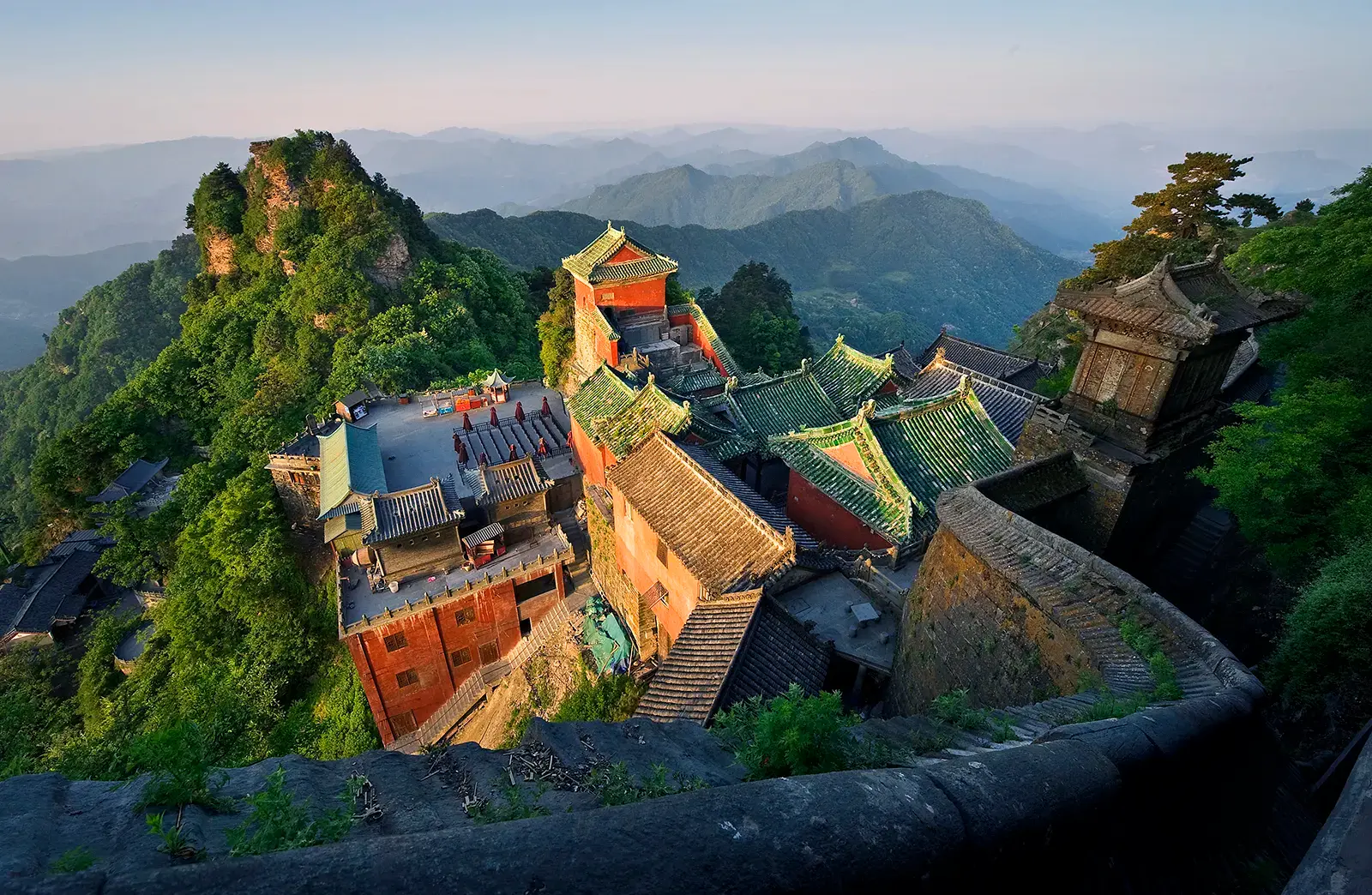
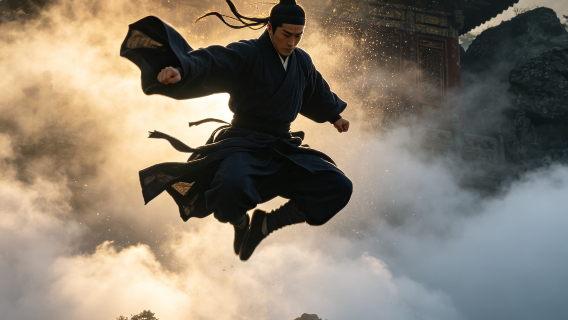
The Wudang Mountains are located in Shiyan, northwestern Hubei province. Its main peak, Tianzhu Peak, stands at an elevation of over 1,600 m. Legend has it that Emperor Zhenwu cultivated and ascended to immortality here, while Taoist Zhang Sanfeng further synthesized the essence of martial arts during the late Yuan and early Ming dynasties, making this the birthplace of Wudang martial arts. During the Yongle era of the Ming dynasty, the imperial court launched the monumental project of "constructing the Forbidden City in the north and building the Wudang Mountains in the south." The mountain temples were built according to royal standards, with their layout unfolding layer by layer following the mythological narrative of Zhenwu's spiritual cultivation. The palaces blend harmoniously with the peaks, cliffs, and streams, creating an ethereal and mystical atmosphere befitting a sacred mountain. The attractions unfold along the mountain terrain from the base to the summit, connecting key areas like Taizi Slope, Zixiao Palace, Nanyan Palace, and Taihe Palace. At Taizi Slope, the undulating Nine-bend Yellow River Wall follows the mountain contours, while Wuyun Tower's "one pillar supporting twelve beams" remains an architectural marvel. Zixiao Palace, a well-preserved imperial Taoist temple, features the stately Zixiao Hall with its double-eaved, nine-ridged roof. Nanyan Palace clings dramatically to a cliff face, offering vertiginous views of the valley below. Ascending the stone-paved ancient path to Tianzhu Peak's summit reveals the gilded bronze Golden Hall—the architectural masterpiece of the entire complex. As the birthplace of Wudang martial arts, this place attracts enthusiasts from home and abroad who come to seek masters and practice martial arts. The Taizi Slope on the mountain and the Xuantian Yuxu Palace at the foot serve as daily training grounds for practitioners. If you happen to encounter Taoist priests or students demonstrating Wudang boxing techniques, take a moment to quietly observe and appreciate the centuries-old martial arts heritage. A two-day visit is recommended: On the first day, enter from the mountain gate to visit Taizi slope and Zixiao palace, then stay overnight near Wuyaling. On the second morning, first visit Nanyan palace, then ascend to the golden summit before hiking down or taking the cableway at Qiongtai. After exiting the mountain gate, you may also visit Xuantian Yuxu palace. The attraction's shuttle buses connect all major core attractions, allowing flexible combinations of hiking and riding. Most dining and lodging options are concentrated around Nanyan, convenient for rest during the climb. From late October to November each year, when the forests are ablaze with color and red leaves cover the mountains, it's the perfect time to enjoy the fall scenery in the mountains.

Danjiangkou · 54.4km from Fang County
Shaanxi History Museum
No. 2 of Best Things to Do in Northwestern District of China

Shaanxi History Museum

9.5
4.8/5
35.6k reviews

Shaanxi History Museum is a large modern museum built after China's reform and opening up and officially opened in 1991. The building was designed by architect Zhang Jinqiu and adopts a Tang-style architectural layout of "central hall and four corner towers," with a symmetrical central axis and a clear hierarchy of primary and secondary structures; in 2016 it was included in the first batch of the "Chinese Architectural Heritage of the 20th Century" list. Shaanxi was once the political center of dynasties such as the Zhou, Qin, Han, and Tang, and the museum's collection spans a million years of history, covering categories such as Shang and Zhou bronzes, pottery figurines of successive dynasties, Han and Tang gold and silver wares, and Tang tomb murals, with a total of over one million items. The permanent exhibition "Ancient Civilization of Shaanxi" follows a chronological main line and presents the historical process from prehistoric Lantian Man to the eve of the Opium War across three galleries, with the Zhou, Qin, Han, and Tang periods as the focus. The east and west sides of the central hall each host a thematic exhibition: on the west side, "Treasures of the Great Tang: Hejiacun Hoard Unearthed Artifacts Exhibition" concentrates on fine gold and silver wares of the High Tang, while on the east side, the "Tang Dynasty Mural Treasures Gallery" displays authentic murals removed from Tang tombs, with subjects covering figures, architecture, ceremonial guards, and more, making it a uniquely distinctive category of the museum's collection. Among the many artifacts in the museum, several are particularly notable. The agate cup with gold-inlaid beast head, from the Hejiacun hoard, is carved from a single piece of banded agate into the form of a curved-horn beast head, resembling Central Asian rhyton cups, and is one of the first batch of cultural relics prohibited from being exhibited abroad. The tri-color glazed camel carrying musicians figurine vividly recreates the lively scene of musicians playing and singers performing on a camel's back, with bright glaze colors and figures with distinct expressions. The Empress's Seal is made of Western Han Hetian mutton-fat jade and carved with a chi-tiger knob, and is the only known actual jade seal of a Han dynasty empress discovered to date. In addition, the gilt silver flask with a dancing horse holding a cup design, the celadon ewer with an overhead handle and bottom-filling design, and the black-glazed oil-spot bowl each have their own distinctive features. The gold and silver wares unearthed from the Hejiacun hoard are concentrated in the thematic gallery and are a highlight of any visit; visitors are advised to allow time to examine them closely.

China · Xi'an
Guanyin Cave

Guanyin Cave

2.8
4.5/5
50 reviews

Guanyin Cave was first built in the Tang Dynasty. It is surrounded by Fengling Mountain in front and Longgang Mountain in the back. The mountains are undulating, the wind is magnificent, the air is filled with purple mist, and the birds are singing and the flowers are fragrant. The main landscape is a peculiar natural cave located in the rock cliffs. It is divided into the north and south caves, about 15 meters apart. The south cave is larger and is called "Guanyin Cave". It is enshrined in "Guanyin Bodhisattva" and is the main hall. The north cave is slightly smaller and is called "Guandi Cave". Outside the two caves, three side halls were built along the mountain, together with the living quarters of the Taoists, forming a simple and elegant mountain stream Taoist temple. The top of the cave is steep and rugged, with ancient roots and old vines of various colors and density. In front of the cave, tall bamboos and ancient trees are towering. A stone path spirals down from the mountain gate to the bottom of the ditch, with a total of 633 steps. The Attraction Attraction is covered with dense vegetation and towering ancient trees. When you climb to the top and look out, you can see the distant mountains and nearby waters, and the urban area of ​​Fang County is clearly visible. There are scenic spots such as Phoenix Villa, Paradise, Qingren Valley, Taiji Square, Jingxin Pavilion, Kuixing Pavilion, Guanyin Corridor, Children's Playground, and Xuanwu Palace in the scenic area.

Fang County · 4.2km from downtown
The Three Gorges Dam Tourism Area
2027 Asia 100 - Best Things to Do

The Three Gorges Dam Tourism Area

8.9
4.7/5
9k reviews

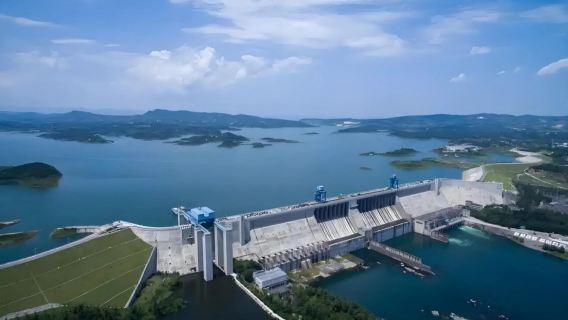
The Three Gorges Dam Tourism Area is located in the Xiling Gorge section of the Yangtze River in Yichang, Hubei. It is a scenic attraction built around the Three Gorges hydro project, covering over ten square kilometers. Currently, it offers travelers three viewing spots: Tanzi Ridge, the 185 viewing platform, and the river closure memorial park. The dam crest itself is not open to travelers, so visits primarily revolve around these three attractions. Tanzi Ridge is the highest accessible point in the dam area, named for its jar-shaped summit viewing platform resembling an overturned jar. It also served as the survey site for the dam's initial location selection. From the ridge top, visitors can overlook the Three Gorges Project in its entirety—the dam, power station, and twin five-level ship locks are all visible. The five lock chambers cascade down the mountainside, earning the nickname "Fourth Gorge of the Yangtze." The park displays engineering artifacts like ancient riverbed stones, river closure rocks, and foundation stones from the dam site, complemented by model exhibits that help visitors intuitively understand the origins and development of this mega-project. The 185 observation platform is located on the left bank of the dam. It gets its name from sharing the same elevation of 185 m as the dam crest. Standing on the platform feels like being atop the dam: on one side, the dam and vertical ship lift are within close reach, offering a chance to witness ships "riding the elevator" over the dam; on the other side lies the vast, tranquil reservoir upstream. The stark contrast between the stillness above and the dynamism below the dam is striking. The closure memorial park is situated on the right bank downstream of the dam, preserving artifacts like tetrahedral closure stones and large loading machinery used during the construction. It's an ideal spot to view the dam's full frontal grandeur. During flood seasons when the dam releases water, torrents rush out from the deep outlets, creating towering mist and thunderous echoes that reverberate through the valley—a truly awe-inspiring spectacle. The three attractions are far apart, and the scenic area provides shuttle buses for transportation. It is recommended to reserve half a day to visit them in order.

China · Yichang

Experiences you can't miss in Fang County

Fang County Today's weatherClear 0-18℃
Fang County weather for the next 2 days11/21: 1-19℃, 11/22: 4-16℃

Free things to do in Fang County

What travellers say about Fang County

user-avatar
桃子妖妖妖7 October 2026
4.0
There are no wild men in Yeren Valley. Yeren Valley is located in Yeren Valley Town, Fang County, Shiyan City, not in the Shennongjia Forest District. The forest district is an administrative concept; Fang County borders the Shennongjia Forest District. In fact, the Shennongjia Forest District was formed by carving out areas from Fang County, Xingshan County, and Badong County. Yeren Valley is located on the northern edge of the Shennongjia Forest District, and it is named after the numerous sightings of wild men (Yeren) throughout history. Leaving aside the legends of wild men, Yeren Valley is actually a typical mountain valley, with similar landscapes found in many parts of my country, both north and south. In Northeast China, the Maolangou Valley in Yichun, Heilongjiang Province, is highly similar, both being valleys in the mountains with a stream flowing down from above, featuring waterfalls, deep pools, and streams along the way. The main differences lie in the flora and fauna of the north and south, and also in the formation of the valleys—northern valleys are mostly formed by water erosion, while southern valleys are mostly formed by karst topography. The middle section of Yeren Valley is a sinkhole formed by the collapse of a huge karst cave. The Yeren Valley tour route is well-designed. After taking a bus to the scenic area exit, you transfer to a sightseeing bus to reach the entrance, which is also the highest point of the scenic area. Following the stream downhill, you return to the parking lot where you arrived. The trail winds for 5 kilometers, almost entirely downhill and level, with only a few steps, so it's not strenuous. The valley is densely vegetated, and the mountains on both sides are high, so it's not sunny on a clear day. Two hours is usually enough for a visit. On the day we visited, it was drizzling, and although the path was slippery and we walked slowly, our group of 30 people all exited the valley in an hour and a half. The main attractions in the scenic area are water features: Dragon Saliva Waterfall, Dragon Beard Waterfall, Chuanzi Waterfall, Wild Valley Cascade, Pot Bottom Pool, and Yeren Lake. Not far past the sinkhole, an underground river flows out from a karst cave, forming a waterfall—a common sight in my country's karst regions, but quite rare to us northerners. There is also a wild spring in the middle of the valley, a naturally flowing mountain spring with sweet, refreshing water, perfect for hydration. The remaining scenic spots rely more on imagination and explanation. Swallow Rock is named after the swallows that nest there. Dragon Gill, the Cliffside Forest, the Sinkhole, the Valley-Suppressing Jade Seal, and various medicinal herbs within the valley all require a guided tour to fully appreciate. Near the exit of the scenic area is a suspension bridge, a good vantage point for viewing Huancai Ridge, but its beauty depends on the season. It's most beautiful in spring when wild cherry blossoms and dove trees are in bloom, and in autumn when the colorful forests appear; the seasons are quite seasonal. To prevent visitors from getting bored, the scenic area has placed signs and sculptures about the legend of the Wild Man in various locations within the canyon. They also set up camping and photo-taking areas in the middle of the canyon and arranged a Wild Man tribe performance, but it was canceled due to rain. If you're planning a trip there, you'll need to add time for the performance to your two-hour itinerary. These are roughly the highlights. The guides and staff at the scenic area were very enthusiastic and friendly. There weren't many tourists; on a light rainy day, we were the only group in the scenic area, making for a very good experience. Visiting the Yeren Cave, which is not far away, together makes a complete one-day tour. However, the scenic area is still a bit far from Shiyan city. Whether or not to visit depends on personal preference.

Savage Valley

user-avatar
M25***8921 April 2024
5.0
I had never heard of this attraction before, but after a relative recommended it to me, I went there with my family. It was off-season and the whole place was almost booked out. The scenery was amazing and it is definitely worth a visit, more amazing than other scenic spots in Shennongjia.

Savage Cave

user-avatar
滇国剑客18 December 2019
5.0
The hot spring water in this place is really good, judging by the large number of tourists. In addition to the quality of the hot spring water itself, the bathing environment built based on the hot spring theme is also very good.

Tianyue Hot Spring

user-avatar
WH19629 May 2025
4.0
青峰大裂谷景区位于湖北十堰市房县青峰镇,是中国地质学之父李四光命名的亚洲青峰大断裂带的核心区,这里山峦叠嶂、峰险石奇、秀水涟漪,是房县东部旅游黄金线上的璀璨明珠。相传景区的青峰山、紫阳洞就是远古民间文化封神演义紫阳真人修道之地,亚洲首个断层漂流——青峰大裂谷漂流就坐落于此,漂流全长4.8公里,落差168米;青峰大裂谷景区森林覆盖率高达95%,负氧离子每立方厘米高达2万个单位以上,枕山抚水修身养性,远离尘嚣,纯净自然,是真正的动则养身,静以养性的旅游康养圣地。

Qingfeng Grand Canyon Scenic Area

user-avatar
Anonymous user19 November 2026
5.0
A remarkable archeological site that offer fascinating journey to the ancient times of China.

Emperor Qinshihuang's Mausoleum Site Museum
user-avatar
m沧海一粟m17 November 2026
5.0
You can take a bus directly from the visitor center to the cable car station, which takes about 50 minutes. Taking the cable car to the Golden Summit is convenient. The downside is that you have to walk a long way to get to and from the shuttle bus, which is not very convenient for tourists. It's even more inconvenient for elderly people and children.

Wudang Mountain Scenic Area

user-avatar
M28***1018 November 2026
5.0
Guide Li Shuanghong's explanations were lively and engaging; she didn't just recite information from a textbook, but rather brought dry history to life with vivid imagery. Her professional knowledge was solid, effortlessly tracing events from the Qin to the Tang dynasties. Throughout the tour, she was neither rushed nor perfunctory, maintaining a comfortable pace. Most importantly, she led our whole family through peak hours, allowing us to avoid the crowds and view the exhibits up close. Even someone like me who rarely gives reviews couldn't help but strongly recommend her to everyone.

Shaanxi History Museum

user-avatar
MaxS26 February 2025
5.0
Zaoyang Guanyin Cave Scenic Area is located in Fangxian, Hubei Province It is a tourist destination integrating natural beauty and Buddhist culture.The scenic area is rich in stone scenery, including pictographic stones such as mushroom stone, Liang Zhu Stone and broken nose elephant. They have different forms and are of great ornamental value.In addition, there are also religious buildings such as Guanyin Cave, Niang Niang Temple and God of Wealth Temple in the scenic area.

Guanyin Cave

user-avatar
D17***339 November 2026
5.0
Booking tickets in advance was indeed convenient. There was no need to queue on-site; I could simply scan the code to board the scenic area bus and transfer to a sightseeing bus, saving a lot of time and allowing me to appreciate the magnificence of the Three Gorges Dam!

The Three Gorges Dam Tourism Area

Trip Moments in Fang County

Popular cities near Fang County

Frequently asked questions

What are the recommended tours and excursions in Fang County?

When choosing a tour, start with how much time you have and the kind of experience you're looking for. Trending options right now include Shennong Peak Scenic Area + Shennongjia Dajiuhu Private Charter Day Tour in Hubei with Chinese-English Service, Private tour|Wudang Mountain 1-day tour to Taoist holy sites Zixiao Palace + Taizi Slope + Kung Fu show, and 1-day private charter tour to Guanmenshan Scenic Area, Tiansheng Bridge, and Shennong Altar in Shennongjia, Hubei with bilingual Chinese-English service. Check the real-time availability and itinerary before you book.

As of 20 November 2026, the reference price for day tours and activities in Fang County is around KRW 206,073 – KRW 356,176. Rates vary by duration, group size, transport, tickets, meals, and any special admission requirements. Before you book, please confirm the billing currency and whether the price is quoted per person or per group.

Get help anytime, anywhere within 30 secondsContact customer support

Change and cancellation policies vary by attractions and tours. Please check the product details page for more information.

Ticket prices may vary between weekdays and weekends, as well as during peak and off-peak seasons. When booking with Trip.com, you can also use Trip Coins to get extra savings. For more tips on booking discounted tickets, please visit Trip.com for the latest information.