https://sg.trip.com/moments/destination-zhangjiagang-203/
2025 Zhangjiagang Travel Guide: Must-see attractions, popular food, hotels, transportation routes (updated in December)
Zhangjiagang is an industrial port city on the south bank of the lower reaches of the Yangtze River. The land is flat, while the river forms a sort of V-shape around it. The climate in the city is mild, with four delightfully distinct seasons.
Zhangjiagang has an extensive history and features eleven Neolithic sites. The area also includes the “three mountains and one garden” scenic areas (Shuangshan Island, Xiang Mountain, Fenghuang Mountain and Dongduyuan Scenic Spot) and other scenic attractions, including the Xiang Mountain peach blossoms that Xu Xiake visited three times throughout his travels. Other attractions include the ancient Jianzhen Dongdu Wharf, the archaeological excavation site Huangsipu, and the ruins of Dongshan Village. This is also the home of such legends as Su Dongpo at Meihua Hall and the Travels of Xu Xiake.
Zhangjiagang Today's weather
Clear 5-12℃
All Trip Moments about Zhangjiagang
Hebei's Ultimate Red Leaf Ceiling! Xiangtang Mountain's Autumn Legendary Red Leaf Feast
Not impressed by northern autumn?😍 In Handan, Hebei, there is a stunning red leaf secret spot overlooked by 99% of people! The autumn here is like God's spilled palette🎨 Mountains covered in red leaves + a thousand-year-old ancient temple, so beautiful it leaves you speechless! 🌟【Top Attraction】Xiangtang Mountain Scenic Area 📍Address: Fengfeng Mining District, Handan City, Hebei Province 🕰Opening Hours: 8:00-17:00 🎫Tickets: 60 RMB/person in peak season (great value during red leaf season!) 🔥 Why choose here? ✔️Fewer people, more beautiful! 100 times quieter than Xiangshan ✔️National 4A-level scenic spot + Northern Qi Grottoes art ✔️A thousand-year-old ancient temple nestled among brilliant red leaves ✔️Three classic hiking routes, moderate difficulty 📸【Top Photo Spots】 1️⃣Changle Temple Red Leaf Wall Ancient temple red walls as background, golden ginkgo as foreground Put on Hanfu and every shot is a masterpiece!👘 2️⃣Grottoes Viewing Platform Overlook the entire valley in front of the Northern Wei Grottoes The breathtaking layers of colorful forest are all in view🌄 3️⃣Mountain Trail Sunlight filters through red leaves onto the stone path Walking here feels like stepping into a fairy tale✨ 🍜【Must-Try Food】 Be sure to try the Zhuai noodles in Fengfeng Mining District when coming down the mountain! Chewy handmade noodles + secret braised sauce Warm your stomach with the red leaf season exclusive set meal✅ 💡【Travel Tips】 👉Best viewing period: Late October to mid-November 👉Recommended attire: Light colors or traditional style clothing 👉Essentials: Comfortable hiking shoes, thermos cup 💬Final thoughts: When the autumn wind blows through Xiangtang Mountain, Every red leaf tells a thousand-year story. This autumn, you must come and experience this visual feast!OwenDonovan6523A perfect autumn getaway: Must-visit spot for photos inside Beijing’s 2nd Ring Road at the Red Maple Corridor!
Who says you can only enjoy autumn in Beijing at Xiangshan?! Discover a stunning hidden gem inside the 2nd Ring Road 👉 Ming City Wall Relics Park Yutang Square 🎯 This place is truly a niche photo paradise, forever awesome! 🔥 Best viewing period: NOW!!! (80% of red maples are red | 99% of ginkgo leaves are yellow) Miss this and you’ll have to wait a whole year 😭 📷 Photo highlights revealed 👇 ✨ Ancient-style vermilion corridor with red maples — atmosphere maxed out! ✨ Golden ginkgo forest everywhere — fairy tale vibes overload! ✨ Dappled light and shadow corners — every shot is a masterpiece! ✨ Lazy resident cats 🐱 — cuteness level boosted! 💡 Exclusive tips: ▫️ Avoid crowds: weekday mornings or 3-4 PM afternoons ▫️ Outfit guide: light-colored clothes / modern Chinese style for best shots ✨ ▫️ Hidden spot: the third corner of the corridor is the absolute best! 📍 Detailed address: No. 9 Chongwenmen East Street, Dongcheng District, inside Ming City Wall Relics Park (North side of the Southeast Corner Tower, Yutang Square) 🚗 Transportation guide: 🚇 Subway Line 1 Jianguomen Station Exit C, 800 meters walk 🚗 Drive and navigate to "Ming City Wall Relics Park Parking Lot" 👗 Recommended outfits: Modern Chinese style / light colors match the vibe here perfectly~ Bring props like oil-paper umbrellas or fans for an even better effect! ⚠️ Friendly reminders: ▫️ This week is expected to be the last golden period ▫️ No tickets needed, just go! ▫️ Please take care of the plants and do not pick themGrace_line82-hour drive from Shanghai to "Europe" in Jiangsu's hidden gem
Discovered a super niche treasure spot — Pegasus Water City. You can capture European-style blockbuster photos without leaving the country. - · 🎫 Tickets: Park is free, art gallery and musical fountain are also free; horse carriage rides cost 50 RMB per trip. · 🚗 Transportation: Recommended to drive yourself, navigate to "Pegasus Water City," some parking lots inside the area are free; if taking the high-speed train to Zhangjiagang Station, a taxi costs about 30 RMB to reach. · ⏰ Recommended time: Try to avoid holidays, best to arrive after 3 PM. The soft sunset light is perfect for photos, seamlessly transitioning into night scenes afterward. - 📷 Photo spots 1️⃣ Visitor Center + Iron Bridge 2️⃣ European-style building complex 3️⃣ Cultural and Sports Center 4️⃣ Pegasus Iron Tower -12Lewis_~Alexander23Beijing’s Best-Kept Secret for Maple Viewing! Say No to Crowded Xiangshan! Free 40-Minute Hike to the Summit!
Beijing’s Best-Kept Secret for Maple Viewing! Say No to Crowded Xiangshan! Free 40-Minute Hike to the Summit! Stop squeezing into Xiangshan! Every late October, savvy locals head to Fangshan — the “wild maple viewing trail” hidden in Shuiyu Folk Village is the ultimate autumn gem! It’s free, just a 1.5-hour drive, and only a 40-minute hike to the top. Every photo you take looks like a masterpiece ready to blow up your social feed. Hesitate and you’ll have to wait until next year! Here’s the key info for the lazy ones: free! Few people! 40 minutes to the summit! But don’t think it’s all easy with no surprises — this trail is full of unexpected delights! Navigate to “Shuiyu Folk Village,” then follow signs to “Maple Leaf Bridge.” When you see the bridge, turn right onto a narrow path — pay attention here! The path is very narrow, so find a spot to let others pass. At every fork, turn right. Trust me, just follow this and you won’t get lost! Don’t panic when you pass an abandoned scenic area — you’re not off track. Keep going for another kilometer and you’ll see the trail entrance. That feeling of “light at the end of the tunnel” will instantly boost your excitement! At first, the trail might feel a bit discouraging — the abandoned area’s facilities are old, some wooden boards are loose, so step carefully. Hold hands tightly with elderly and kids. But after just 10 minutes uphill, the scenery changes dramatically! The mountainside is covered in red leaves like a spilled palette, stretching from the base to the summit. Sunlight filters through the branches, casting golden-red shadows on the trail. Looking back, the whole mountain is a riot of colors. When the wind blows, red leaves flutter down like a famous autumn scene from the drama “Goblin.” You won’t stop taking photos, and every shot is social media-ready without any editing! The view from the top is even more amazing! No obstructions, under blue skies and white clouds, the red forest spreads out like waves, with distant villages dotting the landscape like a painting. If you bring your pet, let it run through the leaves — every candid shot is heartwarming. If you’re with your partner, take a backlit hand-holding photo at the summit — the atmosphere will be perfect, and your social media likes will skyrocket! A friendly reminder: don’t come on rainy days! The mountain path gets slippery and there’s a risk of landslides. Travel light — the slope isn’t long but a bit steep, so heavy backpacks will tire you out. Most importantly, this is an undeveloped scenic area with no staff, so safety must come first! Now is the best time to visit — from late October to mid-November, the leaves are at their reddest. Miss it now and you’ll have to wait a whole year! When are you planning to go? Share your “autumn maple viewing plan” in the comments. The friend with the most likes will get a private “hidden photo spots guide” for the trail, helping you capture maple photos no one else can! Don’t hesitate — this autumn, head to Shuiyu Folk Village and fill your album with the most beautiful red leaves!wonderful day&&16Explore Zhangjiagang with 5000 RMB: A 3-day, 2-night Jiangnan Water Town + Food + Culture Complete Guide
✔️ Cycling on Shuangshan Island + Fresh River Delicacies ✔️ Jiyang Lake Night View + Garden Check-in ✔️ Sha Zhou You Huang Cultural Park Tipsy Experience ✔️ Easy to enjoy within budget 📅 Day 1: Slow Life on Shuangshan Island + Fresh River Feast 🚗 Transportation: Self-drive/taxi to Shuangshan Island Ferry Terminal (Ferry 20 RMB/person round trip) 🏨 Accommodation: Shuangshan Island Homestay (about 400 RMB/night, recommend riverside room) 🌉 Morning: Cycling around Shuangshan Island Bike rental: Bicycle 30 RMB/day, electric bike 80 RMB/day Recommended activities: ✅ Reed marsh photo spots (beautiful in autumn) ✅ Golf experience (practice range 50 RMB/person) ✅ Crossing the Yangtze River Battle Memorial Hall (free, red tourism check-in) 🐟 Lunch: Old Wharf Fresh River Restaurant Must-order dishes: Knife fish wonton, pufferfish with rice seedlings, shad fish Per person: 150 RMB (fresh river delicacies are a bit pricey but worth it!) 🌇 Afternoon: Island slow life Free activities: Walk along the riverbank, strawberry picking (seasonal) Evening: Watch the Yangtze River sunset from the homestay terrace 🍲 Dinner: Homestay farmhouse dishes Recommended: Braised river eel, taro braised pork Per person: 80 RMB 💰 Today's expenses: About 1100 RMB (including accommodation + meals + transportation) 📅 Day 2: City Cultural Check-in + Jiyang Lake Night View 🚢 Transportation: Return to city (taxi about 50 RMB) 🏨 Accommodation: Boutique hotel in city (about 350 RMB/night, recommend near pedestrian street) 🏯 Morning: Sha Zhou You Huang Cultural Park Ticket: 60 RMB (includes yellow wine tasting) Recommended activities: ✅ Yellow Wine Museum (learn about century-old brewing techniques) ✅ Wine cellar tasting (free tasting of 5-year aged wine) ✅ Popular bear wall photo spot 🍜 Lunch: Pedestrian street snacks Recommended: Tuo Lu Bing (baked flatbread), crab tofu, duck blood vermicelli Per person: 40 RMB 🌿 Afternoon: Tianzhuang Ancient Town + Phoenix Mountain Tianzhuang Ancient Town: Free, Ming and Qing dynasty stone slab roads + Top Scholar’s Mansion (ticket 20 RMB) Phoenix Mountain: Free hiking, panoramic view of Zhangjiagang 🌃 Dinner: Jiyang Lake Music Fountain Night View Recommended restaurant: Lake View Fish Village (100 RMB per person) Fountain show time: 19:30-20:00 (free) 💰 Today's expenses: About 900 RMB (including accommodation + meals + tickets) 📅 Day 3: Xiangshan Scenic Spot + Return Trip 🚗 Transportation: Taxi to Xiangshan Scenic Area (about 30 RMB) ⛰️ Morning: Xiangshan Scenic Area Ticket: 60 RMB Recommended activities: ✅ Xiangshan Temple (Tang Dynasty ancient temple) ✅ Meiling Flower Viewing (plum blossoms are stunning in winter) ✅ Glass plank road (additional 50 RMB) 🍵 Lunch: Scenic area vegetarian restaurant Recommended: Vegetarian chicken, mushroom soup Per person: 50 RMB 🛍️ Afternoon: Shopping and return Recommended purchases: Sha Zhou You Huang yellow wine, Phoenix honey peaches (seasonal) Cost: Souvenirs about 500 RMB 💰 Today's expenses: About 800 RMB (including meals + tickets + shopping) 💡 Money-saving tips: Ferry on Shuangshan Island is free after 5 PM, plan your trips accordingly. Free admission to Sha Zhou You Huang Cultural Park with purchases over 200 RMB. Buy Xiangshan Scenic Area tickets online 1 hour in advance to save 10 RMB. 📝 Total budget (for 2 people): ✅ Transportation: 600 RMB (taxi + ferry) ✅ Accommodation: 750 RMB (2 nights) ✅ Meals: 1200 RMB (6 full meals) ✅ Tickets + experiences: 800 RMB ✅ Shopping: 1650 RMB (yellow wine + specialties) 💰 Total: 5000 RMB (2500 RMB per person, deep Jiangnan experience!) 🌟 Suitable for: Family trips, culture lovers, foodies 📸 Best seasons: March-April (plum blossoms), September-November (fresh river delicacies at their best)MichaelThomas10You didn't know, right?
📍 Jiangsu·Yancheng 3 Days 2 Nights High Cost-Performance In-Depth Travel Guide 🦩🌊🌳 The Oriental Wetland Capital·Home of the Red-Crowned Crane·Milu Deer Habitat·Mudflat Secret Realm Full Experience! 💰 Total budget strictly controlled within 2000 RMB (about 1800 RMB per person) Take you from the ecological secret realm by the Yellow Sea, Step into the World Natural Heritage site—China's Yellow (Bohai) Sea Migratory Bird Habitat, Watch red-crowned cranes dance gracefully, milu deer fight and run, Stroll through the purple tulip sea of the Dutch Flower Sea, Eat a bowl of authentic Wuyou drunken snails + fish soup noodles, Stay in a pastoral poetic homestay, No rushing, no pitfalls, comfortable stay, authentic food, Suitable for students, families with children, photography enthusiasts, and nature lovers, Spend little money and enjoy an ecological poetic journey of "cranes dancing and deer calling"! 🎯 Itinerary Overview (Per Person Budget: About 1800 RMB) Item Budget Transportation (round-trip bullet train/high-speed rail + city bus + carpool) ¥600 Accommodation (2 nights comfortable hotel or characteristic homestay) ¥400 (¥200/night) Meals (local snacks + farmhouse dishes) ¥500 Tickets + Experiences (selected must-visit attractions) ¥300 Shopping + Reserve funds ¥200 Total within ¥2000 (ample flexibility) 🌍 Why go to Yancheng? ✅ "Oriental Wetland Capital": Jiangsu's longest coastline and largest mudflat wetland area ✅ Red-Crowned Crane Nature Reserve: The world's largest wild red-crowned crane wintering ground (winter only) ✅ Dafeng Milu National Nature Reserve: The world's largest milu deer population habitat ✅ Dutch Flower Sea: One of East China's most beautiful flower fields, scenic all year round ✅ Low cost, slow pace, pristine ecology, truly an "underrated ecological treasure city"! 📌 Best Travel Seasons: 🐦 November to March: Red-crowned crane wintering season (a must-see!) 🌸 March to May: Dutch Flower Sea tulip bloom 🦌 Milu deer can be seen year-round, lush green in spring and summer, quiet and poetic in autumn and winter 🗓 Itinerary Route: Wetlands + Ecology + Flower Sea + Culture Quartet (Save money without lowering quality) 🗓 Day 1: Arrive in Yancheng + Dutch Flower Sea + Wuyou Ancient Town Night Tour 🚄 Transportation Suggestions: From Nanjing/Shanghai/Hangzhou/Suzhou, take high-speed rail directly to Yancheng Station (2-3 hours, ticket ¥80-130) Taxi or bus line H1 to Dafeng District Dutch Flower Sea (¥5, 50 minutes) 🌷 Afternoon: Dutch Flower Sea (ticket ¥70, buy online in advance ¥65) Famous flower sea scenic area in East China, inspired by the Netherlands Main highlights: ✅ Tulip fields (spring): millions of blooming tulips in vibrant colors ✅ Windmills, wooden shoes, churches: exotic photo spots ✅ Lily garden, rose garden, lavender fields (summer and autumn) ✅ "Only Love·Drama Fantasy City" (optional show, additional ¥198) Recommended visit time: 2.5 hours, great for photos, family, couples stroll 🏮 Evening: Wuyou Ancient Town (free admission) A thousand-year-old salt reclamation cultural town, once a major sea salt hub Main highlights: ✅ Zhuxi Ancient Town Old Street: stone pavements, Ming and Qing architecture, lanterns hanging high ✅ Yu Gong Temple, Salt Kiln Ruins: learn about Yancheng’s history "named after salt" ✅ Night light show: waterfront reflections, like a Jiangnan water town 🍽 Dinner: Wuyou specialty street food (about ¥40 per person) Recommended combo: ✅ Wuyou drunken snails (¥15/serving): small snails marinated in glutinous rice wine, fresh and slightly sweet ✅ Wuyou sugar twist (¥10/bag): crispy and sweet, loved by all ages ✅ Fish soup noodles (¥12): milky rich broth with dried shrimp and cilantro, warm and comforting ✅ Baked sesame cake (¥5 each): crispy outside, soft inside, rich sesame flavor Total about ¥40, authentic and satisfying! 🏨 Accommodation Recommendations: First night stay in an economy hotel in Dafeng city or homestay near the flower sea Recommended: "All Seasons Hotel (Dafeng Branch)" or "Huajiantang·Flower Sea Homestay" (¥200) Walking distance to the flower sea, quiet and comfortable 🗓 Day 2: Dafeng Milu Deer Nature Reserve + Red-Crowned Crane Wetland Park (Ecological Double Highlights) 🚗 Transportation Suggestions: Taxi or carpool to Dafeng Milu National Nature Reserve (40 km from city center, carpool ¥60/person round trip) In the afternoon, go to Jiangsu Yancheng National Rare Bird Nature Reserve (Red-Crowned Crane Reserve, 50 minutes from Milu Park, carpool ¥80/person) 🦌 Morning: Dafeng Milu Deer Nature Reserve (ticket ¥48, sightseeing car ¥20) The world's largest milu deer population habitat, currently over 7,000 milu deer! Main activities: ✅ Take sightseeing car deep into the core free-range area ✅ Watch milu deer running, fighting with antlers, wading through water ✅ Check in at "World’s Number One Deer" sculpture and Milu Deer Museum ✅ Watch "Deer King Contest" in spring, deer migration in winter Recommended visit time: 2.5 hours, full ecological experience! 🦩 Afternoon: Jiangsu Yancheng National Rare Bird Nature Reserve (ticket ¥45, electric cart ¥20) The world's most important red-crowned crane wintering ground (every November to next March) Main highlights: ✅ Red-crowned crane release show (1-2 times daily, about 10:30/15:30): hundreds of cranes flying together, breathtaking ✅ Birdwatching tower, wetland boardwalk: use binoculars to see plovers, swans, egrets ✅ Science museum: learn about the Yellow Sea wetland World Heritage story Tip: In non-winter seasons (April to October), fewer red-crowned cranes, can replace with a wetland hike around the Milu Deer Park 🍽 Lunch: Farmhouse restaurant outside the scenic area (about ¥45 per person) Recommended: "Wetland Family" or "Lumingju" ✅ Braised old goose, steamed fish, stir-fried asparagus, wild vegetable pancakes Affordable and authentic ecological food for about ¥45 per person 🏨 Accommodation Suggestions: Return to Yancheng main city to stay in economy hotels (more convenient transportation) Recommended: "All Seasons Hotel (Yancheng Baolong Plaza Branch)" or "Hanting Hotel (Jiefang North Road Branch)" ¥200/night, convenient metro/bus access 🗓 Day 3: New Fourth Army Memorial Hall or Yancheng Wetland Park + Return Trip 🏛️ Option A (Recommended for red culture fans): New Fourth Army Memorial Hall (free!) The only New Fourth Army themed memorial hall in China, national first-class museum Features: ✅ Authentic artifacts, historical footage, immersive exhibition halls ✅ Learn about the "Iron Army Spirit," great for educating kids ✅ Quiet garden outside, perfect for photos Visit time: 1.5 hours, direct metro access 🏞️ Option B (Recommended for nature and leisure lovers): Yancheng Wetland Park (ticket ¥30) The city's ecological green lung, suitable for light hiking and cycling Main activities: ✅ Walk the wetland boardwalk, see reed beds and water birds ✅ Watch migratory birds in autumn and winter, enjoy lotus flowers in spring and summer ✅ Children's playground, lawn camping area (bring your own tent) Great for relaxing, photography, and family interaction 🛍 Last-minute Shopping: Buy vacuum-packed Wuyou drunken snails (¥30/box, can be shipped) Dafeng wheat flour cakes (traditional pastry, ¥15/bag) Yancheng free-range eggs, ecological rice (available at specialty stores) Recommended: Baolong Plaza Yonghui Supermarket or Old Street specialty shops 🚄 Return: Take bus or taxi to Yancheng Station, high-speed rail back 💡 Blogger’s Money-Saving Tips (Key!): 1. Save on transportation: Use city buses (¥2) or shared bikes often Carpool to Milu Park and Red-Crowned Crane Reserve (Didi carpool/homestay group) 2. Save on accommodation: Homestay prices drop off-peak Negotiate discounts for two consecutive nights 3. Save on meals: Focus on snacks, keep main meals under ¥50 Don’t eat inside scenic spots, bring your own food 4. Save on tickets: Buy all tickets online in advance to save ¥5-10 Student ID gets half price, some spots free (like New Fourth Army Memorial Hall) 5. Pitfall warnings: Red-crowned crane viewing only recommended November to March, focus on milu deer other seasons Don’t buy drunken snails inside scenic areas, cheaper in the city! 🎯 Summary: 1800 RMB to enjoy an ecological experience worth 30,000 RMB! Yancheng is a seriously underrated "wetland fairy city." You see freedom in the calls of red-crowned cranes, Feel wildness in the dust of running milu deer, Slurp drunken snails under the night lights of Wuyou Ancient Town, At that moment you understand— The true beauty of China is not in bustling cities, but in these quiet small towns that protect nature. 📌 Interactive Topic: Who do you most want to take to Yancheng? Watch cranes dance, chase deer herds, walk a wetland boardwalk? Write your "wetland memory" in the comments! 🔥 Share and save, next weekend, go to Yancheng, See the cranes, visit the milu deer, stroll the flower sea, taste drunken snails— This is the true model of a "zero-pressure ecological healing trip"! 🦩🦌🌷🌊🌅J@yd3n Wh.t33Shout out to Zhangjiagang, please publicize it well...
Shazhou Youhuang Cultural Park is really a treasure. Every time I come here it gives me a surprise and a different experience. This time, Shazhou Youhuang actually moved the entire zoo into the Cultural Park, which is really cool. It's a huge doll. When you stand in it, you feel like you've entered Lilliput, hahaha. The Qianquan Well at the gate is super spectacular and is suitable for taking photos and checking in. The key is, it’s free🆓. Parking 🅿️ is also free. There is also a newly built Xiaomei Amusement Park in the cultural park. It is really friendly to families with children. Children can play there for the whole day. 🛒There are also many market stalls and local delicacies in the park. 🛍️There are also a lot of rice wine peripherals in the shopping mall, including rice wine yogurt, rice wine popsicles🍦, hot milk baby... I like it so much. The entire park is divided into four venues. If possible, you must take your children to visit. Museum - handcrafted brewing - aging wine warehouse - underground wine cellar. If you follow this order, you can really learn a lot.The Wandering Gourmet5I had an amazing Japanese buffet in Zhangjiagang.
🍣 Restaurant Name: Heteng Japanese Cuisine 📍 Located in the Zhangjiagang Shopping Park, Heteng Japanese Cuisine offers an all-you-can-eat Japanese feast! 🦞 We chose the $279 set menu, which includes half a lobster and fresh sea urchin per person, along with a variety of sashimi such as salmon, sweet shrimp, and herring, all of which you can enjoy to your heart's content! 🍢 Their skewers are also outstanding, featuring classics like chicken wings, chicken skin, and chicken cartilage, all grilled to perfection and delicious. 🍶 In addition to sake and beer, you can also enjoy drinks like oolong tea and orange juice. There are also hot dishes like beef hot pot available. 🌟 The food at Heteng Japanese Cuisine is definitely worth recommending! If you are on a business trip to Zhangjiagang, don't miss this restaurant! 😋 📍 2nd Floor, Kela Waterfront, Shopping ParkHugh L4Zhangjiagang | This old street is the only place I've visited multiple times and never get tired of
💁🏻♀️ Over the weekend, I spent half a day in the osmanthus-scented Tianzhuang Old Street in Zhangjiagang. I have to say, visiting here in early November, was just perfect and exactly to my liking. The breeze was gentle, the autumn air was crisp, and it was a truly comfortable and pleasant season for outings in the south of the Yangtze River. 🌿 The Tianzhuang Old Street, soaked in the fragrance of osmanthus, was long and quiet, the slightly pinkish stone alleys, mostly Ming and Qing ancient buildings, walking around, the southern Yangtze River charm of the old street, with that touch of literary breath, entered my heart. ✍️ The former glory of Tianzhuang Ancient Town is now unreachable, now only a 250-meter long, 2-meter wide North Street remains, it is a part of the life of the people of Tianzhuang. The old street is small, walking on the greenish, shiny stone road, you can still feel the once bustling and lively atmosphere. The ancient street was built along the river, there are teahouses, blacksmith shops, snack bars, stove cakes, handicraft shops, the commercial atmosphere is not strong, and there are not many tourists. 🍃 Walking around, inside every wooden door on the old street, there is the breath of life, in the winding and deep ancient alleys, old people sit at the entrance of the alley unfolding the chessboard, playing chess leisurely, the warm sun in the autumn afternoon, scattered a ground of fine and warm sunlight in the alley, peaceful and quiet. 👀 Coming to Tianzhuang Ancient Town, those who like history and culture, can enter the Number One Scholar's Mansion and Yang's Filial Piety Archway, etc., to search for the famous figures and events in the history of the old street, and have a deeper understanding of the humanities of Tianzhuang Ancient Town. 🧚♀️ Walking along, the fragrance of osmanthus on the old street, was covered by the aroma of just out of the oven stove cakes. I bought a scallion flavored stove cake and ate it on the street, it was very fragrant and delicious, this is a delicacy that has been passed down for many years in Tianzhuang Old Street, you must try it when you come. 🙎🏻♀️ Tianzhuang Old Street, should be the only old street in Suzhou area, that I never get tired of visiting, all year round, I will visit multiple times, because the old street has what I like, that kind of original southern Yangtze River life flavor. 🍱 Must-try food on the old street: Tofu pudding, stove cake (must eat while it's hot) 📮Address: Tianzhuang Village, Gangkou Street, Fenghuang Town, Zhangjiagang Citycelestine_40533Zhangjiagang City, Jiangsu Province Food ~ Yuejiangnan
Address-No. 323 Chang'an South Road, Zhangjiagang City Environment/Facilities - Private rooms on two floors Specialties - Jiangsu cuisine Price per person - RMB 200 Rating – 8/10 There is a food street downstairs from my friend's house. They are all ordinary family dishes. The three of us, grown men, ordered white eel slices, yellow eel, snails, fried corn and shrimp, etc. We drank white wine while enjoying the food. The steamed white eel tasted the best 👍👍👍 and the price was reasonable☺️☺️Hugh L7Starbucks in Zhangjiagang City, the hand brewed coffee tastes good and the service attitude is good👍👍
Address-No. 115, Shazhou West Road, Zhangjiagang City, Suzhou City, Jiangsu Province, China Postal Code: 215638 Environment/Facilities – Hand-Poured Coffee Features – Coffee with a human touch Price per person: RMB 30 Rating – 8/10 I haven't been back to the mainland for more than three years. This time I came to Zhangjiagang, Jiangsu. Because I had to wait for a long time to apply for a bank card at the bank, fortunately there is this Starbucks next to me. I can sit and enjoy this cup of hand-brewed coffee while slowly waiting for the bank to process my bank card. In terms of taste, I think this store does a great job 😋😋 #Starbucks #Mainland Customs ClearanceHugh L9Zhangjiagang Meilun Boutique Hotel, convenient and cheap
Address-Zhangjiagang Shopping Park, Zhangjiagang, China CN Jiangsu Province Suzhou City Postal Code: 215638 Environment/Facilities-There is a shopping park behind Features - Small hotel with large rooms Price per person: RMB 400 Rating – 7/10 Meilun has been open for almost 10 years, and it still retains a simple style. There are no luxurious facilities, just simple. The room is clean. Every day after breakfast, I go back to the room and the waiter asks me what time I go out and then helps me clean the room. The sheets are changed every day, but the towels in the toilet are a bit old. However, I always bring my own towels when I stay in a hotel, so this price is reasonable🤭🤭 #Mainland Customs Clearance #Jiangsu ProvinceHugh L13STAYING At YANGZHOU
#lstaying at hotel is the best way to enjoy relaxing time. Speically after the Spring festival, getting bored with the hustle ad bustle in city, and wanting to experience a different life, so I booked Youzhou Yiyang Hotspring resort--a hotel in countryside. There is a huge park adjacent to Yiyang hot spring hotel, and the park includes a little zoo, and a lot of entertainment facilities. You can choose to take a walk or rent a bicycle to go sightseeing. However, the transportation is not so satisfying-it was hard to hail a taxi, while taking bus to get to downtown needs almost 40 minutes. #staycationRosalieeee56Zhangjiagang Park
Stopped by this gem just joy riding in the Zhangjiagang. It was such a beautiful day and kids were in the water on these big floats, boat paddles were going, and people were enjoying themselves.Arena.4Beautiful Zhangjiagang
Amazing night at Zhangjiagang! Old part of the town is amazing! My first stop during summer holiday! I had unfortunately only one day to see the city, but i was amazed by beautiful of the town and how polite people are! #summervacation#urbanexplorerTravel Trooper4In Zhangji
In Zhangjiagang, I accidentally met a small pink, pink grass that I had been thinking for so long. Finally, I found that the children in Zhangjiagang had not calmed down. Hahaha Coordinate: Zhangjiagang Xiaojia The lane features rural villages, in addition to white yarrow, as well as lavender and many other flower fields, all year round can be beautiful, and not far from here is the Phoenix Lake Ecological Park, a boat rafting lake, flower viewing + boating The combination of a static movement is also quite good.Winnie3Heart-to-Heart Themed Room
This room type is a special themed room with a main red color tone, a 1.8-meter heart-shaped round bed, a super large bathtub, and shower facilities. Disposable bathtub covers and disposable slippers are provided. The atmosphere is full of romance. The hotel is conveniently located with free parking available. Everything you need is provided.张家港市迷白艺术酒店Cost-effective hotel recommendations in Zhangjiagang
Tingman Hotel was newly renovated and upgraded in the first half of the year. The rooms are clean and tidy, fully equipped, and the hotel service is excellent, with friendly greetings, tea served upon check-in, water and souvenirs given at check-out. There is also a self-service coffee machine downstairs and free daily necessities provided, which is super convenient.庭蔓精品酒店(張家港城北店)Hotels with excellent cost performance are clean and hygienic
Hotels with excellent cost performance are clean and hygienic庭蔓精品酒店(張家港城北店)Comfortable and reassuring environment, reasonable price
Comfortable and reassuring environment, also very close to the city center張家港木子精品酒店A Trip to Lianyungang and a Date with My Bestie
In early November, on a whim, I decided to go on a trip with my bestie. Our main destination was Nanjing. However, we especially wanted to visit Shuangshan Island in Lianyungang. We finally decided to take the high-speed train to Lianyungang first. After spending a day there, we drove straight to Nanjing and stayed for four more days. Before setting off, we booked a car at the Yihai Car Rental store at Lianyungang High-Speed Rail Station. The car was super, super new. Lianyungang probably isn’t a major tourist city, and since it wasn’t a holiday, there weren’t many people renting cars. The staff were very professional and had a great attitude. They even politely reminded us to check the car’s condition—really excellent service overall. Lianyungang Chapter After arriving in Lianyungang, we picked up the car and took a stroll around the city before heading to the hotel. After a short rest, we decided to start a self-driving island tour on Shuangshan Island. You can drive on Shuangshan Island, but the car needs to be ferried onto the island. Personally, I think you must drive around Shuangshan Island at least once—it’s truly beautiful! The island tour started from the ferry dock on Shuangshan Island’s Slow Street. This area is adjacent to the North Wharf and is home to unique guesthouses, local restaurants, and creative shops. It’s worth stopping here to taste local delicacies, recharge, and soak in the town’s authentic atmosphere. Setting off on the island route, we soon reached Dabodun Ecological Wetland Park. Located at the island’s northeast corner, it’s lush with vegetation and a bird lover’s paradise. Strolling along the waterside boardwalk, quietly admiring the towering dawn redwoods and swaying reeds, occasionally spotting birds flying by, you can experience the tranquil beauty of the wetland ecosystem. Continuing on, the solemn Victory Crossing Park is an important red landmark on the island, inspiring respect and remembrance of the past. Next, we visited Laowei Hong Village, the only nationally recognized beautiful red village pilot in Suzhou, where you can immerse yourself in the unique charm of red culture. Driving to the northwest side of Shuangshan Island, you’ll find the scenic Haitang Bay. With the autumn breeze blowing, standing at Haitang Bay and looking across the river at the magnificent Jiangyin Yangtze River Bridge, the river breeze fills you with peace and joy. The journey’s perfect ending is the Pearl Lighthouse, a new island landmark shaped like a sailing riverboat. Climbing the observation platform, the view opens up dramatically: beneath you is the lush ecological treasure island, and in the distance flows the endless Yangtze River. The expansive river view and the sunset glow together paint a magnificent picture. After the Shuangshan Island self-driving tour, the island offers various leisure options to make the end of your trip just as wonderful. The Shuangshan Golf Course is well-equipped and pleasant, an ideal place to experience golf. On the wide green fields, you can enjoy swinging the club, and the course has rest areas and restaurants to recharge and enjoy a moment of tranquility. As night falls, you can head to Jingbo Bay Starry Sky Camp. The camp has tents and cabins, perfect for stargazing. Surrounded by woods and open lawns, the atmosphere is peaceful, and you can enjoy bonfires and barbecues, adding fun to the night. The warm winter sun is the golden season for cycling. Hop on a bike and embrace Shuangshan Island’s vast river breeze, rich ecology, and red heritage. Explore the charm of Shuangshan Xiangshan in the most comfortable way, letting your wheels measure the beauty of winter and gain a refreshing and unforgettable journey. First, I want to thank my “spur of the moment” decision for giving me the chance to experience autumn in Nanjing! Even though it was crowded, looking up at the full autumn colors was very satisfying! Nanjing Chapter We stayed at the Shangri-La Hotel in Nanjing. The location is excellent, the rooms are clean, and the service is great! If your budget allows, I recommend the lake view or skyline rooms, but I booked the cheapest city view room. Lunch: Xie Yuanwai. This restaurant is very close to the hotel, just a few minutes’ walk! I ate here three times in four days, haha! Today I ordered crab roe noodles, a huge portion and very delicious! After leaving the station, walking toward the city gate, just past the second gate, you’ll see ginkgo trees everywhere! When I went, two trees were fully yellow, and some were yellow-green, very beautiful! Right at the entrance, I saw several super cute cats! Walking a bit further, after seeing the lake, turn left. The willow trees by the lake and the big white geese in the water create a poetic scene! Continuing forward, you’ll reach the area near the Calligraphy and Painting Institute, where the popular Chinese tallow tree is located! When I went, about half the leaves had fallen, but the leaves were red, still very picturesque! After walking around, I collected many leaves, and seeing the various colors was a very special experience! Then we drove to the Nanjing Yangtze River Bridge. For dinner, we chose Sun’s Plum Blossom Cake - Old Drum Tower Soup Dumplings. I didn’t expect it to be an old establishment! When I arrived, only one red bean paste flavor and two fruit flavors were left, so I decisively chose the red bean paste! It wasn’t too sweet, the red bean paste was warm, and I got so excited I burned my mouth on the first bite, haha! Highly recommended! Delicious! But after eating, I still wasn’t very full, so I went next door to Old Drum Tower Soup Dumplings and tried two new pine nut roast duck shumai. Surprisingly, they were quite tasty, with real roast duck slices inside! Day 3: Experiencing the Beauty of Nanjing’s Temples While driving, there was a section of plane tree avenue with fewer people. If you have the energy, try walking into the scenic area; the scenery along the way is also very nice! I had some oden at the entrance before entering the scenic area. I took a small path to the left and soon saw a red wall gate with stunning light and shadow—I really liked it! Walking a bit further, I saw the Ming Dynasty architecture of the Beamless Hall. The ginkgo trees at the entrance were truly beautiful, carrying the weight and vicissitudes of history! Entering the Beamless Hall, I was amazed by the ancient architectural craftsmanship, and when I saw Sun Yat-sen’s will, tears suddenly fell. The revolutionary predecessors sacrificed so much for the happiness and peace we enjoy today. Exiting the Beamless Hall, in front of me was the Osmanthus King of Jinling, but unfortunately, the osmanthus had all withered by the time I came! Turning right, I reached Linggu Temple. In front of Linggu Temple stands a century-old ginkgo tree, really tall, already yellow. I lingered for a long time but couldn’t capture its beauty in photos! Turning back to the main path, I headed toward Linggu Pagoda. First, I arrived at Songfeng Pavilion. The legendary rainbow tree had mostly withered, a pity I didn’t see the most beautiful Songfeng Pavilion! Walking further, I reached Linggu Pagoda. I climbed to the third floor, and the view was quite nice! I saw photos of people who climbed to the top floor and captured the Linggu scenic area—truly breathtaking! After coming out, I returned the same way but made a detour to Linggu Deep Pine, right next to Linggu Temple, which I hadn’t visited earlier. On the way back, by the lake, there were a few small maple trees, and the sunlight felt very bright! Then I headed to Pilu Temple. There were so many people photographing the ginkgo trees, but it was really beautiful! The yellow ginkgo, white Bodhisattva statues, and red Wanfo Tower created a truly pure and sacred atmosphere! Along the way, there were many small Kṣitigarbha statues that were especially cute! Entering Wanfo Tower, I went down to the basement to count the Arhats!Brown_Alma_3Zhangjiagang's new hotel is legendary! Just a 1-minute walk to Mambat
Zhangjiagang's new hotel is legendary! The smart hotel just a 1-minute walk to Mambat is simply irresistible. I was pleasantly surprised by this newly opened hotel in 2025 during my business trip to Zhangjiagang! Elong Anyue Hotel (Zhangjiagang Mambat Plaza Branch) perfectly meets all accommodation needs, and after staying here, I definitely recommend it to friends planning to visit~ The hotel's location is absolutely impeccable! It’s right at No. 33 Hexi Road, just a 1-minute walk to Mambat Shopping Plaza. You don’t need a taxi for shopping, dining, or buying things; if you want to take a stroll by the Zhangjiagang riverside and enjoy the breeze, it’s only a 5-minute walk; and if you want to explore Yangshe Old Street and try local snacks at night, a leisurely 10-minute walk will get you there. Stepping outside puts you right in the core business district and attractions—location lovers can book with their eyes closed! As a newly opened hotel, all the room facilities are brand new, with top-notch quality. Special praise for the smart guest control system: you can control the lights, curtains, and air conditioning by voice. Just say “Good night mode” while lying in bed, and the curtains automatically close, the lights dim slowly, instantly creating a cozy sleeping atmosphere. The sense of technology and happiness is both on point! The bedding is soft and skin-friendly, and the bathroom facilities are also brand new, making the washing experience super comfortable with none of the worries you have at older hotels. The public areas are simple and elegant, perfect for taking great photos. Whether on a business trip or a family vacation, you can stay here with peace of mind and comfort. Having stayed in many city hotels, this one ranks among the best in terms of cost performance and experience. Next time I come to Zhangjiagang, I’ll definitely choose this place again!艺龙安悦酒店(张家港曼巴特广场店)The room is clean, tidy, warm, and comfortable
In this cozy little inn in Zhangjiagang, the room is fully equipped, and single-use toiletries are provided.張家港木子精品酒店An exceptionally outstanding hotel
The meaning of rushing around is to encounter better scenery. The meaning of a hotel is to keep every bit of warmth for you. Open the window to the city's neon lights, lie down in bed to feel the warmth of home. We are not just a place to stay, but a charging station when you are tired.庭蔓精品酒店(張家港城北店)Affordable hotel close to the city center
Zhangjiagang Muzi Hotel is located at 281 Chang'an Middle Road, a ten-minute walk from the city center, with affordable prices, waiting to welcome you.張家港木子精品酒店A Corner of the World Amidst Mountains and Waters
【Shocking Reveal! A Complete Three-Day Guide to Zhangjiagang, Jiangsu, Let You Master This "Pearl of the Port City"! ✨】 🌈**Did you know? Zhangjiagang is not only an important port city in China but also a treasure trove full of cultural heritage and natural wonders!** If you crave a trip that relaxes your mind and lets you capture "viral moments for your social circle," then join me on this exciting journey! In three days, I'll take you to experience the charm and warmth of this port city! 🚀 Day 1: Port City Scenery and Cultural Tour, Start a Wonderful Day! 🌅 Morning: Jingang Ancient Town — Walk Through a Thousand Years of History Highlights: Quaint streets, century-old houses, traditional handicrafts Practical Tips: Get up early when there are fewer people for better photos! Don’t forget your camera to capture those charming alleys and ancient buildings 📸. Try a bite of "Ancient Town Tofu Pudding" to taste tradition! 🍧 Friendly Reminder: Bring sunscreen and water, stroll leisurely, and enjoy the slow life~ Noon: Port City Specialty Food Street Recommendations: Jiangnan specialty snacks "Crab Meat Lion’s Head," fresh "Pufferfish Hot Pot" Fun Tip: Try "Hong Kong-style Milk Tea" or "Candied Lotus Root," full of port city flavor! 🥤 Interactive Suggestion: Shoot a foodie vlog and share your "delicious moments"! Afternoon: Riverside Park Walk, Enjoy Lake and Mountain Views Highlights: Wide river surface, relaxed anglers, sunset glow Activity: Rent a small boat and row to experience the fun of "floating on water"! ⛵️ User Interaction: Post a photo of "you at sunset," ask fans "What’s your favorite riverside scene?" ✨ Day 2: Cultural Heritage and Leisure Entertainment, Experience the Colorful Life of the Port City! 🎭 Morning: Zhangjiagang Museum — Deep Dive into Local Culture Highlights: Rich historical exhibits, folk culture, modern art Suggestion: Book a guided tour in advance to learn the stories behind, making your trip more meaningful! 📚 Tip: Bring a notebook to jot down moments that move you~ Noon: Local Specialty Restaurant — "Jiangnan Water Town Flavors" Recommended Dishes: Steamed white fish, stir-fried river crab with rice noodles Kind Reminder: Order a portion of "Farmhouse Free-Range Chicken" to taste the authentic countryside flavor! 🍗 Afternoon: Beach Leisure, Enjoy Sea Breeze and Sunshine Location: Zhangjiagang Beach Park Highlights: Beach walks, sand sculpture art, seaside cycling Suggestion: Bring a beach towel and sun hat, play in the water, take photos, and create beautiful memories! 🏖️🌞 Interaction: Post a short video "Me at the beach," ask fans "What’s your favorite beach moment?" 🎥 Evening: Night Market Carnival, Savor Delicious Night Flavors Recommendations: Grilled skewers, candied hawthorn, specialty snack stalls Fun Interaction: Post a "Night Market Foodie Diary," let fans guess what you ate! 🎉 Day 3: Nature Exploration, Feel the Gifts of Nature 🌳 Morning: Tianma Mountain National Forest Park — Green Baptism Highlights: Hiking and sightseeing, forest walks, fresh air Suggestion: Wear sneakers, bring snacks and water, enjoy the "green oxygen bar"! 🌿🥾 Interaction: Post a photo of "you at the mountaintop," ask fans "What’s your favorite natural scene?" 🌄 Noon: Farmhouse Restaurant at the Foot of the Mountain Recommendations: Home-raised free-range chicken, farmhouse stewed dishes Tip: Experience farmhouse life and feel the purity and warmth of the countryside! 🍲 Afternoon: Lake Heart Island, Enjoy Leisurely Time Highlights: Small island in the lake, wild birds, peaceful environment Activities: Boating, fishing, photography, enjoy "close contact with nature"! 🎣 Interactive Suggestion: Share a video of "sunset on the lake," ask fans "What’s your favorite lakeside story?" 🌅 Travel Tips 📝 Transportation: Download local ride-hailing apps in advance for convenient travel Accommodation: Recommended to stay in the city center or riverside area for convenient transportation and beautiful environment Outfit: Casual and comfortable, bring sunscreen and rain gear Photography: Carry your phone or camera to capture every wonderful moment! 📱📸 Conclusion: Feel with your heart, record with your lens ✨ Zhangjiagang, this vibrant port city, not only has charming scenery but also warm hospitality. I hope this three-day guide helps you have a great time and take amazing photos! Remember to like and comment to share your travel stories with me, so we can share the beauty of this city with more people! 💖 Ready to start your Zhangjiagang journey? Grab your friends and set off together! 🚗💨 If you like this guide, follow me for more exclusive travel tips! 🌟 Hope this content meets your expectations! If you need more detailed routes, attraction recommendations, or special experiences, just let me know!M@s0n Turn3Premium Quality Twin Room
The room has two 1.2-meter large beds and a window. The hotel is near a commercial street and a large supermarket. There is a Starbucks and KFC near the hotel building.张家港市迷白艺术酒店Winter Family Fun at Tianmu Lake! Comprehensive Parent-Child Guide to Hantian Resort—All Dining, Drinking, and Playing in One Stop
Didn't get enough fun during Mid-Autumn? Tianmu Lake Hantian Resort in winter remains a treasure trove for family vacations! Perfect for short trips from Jiangsu, Zhejiang, Shanghai, and Anhui, bringing kids here is a sure bet. Avoid the crowds, enjoy peaceful and pleasant family time, with accommodation, dining, and entertainment all in one place—stress-free for moms and worry-free! 🚗 Family Transportation Guide 1. Self-driving is recommended. After exiting the highway, you need to drive along a rural road for a while. The resort is very large, so be sure to set your navigation to "Hantian Resort Lobby" to avoid parking in remote lots. Parking lots are widely distributed, and after parking, you can call a shuttle anytime for pick-up and drop-off, which is very convenient. 2. Transportation within the resort relies entirely on shuttle buses. Wherever you want to go, just call anytime. Staff will also proactively help call a shuttle. Traveling with kids means no walking, making it easy and worry-free. 🏠 Family Accommodation Options The resort has three sub-hotels to meet different family needs: 1️⃣ Main Building Hotel: The top choice for lake view series! Although it’s an older building, the scenery is fantastic. Most entertainment facilities are inside the main building, making travel convenient. Lake view rooms offer a window view of Tianmu Lake’s winter beauty, with calm waters and swaying reeds, creating a great atmosphere. The rooms are spacious, suitable for the whole family. 2️⃣ Pinecone Hotel: The playful series, located near the entertainment area and commercial street, super convenient for kids. Rooms are decorated with childlike fun, featuring exclusive children’s facilities and toys. Kids will be very happy staying here. Nearby dining and entertainment facilities are complete, so you don’t have to go far to enjoy convenient services. 3️⃣ Yangxin Valley: The high-end series, with higher prices. Both accommodation and restaurants are very upscale. Rooms are spacious and luxurious with complete facilities, suitable for families seeking a high-quality vacation. Guests enjoy exclusive services and an excellent experience. 🥣 Family Food Recommendations The resort has 9 restaurants, mostly Chinese cuisine. Highly recommend Liyang black rice, soft, glutinous, and sweet—kids love it! 1. Main Building 9th Floor Chinese Restaurant: Key point! Be sure to buy meal vouchers via the mini-program or Dianping for great value! A 3-person set meal costs only 480 RMB, with ample portions and a variety of dishes, including the signature fish head soup, delicious and loved by kids. Ordering à la carte is more expensive and can easily lead to overpaying. 2. Hong Kong-style Open Kitchen Tea Restaurant: Located next to the hot springs, family meals are affordable and generous. You can also order snacks like pineapple buns, authentic in taste, perfect for dining with kids. 3. Fisherman’s Wharf: Inside the commercial street, tasty and reasonably priced, with high cost-performance set meals and fresh dishes, suitable for the whole family. 4. Earth Stove: Next to the cat café, specializing in clay pot chicken. The chicken is tender and flavorful, paired with flatbread, aromatic and loved by kids. You can also interact with cats while dining, making it very fun. 5. Japanese Restaurant: Opposite the Handicraft Museum, offers simple pizza-style children’s sets with fresh ingredients and good taste, highly accepted by kids. 6. Teppanyaki: Higher price range (299-499 RMB/person), with premium ingredients and unique cooking methods, suitable for families wanting to upgrade their meals. 7. Yangxin Valley Restaurant: High-end series, exquisite dishes with unique flavors, perfect for families seeking high-quality dining. 8. Original Flavor Restaurant: Higher prices, reservation required, high-quality dishes, elegant environment, suitable for family gatherings. 9. Breakfast: Main Building first-floor restaurant, large area with a wide variety of dishes including Chinese and Western options, fruits, yogurt, cereals, etc. You can choose seats by the glass window to enjoy breakfast while admiring the winter view of Tianmu Lake—comfortable and pleasant. 10. Cafés: There are 3 cafés. “Mancui Coffee” on the main building’s first-floor outdoor lakeside is quiet and suitable for sitting with kids; “Next Door on the Street” café in the commercial street features feeding alpacas, so kids can drink coffee while interacting with alpacas; the cat café also serves coffee, allowing you to relax while petting cats. 🏃 Family Entertainment Activities 1. Recommended to buy the 399 RMB family package, which includes hot spring tickets for two adults and one child plus children’s play activities (go-karting, trampoline zone, crafts, cat petting, etc.), offering great value. Soaking in the hot springs in winter is very comfortable. The indoor hot spring is warm and pleasant, and outdoors there are several special hot spring pools and an infinity pool where kids can play freely. 2. Paid activities: Horse riding (98 RMB for two laps), off-road vehicles, etc. Kids will love these and can experience different fun, but choose according to the child’s age and height. 3. The main building’s 6th floor has a children’s playground where staff organize parent-child activities. Kids can play with other children, and adults can take a break. 4. Other facilities: KTV, bars, etc., suitable for relaxing and entertainment in the evening; the Yunding Viewing Platform offers superb scenery. On winter afternoons, bring your kids here to drink tea and enjoy the view—cozy and warm.HANK BARRETT

Popular Zhangjiagang topics
2025 Recommended Guides in Zhangjiagang (Updated December)
198 posts
2025 Recommended Attraction in Zhangjiagang (Updated December)
166 posts
2025 Recommended Hotels in Zhangjiagang (Updated December)
116 posts

Destinations related to Zhangjiagang

2025 Nanjing Travel Guide: Must-see attractions, popular food, hotels, transportation routes (updated in December)
8872 posts
2025 Mogan Mountain Travel Guide: Must-see attractions, popular food, hotels, transportation routes (updated in December)
169 posts
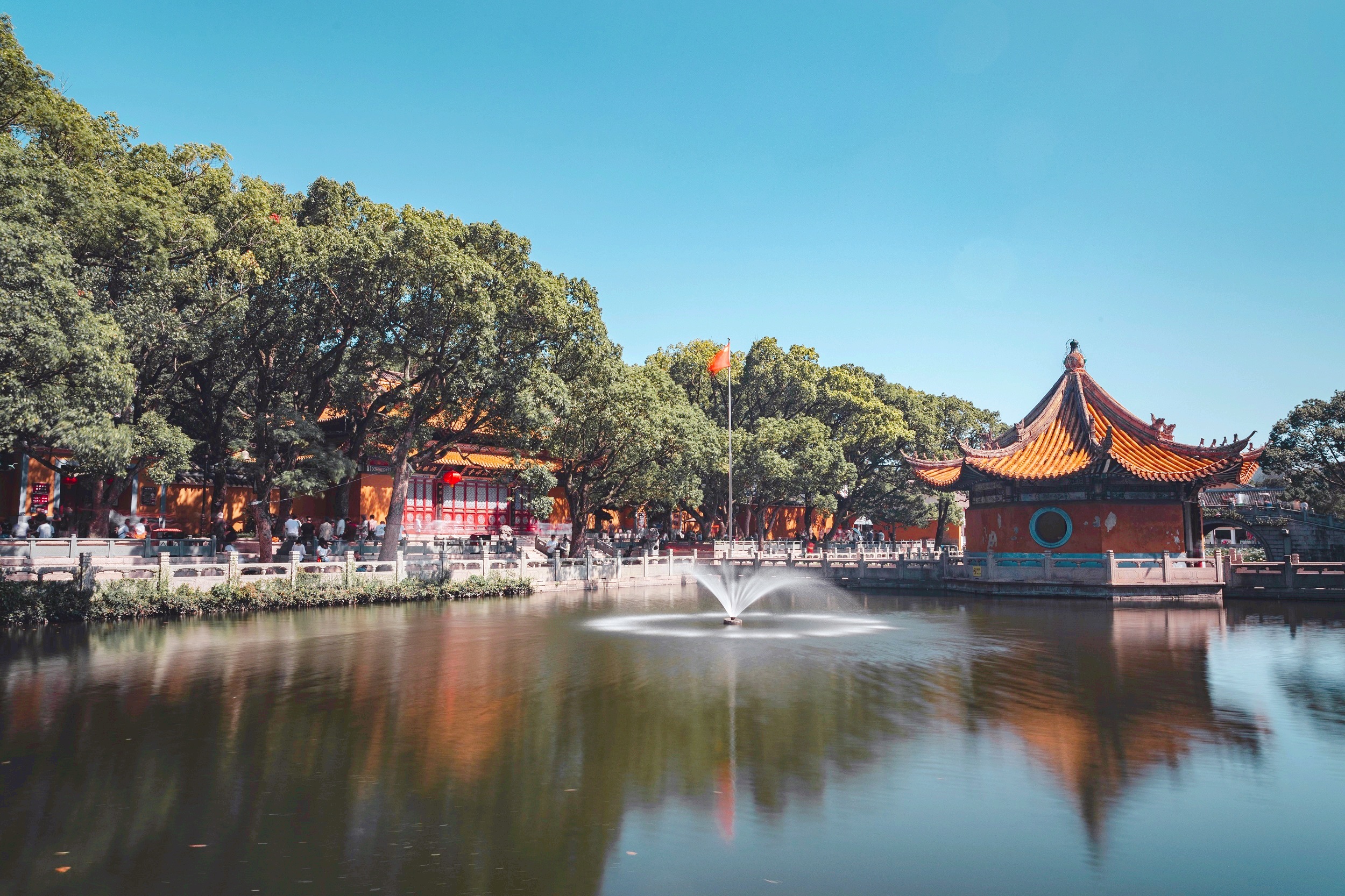
2025 Mount Putuo Travel Guide: Must-see attractions, popular food, hotels, transportation routes (updated in December)
62 posts
- 1
- 2
- 3
- 4
- 13
Post
More recommendations
Popular Trip Moments
A Trip to Lianyungang and a Date with My Bestie | Zhangjiagang's new hotel is legendary! Just a 1-minute walk to Mambat | A Corner of the World Amidst Mountains and Waters | Winter Family Fun at Tianmu Lake! Comprehensive Parent-Child Guide to Hantian Resort—All Dining, Drinking, and Playing in One Stop | Autumn and winter exclusive, Suzhou is stunning here!! | Winter Family Vacation at Tianmu Lake! Complete Guide to Eating, Drinking, and Playing at Hantian Resort, Easy and Stress-Free for Moms | LIVE Photos | The autumn scenery at Suzhou University is just too stunning! | It's red! The red leaves of Xiangshan are fully loaded! | Shuangshan Island is simply a paradise for taking photos. | Zhangjiagang In-Depth Guide 【Zhangjiagang In-Depth Guide】This "Port City" Hides Treasures You Don't Know About! Hello everyone! Today, let's explore a | Beijing's Hidden Free Autumn Scenery! 600-Year-Old Ancient City Wall with Red Maples, Stunningly Beautiful | Premium Quality King Bed | Suzhou Tiger Hill Wetland Park, Free Admission to See the Redwoods | From admiring Renheng in Shanghai and Suzhou to owning it in Gangcheng, my Renheng dream has come true! | The Xiangshan Scenic Area and Phoenix Mountain Scenic Area in Zhangjiagang boast stunning views and fresh air | Beijing Huairou hides a "Little Xing'an Mountains"! The autumn birch forest is so beautiful it brings tears to your eyes | Deqing Marriott Dual Brand Grand Opening, 500 Lakeview Rooms + Unbeatable Opening Prices to Stock Up | November Maple Viewing Alert: The secret red leaf spot with fewer people and cars is revealed for the first time! | Zhangjiagang 4 Days 3 Nights Selected Travel Guide | Beijing's ultimate parent-child hiking spot! Shangyingshui Village Zhenwu Temple Loop, easy for kids and you can see ancient architecture🌳
| Miyun's hidden red leaf secret spot is less crowded, beautiful, and free! | Beijing locals would never tell you! Secret 0-cost red leaf spot revealed | Miyun's hidden red leaf secret spot has fewer people and more beautiful scenery than Xiangshan! | Don't go to Xiangshan anymore! Beijing's free secret red leaf paradise is stunning | Come to Honghuayu in Miyun, where the scenery is stunningly beautiful. | Beijing's Hidden Autumn Gem: Miyun Honghuayu Wild Red Leaf Viewing Guide! | A Hidden Red Leaf Wonderland Near Beijing with Free Entry to This Forgotten Stunning Valley | Beijing's breathtaking red leaves that make your heart tremble | Free Red Leaf Secret Spot Guide | Beijing Autumn Secret Spot: 0-Cost Red Leaf Valley That’s Absolutely Stunning 😭 This Fall, Stop Crowding Xiangshan! Girls, I recently discovered a hidden gem in Miyun —
Popular Destinations
Huinan Travel | Noord-Brabant Travel | Iquitos Travel | Cherokee County Travel | Minqing Travel | Orange Travel | Olympia Heights Travel | Charlevoix-Est Regional County Municipality Travel | Ba Ria-Vung Tau Province Travel | Heilbronn Travel | Montgomery County Travel | Fraser Coast Regional Travel | Zhao'an Travel | Moravskoslezsky Region Travel | Morehead Travel | Havana Travel | Oradea Travel | North Adams Travel | South Whitehall Township Travel | Gyumri Travel | Cuenca Travel | Big Pine Key Travel | Tulare County Travel | Prior Lake Travel | Culpeper County Travel | Kyffhauserkreis Travel | Cala d'Or Travel | Opcina Tucepi Travel | Framingham Travel | Saint James Travel
Recommended Attractions at Popular Destinations
Popular Attractions in Bangkok | Popular Attractions in Manila | Popular Attractions in Tokyo | Popular Attractions in Taipei | Popular Attractions in Hong Kong | Popular Attractions in Seoul | Popular Attractions in Kuala Lumpur | Popular Attractions in Los Angeles | Popular Attractions in Shanghai | Popular Attractions in New York | Popular Attractions in Shenzhen | Popular Attractions in Osaka | Popular Attractions in Singapore | Popular Attractions in London | Popular Attractions in Guangzhou | Popular Attractions in San Francisco | Popular Attractions in Beijing | Popular Attractions in Macau | Popular Attractions in Bali | Popular Attractions in Jakarta | Popular Attractions in Paris | Popular Attractions in Ho Chi Minh City | Popular Attractions in Istanbul | Popular Attractions in Phuket | Popular Attractions in Chicago | Popular Attractions in Seattle | Popular Attractions in Toronto | Popular Attractions in Orlando | Popular Attractions in Cebu | Popular Attractions in Chiang Mai
Popular Restaurants in Zhangjiagang
Jiuzhege Fish (ximen) | 铁锅年代(塘桥店) | 凤凰农庄(肖家巷店) | 河阳鱼馆(凤凰店) | Butterfly&Lake | 臻厨自助餐厅·张家港万豪酒店 | 小城大厨(北京路店) | WU GE REN JIA | 大鱼海棠(杨舍镇店) | 味千拉面(张家港购物公园店) | 肯德基(金港店) | 新贝乐意大利餐厅(曼巴特店) | 鳯桃农庄(凤凰镇店) | 海底捞火锅(张家港万达店) | 海底捞火锅(吾悦广场店) | 鲜芋仙(张家港杨舍老街店) | XIHU SHUDI | 魔锅坊麻辣香锅(西门店) | Duolunduohaixianzizhu Restaurant (zhangjiagang) | 锡笼记·无锡小笼(张家港店) | Yaode Hot Pot (jiyang) | KFC (zhangjiagangqichezhan) | KFC (zhangjiagangbairunfa) | 吉品海鲜刺身寿司连锁(西门店) | 哈根达斯(张家港曼巴特店) | 肯德基(张家港华昌路DT店) | 大渝火锅(张家港杨舍老街店) | Qixintianpinxiexuan (zhangjiagangyangshelaojie) | Zhangsaozhenjiangguogai Noodles | tun ba ye
Popular Ranked Lists
Popular Luxury Hotels Near Corum | Top 50 Must-Visit Restaurants in Chaozhou | Popular Luxury Hotels in Lotschental | Top 50 Must-Visit Restaurants in Singapore | Top 50 Must-Visit Restaurants in Macau | Top 50 Must-Visit Restaurants in Chengdu | Top 50 Must-Visit Restaurants in Paris | Popular Luxury Hotels in Na Pali Coast | Popular Best Things to Do in Renhua | Top 50 Luxury Hotels near Puegnago sul Garda | Top 50 Must-Visit Restaurants in George Town | Top 50 Must-Visit Restaurants in Tokyo | Top 20 Best Things to Do in Nha Trang | Top 20 Best Things to Do in Aksu Prefecture | Popular Luxury Hotels Near Corum Merkez | Top 50 Must-Visit Restaurants in Bali | Top 10 Luxury Hotels near Kalihiwai | Popular Premium Hotels in Calanques National Park | Top 50 Must-Visit Restaurants in Chiang Mai | Top 10 Luxury Hotels in Zanzibar Archipelago | Top 50 Best Things to Do in Moscow | Top 50 Must-Visit Restaurants in Koh Samui | Popular Premium Hotels in Hakuba Ski Resort | Top 50 Luxury Hotels near Tsumagoi | Top 50 Must-Visit Restaurants in Madrid | Popular Premium Hotels in Xingping Ancient Town | Popular Luxury Hotels Near Castaway Island | Top 50 Must-Visit Restaurants in Hanoi | Top 50 Must-Visit Restaurants in Athens | Top 50 Must-Visit Restaurants in Ho Chi Minh City
About
Payment methods
Our partners
Copyright © 2025 Trip.com Travel Singapore Pte. Ltd. All rights reserved
Site Operator: Trip.com Travel Singapore Pte. Ltd. Travel License No. 02943
Site Operator: Trip.com Travel Singapore Pte. Ltd. Travel License No. 02943