2026 Ju County Travel Guide: must-see attractions, popular food, hotels, transport & travel experiences (updated in February)
Essential Travel Information for Ju County
Ju County is located in the south of Shandong Province and is administered by Ruzhao City. The local Ju culture is widely recognized as one of the three major cultures in Shandong, together with Qi culture and Lu culture. Dinglin Temple, which sits on Fulai Mountain, was once home to Liu Xie, the literary criticism theorist and author of The Literary Mind and the Carving of Dragons from China’s Northern and Southern dynasties period. Within the temple, Liu Xie’s school building and the “first ginkgo tree in the world,” believed to be almost 4000 years old, can be admired.
Ju County Today's weather
Cloudy -9-2℃

Latest Travel Trends in Ju County
All Trip Moments about Ju County | Travel Experiences
4000-Year-Old Ginkgo Trees in Juxian|In Juxian, Rizhao, Shandong
In Juxian, Rizhao, Shandong There is a 4000-year-old ancient ginkgo tree It holds a Guinness World Record As the oldest ginkgo tree in the world · The ginkgo trees are now at their best viewing period The trunk is extremely sturdy The canopy spreads like a large golden umbrella protecting the area The Dinglin Temple where the ginkgo tree is located Is also over 1500 years old · Navigate to Fulaishan Scenic Area 🎫55 A short hike of about ten minutes will take you to Dinglin Temple The viewing period lasts only a few days So hurry up and go莫卡艺术Juguo Ancient City
Rizhao · Juguo Ancient City, free admission and open all day! ✨Here’s your guide~✨ 🌟Must-visit spots: 1⃣️ Juwang Palace: Experience the historical atmosphere of the Spring and Autumn ancient capital! 2⃣️ Wenchang Pavilion: Climb the pavilion to overlook the entire ancient city! 3⃣️ Intangible Cultural Heritage Crafts: Feel the craftsmanship of intangible cultural heritage inheritors! 4⃣️ Ancient City Night Market: Various delicious foods waiting for you to try! 5⃣️ Light Show: The evening light show is especially beautiful! 🌟Tips: ▪️ The ancient city is free to enter and open all day! ▪️ It’s recommended to visit in the evening for the light show—it’s stunning!ELOISE JENNINGSThe Xuguang Project is in trial operation, transforming a 58-acre mining pit into a cinematic-quality check-in spot
Located at the foot of Fulai Mountain in Juxian County, the 58-acre mining pit has been stunningly transformed through the "Xuguang Project" and is currently in its trial operation phase. This place features attractions such as a black sand beach, sapphire-like lake water, hot air balloons, and the aroma of coffee filling the air, making it an excellent hidden check-in spot nestled in the valley. The core highlight lies in the beauty of rebirth over the ruins: exposed rock walls bear the marks of time, glacier stones on the black sand beach sparkle, and the mining pit lake water is crystal clear blue. With over 30 photo-worthy spots, the entire area exudes a cinematic feel. Although the small winter waterfall on the cliff has stopped flowing and the mist forest is hidden, the rugged mining pit blends with the gentle natural scenery, offering a unique charm. Visitors can experience the wonder of desolation breathing anew, strolling along the gravel paths as if on an island suspended in time. You can receive a limited-edition pendant for free by following staff instructions; those who purchased tickets earlier but did not receive one can also claim it in-store with their ticket proof. The trial operation runs from December 25, 2025, to February 17, 2026, from 9:00 AM to 6:00 PM. The address is 500 meters northwest of Xinzhuang, Fulai Mountain Street, Juxian County. When it officially opens in spring, enjoy a half-price discount to experience it again. Whether in winter or spring, it’s worth coming here to breathe with the mountains and wilderness.Trip.PulseJu State Ancient City
#chinaadventures The beautiful sunset at the Ju State Ancient City in Rizhao, China, a destination known for its rich history and Han culture. The ancient city has a history spanning over 3,000 years. It is a top destination for enthusiasts of Han culture. Visitors can wander cobblestone streets and admire historic architecture. The location offers special winter activities, including wearing traditional Hanfu attire and watching grand shows.currydonThe Juguo Ancient City Spring Festival Lantern Fair is Scheduled
The 2026 Juguo Ancient City Spring Festival Lantern Fair will grandly open on the 20th day of the twelfth lunar month! This lantern fair deeply integrates the profound cultural heritage of "three thousand years of ancient city, four thousand years of ginkgo, and five thousand years of script," creating an annual feast where ancient charm meets modern trends. Highlights abound, with 100,000 bright lanterns dazzling the eyes, spectacular performances of national trends, a fantasy market that takes you through past and present, and a series of events including fire drum dances, blessing releases, and intangible cultural heritage fire shows. There will also be a lantern parade to enhance the festive atmosphere. Seven major activities allow you to immerse yourself in a dreamlike world of intertwined light and shadow, celebrating the New Year in the ancient city. Strolling through the lantern fair, you will experience continuous surprises, as if traveling through time to celebrate the festival with the ancients. Whether spending warm moments with family or partying with friends, this place will meet your expectations. The lantern fair is located at Baigongfang. Come to Juguo Ancient City for a rendezvous with a thousand lanterns, get lost in this splendid New Year spectacle, and create unforgettable memories!Trip.PulseThis hotel in Rizhao brings the sea right into your room!
A must-stay for an in-depth Rizhao trip! Seaview hotel + local experiences to unlock a different side of Rizhao. Want to explore Rizhao in depth? This high-floor seaview hotel is your perfect choice! Staying here, you can immerse yourself in the beauty of Rizhao every day. The high-floor seaview rooms face the sea directly—watch the sunrise in the morning, the sunset in the evening, and listen to the sound of the waves at night. Life couldn’t be more pleasant. The room decor incorporates Rizhao’s marine elements, full of thoughtful details. The hotel’s popular photo wall integrates local Rizhao culture, making your photos uniquely special. In the seaview café, enjoy complimentary coffee and juice upon check-in while listening to locals’ recommendations to discover hidden gems in Rizhao. There’s also a free children’s playground, making it easy for families to enjoy an in-depth trip. There are countless ancient towns and cities, but this one has existed since the Spring and Autumn period, as old as the history of the Qi and Lu states—the land of the ancient State of Ju, truly full of charm. Although Rizhao is a coastal city, Ju County, where the ancient city is located, is actually an inland town. Travel back through the river of time and dream of the Spring and Autumn and Han dynasties. Definitely worth a visit! 🌊 👉🏻 Travel Tips: The Ju Ancient City has only been open for two years and currently has no entrance fee. However, in the future, it will definitely charge admission like Mingshui Ancient City and Langya Ancient City, so visit early. ⭐ Recommended: Dress up for the visit The scenic area has stores for ancient costume rentals and professional photographers. Popular outfits include Warring States robes, princess dresses, Ming dynasty styles, and Hanfu. But honestly, photos taken with your phone here look amazing too. ⭐ Suggested route: Enter through Gongchen Gate and explore along the way. The layout of Ju Ancient City is simple, so you won’t miss any sights. When in Rizhao, be sure to visit these 3 local food spots! The Chocolate Fisherman’s steamed seafood pot is a signature way to enjoy Rizhao seafood; Lao Dongfang Dumplings’ mackerel dumplings offer a taste of home; and Dongyi Town’s sea sand noodles are a unique Rizhao specialty. Explore 3 nearby attractions for different experiences! At Wanpingkou Scenic Area, rent a bike and ride along the coastline to feel Rizhao’s slow life; at the Coastal National Forest Park, hike through the forest and breathe fresh air; at the Lighthouse Scenic Area, watch fishermen head out to sea and experience fishing culture. This Rizhao-friendly hotel for in-depth travelers is truly worth staying at. Hurry and come unlock a different Rizhao!皓悅高空海景酒店(日照萬平口景區萬達廣場店)Shandong Juguo Ancient City’s ancient charm at night is just too photogenic!
Juguo Ancient City is absolutely amazing! One second here and you’re transported back to ancient times~🏰 💫Tips for visiting: 1️⃣ The ancient city feels completely different by day and night~ By day, it’s serene and elegant At night, when the lights come on, it’s super dreamy✨ We recommend staying until nightfall! 2️⃣ Must-visit spots: - Ancient Archway: a landmark you must check out📸 - Antique-style streets: lots of delicious food - Lake view at night: the lights reflecting on the water are super romantic 🎟Ticket info: Free! Free! Free! (Important, so said three times) 📍Address: Juguo Ancient City, Ju County, Rizhao City, Shandong Province 🚗Transportation: Self-driving is recommended, parking is convenient ⏰Opening hours: Open all day (lights on at 6:00 PM) 📸Photo tips: - Wearing Hanfu makes for amazing photos! - Around 8 PM is when there are the fewest people - The stone lions in front of the archway are the best photo spots This is truly a budget-friendly and fun hidden gem~ Rizhao locals, don’t miss out!BookwormsRUsJuguo Ancient City New Year's Dumpling Contest
From December 31, 2025, to January 3, 2026, Juguo Ancient City will host the "Dumpling Pride Jianghu · Ancient City Contest" New Year's feast! The event features exciting highlights, including a dumpling DIY session. From December 31 to January 1 at 6:00 PM daily, at the designated area of stall A3, you can participate in the dumpling-making contest. Not only will there be trendy dumplings with fillings like urine beef balls and spicy strips that overturn tradition, but the "Silver Coin Fortune Dumpling" also brings surprises—those who eat it will have good luck all year long. You can immerse yourself in making dumplings, wrapping reunion with your family and friends inside each dumpling, and enjoy tasting your own handiwork for free. The top 3 "Dumpling Masters" selected daily will receive tickets to Wenchang Pavilion or Juzi Art Society, while other participants enjoy a half-price discount at Juzi Art Society. The New Year Blessing Ceremony will be held at 3:00 PM on January 1 at Wenchang Pavilion. Following the ancient rites of the Spring and Autumn period and inheriting the Dongyi cultural heritage, it will take you through a thousand years to feel the charm of the origin of characters and the profound heritage of the ancient city. Come to Juguo Ancient City to start a heartwarming New Year's journey in an atmosphere of reunion, joy, and heritage, and create unforgettable memories!Trip.PulseRizhao New Year's Eve Events Are Here, Diverse Celebrations to Welcome the New Year
From December 31, 2025, to January 3, 2026, Rizhao is launching a comprehensive lineup of New Year's Eve activities to accompany you in welcoming the new year! Kaiyuan Senbo Resort Park is hosting the "Fire Gathering to Welcome the New Year" event, featuring bonfire parties, bonfire music evenings, and the chance to release wish balloons, full of ceremonial atmosphere. During the New Year's Day period, the park's opening show parade "Fortune Officials" will distribute gifts and blessings. The "Quickly Gather Fortune" garden party allows you to win silver tickets and collect five fortunes through NPC interactive games to exchange for gifts. The "Paw" Horse Meetup features an abstract dog cosplay show and "Dramatic Games" interaction, where you can receive exclusive cute pet gifts. On December 31, 2025, from 9:30 PM to 12:10 AM the next day, Rizhao Wanda Plaza will hold the "Story of Time" · 2026 New Year's Eve Concert, creating a multi-scene, layered interactive immersive indoor New Year's music party based on the theme "Story of Time," forming a "night + morning" New Year's music double feature with the January 1 sunrise concert. Here, you can feel the warmth of the bonfire, the passion of music, and receive abundant surprises and blessings. For friends who don’t want to stay up late, you can wait by the seaside for the sunrise and welcome the first ray of sunlight of the new year. [2026 "Hospitable Shandong New Year Gala" First Light Shines · China (Rizhao) New Year's Day Sunrise Blessing Ceremony] A must every year! Pray for blessings at Wanpingkou while waiting for the first ray of sunlight of the new year. The seaside is cold, so be sure to dress warmly, keep warm, and stay safe. ["Sunrise at Haizhou Bay · Bright New Journey" 2026 New Year's Day Sunrise Blessing Event] Come to Duodao Sea to pray for blessings at sunrise, enjoy music, and explore cultural and creative and intangible cultural heritage exhibitions. [Shanhaitian Tourism Resort 2026 New Year's Day Sunrise Celebration] Divided into three chapters: "Celebration Ceremony," "Sunrise Ceremony," and "Energetic New Year Start." On-site, internet celebrity Lei Ge will serve warm porridge, "Vitality Fortune Eggs," and "Fortune Tofu." [2026 Rizhao Tiantai Mountain New Year's Day Sunrise Blessing Ceremony and First Light Grand Ceremony Launch] Carefully crafted sunrise blessing ceremony and the live-action performance "Meeting Xihe." Accompanied by releasing wish sky lanterns, flash mob chorus, Tiantai Mountain snow village, and New Year market. [Citywide Live Broadcast of Sunrise Blessing Activities] Live broadcast of the blessing ceremony at Fulai Mountain Scenic Area, welcoming the sunrise online together. [2026 Wulian Mountain "Rising Sun Welcomes the New · Blessing the Mountains and Rivers" New Year's Day Blessing Ceremony] Climb the peak to greet the sunrise, watch a drone show, with on-site food and intangible cultural heritage experience zones. [Sailing Base "Yacht Outing to Watch the Sunrise" Themed Activity] Take a boat out to sea to watch the sunrise, accompanied by the ocean, welcoming the first ray of sunlight. Come to Rizhao, celebrate New Year's Eve together, and start a wonderful new chapter!Trip.PulseUnforgettable Stay Experience at Rizhao Yuexi
Discovered a hidden gem hotel in Juxian County🏨 The newly opened Yuexi Hotel totally blew me away!💯 🌟Room Types & Amenities: Deluxe King Room for just 100+!💰 ✔️All-you-can-eat breakfast for two ✔️24-hour robot food delivery🤖 (a lifesaver for late-night workers) ✔️Unlimited tea bags + bottled water ✔️Full smart home control system🎚️ 💫Thoughtful Room Services: 1️⃣Free shuttle within 10 km🚗 (a blessing for business travelers) 2️⃣One-stop laundry and drying service👔 (no need to bring dirty clothes home) 3️⃣New energy vehicle parking + charging stations⚡ (electric car fans rejoice) 4️⃣Fresh fruit platter upon check-in🍎 The freshly baked bread at breakfast is super delicious🍞 paired with coffee to start an energetic day!✨The marble backdrop is also perfect for high-quality photos📸isabellatravelHave a blast at the seaside amusement park
🌊 Four days and three nights in Rizhao travel guide ✨ Highlights of the itinerary · High cost-performance itinerary: carefully selected free seaside attractions and unique experiences, with a reasonable budget. · Fully enjoy the charm of the Yellow Sea coast: a trip covering sunrise, beachcombing, sailing, and fishing village culture. · Authentic food exploration: from seafood stalls to specialty snacks, savor the "fresh flavors of Rizhao." 🗓️ Itinerary overview Here is the overall arrangement for the 4-day trip, giving you an intuitive understanding of the journey. 🗺️ Itinerary details 🏖️ Day 1: First encounter with Rizhao seaside · Morning: After arriving in Rizhao, it is recommended to stay at a hotel or guesthouse near Wanpingkou, which is conveniently located just a 5-minute walk to the beach. Once settled, head directly to Wanpingkou Seaside Scenic Area, featuring a wide, gentle sandy beach and clear waters, representing Rizhao's "Golden Beach." You can stroll on the beach, wade in the waves, or rent a beach chair (about 30 RMB/day) to relax and enjoy the sea breeze. For photos, remember to visit the Rainbow Bridge at the end of the beach; silhouettes taken in the soft afternoon light are especially beautiful. · Evening: As dusk falls, go to Dongyi Town. This is a seaside tourist town themed around Dongyi culture and fishing village culture, with free admission. The lanterns at night create a special atmosphere. Here you can taste various Rizhao specialty snacks, such as seaweed buns, grilled squid, and the local specialty "Xishi Tongue" shellfish. The town also has attractions like the Dragon God Temple, God of Wealth Temple, and Anti-Japanese War Memorial Hall to visit. Today's food recommendation: Have dinner in Dongyi Town, where you can enjoy a variety of snacks for about 50 RMB per person. ⛵ Day 2: Ocean experience and beachcombing fun · Early morning: If the weather is good, be sure to go to Lighthouse Square to watch the sunrise. The lighthouse is spectacular in the morning light and is a landmark of Rizhao. · Morning: After watching the sunrise, head to the Rizhao Sailing Regatta Base. It is free to visit, where you can see various sailboats and yachts. If you want to experience going out to sea, you can take a yacht ride (prices vary by season, off-season may be around 10 RMB). · Afternoon: After lunch, go to Rizhao Seaside National Forest Park. This park features forest on one side and the sea on the other. You can walk along forest trails to breathe fresh air or walk barefoot on the park’s famously "flour-like fine" sandy beach. · Evening: At dusk during low tide, go to Wujia Tai Beachcombing Park to experience beachcombing. Remember to check the low tide time in advance (search "Rizhao tide table" on your phone). Bring small shovels, buckets, and other tools to look for small crabs, shells, and other marine life among the rocks. Safety tip: wear non-slip shoes when beachcombing because the rocks may be slippery with algae. Today's food recommendation: For lunch, try the "seafood feast" at a fishermen’s restaurant near Wujia Tai, about 80 RMB per person. If you catch anything while beachcombing, you can ask the guesthouse owner to help cook it. 🦀 Day 3: Fishing village culture and unique experiences · Morning: After breakfast, visit Renjia Tai Fishing Port to see the lively scene of fishing boats returning to port. If the timing is right, you can watch fishermen unloading their catch and even have the chance to buy the freshest seafood. · Noon: Head to Taigong Island Oyster Park, a free beachcombing spot where you can enjoy picking up shells and small crabs. · Afternoon: Visit Rizhao Ocean Park (ticket prices vary by peak season). The park features two main pavilions: the Sunshine Ocean Pavilion and the Four Seasons Flower and Bird Garden, showcasing a rich variety of marine life. The performances are exciting, including the Silver Storm (fish swirling show), mermaid/underwater ballet, and dreamy dolphin shows, all included in the ticket price. · Evening: Find a seafood restaurant in the city for dinner, such as the locally recommended Chocolate Fisherman’s House, to enjoy their seafood steam pot. 🌳 Day 4: Mountain tranquility and return trip · Morning: After breakfast, visit Fulai Mountain Scenic Area (ticket 65 RMB). The most famous attraction here is the ancient ginkgo tree known as the "World’s Number One Ginkgo," with a trunk so wide it takes eight people to embrace it. You can feel the passage of history under the ancient tree and also visit Dinglin Temple on the mountain. · Noon: Enjoy the local specialty "Juxian mutton soup" (about 25 RMB per bowl) near the scenic area, which tastes great with baked flatbread. · Afternoon: After lunch, you can buy some local specialties such as dried shrimp and shrimp skins (about 20-30 RMB per jin) as souvenirs, then conclude your pleasant trip and prepare for departure. 💰 Budget plan (total budget: about 4000 RMB) Here is a budget breakdown based on the 4-day itinerary to help you allocate expenses reasonably: Item Details Budget Accommodation Economy hotels/guesthouses, 3 nights About 600 RMB Tickets Seaside National Forest Park, Rizhao Ocean Park, Fulai Mountain, etc. About 500 RMB Transportation City taxis, tourist shuttle About 300 RMB Meals Seafood, local specialty snacks, etc. About 600 RMB Experiences Sailing Regatta Base boat rides, beachcombing tool rentals, etc. About 200 RMB Shopping Local specialties, souvenirs About 300 RMB Reserve funds Emergency and unplanned expenses About 500 RMB Total About 3000 RMB Note: The above total budget is about 3000 RMB, leaving about 1000 RMB flexible within your 4000 RMB total budget. You can use this to experience more activities, such as interactive programs at the Ocean Park or tasting more specialty foods. 💡 Practical travel tips 1. Transportation advice: Rizhao city is small, with a taxi starting fare of 6 RMB. Tourist shuttle buses to attractions cost 5 RMB per person. 2. Beachcombing tips: Always check the tide table before going beachcombing and choose low tide periods. Wear non-slip shoes and long sleeves to protect from sunburn and avoid scratches from rocks. 3. Food exploration: For fresh seafood, it’s best to go to fishing ports or large markets; stalls at scenic spots may be more expensive. 4. Clothing preparation: The seaside can be windy, so even in summer, it’s recommended to bring a light jacket. I hope this guide helps you have an unforgettable time in Rizhao. The seafood here is truly fresh and delicious—be sure to savor it! If you have special interests in certain activities, like photography or particular seafood dishes, I’m happy to provide more detailed suggestions.26_Stormrider_Seraphina_4-91The must-choose autumn trip: Rizhao-Linyi 5-day tour no-fail guide is here
Rizhao-Linyi 5-day treasure route is here! Want to have a worry-free and enjoyable trip? This guide is a must-save! Convenient pick-up and drop-off throughout the journey, from Rizhao’s Bihai Jinsha to Linyi’s ancient charm, check in easily along the way, happiness guaranteed, hurry and save it to start your trip! -------- Carefully prepared tips, 👇scroll down to unlock more~ -------- 📒 Itinerary: D1: Dongyi Town -> Wanpingkou Seaside Scenic Area Stroll through Dongyi Town to feel the ancient charm, then head to Wanpingkou Seaside Scenic Area to enjoy the sea breeze, super relaxing! D2: Underground Grand Canyon -> Firefly Water Cave Explore the magical Underground Grand Canyon, then encounter the romantic Firefly Water Cave, a wonderful journey! D3: Zhuquan Village -> Hongshizhai Waterfall Tower Experience rural life in Zhuquan Village, then admire the waterfall scenery at Hongshizhai Waterfall Tower, so leisurely! D4: Langya Ancient City Step into Langya Ancient City, feel the profound history and culture, an immersive experience! D5: Juguo Ancient City -> Rizhao Seaside National Forest Park Visit Juguo Ancient City, then get close to nature at Rizhao Seaside National Forest Park, amazing! Return: End the trip and return from Rizhao, concluding this beautiful journey 🥰 -------- 🌞 Travel essentials: Rizhao-Linyi November light packing list 👗**Clothing**: Thin down jacket + sweatshirt layering to block strong seaside wind, comfortable sneakers for walking around Wanpingkou, bring a scarf for morning and evening temperature changes. 📱**Accessories**: Sunscreen + sunglasses (strong UV by the sea), folding umbrella for sudden rain, power bank to capture autumn scenery in Zhuquan Village. 🪪**Documents**: ID card is a must (for high-speed rail/scenic spot checks), student ID for special discounts at Fulaishan, carry a small amount of cash for emergencies. -------- What are you waiting for? 👇Click the card below and enjoy a worry-free trip!LuminousWhisp1Shandong's ginkgo season is here, with millions of golden trees ready to be admired
In early winter, millions of ginkgo trees in Shandong don their "gilded attire," decorating the land of Qilu like a dream. Miss this wave of "golden brilliance," and you'll have to wait another year! The ginkgo trees at Dinglin Temple on Fulaishan Mountain in Rizhao are known as the "ancestor of ginkgo trees," with some over 4,000 years old. They are famed as the "world's number one ginkgo" and are even recorded in the Guinness World Records. The trunks are so thick that it takes 12 people to encircle them, and the canopy spreads over 660 square meters, like a huge golden canopy, holding up a golden sky over the ancient temple. CCTV has even documented their beauty. Lingyan Temple in Jinan has been one of the "Four Great Temples" since the Tang Dynasty. The ginkgo leaves start turning yellow in late October, and now is the best time to enjoy them. Wisps of smoke in the forest make the golden leaves appear hazy, with the radiant ginkgo trees framing the thousand-year-old temple like a painting. The Hundred Li Yellow River Scenic Area in Jinan is a comprehensive outdoor leisure space, where the ginkgo forest takes center stage. Golden ginkgo leaves spread along the riverbank, forming a golden corridor several kilometers long—perfect for photos. Badaguan in Qingdao is known as the "International Architecture District," showcasing Qingdao's unique charm. At this time, the ground is covered with golden ginkgo leaves, creating an unforgettable sight. Come to Shandong for a ginkgo rendezvous and experience this golden romance!Trip.Pulse1Rizhao Fulai Loves Ginkgo
Travel Guide and Tips for Fulai Mountain, Ju County, Rizhao, Shandong 🍂 Core Guide 📝 1. Transportation 🚗 Drive directly to the main entrance of the scenic area; during peak season, it is recommended to arrive before 8 AM to secure a parking spot. Public transportation is available via Ju County Route 6 Fulai Mountain line. Note the last bus departs at 17:40, don’t miss the return trip! 2. Tour Route 🗺️ The scenic area is only 299 meters above sea level and can be toured in 1 hour. Prioritize visiting Dinglin Temple to see the "World’s Oldest Ginkgo Tree" over 3,500 years old 🌳, then explore the Five Hundred Arhats Formation, Liu Xie's Former Residence, and finally check in at Wenxin Pavilion to see the inscription by Guo Moruo. On the way, visit the Ju Culture Museum to learn about the history of the State of Ju. 3. Food and Accommodation 🍜🏨 For food, choose farmhouses outside the scenic area and be sure to try the whole lamb soup and hairtail fish pancake rolls, avoiding the overpriced restaurants inside the scenic area. For accommodation, you can choose Ju State Hotel or Ju County Wanshajin Hotel, about 8 kilometers from the scenic area, suitable for family trips. 4. Tips 💡 The scenic area is free to enter. November is the best time to view the ginkgo trees. The morning light is soft, perfect for photographing the ancient ginkgo and temple together 📸! Avoid Pitfalls ⚠️ 1. Don’t trust roadside “wild guides” 🙅♂️. The scenic spots are concentrated and can be explored independently to avoid being scammed. 2. Weekends and holidays are crowded 👥. Try to visit on weekdays for a better photo and touring experience. 3. Although the mountain path is short, some sections are steep. Avoid hiking on rainy days ⛰️; wear comfortable sports shoes and stay on designated routes. 4. When buying ginkgo specialty products, compare prices at multiple shops 🛍️. Prices vary greatly among vendors around the scenic area, so don’t make impulsive purchases.Charlotte Rodriguez@12Deep Exploration Experience of the Ancient City of the State of Ju
Step into the ancient city of Ju and embark on a millennium-long journey of fireworks and cultural heritage. Before the morning mist has fully lifted, the Yongcheng Gate of the ancient city of Ju stretches gracefully in the morning light. This city gate, bearing three thousand years of history, is built with nine layers of rammed earth. The varying depths of the rammed marks on the walls resemble fingerprints carved by time, with layers clearly distinguishable at 7 to 10 centimeters. The surface feels rough and solid, carrying the warmth of earth and time. The gate tower’s eaves curve upward, and neat copper nails adorn the carved beams and painted rafters like stars embedded in the vermilion door panels. When pushed open, it emits a low creak, as if the ancient city is softly greeting you. Standing beneath and looking up, the 35-meter-wide city wall stands majestic, with the moat’s flowing water gently passing by. For a moment, one can almost see the merchants and carriages of Ju from a thousand years ago slowly entering the city in the morning light. Passing through the gate, the bluestone path winds forward, and suddenly a rich aroma of wine drifts through the air. Following the scent leads to a quaint, antique-style winery. A wooden plaque reading “Ju State Fine Brew” hangs on the door, and red lanterns sway gently under the eaves. Inside, rows of ceramic jars are neatly arranged, their mouths covered with fine gauze. The fragrance of wine mingles with the fresh scent of grains. A master brewer skillfully stirs the fermentation starter with a wooden spoon, sweat trickling down his cheek and dripping onto the fermenting grains. After permission is granted, a small sip reveals a sweet and refreshing liquor that slides down the throat with a warm, lingering aftertaste, as if drinking in the sunshine and rain of Ju land, warming the whole body. The winery owner smiles and says this wine is made with water from the ancient city’s deep well, using brewing techniques from the Spring and Autumn period, with every drop carrying the spirit of Ju. Not far ahead, the sign for “Ju State Paper Cutting” stands out vividly. Inside the shop, red paper is spread across wooden tables, and several artisans concentrate on their craft. Scissors flutter at their fingertips, and red paper scraps fall like fluttering butterflies. Picking up a freshly cut pattern, it combines Ju’s totems with modern elements, featuring smooth and delicate lines, with even the petal veins clearly visible. Trying it out, a master patiently guides the folds and pressure. The red paper gradually takes shape under the scissors. Though clumsy at first, a simple Ju auspicious cloud pattern emerges. Holding the creation, the fingertips still feel the fibers of the red paper. Suddenly, it becomes clear that this intangible cultural heritage has lasted a thousand years because every cut carries craftsmanship, and every piece carries the roots of culture. At the corner, the “Hemu Time Wood Workshop” fills the air with the scent of wood and shavings, instantly calming the mind. Tools such as planes, chisels, and ink lines are neatly arranged on the wall. Sunlight streams through the window, illuminating curls of freshly shaved wood that resemble clouds and carry the fresh scent of pine. Selecting a piece of walnut wood, under the master’s guidance, you learn to sand and join, experiencing the marvel of mortise and tenon joints—no nails or screws needed, two pieces of wood fit tightly together. Focusing on the wood in hand and listening to the rasping sound of the plane, time seems to slow down. Finally, a small wooden hairpin is crafted, with natural grain and the warmth of your palm—this is the unique souvenir the ancient city bestows. Continuing along the bluestone path, a towering archway comes into view—this is the Zhuangyuan Archway erected by Zou Weixin, the top scholar of Ju during the Ming Dynasty. The structure features four pillars, three bays, and five stories with a Xieshan-style roof, solemn and elegant. The inscription on the archway is vigorous and still clearly legible after years of weathering. The couplet on both sides reads, “Loyalty and dedication inherit through a thousand autumns, kindness and filial piety flourish for five generations,” carrying profound meaning. Touching the carved patterns on the archway, the dragon and cloud motifs seem vivid, as if one can feel the glory of passing the imperial examination. Occasionally, students dressed in Hanfu pause here, bowing with clasped hands—perhaps to honor the sages or to express hopes for the future. Sunlight filters through the archway’s dougong brackets, casting mottled shadows on the ground, like a dialogue of cultural heritage spanning a thousand years. At the heart of the ancient city stands the imposing Wenchang Pavilion, a five-story tower that, together with the city gate and Ju King’s Palace, forms a majestic trio. Built by Ming Dynasty scholar Chen Xu, it was originally a place for education and worship. Today, it showcases stories of Ju’s famous imperial examination figures such as Zou Weixin and Zhang Xingjian. Climbing the wooden stairs, each step echoes steadily. Ancient books, brushes, and imperial examination artifacts are displayed on every floor. At the top, the breeze from outside stirs the wind chimes hanging from the eaves, producing crisp sounds. Looking out from the railing, the ancient city’s blue bricks and black tiles spread out below, with people coming and going on the bluestone path, the moat winding like a ribbon, and distant fields merging with the sky. As light and shadow shift, the pavilion’s flying eaves gleam in the sunlight, as if telling the story of Ju’s “land of heroes and spirits” and witnessing the continuous vitality of traditional culture today. As the sun sets, lanterns in the ancient city light up one by one, and Wenchang Pavilion appears even more solemn in the glow. Reflecting on the day’s journey—from the solid city gate to the rich aroma of the winery, from the lively paper cutting to the steady woodworking, from the glory of the Zhuangyuan Archway to the cultural heritage of Wenchang Pavilion—every corner of the ancient city of Ju moves the heart. Here, there is no noisy commercialization, only the warmth and depth accumulated over a thousand years of history. It turns out that the most beautiful meaning of travel is not just to see the scenery, but to converse with history, embrace culture, and find inner peace and cultural belonging through touching relics and experiencing intangible heritage. The ancient city of Ju, with such warmth, allows every visitor to read the stories of time and take away an unforgettable millennium-long promise.NathanMacKay43Five thousand years of culture, four thousand-year-old ginkgo trees, three thousand-year-old Juguo Ancient City
【Juguo Ancient City】✨ 📍Address: Intersection of Wenxin Middle Road and Chengyang Middle Road, Ju County, Rizhao City ⏰Opening Hours: Open 24 hours for check-in anytime! 🌳This is the First City of the Spring and Autumn Period, hiding the secret of 4,000-year-old ancient ginkgo trees! Juguo Ancient City is built following the historical and cultural heritage of Ju, mainly featuring ten major attractions including the Ju King Palace, Chengyang Prince Mansion, Dragon Carving Garden, and Wenchang Pavilion. It vividly showcases the architectural art and culture of the Spring and Autumn, Han, Tang, Ming, and Qing dynasties, including palace, military, imperial examination, and market culture, creating China’s First City of the Spring and Autumn Period and the City of Jiangbei Water Charm. 🌟Must-visit attractions: 🏰Ju King Palace - The former imperial palace, now a popular backdrop for photos 🐉Dragon Carving Garden - Experience the beauty of thousand-year-old carving art 🌠Wenchang Pavilion - A must-visit for academic success! Very popular with incense offerings 🌉Chengyang Prince Mansion - Travel back instantly to the prosperous Han and Tang dynasties 🌙Night activities: 🏮City Wall Light Show - Missing it means missing out! 🎭“Never Forget Juguo” Live Performance - An immersive experience of Spring and Autumn culture 🍡Ancient City Food Street - Taste all the Shandong specialty snacks 📸Photo tips: 1️⃣ Wear Hanfu under the ginkgo trees for timeless photos! 2️⃣ The ancient city in the early morning mist looks dreamy and magical 3️⃣ The sunset dyes the city walls golden in the evening 💡Tips: ✅It’s recommended to wear Hanfu or vintage-style clothes ✅Nighttime photos are better than daytime! The lighting is amazing ✅The ancient city is perfect for strolling with kids and taking family photosJARED MACK1A Stunning Experience Visiting the 3,800-Year-Old Ancient Ginkgo Tree
Visiting the Ancient Ginkgo of Fulaishan: A Clear Encounter with 3,800 Years of Time In early November, Fulaishan in Juxian County brews the clarity of late autumn exceptionally pure. The sky is a cobalt blue without a trace of impurity, as if repeatedly wiped by the mountain breeze. The sunlight has shed the summer’s intensity, turning into a soft, warm golden veil that gently wraps the grasses and trees on the mountain. Even the air carries a dry, warm scent of grass and wood. Walking up the winding stone steps, there’s no need to search deliberately—the “World’s First Ginkgo Tree,” which has weathered 3,800 years of wind and frost, has already entered the view with a calm and magnificent posture. Only when you get closer do you understand what “a tree reaching the sky” means: the thick trunk requires seven or eight people holding hands to barely encircle it. The bark is dark brown, covered with crisscrossing lines like the wrinkles on an elderly face, each crease hiding the winds of the Shang and Zhou dynasties, the rains of the Han and Tang, and the frost and snow of the Song and Yuan. Yet the branches show no sign of aging; they stretch vigorously toward the sky. Some branches are as thick as beams, others more slender, but all stubbornly hold a full canopy of golden leaves, as if 3,800 years of time have only settled into composure without diminishing an ounce of vitality. Sunlight passes through the fan-shaped ginkgo leaves, illuminating them transparently. The leaf veins look like carefully drawn golden threads, clearly visible on the leaf surface. When the wind blows, the leaves rustle—not with the sound of withering, but like the gentle whispers of an elder softly recounting the dynastic changes and human stories it has witnessed. Occasionally, a few leaves detach from the branches, spinning down unhurriedly—some drifting onto the stone steps, some falling among the grass beneath the tree, and others lightly brushing past visitors’ shoulders, like a gentle greeting from the 3,800-year-old tree. A thick “golden carpet” has already formed under the tree, soft to step on and making a gentle rustling sound—the sound of time colliding with fallen leaves. Elderly people sit on stone benches beneath the tree, holding old books in their hands, with sunlight filtering through the leaves onto the pages, the light spots swaying gently with the breeze. Children hold freshly picked ginkgo fruits, chasing and playing, their clear laughter blending with the rustling leaves and distant bird calls, creating the most vivid human warmth. Some squat on the ground, carefully selecting intact ginkgo leaves, hoping to press this golden hue into their books to preserve this moment of clarity and ancient charm. Looking up, the golden canopy contrasts with the clear blue sky, the leaves shimmering with scattered light under the sun, as if gathering all the late autumn sunlight on the branches. Approaching the trunk, you can smell a faint woody fragrance—the scent of 3,800 years of time settling, not strong but comforting. The wind carries no chill of late autumn, only the faint fragrance of ginkgo leaves and the warmth of sunlight. Taking a breath feels as if your chest is filled with gentle time. As the sun tilts westward, the sunlight deepens in color, shifting from golden yellow to honey tones, making the ginkgo leaves appear even warmer. The tree trunk’s shadow stretches long and slants across the “golden carpet,” like a flowing ink painting. Looking back while descending, the ancient ginkgo still stands quietly under the blue sky. The 3,800 years of time have condensed into a calm strength within it, and the early November sunlight adds a touch of warmth to this ancient presence—it is not a cold “living fossil,” but a gentle witness of time, waiting every clear late autumn to share the stories it has kept for 3,800 years.MARVIN MUNOZShandong Ginkgo Forest Check-in Season
In late autumn, Shandong's stunning ginkgo forests become a must-visit romantic check-in spot. Under the slanting sunlight, the golden leaves of this ginkgo forest look like thousands of little butterflies dancing gracefully. When the wind blows, the leaves rustle like a natural waltz. Catching a falling ginkgo leaf feels like touching the tenderness and sparkle of autumn, instantly making you forget fatigue and noise. Must-visit Ginkgo Forests: 1️⃣ Dinglin Temple, Fulaishan, Juxian County: Home to the "World's Oldest Ginkgo Tree" at 4,000 years old, with a courtyard full of golden leaves like a carpet, listed in the Guinness World Records. 2️⃣ Yellow River Ginkgo Forest, Jinan: A golden corridor stretching for kilometers, an autumn fairy tale by the Yellow River, extremely popular on weekends. 3️⃣ Baishidong, Boshan: An 800-year-old ancient ginkgo tree forming a forest, with golden leaves contrasting the red cliffs, known as the autumn highlight of Zibo. 4️⃣ Jinan Forest Park: The ginkgo forest resembles an oil painting, with fallen leaves piling up like a golden carpet, perfect for family camping. 5️⃣ Fahai Temple, Qingdao: A 1,600-year-old ancient tree hidden in a deep alley, blending Zen and autumn colors. 6️⃣ East Hall Ginkgo Forest, Fushan, Yantai: A hidden gem, where mist and light create a fairyland. 7️⃣ Yiyuan Ginkgo Golden Corridor, Zibo: A 6-kilometer golden avenue, a healing scenery under the winter sun. 8️⃣ Guanli East Village, Huancui District, Weihai: A secret spot for cycling enthusiasts, with century-old trees and colorful fallen leaves. 9️⃣ Hongxu Longzhuang, Zaozhuang: Trees full of golden leaves like sunlight shining through, a romantic check-in destination. Strolling through these golden secret spots, visitors can fully enjoy nature’s gifts and feel the romance and tranquility of late autumn. Whether taking photos or quietly appreciating the scenery, you will gain plenty of surprises and relaxation. Come to Shandong’s breathtaking ginkgo forests, catch a piece of autumn’s tenderness, and let your soul be healed and uplifted!Trip.PulseAutumn Special! 600 RMB for an intense 2 days 1 night trip to Juxian, with ancient ginkgo trees and bamboo forests that are simply stunning!
Hot deal alert! Enjoy Juxian for 2 days 1 night at just 600 RMB per person】 Who says Shandong is only about the sea? In the golden autumn of October, unlock the forgotten ancient city of Qilu—Juxian💛 Millennium-old ginkgo trees, Zen temple red walls, northern bamboo sea... This 2-day 1-night detailed guide is a must-have! 🚄 Transportation Guide: - High-speed train to Rizhao West Station (direct and very convenient from many places) - Transfer to a bus for 1.5 hours straight to Juxian (ticket price 20 RMB) - Within the county, public buses + shared electric scooters are recommended (cost-effective and flexible) 🏨 Accommodation Recommendations: 📍 Quiet homestays around Fulai Mountain (110 RMB per person/night) ✨ Open your window to see autumn ginkgo colors, and you can even catch the ancient temple without people in the morning! 📸 Top 5 Must-Photograph Spots: 1️⃣ Fulai Mountain · The World’s Number One Ginkgo Tree 👉 3,500-year-old tree! Golden fallen leaves carpet the ground, aerial shots are legendary🔥 📍 Address: Fulai Mountain Town, Juxian ⏰ Best time: 8:00-10:00 AM 2️⃣ Dinglin Temple Zen Autumn Scenery 👉 Red walls and black tiles with ginkgo trees, every shot looks like a traditional Chinese masterpiece📿 ✨ Hidden spot: Stunning light and shadow at the temple hall corner! 3️⃣ Xihu Town Bamboo Sea Secret Realm 👉 Rare northern thousand-meter bamboo forest trail🌿 💡 Tips: Morning mist makes it feel like walking inside an ink painting~ 4️⃣ Juzhou Museum Ancient City Wall 👉 Vintage film vibe under the old city walls, with dappled light full of stories🎞️ 5️⃣ Shu River Park Sunset Causeway 👉 Cyclist silhouettes + drifting leaves, the autumn atmosphere is fully charged🌅 🗓️ Classic Itinerary: Day 1: Fulai Mountain ginkgo + in-depth tour of Dinglin Temple Day 2: Morning bamboo forest shoot → Museum → Shu River sunset → Return trip 💰 Expense Breakdown (per person): Transportation 200 + Accommodation 110 + Food 90 + Tickets 60 = 460 RMB ✨ Actually cheaper than budgeted! Students can definitely go for it~ 🌟 Exclusive Tips: - Hanfu or plain long dresses look amazing in photos! - Arrive before 7 AM to avoid crowds - Bring some snacks, as dining options in scenic spots are limited 📷 Photo tags: Golden Ginkgo / Zen Temple Red Walls / Bamboo Forest Secret Realm / Ancient City Light & Shadow / Sunset CyclingTraveling Taste Testers4-Day Travel Guide for Rizhao | Beachcombing, Sunrise Watching, Fishing Village Tour・Suitable for All Ages
🗓️Itinerary Overview D1: Arrive in Rizhao → Wanpingkou Scenic Area → Dongyi Town D2: Seaside National Forest Park → Wujiatai Beachcombing Park D3: Lighthouse Square → Sailing Regatta Base → Renjiatai Fishing Port D4: Fulai Mountain Scenic Area → Return Trip 🌅Day 1: First Encounter with the Blue Sea・A Town of Fireworks 📍Wanpingkou Scenic Area (Free, some activities charge fees) - Highlights: Representative of "Rizhao Golden Beach," the beach is flat and wide. Elderly can rest under umbrellas, children can dig sand and splash in the waves, and the whole family can find fun. Rent a beach chair (30 RMB/day), enjoy the sea breeze and watch the waves—very relaxing. - 📸Photo Spot: The rainbow bridge at the end of the beach; silhouettes are stunning in the soft afternoon light. - 💡Tips: Bring sunscreen and a sun hat; there are foot-washing stations on the beach, very convenient. 📍Dongyi Town (Free) - Best visited at dusk when lanterns light up, resembling a fairy tale town. Elderly love seaweed buns, kids enjoy sugar paintings and grilled squid, plus Rizhao’s specialty "Xishi Tongue" (a type of shellfish, very fresh). You can eat your fill for about 50 RMB per person. - Recommended Experience: Handmade fisherman paintings (30 RMB each, take-home available), fun for both elderly and children. - 🏨Accommodation: Choose hotels near Wanpingkou (200-300 RMB/night, 5-minute walk to the beach) 🏖️Day 2: Forest and Sea・Beachcombing Fun 📍Seaside National Forest Park (Entrance fee 60 RMB) - One side is forest, the other is sea, full of negative oxygen ions! Elderly can stroll on forest trails listening to birds; kids can play on swings and slides in the "Forest Playground." When tired, spread a mat under the shade for a picnic (bringing your own food is more cost-effective). - The beach sand is as fine as flour, barefoot feels great; remember to bring slippers to avoid stepping on sharp objects. 📍Wujiatai Beachcombing Park (Free, check tide schedule) - Beachcombing is a must in Rizhao! Check the low tide time in advance (search "Rizhao tide schedule" on your phone), bring a net and small shovel to dig for little crabs, shells, and clams. Kids chase crabs with small buckets, elderly sit on small stools digging slowly, very rewarding. - 💡Tips: Wear non-slip shoes as rocks are slippery with algae; seafood you dig up can be cooked by the homestay owner, super fresh. - 🍜Lunch: Nearby fishermen’s restaurants (recommended seafood hotpot, about 80 RMB per person, freshly caught and cooked) 🚤Day 3: Harbor Vibes・Lighthouse Night View 📍Lighthouse Square (Free) - Sunrise viewing here is stunning; the lighthouse looks like a guardian in the morning light. Elderly can sit on the sea-view platform waiting for sunrise, kids can run and play in the square. After sunrise, stroll along the wooden boardwalk watching waves crash on rocks—great for photos. 📍Sailing Regatta Base (Free to visit, boat experience 100 RMB/person) - See white sailboats neatly lined up at the dock, very atmospheric. Elderly can watch sailboat training from the shore; kids can join a "Sailing Mini Class" (30 minutes, 50 RMB/person) and touch the sails themselves. 📍Renjiatai Fishing Port (Free) - Most lively at dusk when fishing boats return loaded with seafood—shrimp, crabs, and fish jumping. Elderly can bargain with fishermen for fresh seafood; kids find watching the unloading fascinating. - Dinner: Have the seafood cooked at a restaurant next to the port—steamed crab, boiled shrimp, about 60 RMB per person for a satisfying meal. 🌳Day 4: Mountain Forest Serenity・Return Trip 📍Fulai Mountain Scenic Area (Entrance fee 65 RMB) - The mountain is home to the "World’s Oldest Ginkgo Tree," over 3,000 years old, with a trunk that takes eight people to hug. Elderly can pray under the tree, kids can run around it. There is also Dinglin Temple, quaint and perfect for a slow stroll. - 📸Photo Spot: Under the ginkgo tree (even outside autumn, the ancient tree’s vigor makes great photos). - Lunch: Nearby try "Juxian Mutton Soup" (25 RMB/bowl, especially delicious with baked flatbread), warm and filling. Return in the afternoon, bring some dried shrimp and small dried fish (20-30 RMB per jin) as souvenirs, so you can take Rizhao’s fresh flavors home~ ✨Rizhao Tips 1. Transportation: Taxi starting fare in the city is 6 RMB; tourist shuttle buses to attractions cost 5 RMB/person; for beachcombing, self-driving or taxis are more flexible. 2. Clothing: It’s windy by the sea, bring a light jacket even in summer; wear long sleeves for beachcombing to avoid scratches from rocks. 3. Avoid Scams: Buy seafood at fishing ports or large markets, not at scenic area entrances; don’t trust "proxy digging" for beachcombing, doing it yourself is more fun. Rizhao’s sea is blue, the beach is soft, the seafood is fresh. Four days is just right to leisurely enjoy this comfort, whether with elderly or children, everyone can have a great time~Emily#Walker24Juxian, China
The night view of the old city of China is so beautiful.SEODONGSEOPWarm Hospitality and a Great Stay in Juxian😍✨
I stayed at Juxian Shuhe Hotel 🏨 and I’m truly happy with the experience! The hotel is conveniently located near several attractions 🎯, which makes it a great place to stay while exploring the city 🏙️. The room 🛏️ I got was a twin — spacious, clean, and had everything I needed ✅. The air conditioning ❄️ and the TV 📺 worked well, and the room was nicely decorated 🎨. The only small downside was the toothbrushes 🪥 — not the best quality. But honestly, that’s nothing major. Everything else was just excellent 🌟. What I loved the most ❤️ was the people. Not only the staff at the hotel 👩💼👨💼, but also everyone in the city. So friendly, helpful, and welcoming 🤗. People here smile at you 😊, offer help when you need it 🙌, and truly make you feel at home 🏡. As for the food 🍽️, even though as a foreigner I sometimes look for a Western-style breakfast 🥐, the hotel offers a nice mix of Chinese dishes 🥟 and I found some really tasty options 😋. Lunch was also very good 🥢. Overall, the best part of this hotel is the amazing staff 👏. Their kindness and warmth are what I’ll remember most 💛. #JuxianShuheHotel #ChinaTravel #TravelAsia #KindnessMatters #FriendlyLocals #CleanAndCozy #GreatHospitality #CulturalExperience #TravelWithHeart #CityEscape #AuthenticChina #TravelMemories 我住在 莒县沭河宾馆(Juxian Shuhe Hotel) 🏨,整体体验非常棒!酒店的位置非常方便 📍,靠近市区的一些景点 🏯,很适合游玩时入住。 我住的是双床房 🛏️,房间很宽敞、干净 ✅,空调 ❄️和电视 📺使用正常,房间装饰也很好看 🎨。 唯一的小问题就是提供的牙刷 🪥质量一般,不过这不是什么大问题,其他方面都非常好 👍。 最让我感动的是这里的人 ❤️!不仅是酒店的员工 👩💼👨💼,整座城市的人都非常友善、热情、乐于助人 🤝。大家都面带微笑 😊,总是愿意提供帮助 🙌,让我感觉像在家一样 🏡。 至于餐饮 🍽️,虽然作为外国人我偶尔想吃西式早餐 🥐,但酒店的中式早餐 🥟也很丰富,味道不错 😋。午餐也很好吃 🥢。 总之,这家酒店最棒的就是他们的员工 👏。他们的热情和善良让我感受到真正的温暖 💛。 #莒县沭河宾馆 #酒店推荐 #中国旅行 #旅行分享 #旅行笔记 #热情好客 #房间干净 #中国文化体验 #旅行回忆 #FriendlyChina #宾至如归 #旅行必住 #DiscoverChina 📍Address: 200 meters east of the intersection of Qingdao Road and Yinxing Avenue in Juxian County. 莒县青岛路与银杏大道交汇处东 200 米Anyi C. 安妮## Juxian County May Day Travel Guide: Escape the Crowds and Discover 3,000 Years of Ancient Charm
## Juxian County May Day Travel Guide: Escape the Crowds and Discover 3,000 Years of Ancient Charm May in Juxian County, with its fresh green ginkgo trees and warming Shu River waters, is the perfect time to explore this ancient city in Shandong Province. Unlike popular tourist destinations, Juxian preserves its authentic cultural heritage and relaxed pace of life. This carefully designed guide will help you avoid crowds and deeply experience the unique charm of "Never Forget Ju" in just 3 days. ### Day One: A Cultural Journey Through Time **Morning | Exploring Ancient Ju Civilization (8:30-11:30)** - Juzhou Museum (Free, reservation required): During the May Day holiday, a special exhibition "Bronze Ware of the Ju State" will showcase 27 treasures including the Spring and Autumn Period "Ju Dashu Pot." Arrive at opening time (8:30) to avoid student groups that arrive after 9:30. - Old City Memory Museum (South Gate Street): A micro-museum converted from Ming and Qing dynasty residences where you can experience traditional rubbing techniques (30 yuan/person) and take home Ju State characters. **Noon | Local Flavors Under the City Wall (12:00-13:30)** Recommended "Ancient City Home" restaurant: - Must-try: Intangible cultural heritage Juxian whole lamb soup (with freshly baked pancakes) - Seasonal dish: Chinese toon scrambled eggs (made with wild toon from Fulai Mountain) - Average cost: 50 yuan per person, arrive before 11:30 **Afternoon | Zen Under Ginkgo Trees (14:00-17:00)** - Fulai Mountain Scenic Area (65 yuan admission): During the holiday, Dinglin Temple will hold "Thousand-Year Ginkgo Blessing Ceremonies" (daily at 10:00/15:00), with monks leading sutra chanting around the trees. The newly opened "Southeastern Shandong Anti-Japanese Memorial Hall" on the back mountain is worth visiting. - Special experience: Copy excerpts from "The Literary Mind and the Carving of Dragons" at Ginkgo Academy (brushes and inkstones provided, free) **Evening | Ancient City in Lights (19:00-21:00)** - South City Wall 3D light show (extra performances during May Day holiday at 19:30/20:30) - Shu River Musical Fountain: New May Day special edition "Ju Style Elegance" (starts at 20:00) ### Day Two: Pastoral Life and Intangible Heritage **Morning | Slow Life in Rose Town (9:00-11:30)** - Zhaoxian Town Rose Garden (30 yuan entrance fee, redeemable for purchases): Participate in the May Day "Rose Picking Festival" and experience making rose jam **Noon | Spring Flavors at a Farm Lunch (12:00-13:30)** Recommended "Country Stove": - Clay pot chicken (free-range local chicken) - Cold Sichuan pepper shoots (seasonal wild vegetables) - Locust flower pancakes (sweet and savory options) **Afternoon | Artisan Craftsmanship (14:00-17:00)** Intangible heritage workshop experiences (reservation required 1 day in advance): - Option A: Mulberry bark paper making + door threshold paper cutting (158 yuan/person) - Option B: Black pottery wheel throwing + ginkgo leaf printing and dyeing (128 yuan/person) - Children's special: Clay tiger painting (58 yuan/piece) **Evening | Stargazing Camping (19:00-22:00)** Fulai Green Tea Cultural Park special opening: - Tea garden starry tent camping (298 yuan/tent including BBQ set) - May Day special: Night tea picking experience (19:30-20:30) ### Day Three: Poetic Living Between Mountains and Waters **Morning | Cloud Viewing at Wulou Mountain (7:00-10:00)** - Suggested departure at 6:30, start hiking at 7:00 (free) - Best photo time at the "Ju State Heavenly Pool" summit: 8:00-9:00 - Visit the "Rising Sun" solar cultural site on your way down **Noon | River Seafood Feast (11:30-13:00)** Shu River Fishing Village recommendations: - Three ways to eat one fish (silver carp, minimum 8 jin/4kg) - River shrimp with chives - Sweet potato noodles with small tofu **Afternoon | Free Time (13:30-departure)** Options: - Shop at Longquan Ancient Street (Juxian black pottery, ginkgo tea) - Strawberry picking at Dule Farm (last batch of spring strawberries during May Day) - Boating on Shu River (electric boats 60 yuan/hour) 2. **Accommodation Recommendations** - Book in advance! Recommended: - Juxian Wansha Jin Hotel (close to scenic spots) (excellent night views) This May Day holiday, while others are squeezing through crowded attractions, you'll be listening to the wind beneath Juxian's ancient city walls, enjoying tea under ginkgo tree shadows, and admiring the moon reflected in the Shu River. Three days is enough to plant the seed of 3,000 years of Ju culture in your heart—just as the ancient saying goes: "Half of Shandong's cultural essence is in Qingzhou, half is in Ju."Cook Isabella 53Ju County,
Ju County, Shandong Province is full of ancient flavor and worth a visit~ #Cross-Strait Exchangesvison大誠Rizhao Winter Tour | A complete guide to seeing snow, food, and attractions!
|A complete guide to seeing snow, food, and attractions! . Rizhao, this city not only has the sea, but also snow, I recommend you to experience it once in your life! ❄️【Watch the snow】 The winter in Rizhao and the snow season are so beautiful! Standing in Wanpingkou Scenic Area, watching the white snowflakes dancing with the waves, it feels like walking into a beautiful illustrated picture book. It is so romantic and dreamy! ! 🏔️【Must visit attractions】 Wanpingkou Scenic Area: Lover Sculpture, Plank Road, Coconut Tree🌴There are many internet celebrity check-in props👋🏻, very film-making. Sunshine Coast of Mountains, Sea and Sky: A great spot to take photos and watch the sunset🌇! There is a branch of love to check in Dongyi Town: The antique buildings and the snowy scenery complement each other beautifully, and the photos are very photogenic. Rizhao Coastal National Forest Park: Stroll along the snow-covered forest trails and enjoy the tranquility of winter. Fulai Mountain: Climb the mountain to enjoy the snow and feel the tranquility and magnificence of winter. 🍜【Food Check-in】 Seafood Hot Pot: On a cold winter day, enjoy a steaming pot of seafood hot pot. Fresh seafood paired with Rizhao special sauce will warm your heart and stomach. Rizhao pancakes: crispy on the outside and tender on the inside, served with a variety of fillings. They are a traditional snack in Rizhao and provide warmth in winter. Mutton soup: In the cold winter, a bowl of mutton soup can quickly dispel the chill. The mutton is tender and the soup is rich. Candied haws: The sweetness of the winter streets. The sour and sweet candied haws are a little blessing in winter. 🏨【Accommodation Recommendation】 Rizhao Seaview Licheng Hotel: Just like the name of the hotel, True Seaview Hotel is only a 5-minute walk to Wanpingkou Scenic Area, very close! You can see the sea from the window in the room! After shooting the snowy scene, you can immediately escape to the hotel and get into a warm bed! Tips: 1️⃣There is no subway in Rizhao🚇, so traveling is usually by bus or taxi🚕 2️⃣There are relatively few people on snowy days, and it’s great to take photos, but the weather is very cold, so be sure to bring some thick clothes 3️⃣Wear a pair of waterproof ones👢It will get wet when the snow meltsRezen GroupRizhao Stop 9: Ju County Museum.
Ju culture, Qi culture, and Lu culture are known as the three major cultures of Shandong. Upon entering the Ju County Museum, you will see a ceramic wall in the lobby that condenses Ju culture. What interests me most is: 20 characters of pottery script were found on a large zun vessel unearthed from the Linyang River, Dazhujiacun, and Hangtou sites in Ju County (Fig. 17), [Fig. 18 shows the distribution of the pictographic script sites.] There are 8 types in total, which are recognized by the academic community as the prototypes of Chinese characters (Figs. 9–16). (Fig. 9) I saw a replica of a similar picture at the Ancient China exhibition in the National Museum of China. I will verify whether it is a replica of this one next time I go there. (Fig. 16) The sun, moon, and mountain symbols were found on the pottery zun vessel, and similar symbols were also found at the Qianzhai site in Zhucheng, Shandong, the Yuchisi site in Mengcheng, Anhui, and the Xiaojiawujie site of the Shijiahe culture in Hubei. They have become symbolic totems of the Dawenkou culture. The large pottery zun vessel of the Dawenkou culture exhibited in the Archaeological Museum of China was unearthed from the Yuchisi site in Mengcheng, Anhui. These "characters" excite me, a person who talks about the thinking of creating characters...NomadicNavigatorNetworkRizhao's eighth stop - the world's first ginkgo tree.
What I was most looking forward to in Rizhao was to come to Dinglin Temple to see with my own eyes this ginkgo tree, which is about 4,000 years old and is the largest ginkgo tree on earth today - commonly known as the "Ginkgo King", which entered the Guinness World Records in 1990. As soon as I entered the gate of Fulaishan, I went straight to it, and I could see it at the bottom of the steps of Dinglin Temple. (Figure 1) The location of the "Ginkgo King" is very special, Fulaishan is composed of three peaks of Feilai, Fulaishan and Fulaishan, and it grows at the bottom of the mountain where the three peaks are gathered, next to Qingquan Gorge and Wolong Spring, which never dries up. After carefully appreciating it, I went further to learn about Dinglin Temple. Dinglin Temple is located under Fulaifeng, it was built in the Southern and Northern Dynasties, and has a history of more than 1,500 years. According to historical records, the temple was built in Jin, and the ancestor monks were Zhu Fatai and Seng Yuan. The whole temple building is divided into three courtyards in the front, middle and back. The door of the mountain gate is hung with a huge plaque of "Dinglin Temple", and the stone stele on the left side of the door is engraved with "Liu Xie's former residence". Liu Xie (c. 465-521, author of "Wen Xin Diao Long") was a native of Dongguan Ju during the Southern and Northern Dynasties (that is, a native of Ju County, Rizhao City), who served as a county magistrate, infantry captain, and a servant in the palace, and was a famous literary theorist in ancient China. In his later years, he returned to his hometown and lived here, renaming the temple Dinglin Temple to express his nostalgia for Dinglin Temple in Nanjing. Although the leaves were not yellow when we arrived, we were satisfied to see what it looked like.NomadicNavigatorNetworkRizhao Station 7: Buzzing Park.
Buzzing Park is composed of three parts. The central part includes the scenic area gate, Yulan Square, Lavender Flower Sea, and Buzzing Bee Farm. The northern part mainly includes the Bee Science Museum, Bee Therapy Health Center, Honey Manor, and Bee Product Production Tour Area. The southern part mainly includes Sweet Lake, Organic Tea Garden, Honeycomb Maze, Children's Expansion Camp, and Hundred Flowers (Fruit) Garden. I like the Bee Culture Science Museum (Figures 7 and 8) and the statue of Jiang Qi, the first Chinese beekeeper recorded in literature (Figure 5), and the background picture of the beekeeping and honey collection process. My friends had a great time at the Children's Expansion Camp. The scenic area is the first bee culture experience park in Shandong Province and the largest bee culture experience park in China. The park also has a demonstration bee farm, intangible cultural heritage workshop, bee product visit workshop, bee product experience center, honeycomb villa, honey hotel, and more. It's a great place for research and study!NomadicNavigatorNetwork1

Popular Travel Topics in Ju County

2026 Recommended Attraction in Ju County (Updated February)
27 posts

2026 Recommended Guides in Ju County (Updated February)
26 posts

2026 Recommended Comprehensive guides in Ju County (Updated February)
11 posts

Popular Destinations Near Ju County
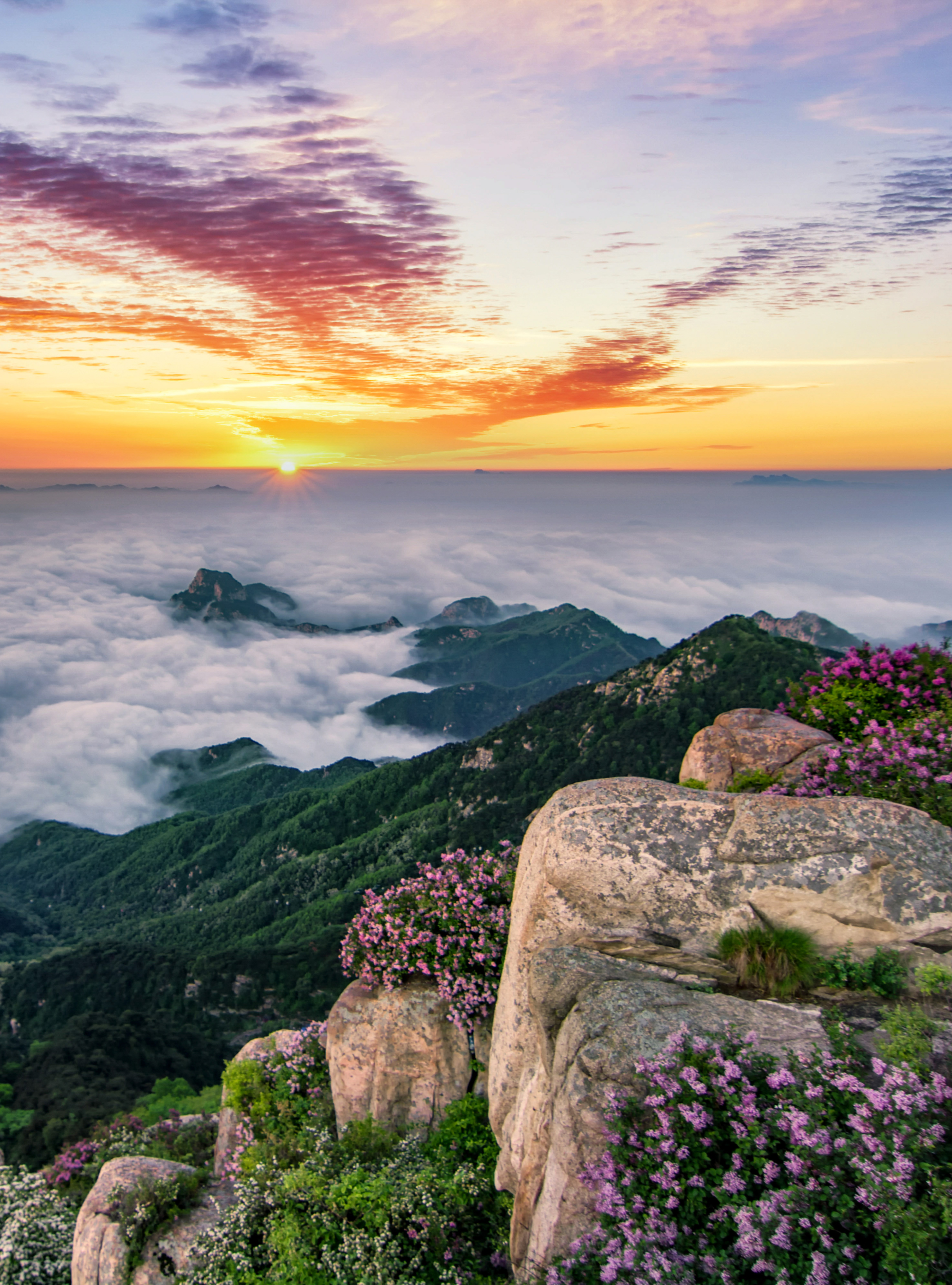
2026 Tai'an Travel Guide: must-see attractions, popular food, hotels, transport & travel experiences (updated in February)
965 posts
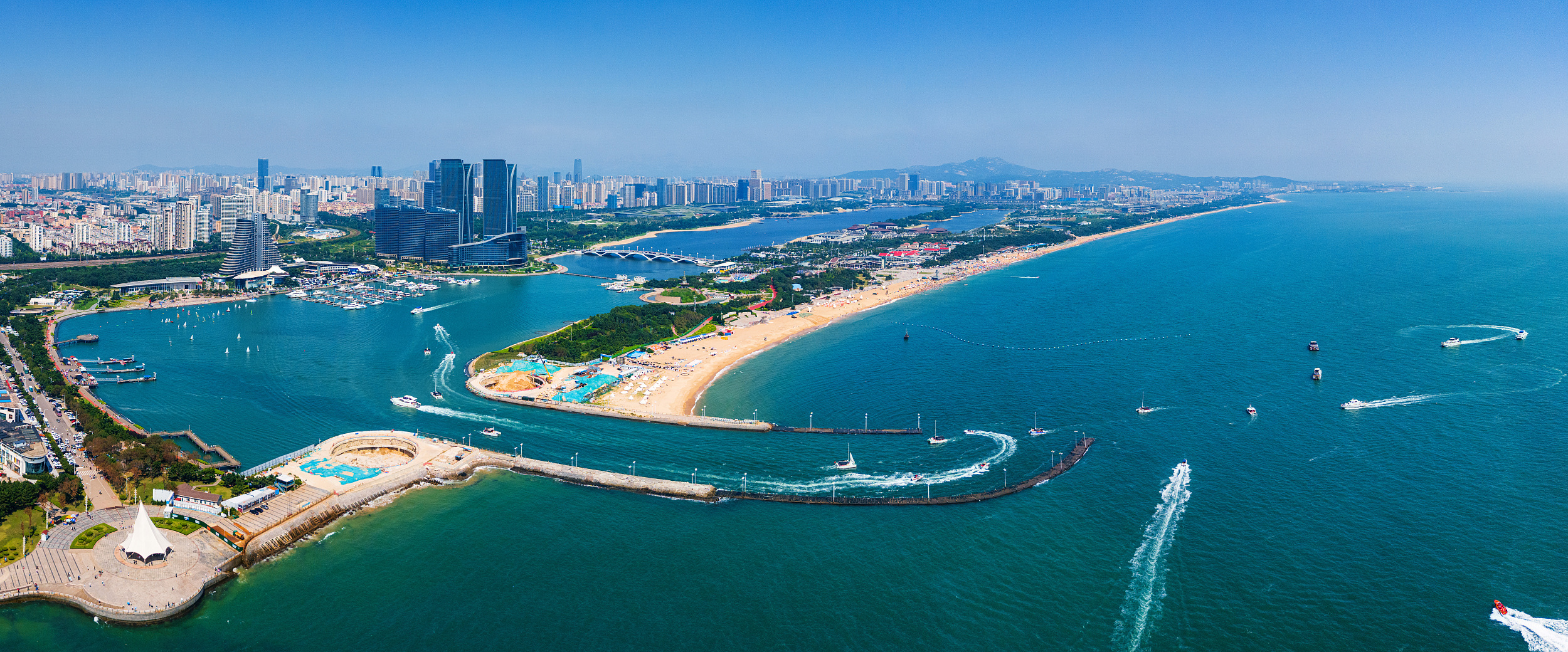
2026 Rizhao Travel Guide: must-see attractions, popular food, hotels, transport & travel experiences (updated in February)
718 posts
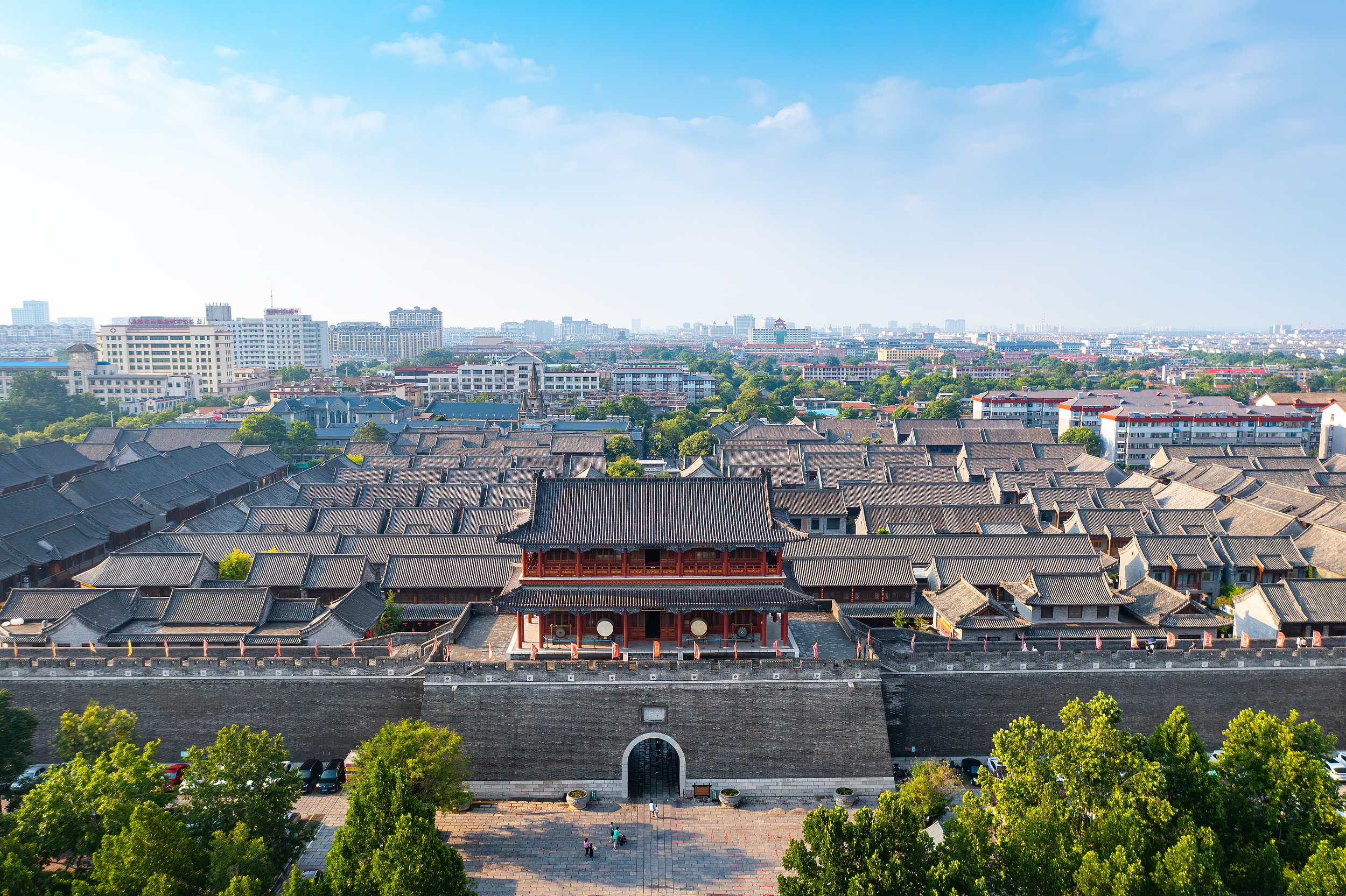
2026 Qingzhou Travel Guide: must-see attractions, popular food, hotels, transport & travel experiences (updated in February)
277 posts
- 1
- 2
Post
More recommendations
Popular Trip Moments
Juguo Ancient City | The Xuguang Project is in trial operation, transforming a 58-acre mining pit into a cinematic-quality check-in spot | Ju State Ancient City | The Juguo Ancient City Spring Festival Lantern Fair is Scheduled | Shandong Juguo Ancient City’s ancient charm at night is just too photogenic! | Juguo Ancient City New Year's Dumpling Contest | Rizhao New Year's Eve Events Are Here, Diverse Celebrations to Welcome the New Year | Unforgettable Stay Experience at Rizhao Yuexi | Have a blast at the seaside amusement park | The must-choose autumn trip: Rizhao-Linyi 5-day tour no-fail guide is here | Shandong's ginkgo season is here, with millions of golden trees ready to be admired | Rizhao Fulai Loves Ginkgo | Deep Exploration Experience of the Ancient City of the State of Ju | Five thousand years of culture, four thousand-year-old ginkgo trees, three thousand-year-old Juguo Ancient City | A Stunning Experience Visiting the 3,800-Year-Old Ancient Ginkgo Tree | 4000-Year-Old Ginkgo Trees in Juxian|In Juxian, Rizhao, Shandong | This hotel in Rizhao brings the sea right into your room! | Shandong Ginkgo Forest Check-in Season | Autumn Special! 600 RMB for an intense 2 days 1 night trip to Juxian, with ancient ginkgo trees and bamboo forests that are simply stunning! | 4-Day Travel Guide for Rizhao | Beachcombing, Sunrise Watching, Fishing Village Tour・Suitable for All Ages | Juxian, China | Warm Hospitality and a Great Stay in Juxian😍✨ | ## Juxian County May Day Travel Guide: Escape the Crowds and Discover 3,000 Years of Ancient Charm | Rizhao Winter Tour | A complete guide to seeing snow, food, and attractions! | Rizhao Stop 9: Ju County Museum. | Rizhao's eighth stop - the world's first ginkgo tree. | Rizhao Station 7: Buzzing Park. | Shuhe Park: A natural and cultural paradise. | "Secret Encounter at the Golden Sands Hotel"
Popular Destinations
Crikvenica Travel | Warren County Travel | Augusta Travel | Oak Park Travel | Hobro Travel | Tetbury Travel | Brotas Travel | Myrtle Beach Travel | Solomons Travel | Ciego de avila Travel | Baker County Travel | Taketa Travel | Senigallia Travel | Legaspi Travel | Playa del Carmen Travel | Saint-Etienne Travel | Cardiff-by-the-Sea Travel | Clearwater Travel | Colwyn Bay Travel | Kane County Travel | Doha Travel | Midland Travel | Isle of Wight County Travel | Chinon Travel | Delhi Travel | Tavastia Proper Travel | Poole Travel | Valkenburg Travel
Recommended attractions at popular destinations
Popular Attractions in Bangkok | Popular Attractions in Manila | Popular Attractions in Tokyo | Popular Attractions in Taipei | Popular Attractions in Hong Kong | Popular Attractions in Seoul | Popular Attractions in Kuala Lumpur | Popular Attractions in Los Angeles | Popular Attractions in Shanghai | Popular Attractions in New York | Popular Attractions in Shenzhen | Popular Attractions in Osaka | Popular Attractions in Singapore | Popular Attractions in London | Popular Attractions in Guangzhou | Popular Attractions in San Francisco | Popular Attractions in Beijing | Popular Attractions in Macau | Popular Attractions in Bali | Popular Attractions in Jakarta | Popular Attractions in Paris | Popular Attractions in Ho Chi Minh City | Popular Attractions in Istanbul | Popular Attractions in Phuket | Popular Attractions in Chicago | Popular Attractions in Seattle | Popular Attractions in Toronto | Popular Attractions in Orlando | Popular Attractions in Cebu | Popular Attractions in Chiang Mai
Popular Restaurants in Ju County
莒国大饭店·餐厅 | 莒国八喜龙包(莒县总店) | 福上府烘焙主题店 | 蓝奇烘焙西餐 | MAI DUO XIAN BING | Danxiang (xinshiji) | 哈吉客HijK(莒县新世纪店) | 绣花城糁馆(龙泉路店) | 姜宝富朝鲜族自助烤肉(新世纪人民商场店) | 美淇玲蛋糕 | 宋柏树北京烤鸭(莒县店) | 新盛尚品疙瘩汤 | 牛扒饭(一小店) | Renjiquan Lamb Soup | 良家小厨锅贴(卧龙路商业街店) | 绝味鸭脖(城阳北路店) | 全味时间(步行街店) | 春风十里蛋糕烘焙(育英路店) | Xiaowei Home-Style Cooking (chengyangbeilu) | 万沙金大酒店·餐厅 | 金昶全羊 | 韩膳府(万和城店) | 莒县沭河宾馆·餐厅 | 观山听雨 | 驿果优精品水果行 | 麦思维蛋糕(百盛御廷苑店) | SHUN LONG HUI MIAN | Wangshi Bakery | 98蛋糕坊(城阳路店) | 发发蛋糕(青年中路店)
Popular Ranked Lists
Top 50 Must-Visit Restaurants in Haikou | Popular Best Things to Do in Yangon | Top 50 Best Things to Do in Las Vegas | Popular Premium Hotels in Midland | Top 50 Must-Visit Restaurants in Changchun | Top 20 Best Things to Do in Kota Kinabalu | Top 50 Must-Visit Restaurants in Beihai | Top 20 Best Things to Do in Langkawi | Top 10 Luxury Hotels near St. Joseph County | Popular Premium Hotels in Kalamboli Tarf Waredi | Top 50 Must-Visit Restaurants in Dalian | Top 20 Best Things to Do in Warsaw | Top 50 Must-Visit Restaurants in Zhoushan | Top 10 Best Things to Do in Phnom Penh | Top 50 Must-Visit Restaurants in Lhasa | Top 50 Best Things to Do in Tokyo | Popular Luxury Hotels Near Tsaghkadzor | Popular Premium Hotels in Catia La Mar | Top 50 Must-Visit Restaurants in Quanzhou | Top 50 Must-Visit Restaurants in Brisbane | Top 50 Must-Visit Restaurants in Harbin | Popular Premium Hotels in Plymouth | Top 50 Luxury Hotels near Oberhasli | Top 50 Best Things to Do in Berlin | Top 50 Must-Visit Restaurants in Jiaxing | Top 50 Must-Visit Restaurants in Nagoya | Top 50 Luxury Hotels near Pandaan | Top 50 Must-Visit Restaurants in Istanbul | Popular Premium Hotels in Myrtle Beach | Top 50 Must-Visit Restaurants in Zhongshan
About
Payment methods
Our partners
Copyright © 2025 Trip.com Travel Singapore Pte. Ltd. All rights reserved
Site Operator: Trip.com Travel Singapore Pte. Ltd. Travel License No. 02943
Site Operator: Trip.com Travel Singapore Pte. Ltd. Travel License No. 02943