Are you interested in Tropical Palm Tree Paint Night?
245 people have participated in this
poll
Yes
No
50%
50%
×
已複製至剪貼簿
Type
Activity Categories
Trip.com Ticketing
All types
Exhibitions
Concerts
Conferences
Esport Events
Sports & Fitness
Celebration
Music Festivals
Arts
Cultural Experiences
Location
All locations
Spain
Madrid
Date
PopularityNew Arrivals
BTS WORLD TOUR IN MADRID 2026 | Riyadh Air Metropolitano
Jun 26–Jun 27, 2026 (UTC+1)
Madrid
ConcertsBTS
The BTS WORLD TOUR IN MADRID 2026 stands as a highly anticipated chapter in the global journey of the South Korean sensation, BTS. Set to take place at the Riyadh Air Metropolitano on June 26 and 27, 2026, this event is part of the band’s fourth concert tour, marking a significant return to live performances following their mandatory military service. Beginning in Goyang, South Korea, on April 9, 2026, and concluding in Manila, The Philippines, on March 14, 2027, the tour spans an impressive 79 dates across 34 cities in 23 countries. This extensive itinerary covers continents including Asia, North America, South America, Australia, and Europe, underscoring BTS’s enduring global influence. Notably, the BTS WORLD TOUR IN MADRID 2026 represents the group’s first headline performances since their 2021–22 Permission to Dance on Stage tour, signaling a fresh era for the K-pop septet. With meticulous planning and a calm yet commanding presence, this tour promises to deliver an unforgettable experience, solidifying BTS’s place at the forefront of contemporary music and live entertainment. The Madrid dates, in particular, are expected to draw significant attention, reflecting the city’s vibrant cultural scene and the band’s widespread appeal.
Karol G - Viajando Por El Mundo Tropitour Global Stadium Tour | Civitas Metropolitan Stadium, Madrid
Jun 24, 2027 (UTC+1)
Madrid
Concerts
Bruno Mars The Romantic Tour In Madrid 2026 | Riyadh Air Metropolitano
Jul 10, 2026 (UTC+1)
Madrid
ConcertsBruno Mars
Bruno Mars The Romantic Tour In Madrid 2026 marks a highly anticipated chapter in the celebrated artist’s career, spotlighting his first major tour since the Bruno Mars Live tour (2022–2024) and following his Park MGM residency in 2025. This fifth headlining concert tour, supporting his fourth studio album *The Romantic*—set for release on February 27, 2026—promises an unforgettable evening at Madrid’s Riyadh Air Metropolitano on July 10, 2026. Kicking off on April 10, 2026, in Las Vegas and wrapping up in Vancouver on October 14, 2026, the tour features a stellar lineup of opening acts, including Anderson .Paak (performing as DJ Pee .Wee), Leon Thomas, Victoria Monét, and Raye. The announcement of *The Romantic* album and its lead single, “I Just Might,“ stirred excitement across social platforms early in January 2026, setting the stage for this all-stadium tour across North America and Europe. With its blend of soulful melodies and dynamic performances, Bruno Mars The Romantic Tour In Madrid 2026 stands as a testament to the artist’s enduring appeal and musical evolution, promising an evening that resonates long after the final note fades.
Formula 1 Spanish Grand Prix 2026 | Spain Madring
Sep 11–Sep 13, 2026 (UTC+2)
Madrid
Formula 1Sports & Fitness
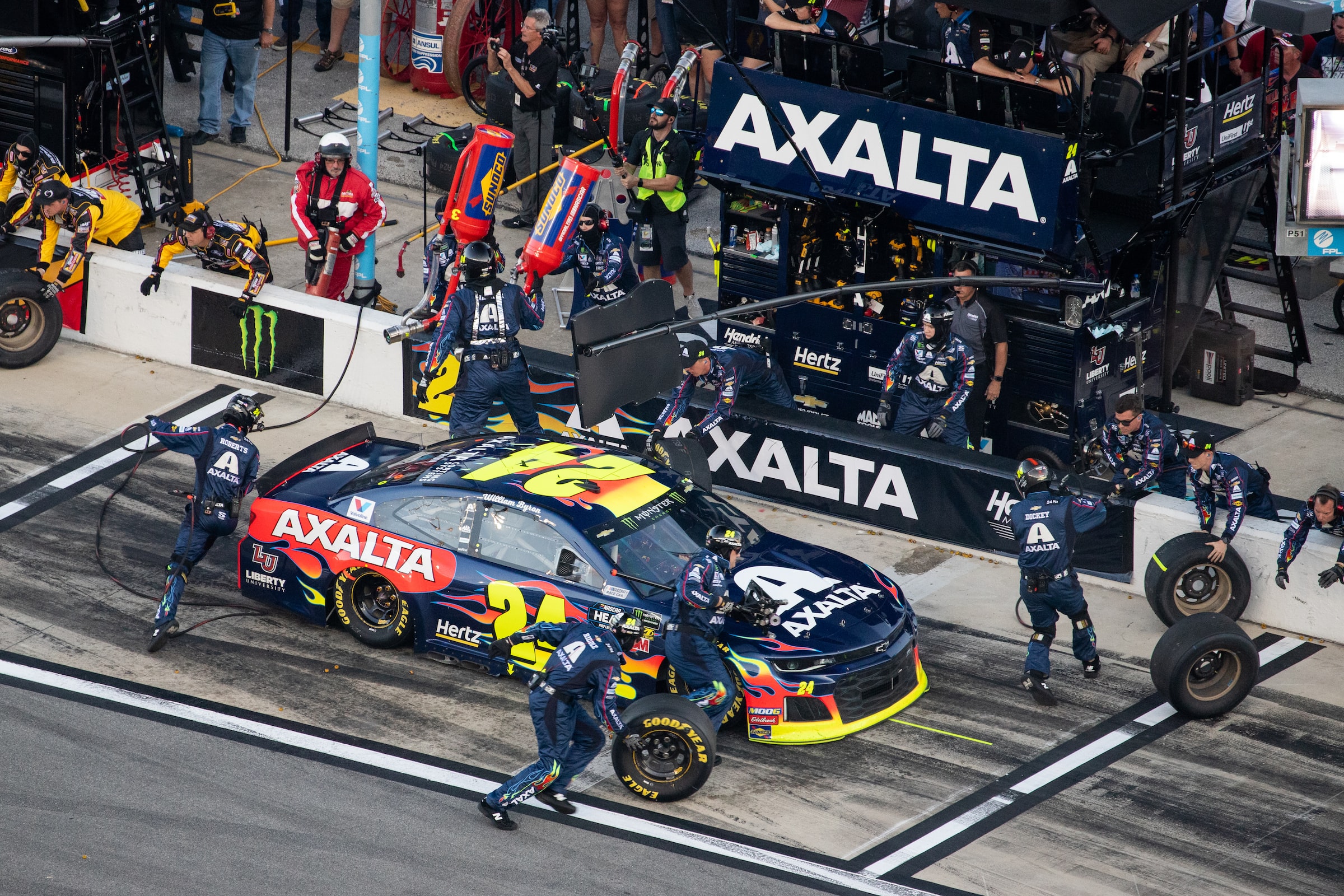
The 2026 Formula 1 Spanish Grand Prix will take place from September 11 to September 13 at Madring, Madrid. This event marks Round 16 of the 24-race 2026 FIA Formula One World Championship season. The 2026 F1 calendar features a record-breaking 24 Grands Prix across Europe, the Middle East, Asia, and the Americas, running from the season-opening race in March through the finale in December, making it the longest and most extensive season in Formula 1 history. For the full 2026 F1 schedule, circuit maps, and ticket release dates, Trip.com will provide ongoing updates to help fans conveniently plan their race experience.
Thyssen-Bornemisza & Mauritshuis: a love story between two museums | Thyssen-Bornemisza National Museum
Oct 9, 2026–Jan 10, 2027 (UTC+1)
Madrid
Exhibitions
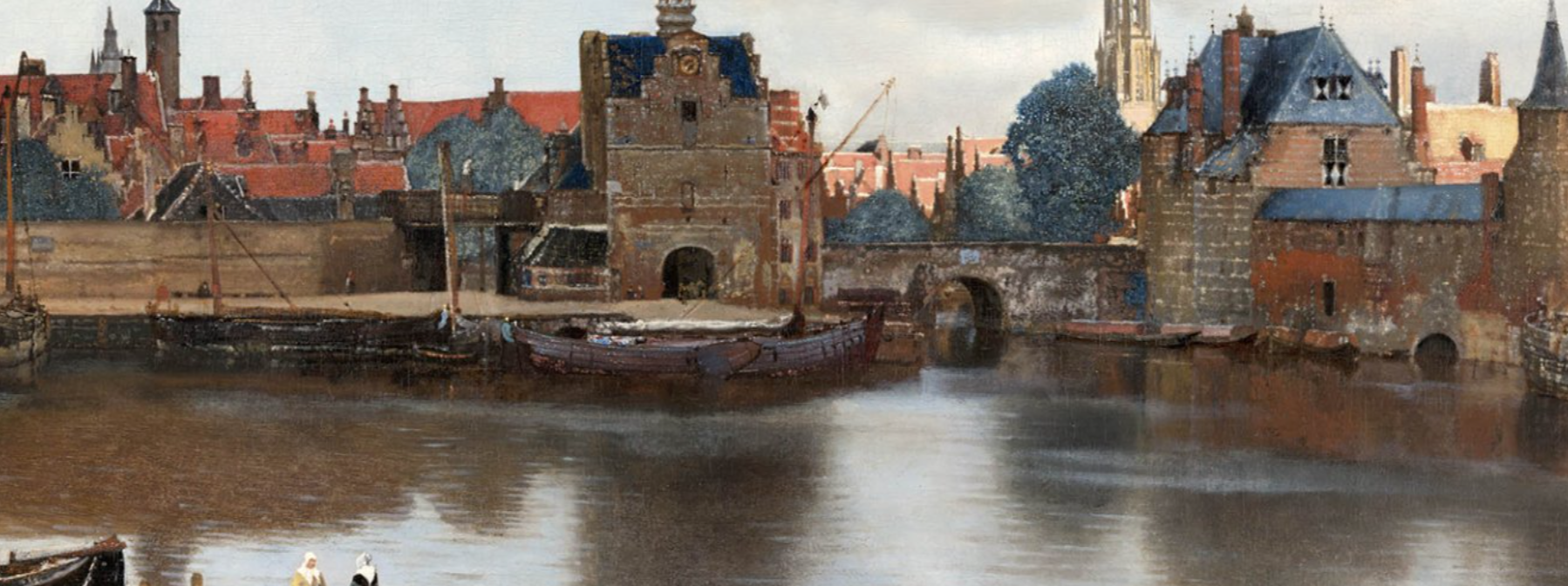
The Museo Nacional Thyssen-Bornemisza and the Mauritshuis in The Hague are simultaneously exchanging twenty-five outstanding works from their permanent collections thanks to a collaboration agreement between the two institutions. In Madrid, an exceptional collection of 17th century Dutch masterpieces is on display, including Johannes Vermeer's View of Delft (ca. 1660-1661), brought together in the classical rooms, a new exhibition space in the museum, close to the rooms dedicated to this same school, thus offering a more complete view of that extraordinary and fruitful century.The Thyssen-Bornemisza family's ties to the Netherlands date back to the early 20th century, when Heinrich (1875–1947) settled in The Hague after the Hungarian Revolution of 1919. It was in this city that Hans Heinrich was born and spent his childhood. In addition to the financial ties and business platform created there, he developed a passion for Dutch painting, one of the most brilliant chapters in his collecting career, which was started by Heinrich and continued by his son Hans Heinrich, who focused his early acquisitions in the 1950s on the Dutch masters of the 17th century. It was precisely Rotterdam that was chosen in 1959 as the city to launch the international tour to present his collection, and today the collection of 17th century Dutch paintings is one of the museum's greatest assets, completing the Spanish museum scene in an extraordinary way.The works from the Mauritshuis that form part of the exhibition in Madrid cover a period from around 1615 to 1705, and belong to artists such as Ambrosius Bosschaert I, Frans Hals, Hendrick Avercamp, Pieter Claesz, Rembrandt van Rijn, Gerard ter Borch, Jan Steen, Jacob Ruisdael, Pieter de Hooch and Nicolaes Maes, among others. The paintings are displayed thematically: the first room is dedicated to still lifes and genre painting; the second to landscapes and compositions with figures; and the third displays, on its own, one of the greatest landscape works of all time: Vermeer's View of Delft.In addition, three paintings from the museum's collections have been selected to be exhibited alongside three others from the Mauritshuis. The Garden of Eden by Jan Brueghel the Elder is displayed alongside The Garden of Paradise by Jan Brueghel the Elder and Rubens; The happy Violinist is paired with The Violinist, both by Gerard van Honthorst, and The West Façade of the Church of Saint Mary in Utrecht by Pieter Jansz. Saenredam complements the exterior view of the church depicted in the panel by the same artist belonging to the Mauritshuis.
Masaveu Collection. 20th Century Spanish Art. From Picasso to Barceló | Fundacion Maria Cristina Masaveu Peterson
Oct 9, 2024–Jul 19, 2026 (UTC+1)
Madrid
Exhibitions
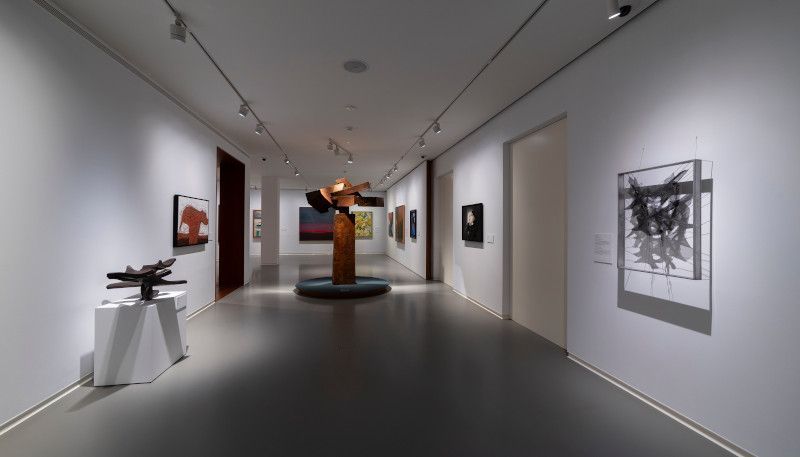
Comisariada por María Dolores Jiménez-Blanco, profesora de Historia del Arte en la Universidad Complutense de Madrid, la exposición se estructura en catorce secciones que trazan un completo itinerario por el arte español del siglo XX. En ella el visitante podrá disfrutar de un centenar de obras de artistas como:Pablo Picasso, María Blanchard, Juan Gris, Joan Miró, Salvador Dalí, Luis Fernández, Antonio López, Carmen Laffón, Antoni Tàpies, Manolo Millares, Eduardo Chillida, Esteban Vicente, Juan Genovés, Eusebio Sempere, Soledad Sevilla, Pablo Palazuelo, Cristina Iglesias, Juan MuñozoMiquel Barceló, entre otros.
Alberto Greco Viva el arte vivo | Museo Nacional Centro de Arte Reina Sofía
Feb 11–Jun 8, 2026 (UTC+1)
Madrid
Exhibitions
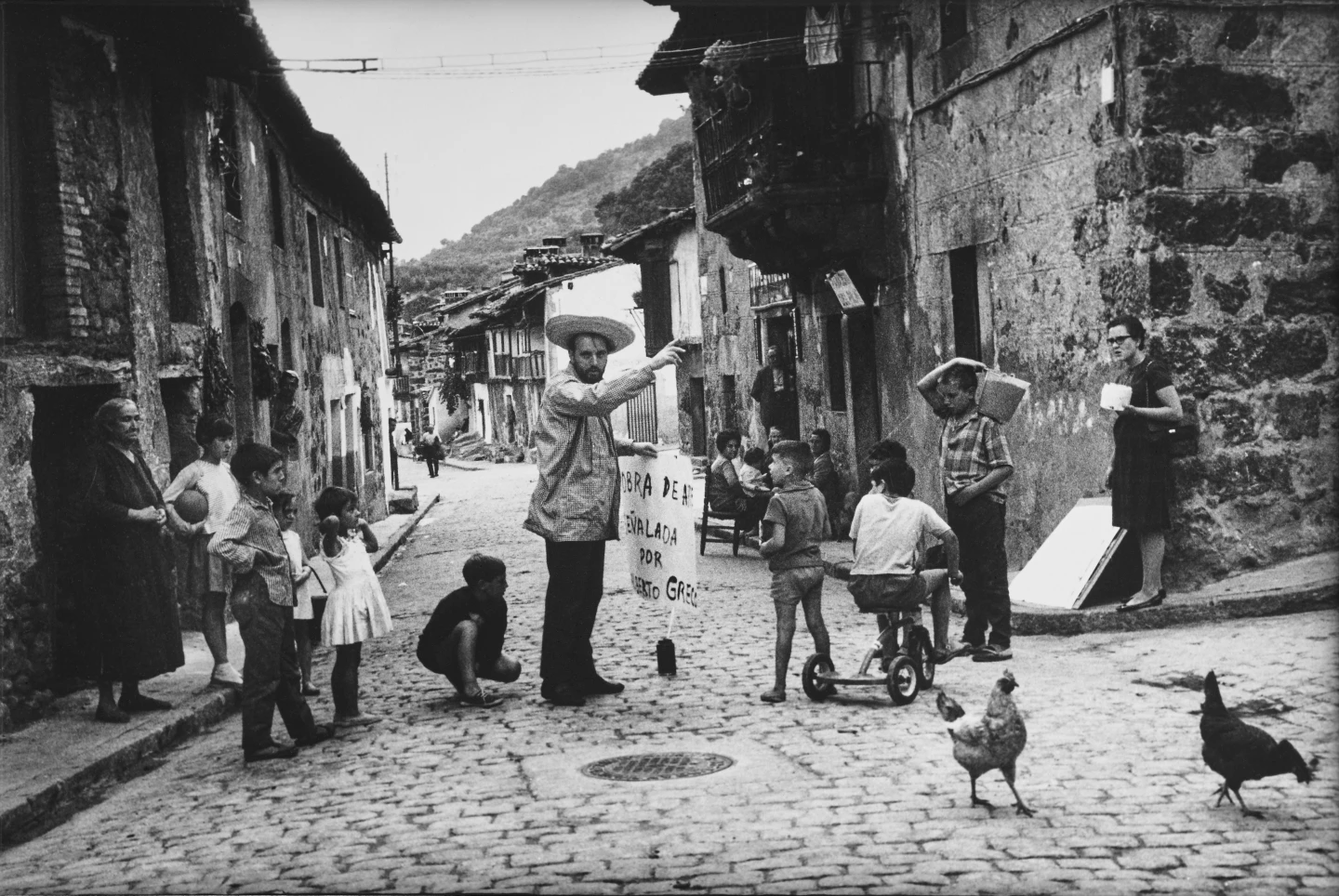
Alberto Greco (Buenos Aires, 1931 – Barcelona, 1965) was a key figure in experimental avant-garde art. His artistic trajectory was winding and circuitous, less a meticulously planned aesthetic path and more a journey of wandering, straying, and disorientation. As an informalist painter, organizer of raffles and "moving exhibitions," poet, occasional actor, queer wanderer, and founder of "arte vivo," Greco publicly displayed his life, transforming it into an aesthetic creative space that oscillated between theatrical performances, media events, and street anecdotes. The exhibition “Viva el arte vivo” reviews Greco’s short but brilliant life and artistic journey. His actions were inextricably linked to his emigration journey that began in 1950: from Buenos Aires to the Atacama Plateau and Humawaca, from Paris to Rio de Janeiro and São Paulo, from Genoa and Rome to Madrid and Piedraves, from New York to Ibiza and Barcelona. Therefore, the works in this exhibition span from 1949 to 1965, from his early textual and informal paintings—in which he explored the possibilities of matter, shaking it with tension and overflow—to his performance art and living sculptures; his drawings in Madrid; collages he called “self-promotion”; and finally, the novel *Besos brujos* (The Enchanting Kiss), written shortly before his suicide.
History Doesn’t Repeat Itself, but It Does Rhyme | Museo Nacional Centro de Arte Reina Sofía
Mar 22–Sep 22, 2026 (UTC+1)
Madrid
Exhibitions
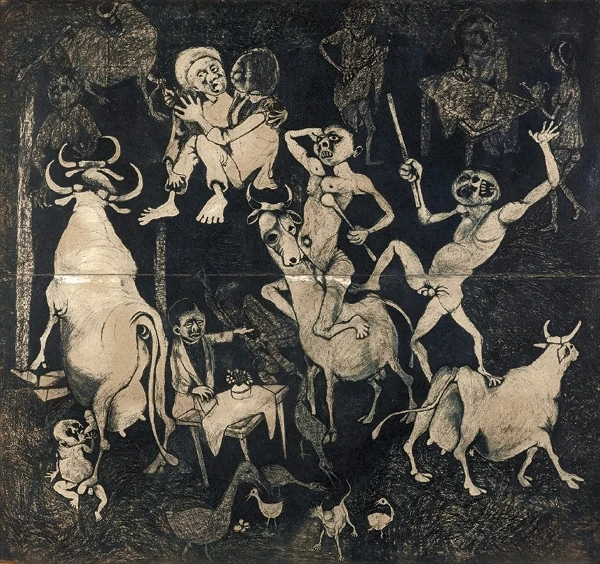
History Doesn’t Repeat Itself, but It Does Rhyme is a new programme at the Museo Reina Sofía that aims to establish a dialogue between Pablo Picasso's Guernica (1937) and other significant works of art that present certain parallels in their modes of representation or thematic concerns, but which come from different historical and cultural contexts. In this first instalment of the series, curated by Tamar Garb, Picasso's emblematic work can be seen for the first time alongside African Guernica (1967) by Dumile Feni (Worcester, South Africa, 1942 – New York, 1991), one of the key artists of African modernity.Dumile Feni's work, which is markedly biographical in nature, emerged in the context of state violence and institutionalised racial oppression under South African apartheid. Created during the 1960s, African Guernica invokes Picasso's work, not only in its title but also in its synergies with the Spanish artist's visual vocabulary. In this way, Dumile Feni's large charcoal drawing also draws on the simplification and expressive distortion of figures, monochromatic tone and dramatic lighting, abstraction and dislocation of space, and even the conjunctions between animals and humans. But it is not only formal elements that resonate in the Spanish and African versions of Guernica; the shared use of a monumental scale is also crucial in highlighting the violence inherent in all situations of war, discrimination and oppression throughout history.Although it has been exhibited frequently in South Africa, African Guernica has never travelled abroad. Displayed in close dialogue with Picasso's work for the first time, this presentation invites visitors to the exhibition to speculate on the similarities and differences between the two works, created in different historical and geographical contexts, as well as to discover other works by the South African artist that are also part of the presentation. The confrontation between Picasso's anti-war cry of anguish in the context of the Spanish Civil War and the South African drawing created thirty years later in the context of the brutal violence of South African apartheid invites critical reflection on the different issues raised by the exhibition.History Doesn’t Repeat Itself, but It Does Rhyme is a series of interventions within the Reina Sofía’s Collection, that consist of juxtaposing an equivalent to Guernica from another time or geopolitical sphere, contextualised by an academic work of art history as an interpretative framework. The title of the series is a phrase traditionally attributed to the writer Mark Twain, but apocryphal, never written by the author.
Carmen Laffón. Themes and variations | Thyssen-Bornemisza National Museum
Jun 23–Sep 27, 2026 (UTC+1)
Madrid
Exhibitions
This exhibition will showcase approximately eighty works, encompassing oil paintings, pastels, charcoal drawings, and sculptures (the latter created from the mid-1990s to the present), categorized by theme. Each section focuses on one of the most common classical art forms in her work—figures, still lifes, and landscapes—as well as Carmen Laffont's own iconic imagery, such as baskets, cabinets, grapevines, limestone or limescale, and salt mines.
Formula 1 | Spanish Grand Prix (Madrid) | Sep 13th | Circuito de Madring
Sep 13, 2026 (UTC+2)
Madrid
Sports & FitnessMotorsports
The Spanish Grand Prix is a highly anticipated Formula One motorsport event that takes place annually in Spain. It is a part of the FIA Formula One World Championship and is held at the Circuit de Barcelona-Catalunya. This thrilling race consists of 66 laps, covering a distance of 307.104 km. The Spanish Grand Prix has been a part of the F1 calendar since its inception in 1951, making it one of the oldest races in the championship. The race attracts top teams and players from all around the world, including Mercedes, Ferrari, and Red Bull Racing. The current record for the fastest lap at this event is held by Lewis Hamilton, who completed it in just 1:18.441 in 2020. The Circuit de Barcelona-Catalunya is known for its challenging track layout, featuring high-speed corners and long straights. With its rich history and top-notch facilities, the Spanish Grand Prix is a must-attend event for any motorsport fan.
Information Source: fixturecalendar.com